
 한국어
 English
 日本語
 中文(简体)
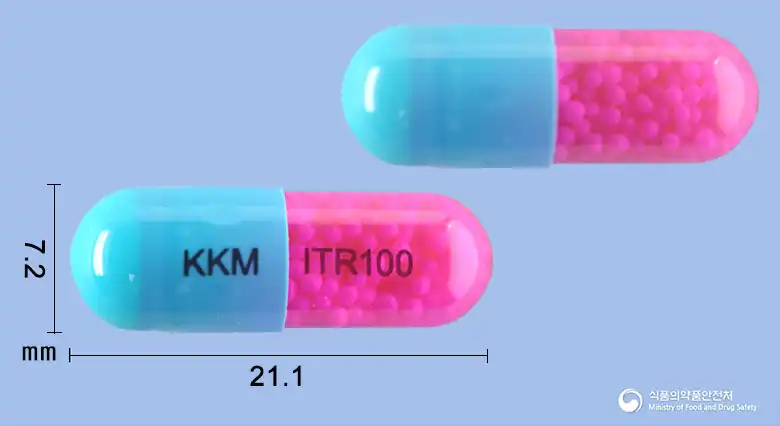 Viewing now
Mitra Capsule (Itraconazole)
Itraconazole Pellets 100mg
Hard capsule · Prescription medication
Genewon Science Co., Ltd.
MFDS item code 200404726 · Notified 2004.09.21 · Insurance code 671700370
Treatment of skin and nail fungal infections (such as dermatophytosis), mucosal and corneal fungal infections, and systemic fungal infections
This medication is used for various fungal skin diseases including candidal vaginitis, tinea versicolor, tinea corporis (body ringworm), tinea capitis (scalp ringworm), tinea manuum (hand ringworm), and tinea pedis (foot ringworm). It is also effective for the treatment of oral candidiasis, fungal keratitis, and onychomycosis (fungal nail infection). Additionally, it is used in the treatment of systemic fungal infections such as aspergillosis, candidiasis, paracoccidioidomycosis, and cryptococcosis. It is particularly important for patients with weakened immune function and those with central nervous system cryptococcal infections, especially when first-line therapies are inappropriate or ineffective. It is also used for maintenance therapy in AIDS patients with cryptococcal meningitis. In this way, this drug effectively improves patient health through the treatment of various fungal infections.
To increase absorption, this drug should preferably be administered immediately after meals. Capsules must be swallowed whole. 1. Short-term treatment This drug continues to exert a therapeutic effect in skin tissue even after treatment is discontinued. Therefore, final clinical and mycological efficacy should preferably be assessed 2~4 weeks after completion of the prescribed treatment. 1) Candidal vaginitis: Administer 200 mg of itraconazole per dose twice daily (morning and evening) for 1 day, or 200 mg once daily for 3 days. 2) Tinea versicolor: Administer 200 mg once daily for 7 days. 3) Tinea corporis, tinea cruris: Administer 100 mg once daily for 15 days. 4) Tinea manuum (interdigital), tinea pedis (interdigital): Administer 100 mg once daily for 15 days. 5) Tinea manuum (palmar), tinea pedis (plantar): Administer 100 mg once daily for 30 days or 200 mg per dose twice daily for 7 days. 6) Oral candidiasis: Administer 100 mg once daily for 15 days. 7) Fungal keratitis: Administer 200 mg once daily for 21 days. 2. Onychomycosis 1) Pulse therapy Administer 200 mg per dose twice daily for 1 week, followed by a 3-week drug-free period; this constitutes 1 cycle. Administer up to 2 cycles for fingernail infections and up to 3 cycles for toenail infections. 2) Continuous therapy Administer 200 mg once daily for 3 months. After treatment ends, the therapeutic effect continues for 3 months for fingernails and 6 months for toenails. 3. Systemic fungal infections In patients with impaired immune function, such as those with neutropenia, AIDS, or an organ transplant, the oral bioavailability of this drug may be reduced; if necessary, increase the dose 2-fold. Aspergillosis: 200mg once daily, 2~5 months. For invasive or disseminated disease, increase to 200mg per dose twice daily. Candidiasis: 100~200mg once daily, 3 weeks~7 months. Cryptococcal meningitis: 200mg twice daily, 2 months~1 year. Maintenance therapy (for patients with AIDS only): 200mg once daily2. Paracoccidioidomycosis: 100mg once daily, 6 months. 1 The treatment duration should be adjusted according to clinical response. 2 The treatment duration should depend on immune recovery.
This drug may pose a life-threatening risk to patients with compromised cardiac function, particularly those with congestive heart failure, and should not be used unless for serious infection treatment. Usage should be discontinued immediately if symptoms of heart failure occur, as myocardial contractility may be reduced, and caution is required. Patients with a history of allergic reactions to this drug or its components, those with decreased cardiac function, or those at risk when used with specific medications should avoid its use. It is safe not to use in pregnant or potentially pregnant women and nursing mothers. Patients with impaired liver or kidney function, or those with weak immune systems should be closely monitored when taking this drug, and dosage adjustment may be necessary. This drug interacts with various medications, so if there are other concurrent medications, you should definitely consult your healthcare provider, especially caution is needed when used with cardiac-related drugs, anticoagulants, antipsychotics, etc. While taking this drug, side effects such as headache, nausea, abdominal pain, liver dysfunction, skin rash may occur, and if there are any adverse symptoms, you should immediately inform and treatment may be discontinued. Regular liver function tests should be conducted to check for hepatotoxicity, and patients with liver disease need to be especially cautious when using this drug. This drug has the potential to cause dizziness, visual disturbances, hearing loss when driving or operating machinery, thus caution is necessary. There is no specific antidote for overdose, thus treatment should be based on symptoms, and as it is not removed by hemodialysis, you should promptly visit a medical institution. Keep out of reach of children and store in the original container to prevent misuse and quality deterioration.
Decreased myocardial contractility, headache, nausea, abdominal pain, rhinitis, sinusitis, upper respiratory tract infection, leukopenia, hypersensitivity, dysgeusia, sensory loss, paresthesia, tinnitus, constipation, diarrhea, indigestion, bloating, vomiting, liver dysfunction, hyperbilirubinemia, itching, rash, urticaria, oliguria, erectile dysfunction, menstrual disorders, edema, granulocytopenia, thrombocytopenia, anaphylactoid reaction, hyperglycemia, hyperkalemia, hypokalemia, hypomagnesemia, confusion, peripheral neuropathy, dizziness, drowsiness, tremors, heart failure, left ventricular failure, tachycardia, hypertension, hypotension, pulmonary edema, speech disorders, cough, gastrointestinal disorders, liver failure, hepatitis, jaundice, erythematous rash, hyperhidrosis, myalgia, arthralgia, renal impairment, urinary incontinence, generalized edema, facial edema, chest pain, fever, pain, fatigue, chills, elevated alanine aminotransferase, elevated aspartate aminotransferase, elevated serum alkaline phosphatase, elevated serum lactate dehydrogenase, increased serum urea, elevated gamma-glutamyl transferase, increased liver enzymes, abnormal urinalysis, leukocytosis, eosinophilia, anemia, vascular edema, serum sickness, angioedema, anaphylaxis, anaphylactic shock, allergic reaction, diplopia, visual impairment, temporary hearing loss, permanent hearing loss, ventricular extrasystole, atrioventricular block, palpitations, increased bowel motility, belching, glossitis, stomatitis, abdominal flank pain, pancreatitis, elevated serum total protein, elevated total bilirubin, increased LAP, decreased appetite, malaise, brown urine, elevated liver enzyme levels, mucous membrane syndrome, Stevens-Johnson syndrome, toxic epidermal necrolysis, Riel syndrome, erythema multiforme, hair loss, photosensitivity reaction, exfoliative dermatitis, leukocytoclastic vasculitis, acute generalized exanthematous pustulosis, elevated BUN, positive urine protein reaction, positive urine glucose reaction, decreased libido, drowsiness, shoulder stiffness, insomnia, chest pain, elevated serum triglycerides, flushing, elevated serum uric acid, elevated serum potassium, serum sickness, angioedema, anaphylactic reaction, hypertriglyceridemia, tremors, visual impairment, congestive heart failure, dyspnea, pancreatitis, significant hepatotoxicity, toxic epidermal necrolysis, acute generalized exanthematous pustulosis, increased serum creatine phosphokinase
Not everyone experiences these, and they can vary from person to person.
This medication should be stored in a tightly closed container to prevent air entry and is best kept at room temperature between 1 to 30 degrees Celsius. Storing in this manner helps maintain the medication's efficacy and prevents deterioration.
Hard capsule in upper blue and lower pink, filled with white or grayish spherical pellets
For domestic use - 30 capsules/bottle, For domestic use - 100 capsules/bottle
Even with the same ingredient, strength, dosage form and how it is taken can differ.
Viewing nowItraconazole Pellets 100mg
Hard capsule · Prescription medication
Genewon Science Co., Ltd.
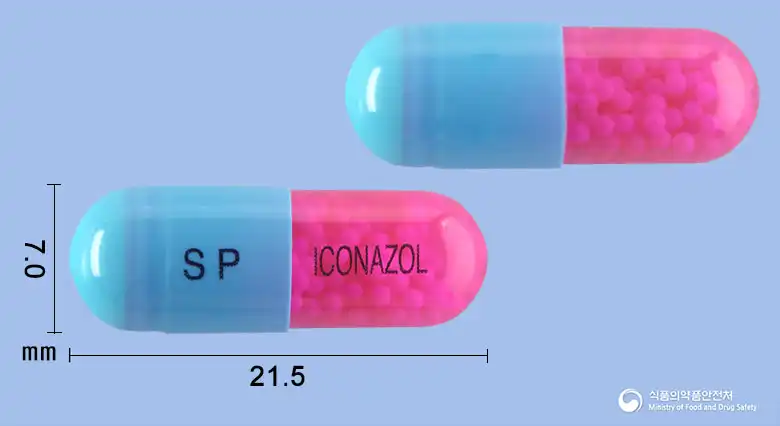
Itraconazole Pellets 454.55mg
Hard capsule · Prescription medication
ShinPung Pharmaceutical Co., Ltd.
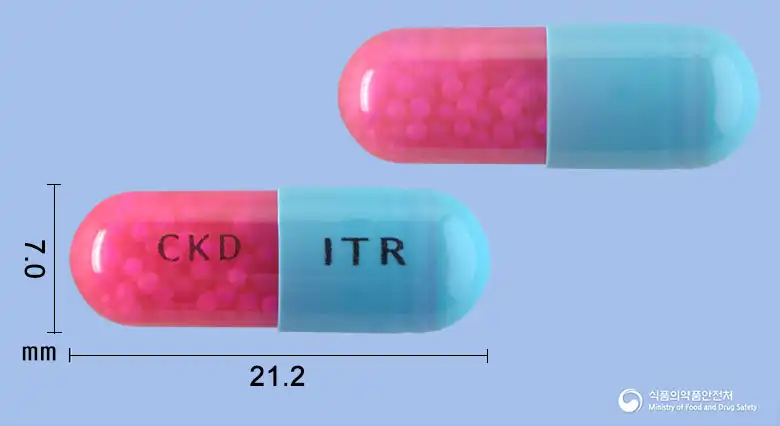
Itraconazole Pellets 454.55mg
Hard capsule · Prescription medication
Jongkundang Co., Ltd.
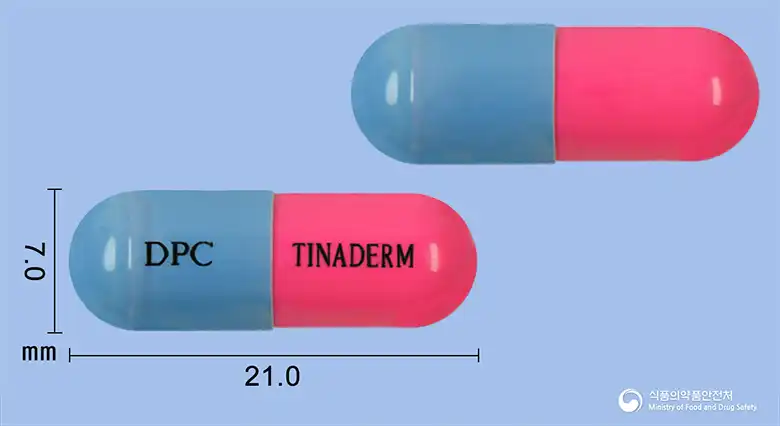
Itraconazole Pellets 454.55mg
Hard capsule · Prescription medication
Dongkwang Pharmaceutical Co., Ltd.
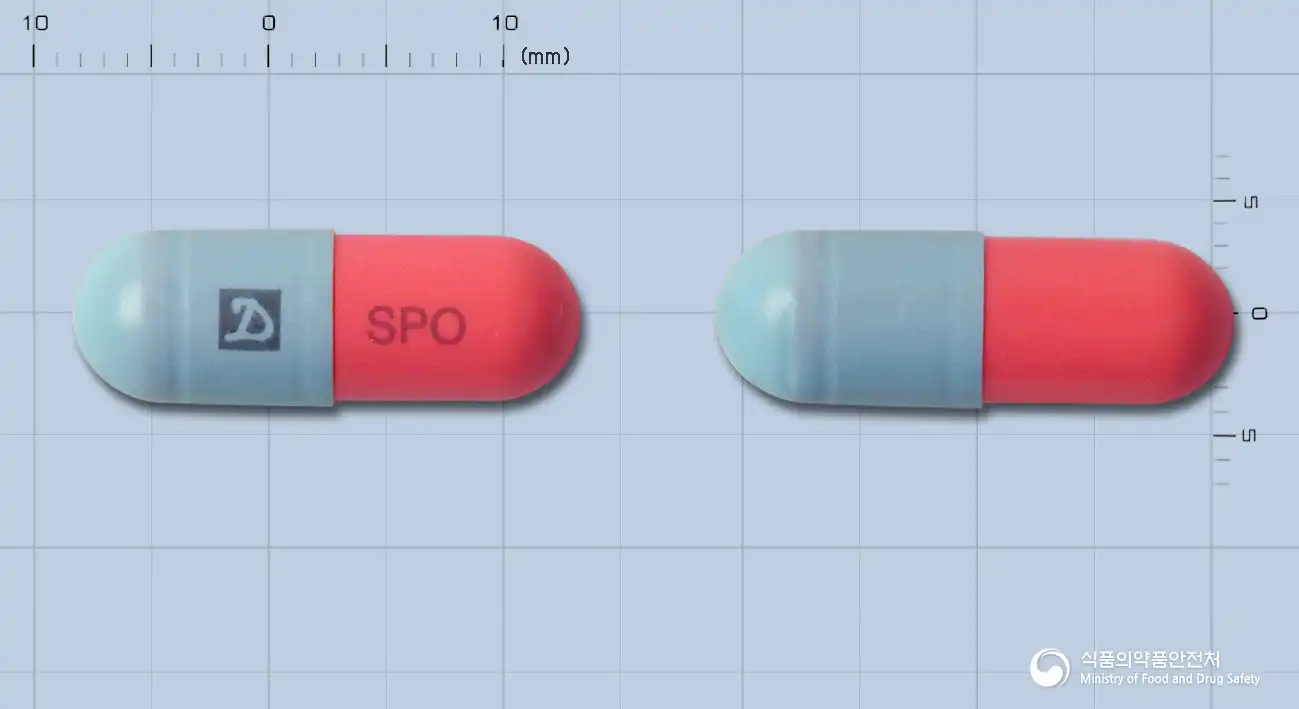
Itraconazole Pellets 100mg
Hard capsule · Prescription medication
Dongwoo Bio Pharm Co., Ltd.
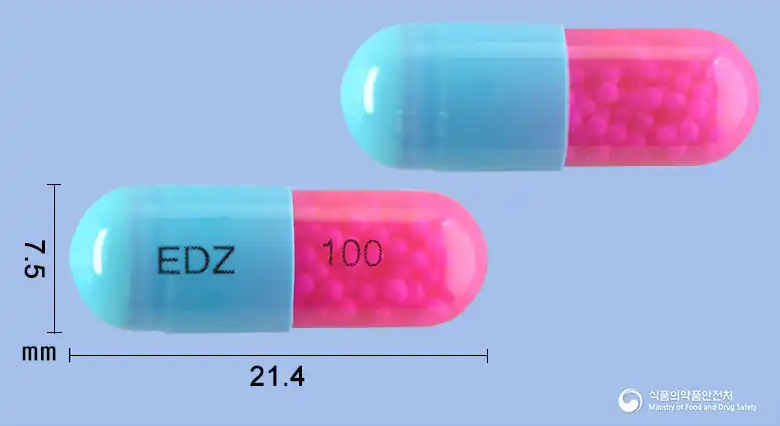
Itraconazole Pellets 454.55mg
Hard capsule · Prescription medication
Nexpharm Korea Co., Ltd.
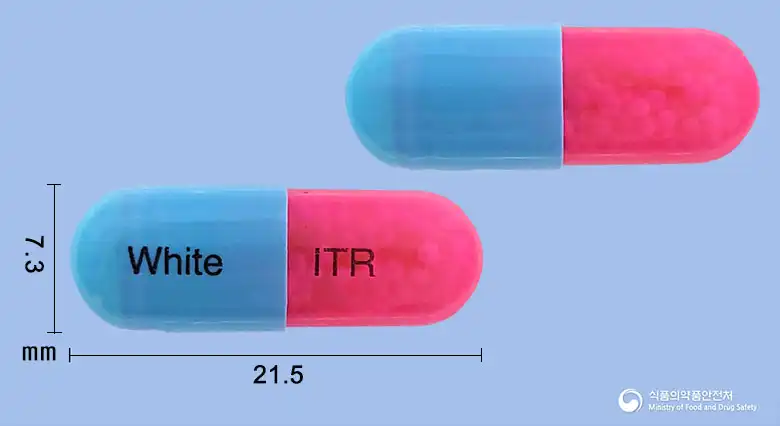
Itraconazole Pellets 454.55mg
Hard capsule · Prescription medication
White Life Science Co., Ltd.
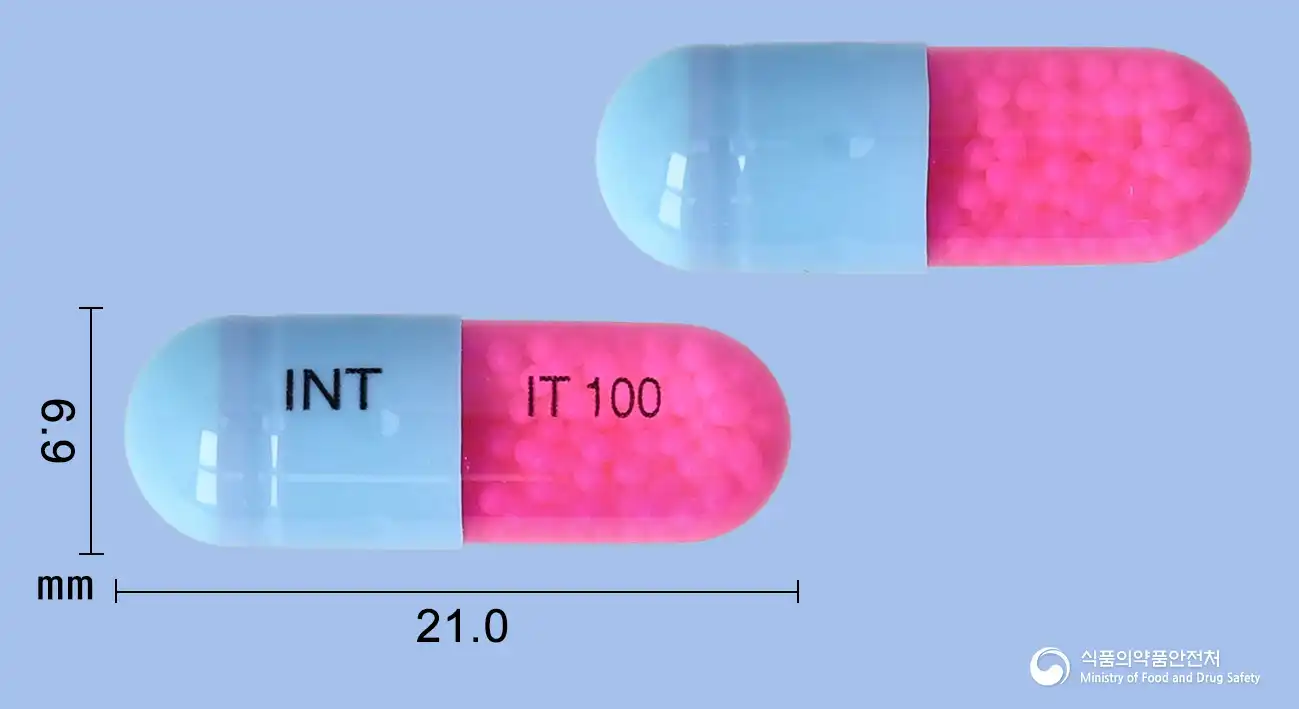
Itraconazole Pellets 454.55mg
Hard capsule · Prescription medication
Intro Bio Pharma Co., Ltd.
Even with the same ingredient, the dose and directions can differ by strength and dosage form. Talk to a doctor or pharmacist before switching from a medication you are already taking.
No questions yet.
For anything that needs medical judgment, consult a doctor or pharmacist.
This drug information is based on data provided by the Korea Ministry of Food and Drug Safety.
Consult a doctor or pharmacist for accurate dosage, administration, and usage instructions.