
 한국어
 English
 日本語
 中文(简体)
 Viewing nowCombination
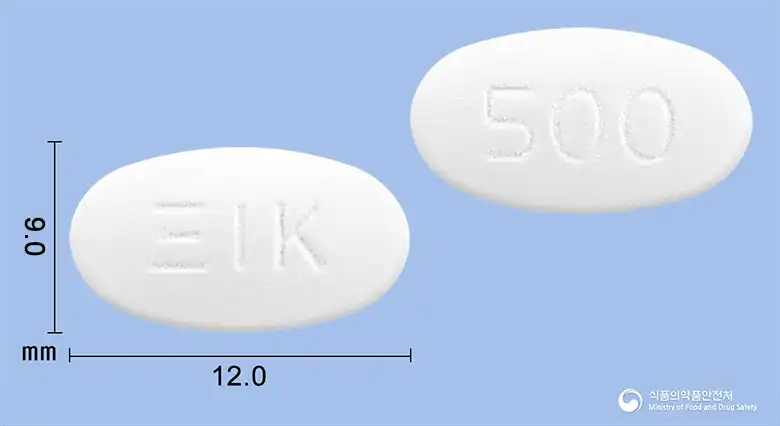
Isilin S Tablets (Amoxicillin and Potassium Clavulanate (7:1))
Amoxicillin Hydrate 437.5mg · Dilute Potassium Clavulanate 106.36mg
Tablet · Prescription medication · Combination
Samik Pharmaceutical Co., Ltd.
MFDS item code 200403433 · Notified 2004.09.16 · Insurance code 644001140
Treatment of respiratory, genitourinary, skin, bone, and dental infections
This medication is used to treat various bacterial infections. It is effective for respiratory infections such as acute and chronic bronchitis, lobar pneumonia, bronchopneumonia, empyema, lung abscess, tonsillitis, sinusitis, and otitis media. It is also used for urinary infections such as cystitis, urethritis, and pyelonephritis, as well as for genital infections such as pelvic inflammatory disease and gonorrhea. It helps treat skin and soft tissue infections like boils, abscesses, soft tissue infections, and wound infections, along with osteomyelitis and dental infections. It is widely utilized in the treatment of infectious diseases due to its efficacy against various gram-positive and gram-negative bacteria. This medication promotes the recovery of patients' health through the treatment of these infections.
For severe infections and respiratory infections in adults, administer 2 tablets per dose orally twice daily, every 12 hours. The dose may be reduced in patients with renal failure according to the degree of renal function. However, this medicine must not be administered to patients with severe renal impairment (glomerular filtration rate of 30 mL/min or less).
This medication should not be used in patients with hypersensitivity to beta-lactam antibiotics, including penicillins and cephalosporins. Extra caution is required in patients with infectious mononucleosis or lymphocytic leukemia due to a heightened risk of rash. Patients with liver function impairment should use this medication cautiously as it may worsen symptoms. Patients with moderate to severe renal impairment may experience increased blood concentrations of the drug, requiring adjustment of dosing intervals. Patients with allergies or family history of allergies should be carefully monitored for the possibility of hypersensitivity reactions. Elderly patients or those in poor health may be at risk of bleeding due to vitamin K deficiency, requiring appropriate management. Gastrointestinal symptoms such as diarrhea, abdominal pain, nausea, and vomiting may occur; in severe cases, pseudomembranous colitis may develop, necessitating immediate consultation with a physician upon symptoms appearing. Symptoms of liver functional impairment have also been reported; long-term use may require liver function testing, particularly in males over 60 years. Rarely, serious allergic reactions such as rashes, urticaria, and anaphylactic shock may occur, and treatment must be discontinued immediately with urgent medical attention. Abnormal results in blood tests may show leukopenia or thrombocytopenia, thus regular blood testing is recommended. Pregnant women in early pregnancy or during pregnancy should only use this medication in exceptional cases, and breastfeeding women should exercise caution as side effects could occur in the baby. Pediatric use is advised only for those aged 12 years or older or weighing over 40 kg. This medication may interact with other drugs; therefore, patients must inform healthcare providers about any other medications they are taking. In case of overdose, gastrointestinal symptoms, renal impairment, or central nervous system abnormalities may occur, requiring immediate contact with a medical institution for appropriate care. This medication should be stored in a sealed container in a dry place below 25 degrees Celsius, and it is crucial to adhere to the prescribed duration and dosage.
Not everyone experiences these, and they can vary from person to person.
This medication should be kept in a sealed container to prevent moisture ingress and stored in a cool, dry place between 1 and 25 degrees Celsius. It is advisable to avoid direct sunlight and places with high humidity.
White oval film-coated tablet
8 tablets/PTP X 10
Even with the same ingredient, strength, dosage form and how it is taken can differ.
Viewing nowCombinationAmoxicillin Hydrate 437.5mg · Dilute Potassium Clavulanate 106.36mg
Tablet · Prescription medication · Combination
Samik Pharmaceutical Co., Ltd.
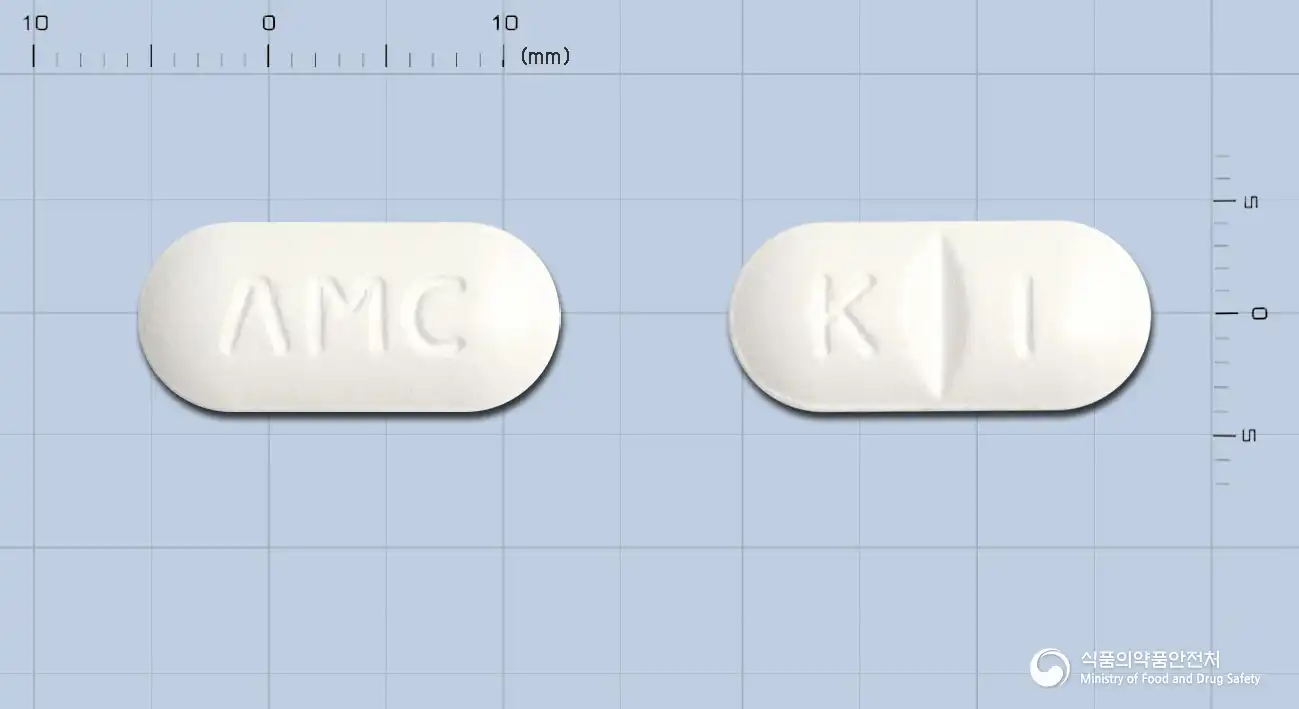 Combination
Amoxicillin Hydrate 500mg · Dilute Potassium Clavulanate 215.52mg
Tablet · Prescription medication · Combination
Geonil Pharmaceutical Co., Ltd.
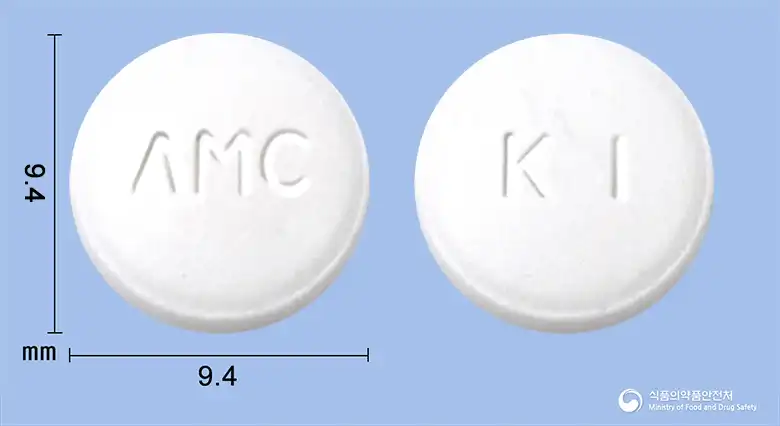 Combination
Amoxicillin Hydrate 125mg · Dilute Potassium Clavulanate 107.76mg
Tablet · Prescription medication · Combination
Geonil Pharmaceutical Co., Ltd.
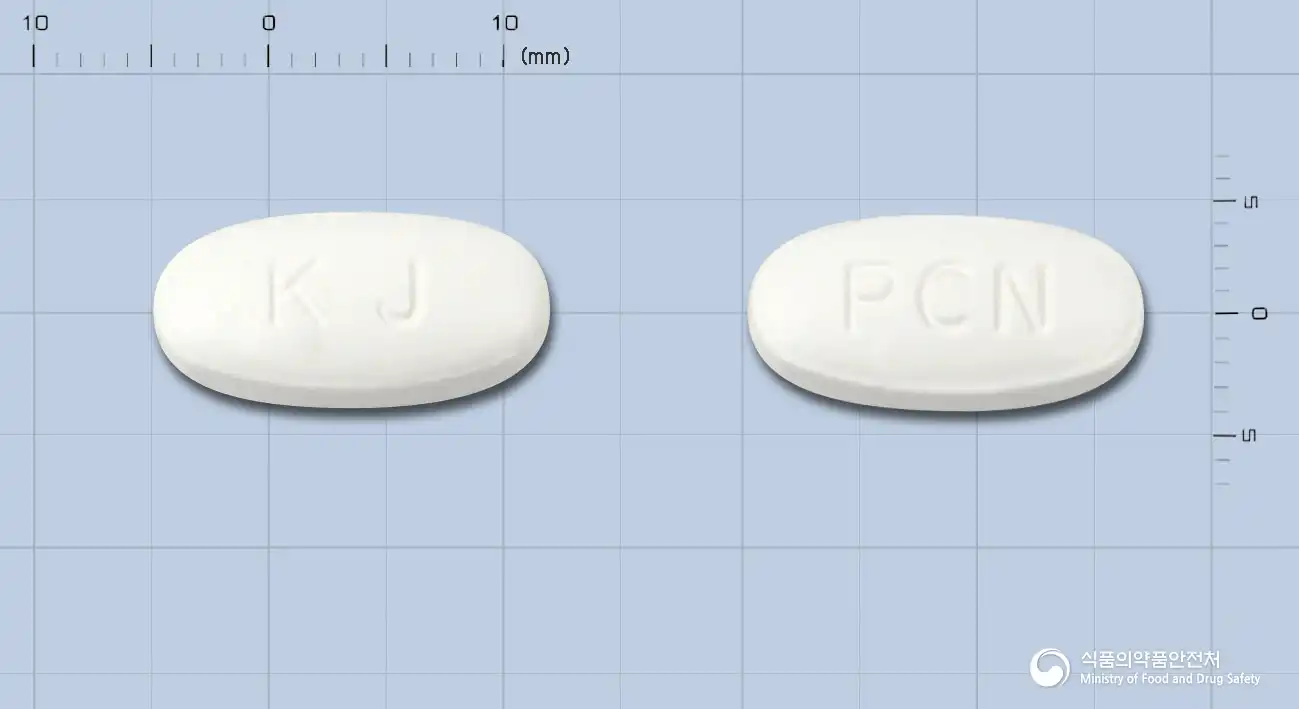 Combination
Amoxicillin Hydrate 250mg · Dilute Potassium Clavulanate 212.73mg
Tablet · Prescription medication · Combination
International Pharmaceutical Co., Ltd.
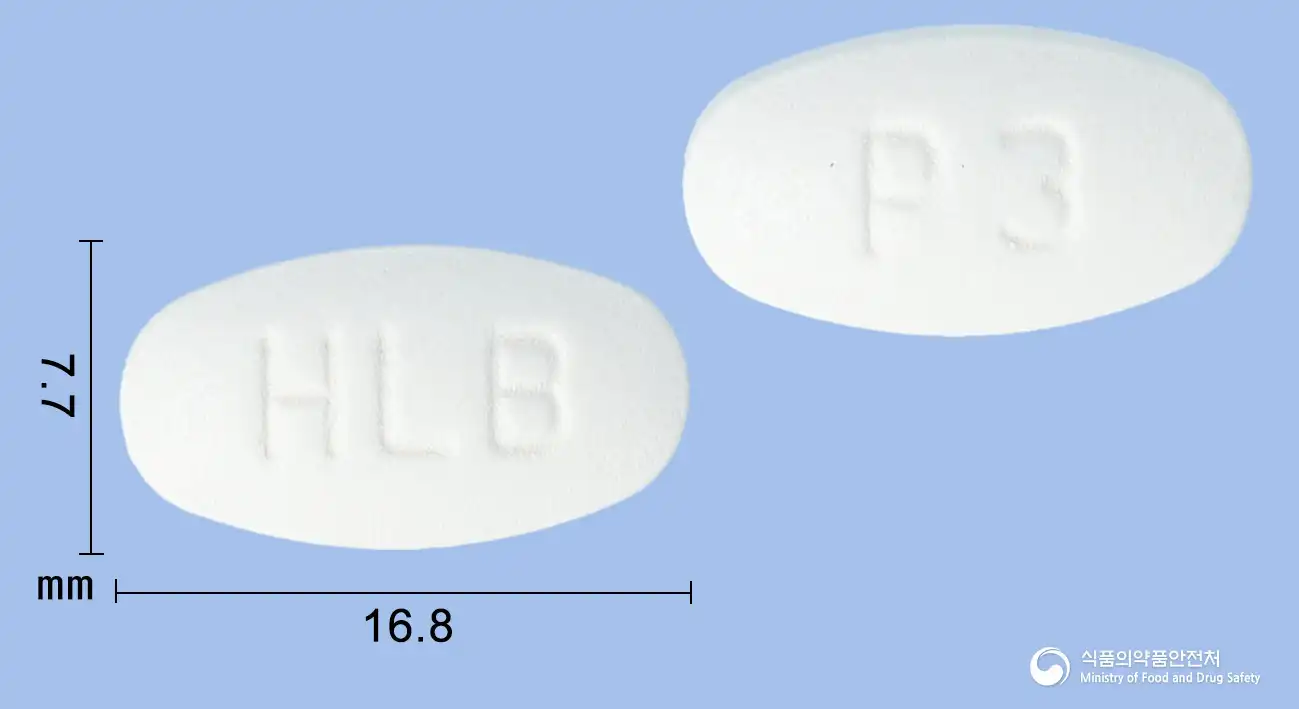 Combination
Amoxicillin Hydrate 250mg · Dilute Potassium Clavulanate 215.52mg
Tablet · Prescription medication · Combination
HLB Pharmaceutical Co., Ltd.
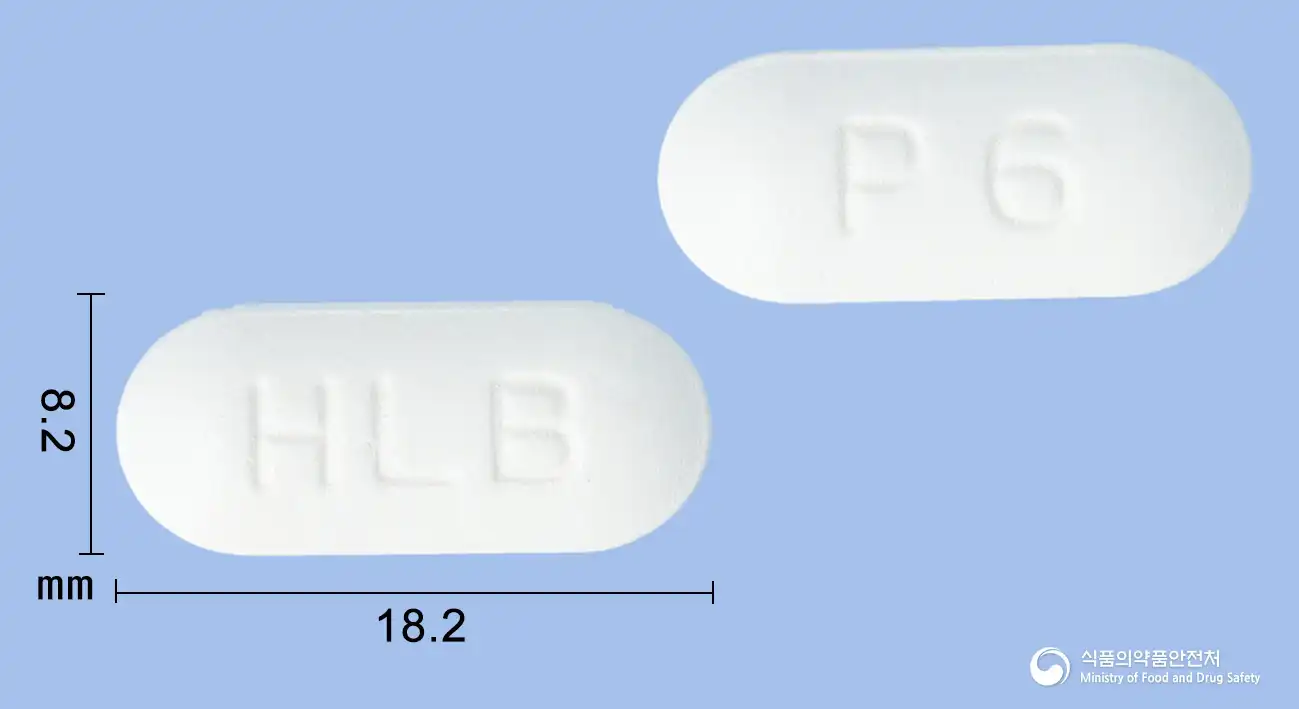 Combination
Amoxicillin Hydrate 500mg · Dilute Potassium Clavulanate 215.52mg
Tablet · Prescription medication · Combination
HLB Pharmaceuticals Co., Ltd.
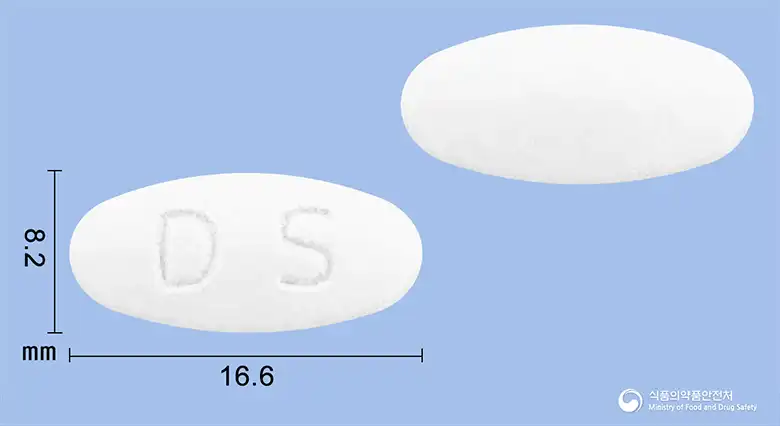 Combination
Amoxicillin Hydrate 250mg · Dilute Potassium Clavulanate 215.52mg
Tablet · Prescription medication · Combination
Dong Sung Pharmaceutical Co., Ltd.
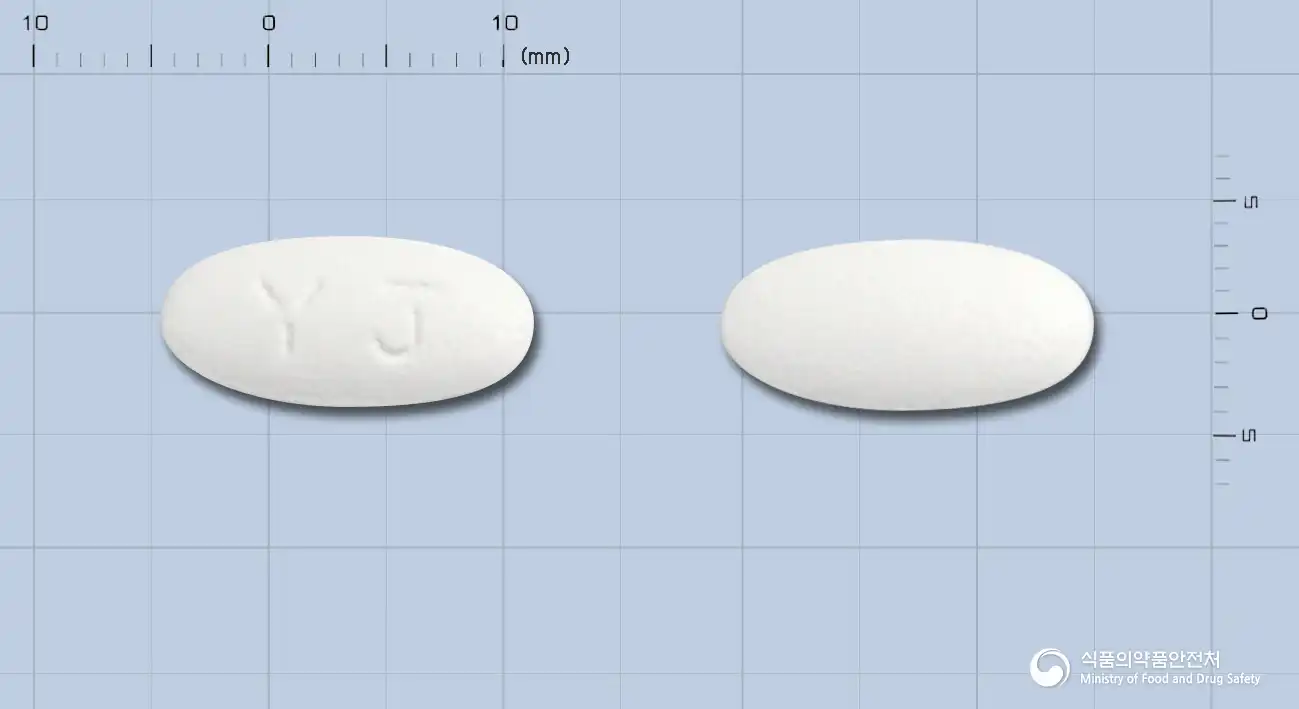 Combination
Amoxicillin Hydrate 250mg · Dilute Potassium Clavulanate 212.73mg
Tablet · Prescription medication · Combination
Youngjin Pharmaceutical Co., Ltd.
Even with the same ingredient, the dose and directions can differ by strength and dosage form. Talk to a doctor or pharmacist before switching from a medication you are already taking.
No questions yet.
For anything that needs medical judgment, consult a doctor or pharmacist.
This drug information is based on data provided by the Korea Ministry of Food and Drug Safety.
Consult a doctor or pharmacist for accurate dosage, administration, and usage instructions.