
 한국어
한국어 English
 日本語
日本語 中文(简体)
Dosage form image
Viewing nowBisoprolol Tablets (Bisoprolol Fumarate)
Bisoprolol Fumarate 5mg
Tablet · Prescription medication
Huons Co., Ltd.
MFDS item code 200403183 · Notified 2004.10.02
This product's status changed to Expired on 2024.10.01. It may no longer be sold, so consult a doctor or pharmacist before taking it.
Improvement of hypertension and angina, treatment of stable chronic heart failure with decreased left ventricular function
This drug is used for hypertension and angina. It is also used in the treatment of stable chronic heart failure with impaired left ventricular systolic function in conjunction with ACE inhibitors and diuretics, and may be used with cardiac glycosides as necessary. This helps improve heart function and relief of symptoms.
Take it in the morning on an empty stomach or with breakfast without chewing and with a beverage. Hypertension, angina As Bisoprolol Fumarate, take 5-10mg once daily orally. For mild cases, 5mg is sufficient; for severe cases, 10mg is administered, and in special cases, it can be taken up to a maximum of 20mg per day. Stable chronic heart failure The initial dose is 1.25mg once daily, and it may be increased at intervals of two weeks depending on tolerance.
There is no experience in using this drug in children, therefore administration is not recommended.
This drug should be used with caution in patients with certain heart diseases or severely impaired kidney or liver function, as safety and efficacy have not been confirmed. In patients with bronchial asthma or chronic obstructive pulmonary disease, it should be used with bronchodilators, and for asthma patients, dose adjustments may be necessary due to increased airway resistance. This drug may predispose to allergic reactions, so patients sensitive to allergens should be cautious, and adrenaline treatment may not always be effective. Patients with psoriasis or a history of psoriasis should carefully consider the risks and benefits of using this drug. Certain tumor patients should use this drug after administering other medications first, and symptoms of thyroid dysfunction can be masked by this drug, so caution is required. Regular health status checks are necessary during the early stages of medication, and sudden discontinuation can worsen heart condition, so it should be strictly avoided. This drug should not be used in patients with diabetic ketoacidosis, severe bradycardia, cardiogenic shock, and other specific conditions. Women who are pregnant or potentially pregnant, patients with severe asthma, and those allergic to the ingredients of this drug should also not be administered. Patients with bronchial asthma, heart failure, hypoglycemia, and severely impaired liver or kidney function should use this drug with caution and require special precautions before anesthesia or certain treatments. During treatment with this drug, side effects such as bradycardia, hypotension, worsening heart failure, dizziness, headache, gastrointestinal disturbances, and fatigue may occur. Long-term continuous administration requires regular monitoring of heart function, blood pressure, liver, and kidney functions, and care should be taken to not abruptly stop medication. As this drug can interact with other antihypertensive agents, cardiac drugs, and diabetes medications, all current medications should be reported to a physician, and it should not be combined with certain medications. Pregnant or nursing mothers are advised to avoid taking this drug, especially during pregnancy, as it may be harmful to the fetus; consultation with a physician is essential. Safety in children has not been confirmed and it is advisable not to use it, and elderly patients should start with a low dose and administer it cautiously. Be careful with driving or operating machinery during the early stages of medication or when changing dosages, and serious side effects may appear in cases of overdose, requiring immediate medical attention. This drug should be kept out of the reach of children and stored in its original container to maintain safety and quality.
Not everyone experiences these, and they can vary from person to person.
This drug may be sensitive to air and moisture, so it should be stored in a tightly sealed container. The storage temperature should be between 1 to 30 degrees Celsius to maintain its efficacy and safety.
(For domestic use) A convex, heart-shaped, light yellow film-coated tablet with a break line on one side (For export) Light yellow round film-coated tablet
30 tablets/bottle, 200 tablets/bottle
Even with the same ingredient, strength, dosage form and how it is taken can differ.
Bisoprolol Fumarate 5mg
Tablet · Prescription medication
Huons Co., Ltd.
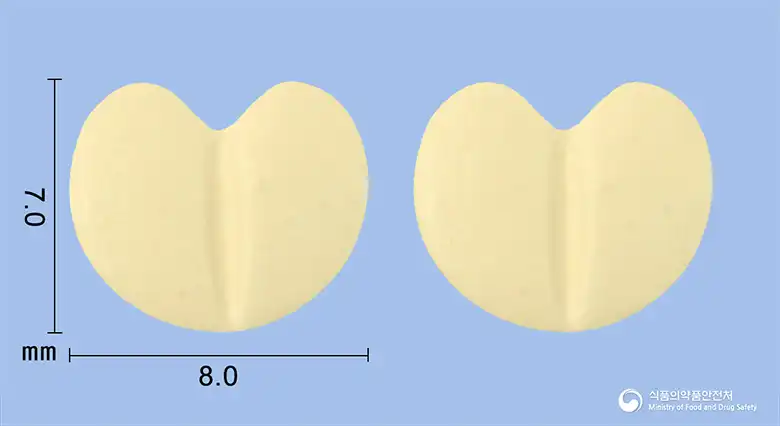
Bisoprolol Fumarate 5mg
Tablet · Prescription medication
Merck Co., Ltd.
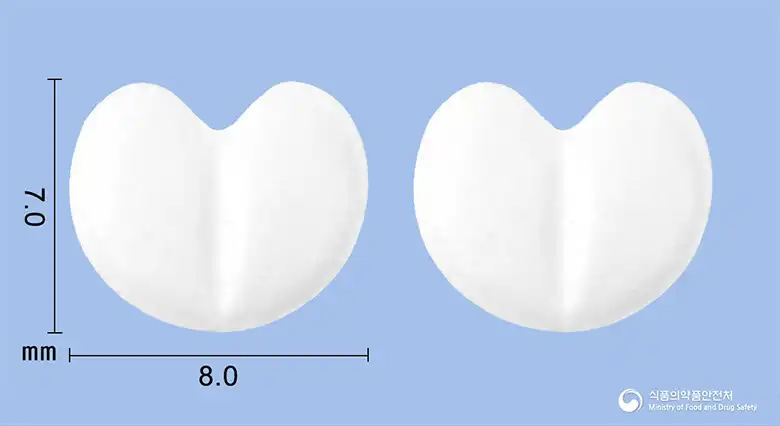
Bisoprolol Fumarate 2.5mg
Tablet · Prescription medication
Merck Co., Ltd.
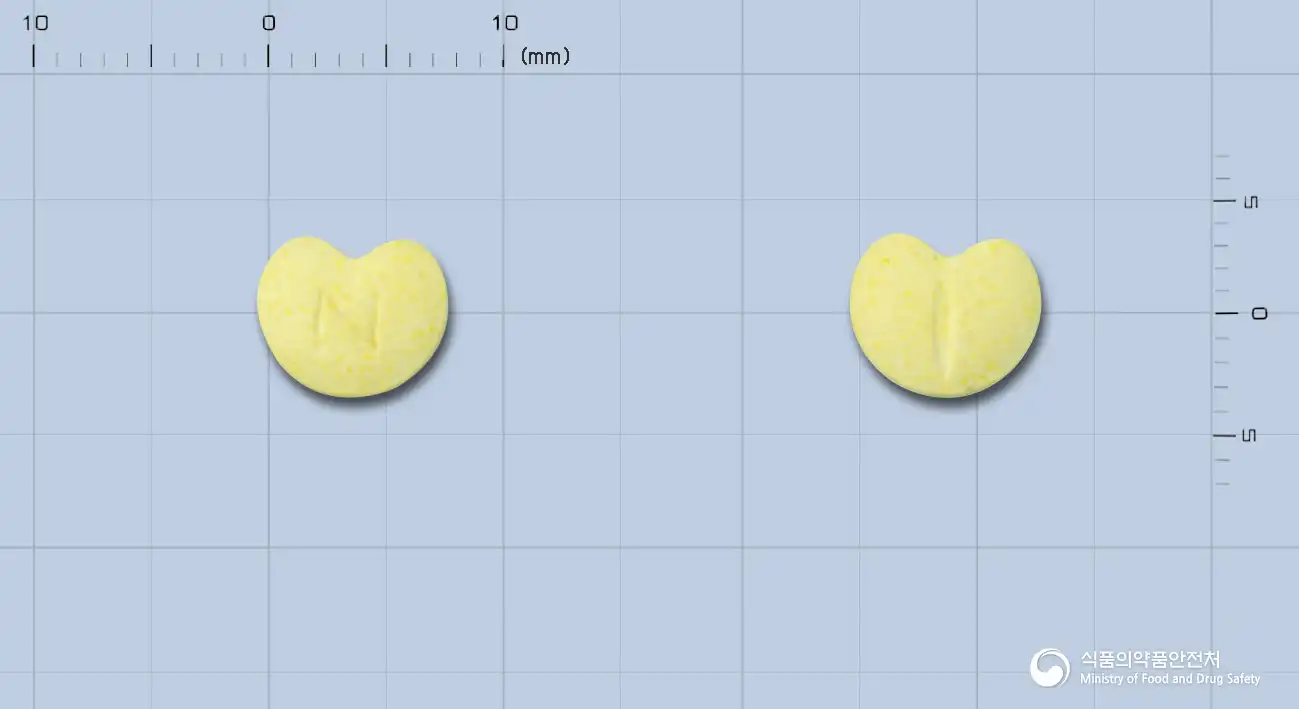
Bisoprolol Fumarate 5mg
Tablet · Prescription medication
Celix Co., Ltd.
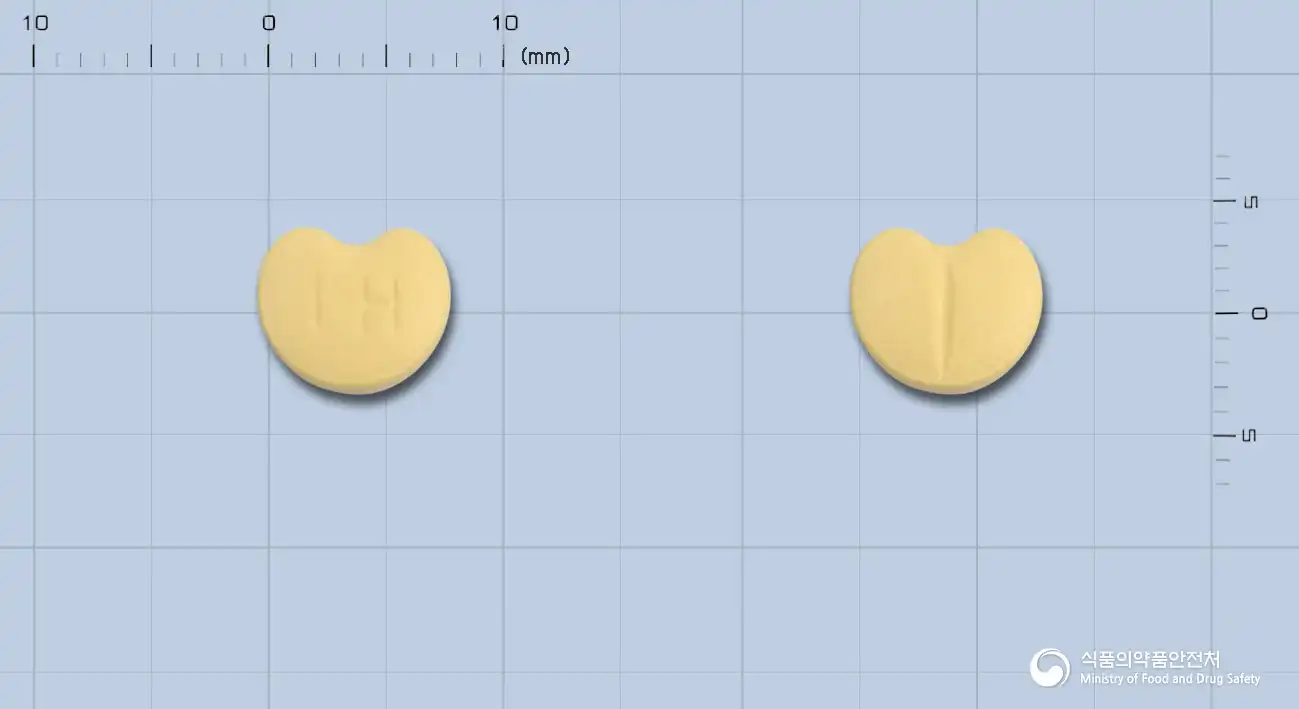
Bisoprolol Fumarate 5mg
Tablet · Prescription medication
Ilhwa Co., Ltd.
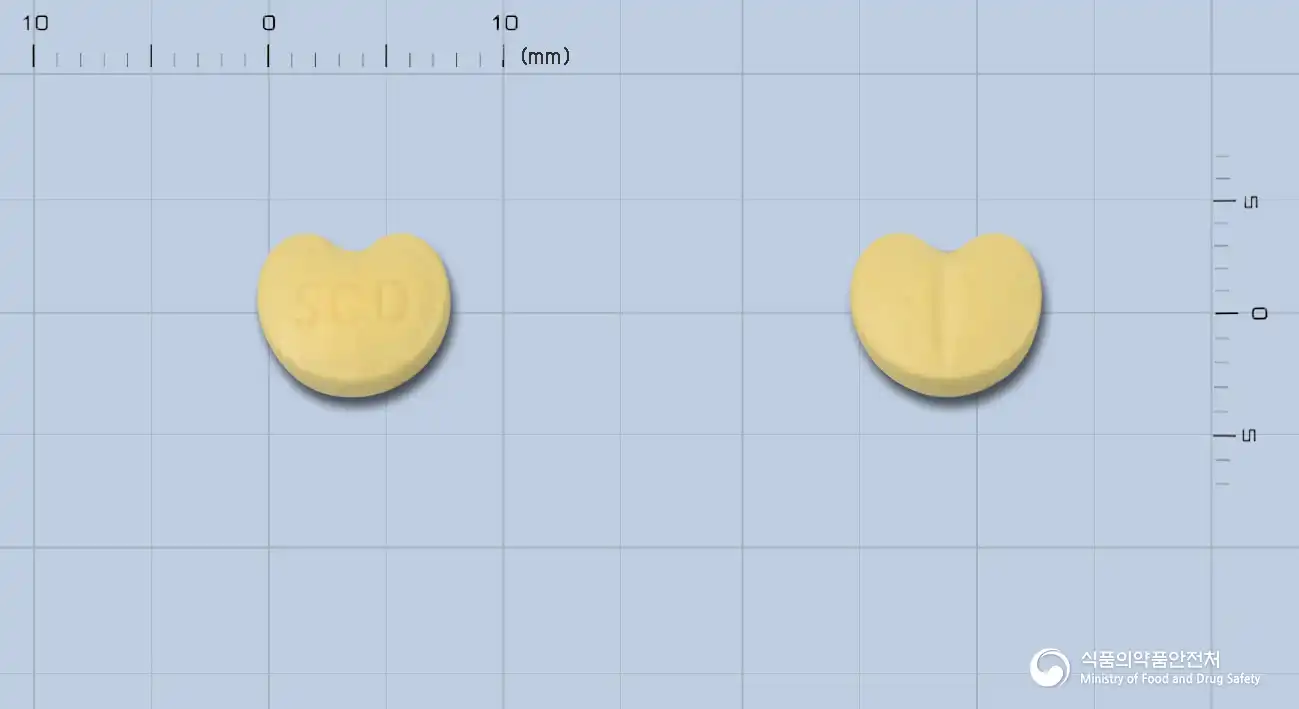
Bisoprolol Fumarate 5mg
Tablet · Prescription medication
Samchundang Pharmaceutical Co., Ltd.
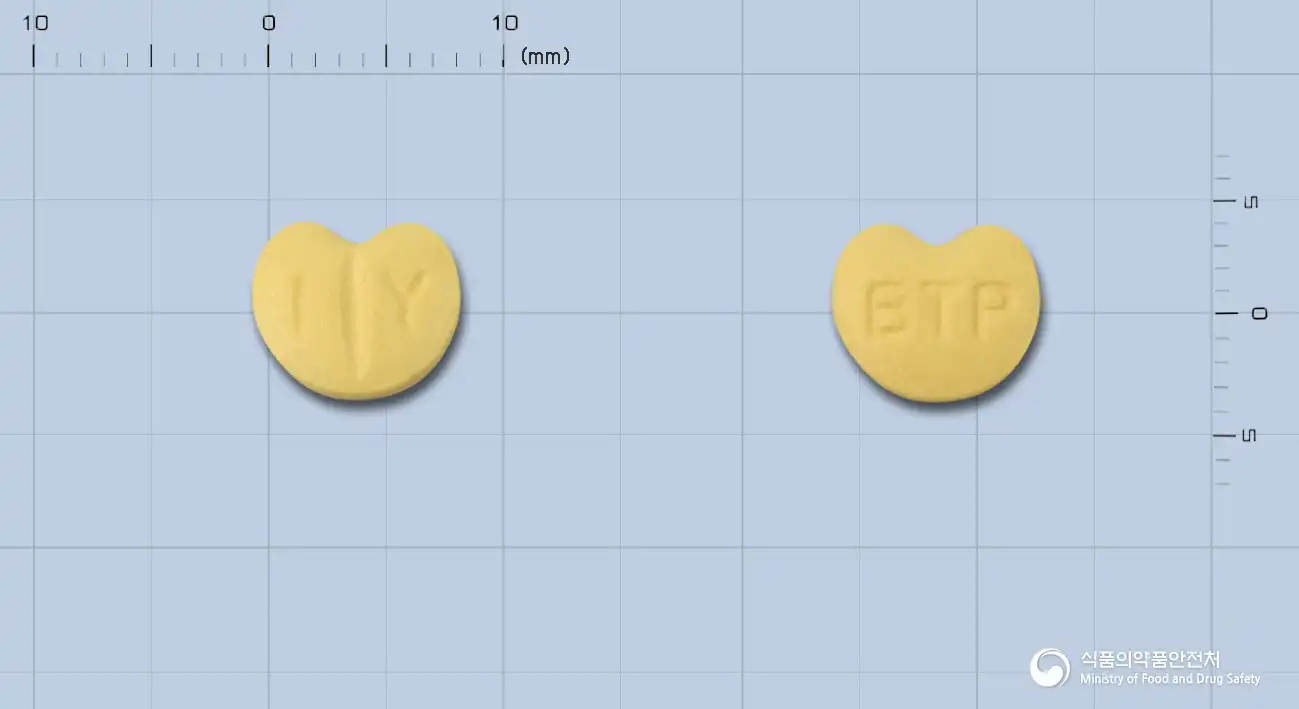
Bisoprolol Fumarate 5mg
Tablet · Prescription medication
Il Yang Pharmaceutical Co., Ltd.
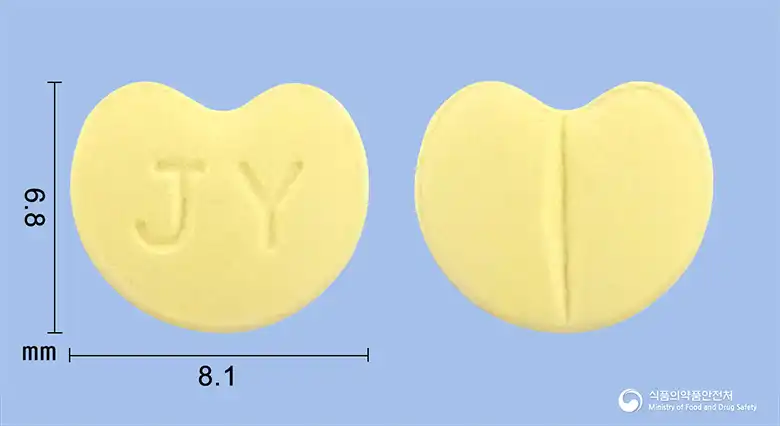
Bisoprolol Fumarate 5mg
Tablet · Prescription medication
Jinyang Pharmaceutical Co., Ltd.
Even with the same ingredient, the dose and directions can differ by strength and dosage form. Talk to a doctor or pharmacist before switching from a medication you are already taking.
No questions yet.
For anything that needs medical judgment, consult a doctor or pharmacist.
This drug information is based on data provided by the Korea Ministry of Food and Drug Safety.
Consult a doctor or pharmacist for accurate dosage, administration, and usage instructions.