
 한국어
 English
 日本語
 中文(简体)
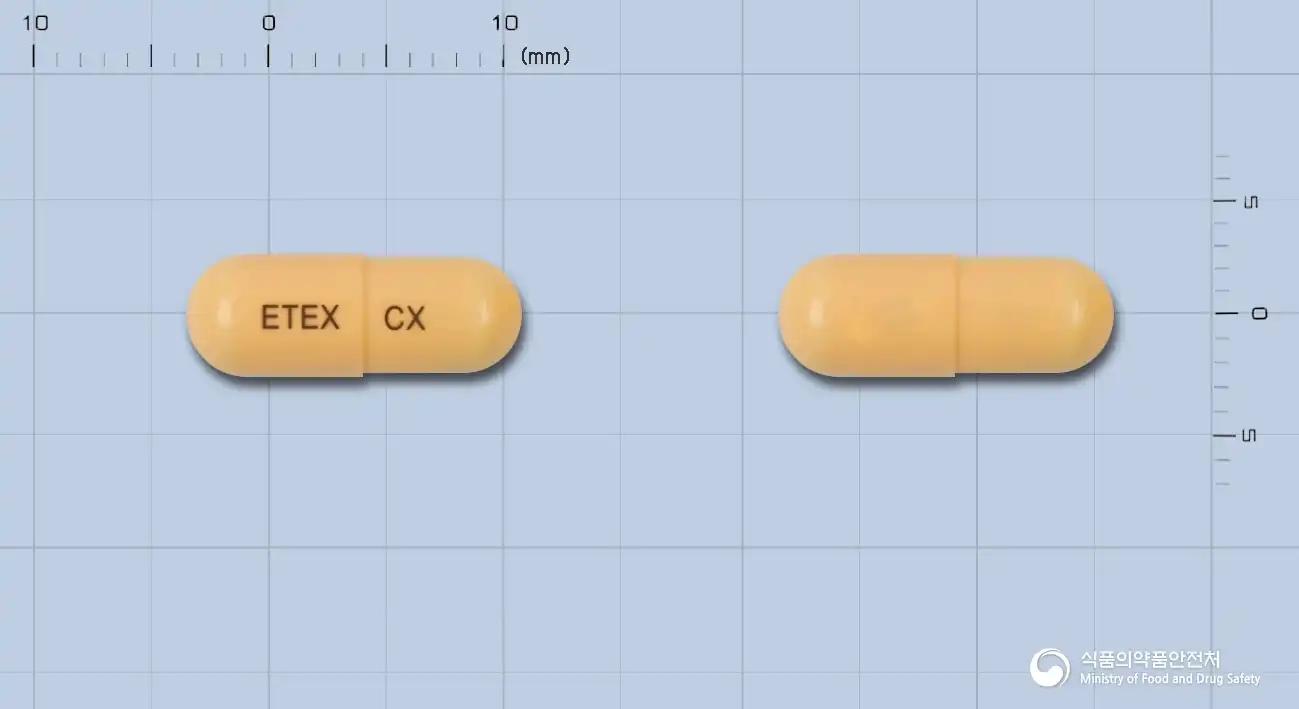 Viewing now
Itexsepicim Capsule
Cefixime Hydrate 100mg
Hard capsule · Prescription medication
Teragen Itex Co., Ltd.
MFDS item code 200402439 · Notified 2004.03.31 · Insurance code 698500980
Treatment of respiratory and ear, nose, and throat infections, urinary tract and biliary tract infections, and scarlet fever
This medication is effective against various types of bacteria and is primarily used to treat bronchitis, bronchiectasis, secondary infections in chronic respiratory diseases, and pneumonia. It is also effective against urinary tract infections, such as pyelonephritis, cystitis, and gonococcal urethritis. It is applicable for the treatment of various infections including cholecystitis, cholangitis, scarlet fever, otitis media, and sinusitis. It acts broadly against multiple pathogens, helping to improve and treat symptoms caused by infections. Therefore, this drug is widely used for infectious diseases.
(Capsules) Adults: Administer 50~100mg (potency) of cefixime orally twice daily. For severe cases or when the effect is insufficient, administer 200mg (potency) twice daily. Adjust the dose as appropriate according to age and symptoms.
(Capsules) Children weighing 30 Kg or more: Administer 50~100mg (potency) of cefixime orally twice daily. For severe cases or when the effect is insufficient, administer 200mg (potency) twice daily. (Powder) Children: Administer 1.5~3mg (potency) of cefixime per Kg of body weight orally twice daily. For severe cases or when the effect is insufficient, administer 6mg (potency) per Kg of body weight twice daily. Adjust the dose as appropriate according to age and symptoms.
This medication should not be administered to certain patients. In particular, patients who have previously experienced a severe allergic reaction or shock due to this medication, those with hypersensitivity to cephalosporin antibiotics, and patients with lactose intolerance or specific genetic metabolic disorders should not use it. Additionally, caution is required for patients with a history of hypersensitivity, severely impaired renal function, allergic constitution, elderly patients, and those who have difficulty taking medications orally, and dosage and administration intervals may need adjustment. This medication can rarely cause severe side effects, so if symptoms such as discomfort, respiratory distress, rash, severe diarrhea, skin rashes, liver dysfunction, or decreased kidney function appear during use, it is important to stop taking the medication immediately and consult healthcare professionals. Furthermore, this medication may affect the production of vitamin K, which can impact blood coagulation; hence, caution is necessary when used with anticoagulants such as warfarin. Pregnant or breastfeeding women should use this medication only if necessary, as its safety has not been established, and it is advisable to avoid breastfeeding during the treatment period. Safety has also not been established for neonates and infants under 6 months, so its use should be avoided. Regular monitoring of liver and kidney function through periodic tests should be conducted during the use of this medication, and any unusual symptoms should be reported to healthcare professionals immediately. Lastly, this drug contains specific dye components, so caution is also warranted for patients allergic to these components.
Not everyone experiences these, and they can vary from person to person.
Store this medication in a tightly sealed container to prevent air and moisture from entering. It is also recommended to keep the medication at room temperature, avoiding extremes of heat or cold, ideally between 1 to 30 degrees Celsius.
A hard capsule with a light orange upper and lower part filled with a white to light yellow crystalline powder.
30 capsules, 60 capsules
Even with the same ingredient, strength, dosage form and how it is taken can differ.
Viewing nowCefixime Hydrate 100mg
Hard capsule · Prescription medication
Teragen Itex Co., Ltd.
Cefixime Hydrate 50mg
Prescription medication
Dong-A ST Co., Ltd.
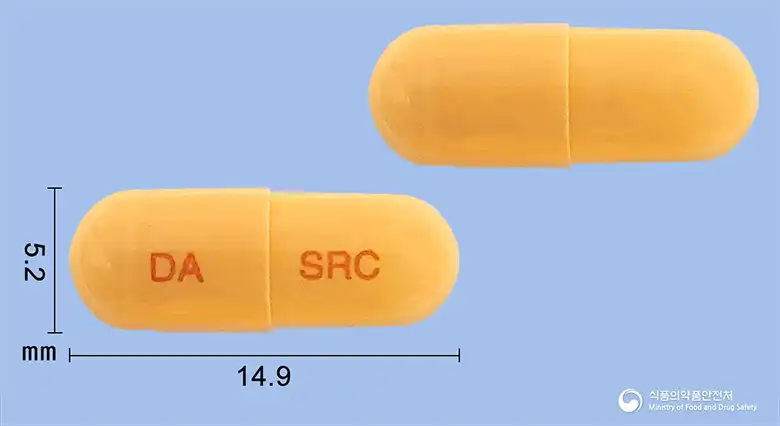
Cefixime Hydrate 100mg
Hard capsule · Prescription medication
Dong-A ST Co., Ltd.
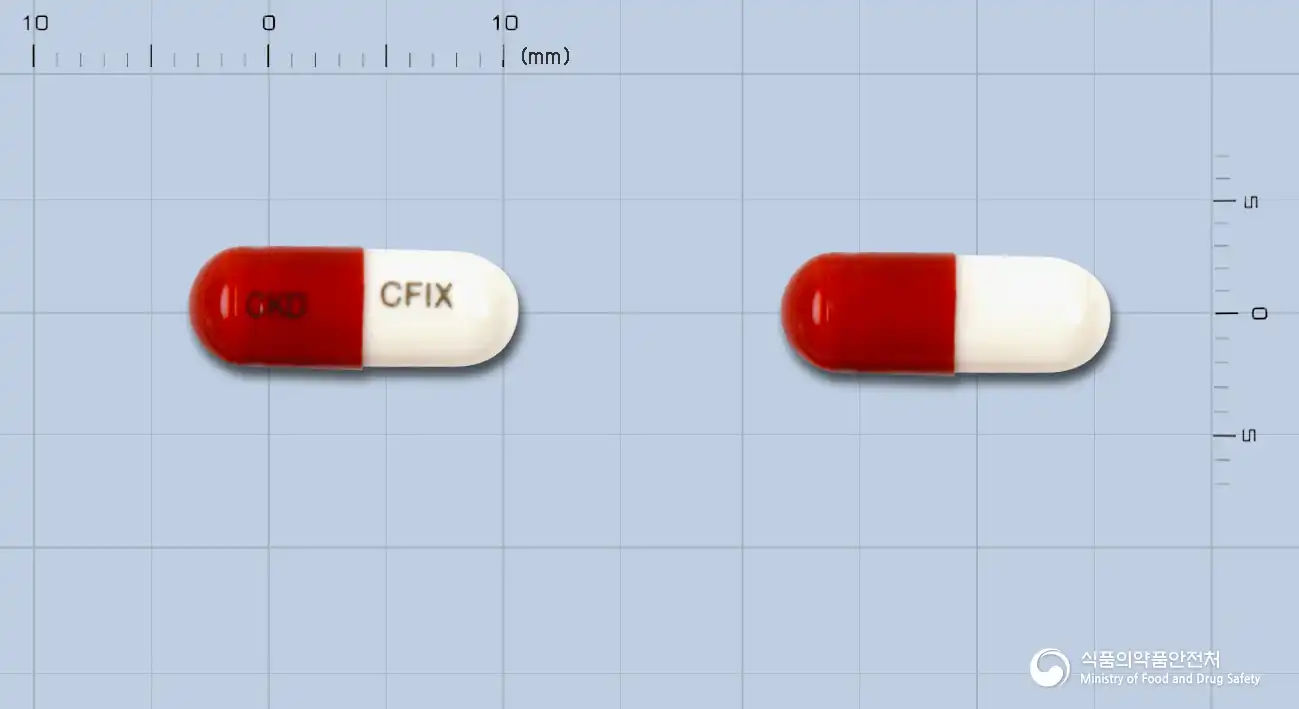
Cefixime Hydrate 100mg
Hard capsule · Prescription medication
Jongkundang Co., Ltd.
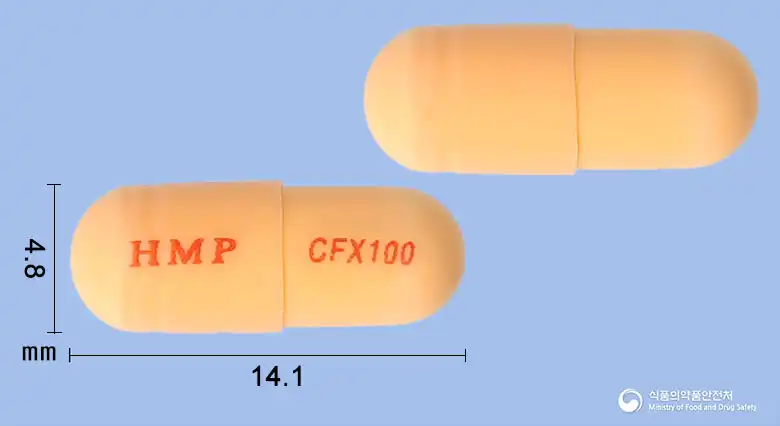
Cefixime Hydrate 100mg
Hard capsule · Prescription medication
Hanmi Pharmaceutical Co., Ltd.
Cefixime Hydrate 50mg
Prescription medication
Hanmi Pharmaceutical Co., Ltd.
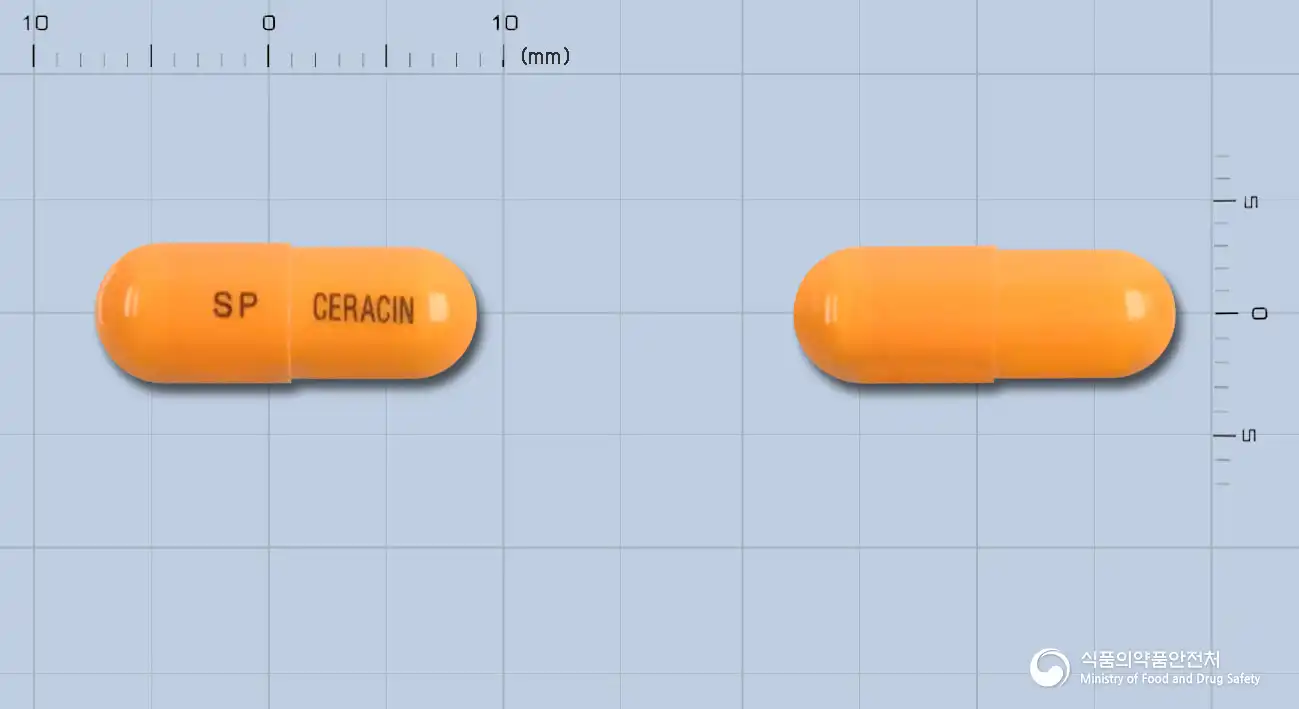
Cefixime Hydrate 100mg
Hard capsule · Prescription medication
Sinpoong Pharmaceutical Co., Ltd.
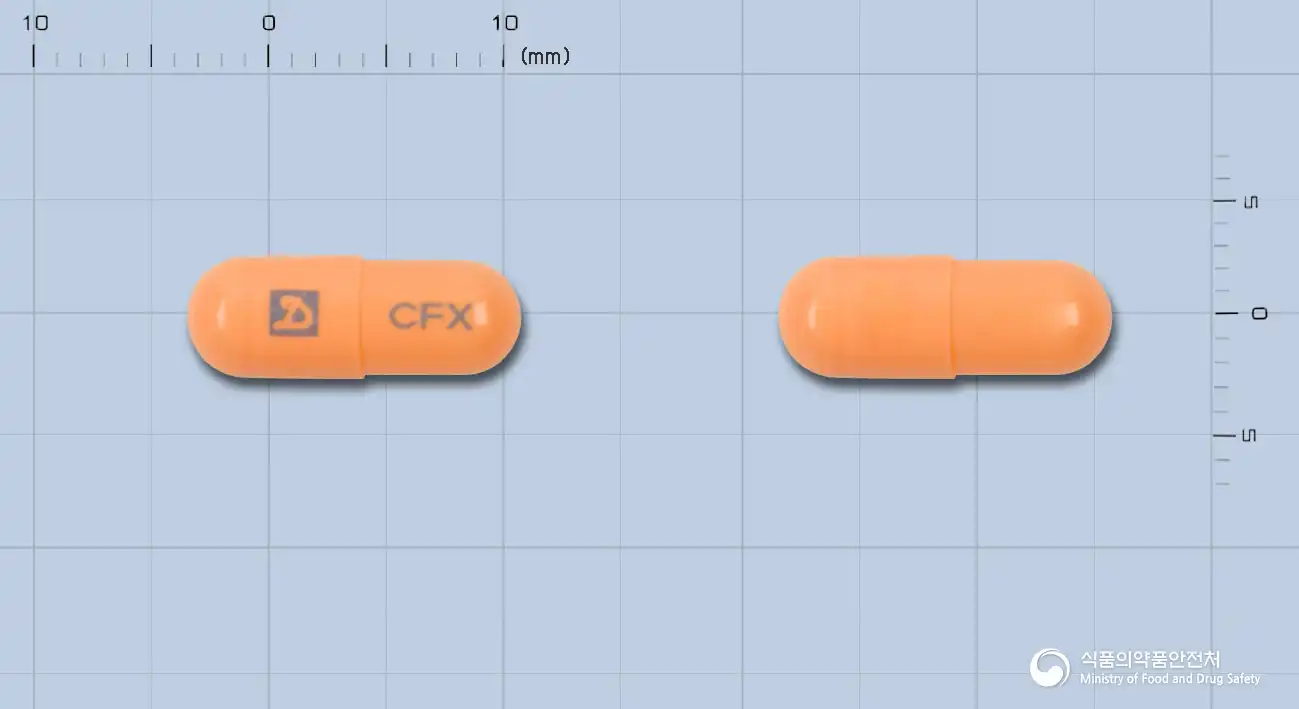
Cefixime Hydrate 100mg
Hard capsule · Prescription medication
Donggu Biopharmaceutical Co., Ltd.
Even with the same ingredient, the dose and directions can differ by strength and dosage form. Talk to a doctor or pharmacist before switching from a medication you are already taking.
No questions yet.
For anything that needs medical judgment, consult a doctor or pharmacist.
This drug information is based on data provided by the Korea Ministry of Food and Drug Safety.
Consult a doctor or pharmacist for accurate dosage, administration, and usage instructions.