
 한국어
 English
 日本語
 中文(简体)
 Viewing now
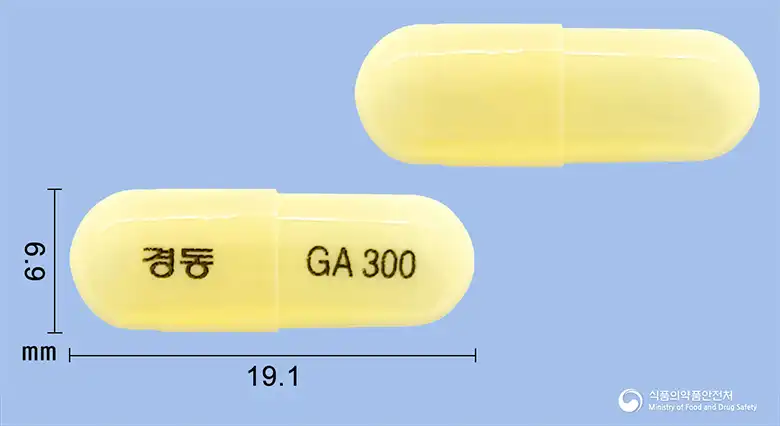
Gabapent Capsule (Gabapentin)
Gabapentin 300mg
Hard capsule · Prescription medication
Kyungdong Pharm. Co., Ltd.
MFDS item code 200402344 · Notified 2004.07.16 · Insurance code 648100010
Relieves neuropathic pain and treats epilepsy (partial seizures)
This medication is used for the treatment of epilepsy. It is indicated for the treatment of simple or complex partial seizures as monotherapy in adolescents and adults aged 13 years and older, and can be used as adjunct therapy in both children and adults. It is also effective in alleviating neuropathic pain. Therefore, this drug is used as a therapeutic agent to help control seizures and improve neuropathic pain.
1. Epilepsy 1) Monotherapy and adjunctive therapy in patients aged 13 years and older To achieve a maintenance dose of 900 mg/day of gabapentin, titrate the dose during the first 3 days of treatment as follows: - Day 1: Take one 300 mg capsule of this medicine once daily, or one 100 mg capsule of this medicine 3 times daily (gabapentin 300 mg/day) - Day 2: Take one 300 mg capsule of this medicine 2 times daily, or two 100 mg capsules of this medicine 3 times daily (gabapentin 600 mg/day) - From Day 3 onward: Take one 300 mg capsule of this medicine 3 times daily, or three 100 mg capsules of this medicine 3 times daily (gabapentin 900 mg/day) Alternatively, as a starting dose, one 300 mg capsule of this medicine may be taken 3 times daily (gabapentin 900 mg/day). The dose may be increased to 1,200 mg/day of gabapentin; the total daily dose must not exceed 2,400 mg of gabapentin. (There are insufficient data on the safety and efficacy of doses exceeding 2,400 mg/day of gabapentin.) 2. Neuropathic pain Adults (18 years and older): To achieve a maintenance dose of 900 mg/day of gabapentin, titrate the dose during the first 3 days of treatment as follows: - Day 1: Take one 300 mg capsule of this medicine once daily, or one 100 mg capsule of this medicine 3 times daily (gabapentin 300 mg/day) - Day 2: Take one 300 mg capsule of this medicine 2 times daily, or two 100 mg capsules of this medicine 3 times daily (gabapentin 600 mg/day) - From Day 3 onward: Take one 300 mg capsule of this medicine 3 times daily, or three 100 mg capsules of this medicine 3 times daily (gabapentin 900 mg/day) Alternatively, as a starting dose, one 300 mg capsule of this medicine may be taken 3 times daily (gabapentin 900 mg/day). If needed, the dose may be increased to 1,800 mg/day of gabapentin within one week; the total daily dose must not exceed 3,600 mg of gabapentin. The total daily dose of this medicine must be divided into 3 doses. 3. Frail patients: In frail patients with low body weight or patients after transplant surgery, the gabapentin dose should be increased in 100 mg increments. 4. Elderly patients: Dose adjustment may be necessary due to age-related decline in renal function (see table). 5. Patients with renal impairment (creatinine clearance ≤80 mL/min) or patients receiving hemodialysis: Dose adjustment is required based on the following table. 1) Dosage for patients with renal impairment: Renal function: creatinine clearance (mL/min) Total daily dosea (mg/day) ≥80 900∼2,400 50∼79 600∼1,800 30∼49 300∼900 15∼29 150b∼600 <15 150b∼300 a: The total daily dose should be divided into 3 doses. b: Administer 3 × 100 mg every 2 days. In patients with creatinine clearance below 15 mL/min, the dose should be reduced in proportion to creatinine clearance. 2) Dosage for patients on hemodialysis Initial dose: 300∼400 mg of gabapentin is recommended. Maintenance dose: Administer 200∼300 mg of gabapentin after 4 hours of hemodialysis; do not administer this medicine on days when hemodialysis is not performed. 6. Method and duration of administration 1) This medicine should be swallowed whole with plenty of fluids and may be taken with or without food. When administered 3 times daily, care should be taken to ensure that the interval between doses does not exceed 12 hours, to prevent recurrence of seizures. 2) If a dose of this medicine is missed (when more than 12 hours have elapsed since the last dose), the physician should decide whether an additional dose should be taken to make up for it. 3) When used concomitantly with antacids containing magnesium or aluminum, this medicine should be taken at least 2 hours after the antacid. This can significantly reduce the decrease in the bioavailability of this medicine. 4) The duration of treatment with this medicine should be determined according to clinical need. Long-term treatment is generally required for epilepsy. Although there is no evidence of a rebound phenomenon (increased frequency of epileptic seizures due to abrupt discontinuation of treatment), abrupt discontinuation of antiepileptic drugs in patients with epilepsy may cause status epilepticus. If treatment with this medicine is to be discontinued, or if it is to be used concomitantly with another antiepileptic drug, the change should be made gradually over at least 1 week. 5) The safety and efficacy of treatment for neuropathic pain for longer than 5 months have not been evaluated. 6) To reduce the main adverse effects, such as somnolence, dizziness, fatigue, and ataxia, the first dose on the first day of treatment should be taken at bedtime.
2) Adjunctive therapy in children aged 3 to 12 years - Day 1: Administer gabapentin 10 mg/body weight (kg) 2) Adjunctive therapy in children aged 3 to 12 years - Day 2: Administer gabapentin 20 mg/body weight (kg) 2) Adjunctive therapy in children aged 3 to 12 years - From Day 3 onward: Administer gabapentin 30 mg/body weight (kg) Adjunctive therapy in children aged 3 to 12 years: The dose may be increased, as needed, up to a maximum of 40 mg per kg of body weight per day. The total daily dose of this medicine should be administered in 3 divided doses.
This drug may increase the risk of suicidal thoughts or behaviors, thus if you experience mood changes or symptoms of depression during treatment, notify your healthcare provider immediately. Abruptly stopping the medication can lead to more frequent seizures or status epilepticus, so the dosage should be gradually decreased according to your doctor's instructions. While animal studies have reported some potential for cancer development, the effects on humans are still unclear. There have been reports of sudden and unexpected deaths during treatment, which may be related to the risks of epilepsy itself. If you experience symptoms of pancreatitis such as persistent upper abdominal pain, nausea, or recurrent vomiting, stop taking the medication immediately and seek medical attention. Particularly in children aged over 3 and under 12, watch for signs of emotional instability, aggression, decreased concentration, and hyperactivity, which may indicate neuropsychiatric adverse reactions. Taking this drug with narcotics or other central nervous system depressants can cause severe drowsiness, respiratory depression, or coma, so it should only be taken after consulting a physician. Patients with known allergic reactions to this medication, acute pancreatitis, certain types of seizures, or lactose intolerance should not take this medication. Patients with reduced kidney function, the elderly, individuals with a history of psychiatric illness, women who are pregnant or planning to become pregnant, and nursing mothers should consult their doctor before taking this medication. During treatment, dizziness, drowsiness, and decreased concentration may occur, so caution is advised when driving or operating machinery. This drug may cause side effects such as weight gain, vision disturbances, and skin rashes, so regular monitoring of health status is necessary. Abruptly discontinuing the medication can lead to withdrawal symptoms such as anxiety, insomnia, headaches, and tremors, so it should be gradually tapered under a physician's guidance. During pregnancy, it may affect the fetus, so women of childbearing potential should use effective birth control and inform their doctor if they become pregnant during treatment. If you are nursing, this medication may be secreted into breast milk, so you should consult with healthcare professionals about whether to breastfeed while taking it. This medication should be stored out of the reach of children and kept in its original container to prevent misuse or deterioration of quality.
Suicidal thoughts, suicidal behavior, depression, abnormal mood and behavior changes, hemorrhagic pancreatitis, emotional instability, hostility, abnormal thinking, hyperactivity, weakness, lethargy, facial swelling, hypertension, constipation, dental abnormalities, diarrhea, indigestion, increased appetite, thirst, nausea, vomiting, leukopenia, peripheral edema, weight gain, fractures, myalgia, amnesia, ataxia, confusion, impaired cooperation, dizziness, dysarthria, insomnia, neurogenic reactions, nystagmus, drowsiness, tremors, single contraction, cough, pharyngitis, rhinitis, erosion, acne, itching, rash, amblyopia, diplopia, erectile dysfunction, asthenia, lethargy, facial swelling, allergy, generalized edema, weight loss, chills, feelings of unfamiliarity, fatigue, alcohol intolerance, hangover effects, hypotension, angina, peripheral vascular disorders, palpitations, tachycardia, migraine, noise, atrial fibrillation, heart failure, thrombophlebitis, deep vein thrombosis, myocardial infarction, cerebrovascular accident, pulmonary thrombosis, ventricular ectopy, bradycardia, immature atrial contraction, pericardial friction, heart block, pulmonary embolism, hyperlipidemia, hypercholesterolemia, pericardial effusion, pericarditis, decreased appetite, abdominal distension, gingivitis, glossitis, gum bleeding, thirst, stomatitis, increased salivation, gastroenteritis, hemorrhoids, hematochezia, fecal incontinence, hepatomegaly, dysphagia, belching, pancreatitis, gastric ulcer, colitis, oral vesicles, dental discoloration, angular cheilitis, sialoadenitis, labial bleeding, esophagitis, hiatal hernia, hematemesis, proctitis, irritable bowel syndrome, rectal bleeding, esophageal spasm, hyperthyroidism, hypothyroidism, thyroid enlargement, hypoestrogenism, ovarian failure, epididymitis, testicular swelling, Cushing's syndrome, trauma-induced purpura, anemia, lymphadenopathy, thrombocytopenia, leukocytosis, lymphocytosis, non-Hodgkin lymphoma, increased bleeding time, arthralgia, tendinitis, arthritis, joint stiffness, joint swelling, benign Romberg test, costochondritis, osteoporosis, diverticulitis, contracture, dizziness, hyperactivity, sensory abnormalities, decreased or lost reflexes, increased reflexes, anxiety, hostility, CNS tumors, syncope, dream abnormalities, aphasia, sensory loss, intracranial hemorrhage, hypotonia, dysesthesia, incomplete paralysis, dystonia, hemiplegia, facial paralysis, confusion, cerebellar dysfunction, benign Babinski sign, positional sense reduction, subdural hematoma, apathy, hallucinations, decreased or lost libido, restlessness, paranoia, depersonalization, dysphoria, hypersensitivity, psychotic states, suicidal thoughts, mental disorders, chorea, athetosis, perioral movement disorder, brain disease, nerve paralysis, personality disorders, increased libido, organic inhibition, apraxia, fine motor control disorders, meningitis, local focal seizures, hypersensitivity, reduced motor function, mania, neurosis, hysteria, antisocial responses, suicidal behavior, pneumonia, nosebleeds, dyspnea, apnea, mucositis, aspiration pneumonia, hyperventilation, hiccups, laryngitis, nasal congestion, nasal obstruction, bronchospasm, hypopnea, pulmonary edema, hair loss, eczema, skin dryness, increased sweating, urticaria, hirsutism, seborrhea, cysts, herpes simplex, shingles, skin discoloration, skin papules, photosensitivity, leg ulcers, seborrheic dermatitis, psoriasis, epidermal peeling, maceration, skin nodules, subcutaneous nodules, acanthosis, skin necrosis, localized swelling, hematuria, urination disorders, frequent urination, cystitis, urinary retention, urinary incontinence, vaginal bleeding, amenorrhea, menstrual disorders, menorrhagia, breast cancer, anovulation, ejaculation disorders, renal pain, leukorrhea, genital itching, kidney stones, acute renal failure, anuria, diabetes, nephritis, nocturnal enuresis, pyuria, urgency, dyspareunia, mastalgia, testicular pain, visual disturbances, cataracts, conjunctivitis, dry eyes, ocular pain, photophobia, bilateral or unilateral ptosis, ocular hemorrhage, chalazion, hearing loss, ear pain, tinnitus, inner ear inflammation, ear inflammation, taste loss, taste abnormalities, eye twitching, retinal detachment, eye itching, accommodation disturbances, tympanic membrane perforation, noise sensitivity, ocular fixation abnormalities, overflow tears, retinopathy, glaucoma, iritis, corneal disorders, tear function dysfunction, ocular degeneration, blindness, retinal atrophy, miosis, choroidal retinitis, strabismus, Eustachian tube dysfunction, inner ear inflammation, external ear inflammation, olfactory abnormalities, urinary tract infection, urination disorders, erectile dysfunction, urinary incontinence, vaginal atresia, mastalgia, menstrual disorders, polyuria, urinary retention, cystitis, ejaculation disorders, penile swelling, gynecomastia, nocturnal enuresis, pyelonephritis, scrotal swelling, frequent urination, urgency, urinary abnormalities, tongue paralysis, withdrawal symptoms (anxiety, insomnia, nausea, pain, sweating, trembling, headaches, depression, abnormal sensations, lethargy)
Not everyone experiences these, and they can vary from person to person.
This medication should be stored in a tightly closed container to prevent exposure to air and moisture. Additionally, it is essential to store it at room temperature between 1 and 30 degrees Celsius to maintain its efficacy.
Hard capsules with a light yellow color containing a white or grayish powder
For domestic use: 30 capsules/bottle, 100 capsules/bottle; for export: 36 capsules (12 capsules/PTPX3)
Even with the same ingredient, strength, dosage form and how it is taken can differ.
Viewing nowGabapentin 300mg
Hard capsule · Prescription medication
Kyungdong Pharm. Co., Ltd.
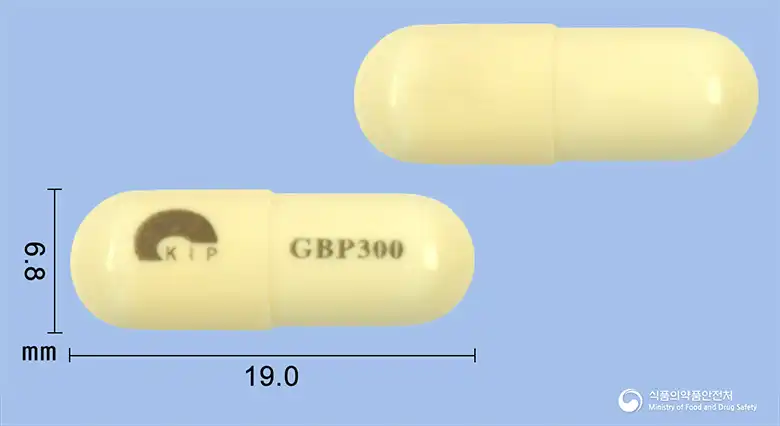
Gabapentin 300mg
Hard capsule · Prescription medication
Kunil Pharmaceutical Co., Ltd.
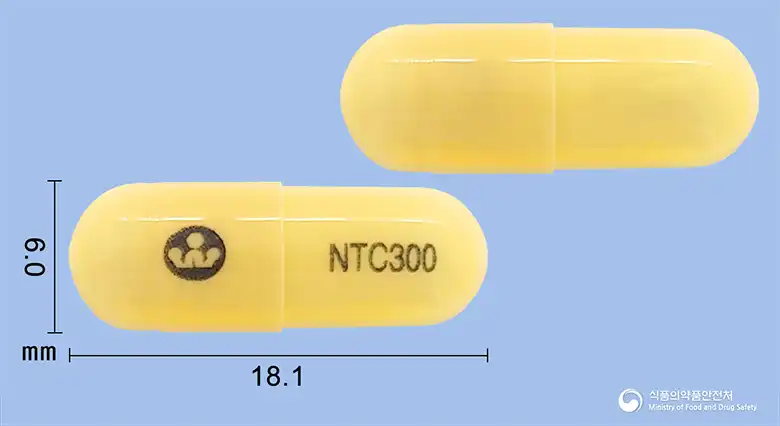
Gabapentin 300mg
Hard capsule · Prescription medication
Hanwin Pharmaceutical Co., Ltd.
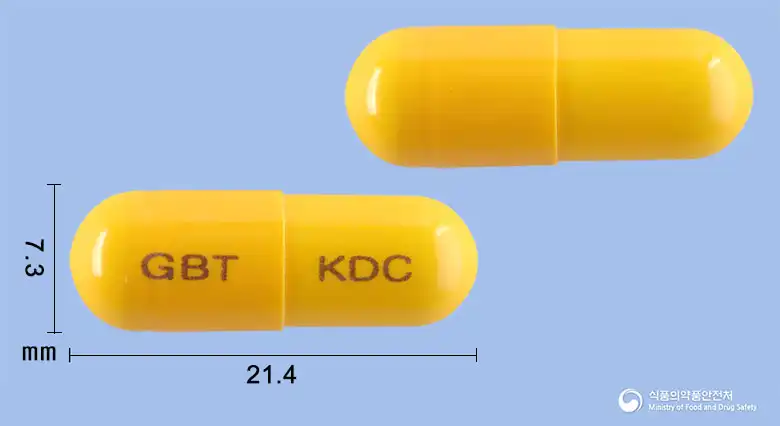
Gabapentin 400mg
Hard capsule · Prescription medication
Korea Pharmaceutical Co., Ltd.
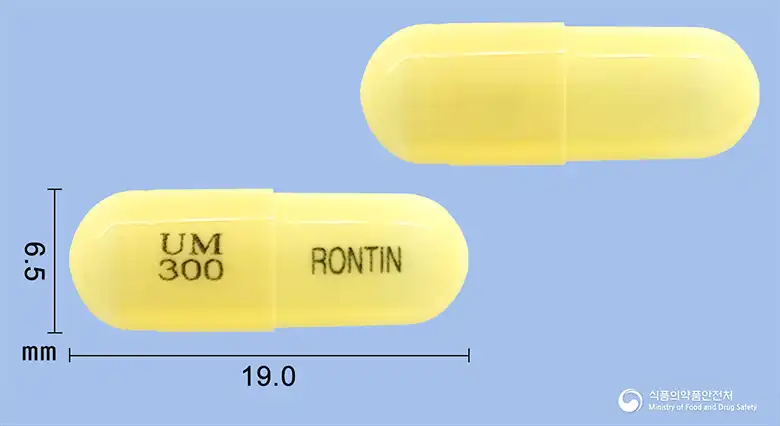
Gabapentin 300mg
Hard capsule · Prescription medication
Unimed Pharmaceuticals Co., Ltd.
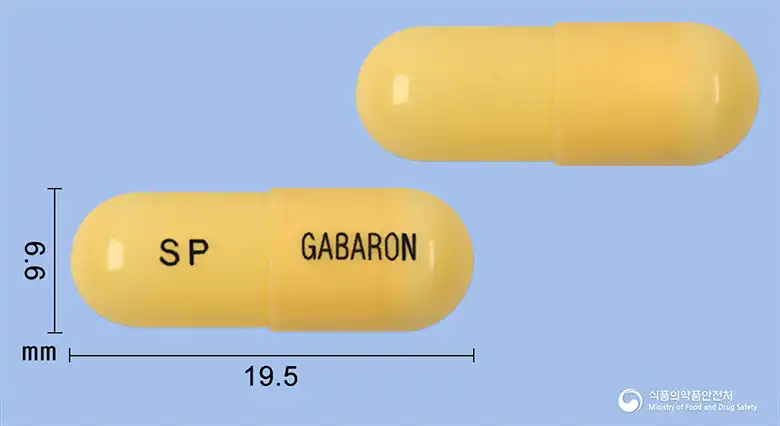
Gabapentin 300mg
Hard capsule · Prescription medication
Shinpoong Pharmaceutical Co., Ltd.
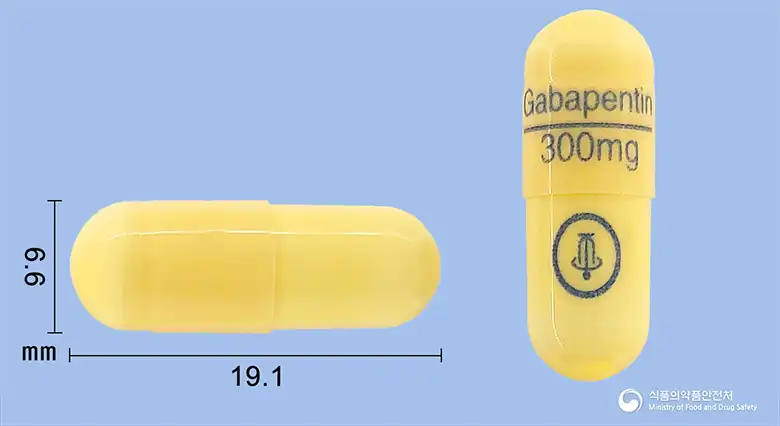
Gabapentin 300mg
Hard capsule · Prescription medication
Kwangdong Pharmaceutical Co., Ltd.
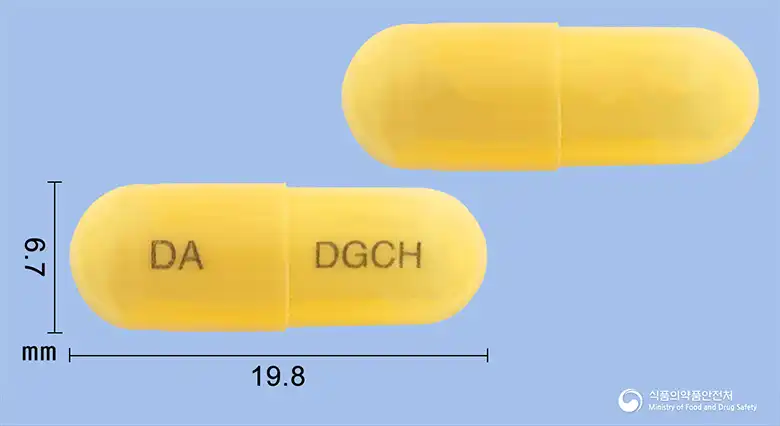
Gabapentin 300mg
Hard capsule · Prescription medication
Dong-A ST Co., Ltd.
Even with the same ingredient, the dose and directions can differ by strength and dosage form. Talk to a doctor or pharmacist before switching from a medication you are already taking.
No questions yet.
For anything that needs medical judgment, consult a doctor or pharmacist.
This drug information is based on data provided by the Korea Ministry of Food and Drug Safety.
Consult a doctor or pharmacist for accurate dosage, administration, and usage instructions.