
 한국어
한국어 English
 日本語
日本語 中文(简体)
 Viewing now
Bisoprolol Tablets (Bisoprolol Fumarate)
Bisoprolol Fumarate 5mg
Tablet · Prescription medication
Jinyang Pharmaceutical Co., Ltd.
MFDS item code 200401383 · Notified 2004.09.09 · Insurance code 650300700
Improvement of hypertension and angina, treatment of stable chronic heart failure with reduced left ventricular systolic function.
This medication is used to treat hypertension and angina. It is also effective for treating stable chronic heart failure with reduced left ventricular systolic function, often used in combination with ACE inhibitors and diuretics as needed to enhance efficacy. Therefore, it serves as a medication that aids in blood pressure control and improvement of heart function.
Take without chewing with liquid either in the morning on an empty stomach or at breakfast. Hypertension, angina: Administer 5-10 mg as bisoprolol fumarate, orally once daily. In mild cases, 5 mg is sufficient; in severe cases, 10 mg may be administered, with a maximum of 20 mg daily in special cases. For patients with liver or kidney impairment: Patients with severe liver impairment and renal impairment (creatinine clearance < 20 ml/min) should not exceed 10 mg per day in total.
Due to the lack of experience in pediatric use, administration is not recommended.
This medication has not been used in patients with certain diseases or conditions among heart failure patients, so caution is needed. In particular, patients with type 1 insulin-dependent diabetes, severe renal or hepatic impairment, restrictive cardiomyopathy, significant valvular heart disease, recent myocardial infarction, and congenital heart disease should use this medication carefully. Patients with bronchial asthma or chronic obstructive pulmonary disease should use it with a bronchodilator, and asthmatic patients may need additional treatment due to increased airway resistance. This medication may increase hypersensitivity reactions to allergens, and adrenergic treatment may not always be effective. In patients with psoriasis or a history of psoriasis, the risks and benefits of this medication should be carefully considered before administration. Patients with pheochromocytoma should receive an alpha-blocker before using this medication. Caution is required since symptoms of hyperthyroidism may be masked by this medication, and regular examinations are needed at the beginning of treatment. Stopping this medication suddenly may worsen heart conditions; thus, particularly in patients with ischemic heart disease, it should be tapered off gradually. It should not be used in patients with diabetic ketoacidosis, severe bradycardia, cardiogenic shock, right heart failure due to pulmonary hypertension, acute heart failure, severe hypotension, severe peripheral circulatory disorders, dysautonomia syndrome, pregnant women, and women of childbearing potential, as well as patients with severe asthma. Patients with bronchial asthma, congestive heart failure, difficult-to-control diabetes, severe liver and kidney dysfunction, concurrent anesthesia, and those undergoing desensitization therapy should be given this medication cautiously. During treatment with this medication, various side effects such as bradycardia, decreased blood pressure, worsening heart failure, dizziness, headache, gastrointestinal symptoms, weakness, and fatigue may occur, so consultation with healthcare personnel is advised if symptoms arise. Long-term administration requires regular testing of heart function and liver and kidney function; dosage adjustments may be needed, especially if bradycardia or hypotension occurs. Due to numerous interactions with other medications, it is essential to inform healthcare personnel of all medications being taken, especially with calcium channel blockers and centrally acting antihypertensives. Pregnant women or those who may become pregnant should avoid taking this medication and breastfeeding women should also avoid its use or stop breastfeeding. The safety of this medication in children has not been established, so its use is not recommended. In the elderly, treatment should start at a low dose with close monitoring of the condition. Caution is required when driving or operating machinery due to individual variability, and extra care should be taken at the beginning of treatment or when changing medications. In cases of overdose, severe bradycardia, hypotension, bronchospasm, and worsening heart failure may occur, necessitating immediate medical attention and appropriate treatment. This medication should be kept out of the reach of children and stored in its original container to prevent degradation in quality or misuse.
Bradycardia, worsening heart failure, hypotension, bronchospasm, acute exacerbation of heart failure, worsening heart condition due to sudden withdrawal, increased risk of myocardial infarction, 2nd or 3rd degree atrioventricular block without a pacemaker, cardiogenic shock, right heart failure due to pulmonary hypertension, severe hypotension, serious side effects due to bradycardia, severe allergic reactions, severe skin adverse reactions, serious neurological symptoms, severe edema and urination abnormalities, liver abnormalities
Not everyone experiences these, and they can vary from person to person.
This medication can be sensitive to air or moisture and should be stored in a tightly closed container. It is advisable to maintain a storage temperature between 1°C and 30°C. This will help to preserve the effectiveness and safety of the medication over time.
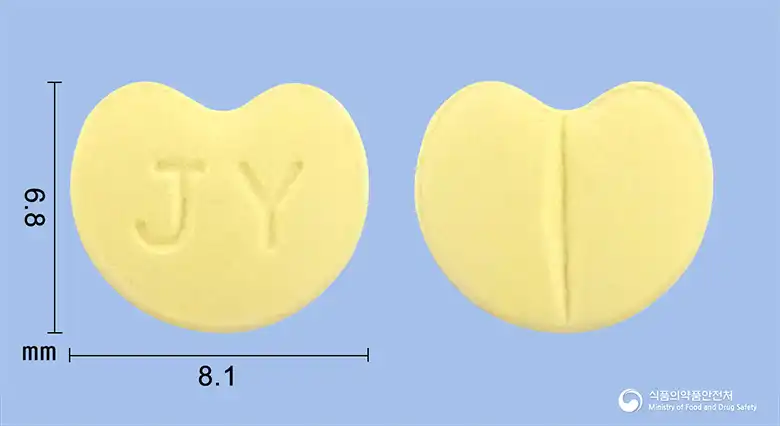
A light yellow film-coated tablet in a heart shape, convex on both sides with a score line on one side.
30 tablets/bottle, 200 tablets/bottle
Even with the same ingredient, strength, dosage form and how it is taken can differ.
Viewing nowBisoprolol Fumarate 5mg
Tablet · Prescription medication
Jinyang Pharmaceutical Co., Ltd.
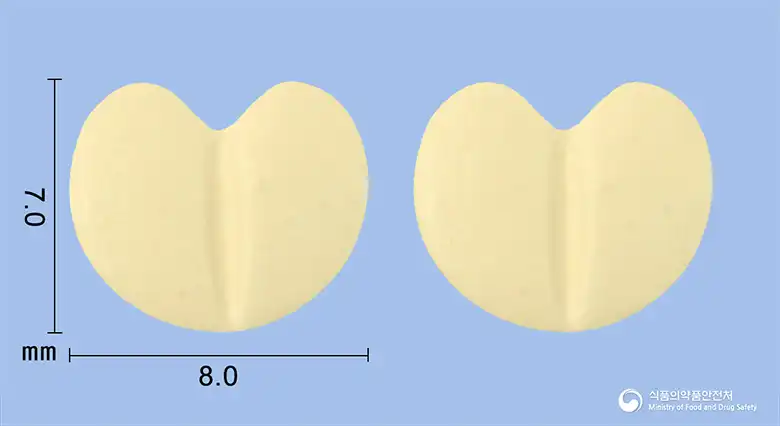
Bisoprolol Fumarate 5mg
Tablet · Prescription medication
Merck Co., Ltd.
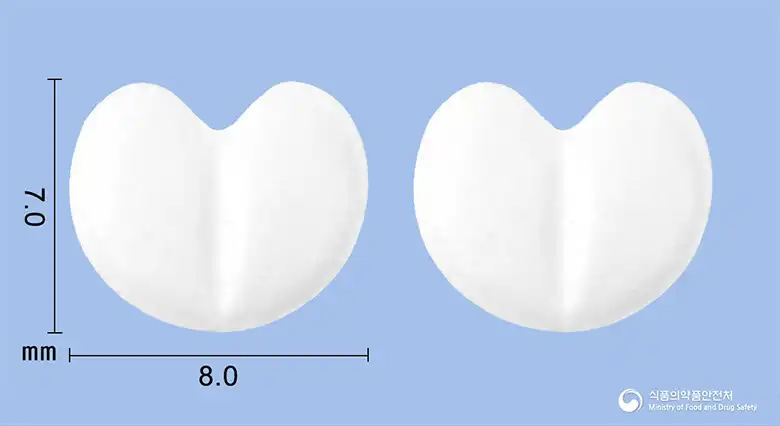
Bisoprolol Fumarate 2.5mg
Tablet · Prescription medication
Merck Co., Ltd.
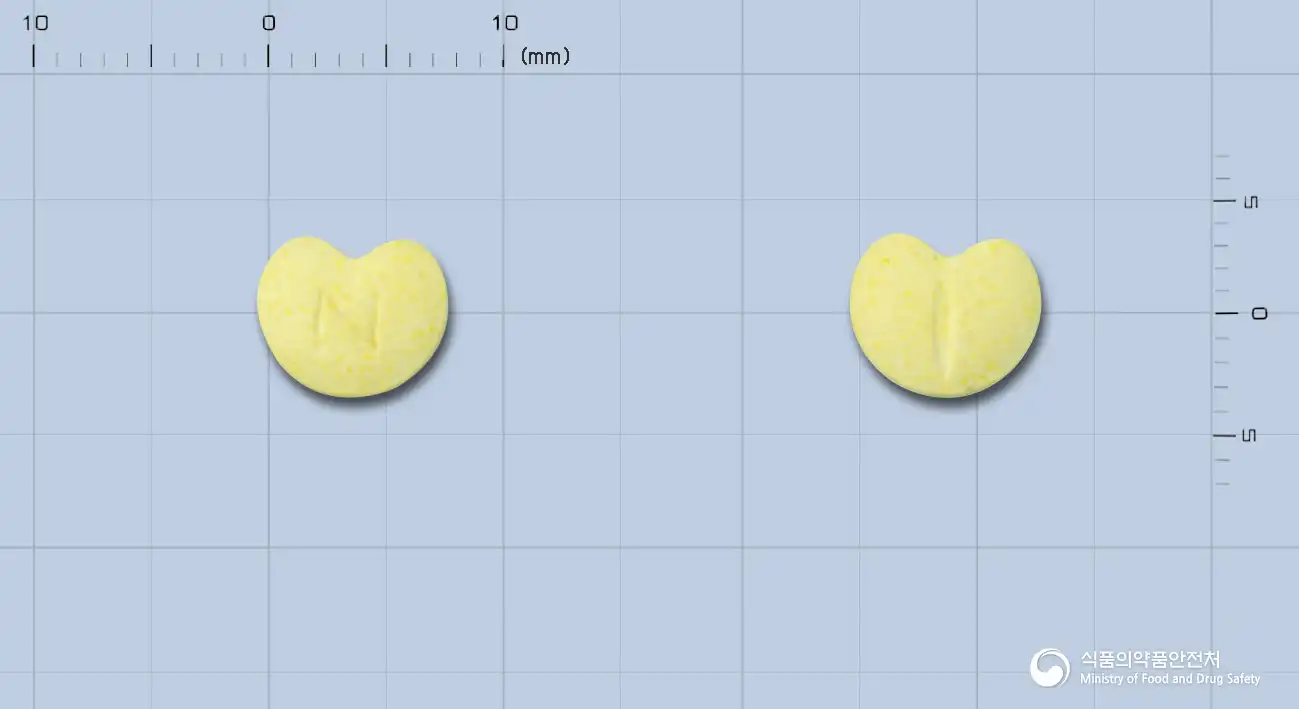
Bisoprolol Fumarate 5mg
Tablet · Prescription medication
Celix Co., Ltd.
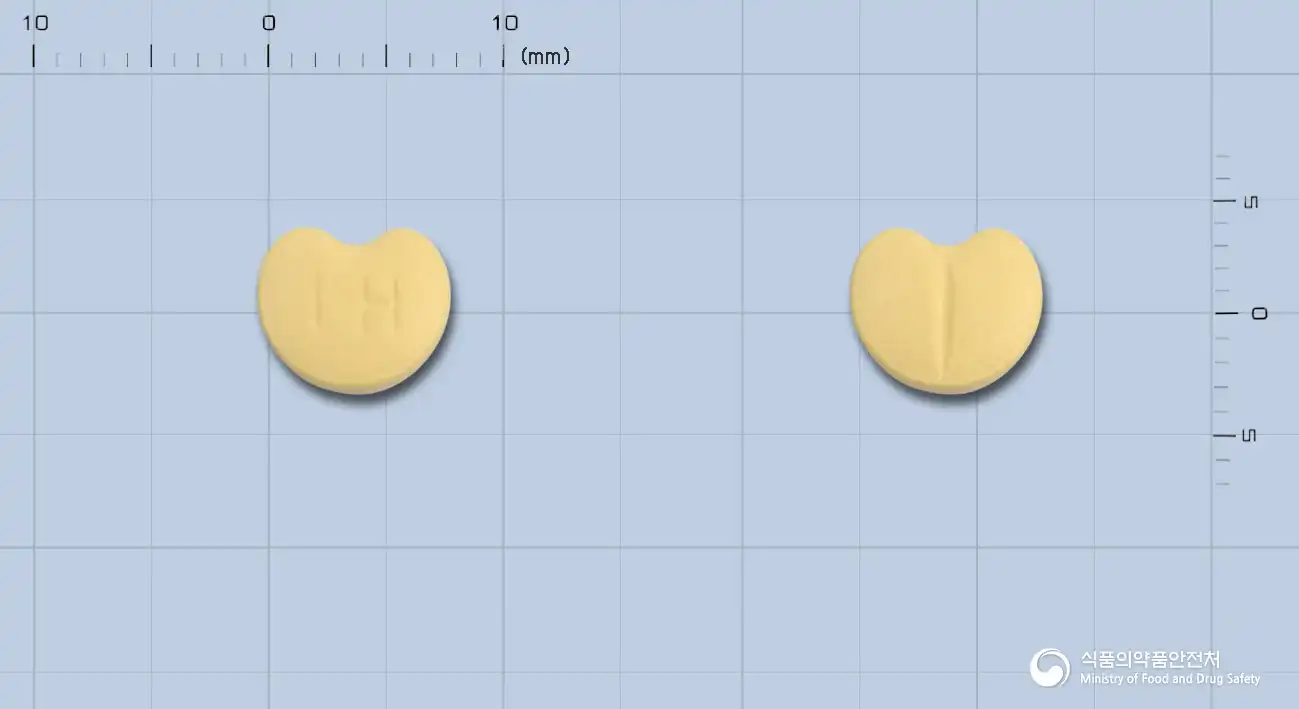
Bisoprolol Fumarate 5mg
Tablet · Prescription medication
Ilhwa Co., Ltd.
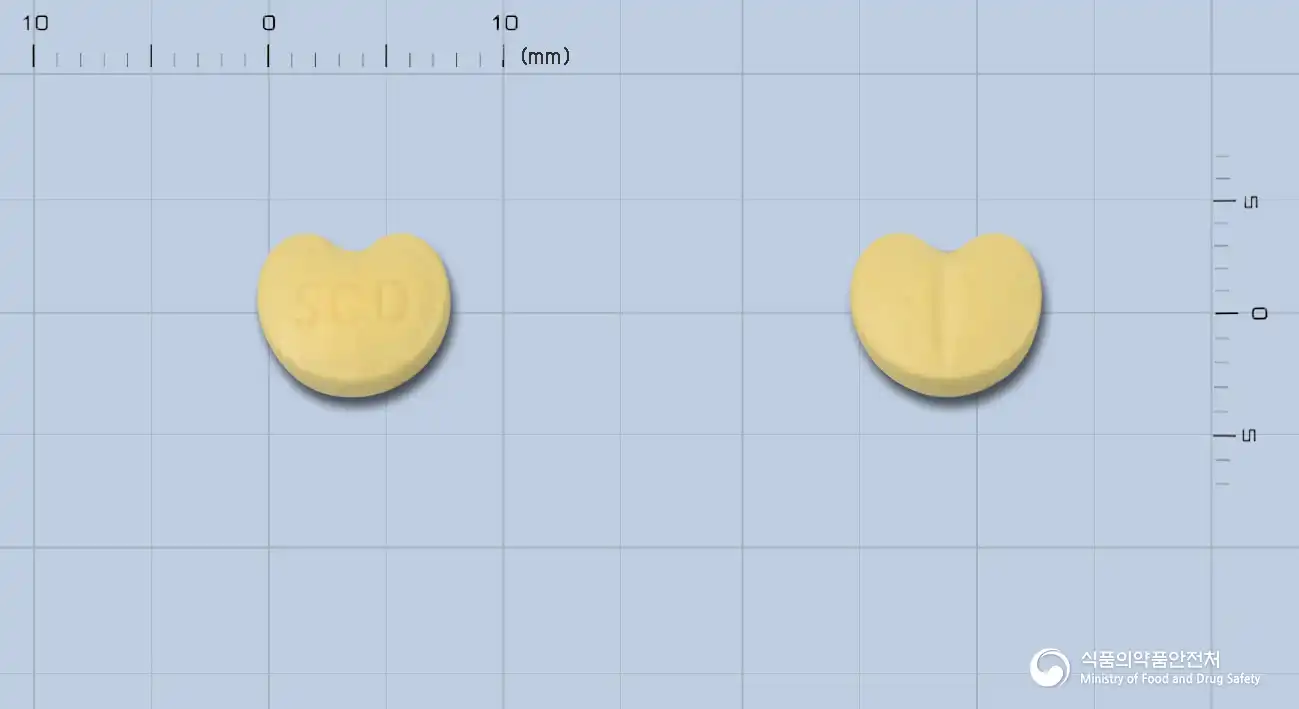
Bisoprolol Fumarate 5mg
Tablet · Prescription medication
Samchundang Pharmaceutical Co., Ltd.
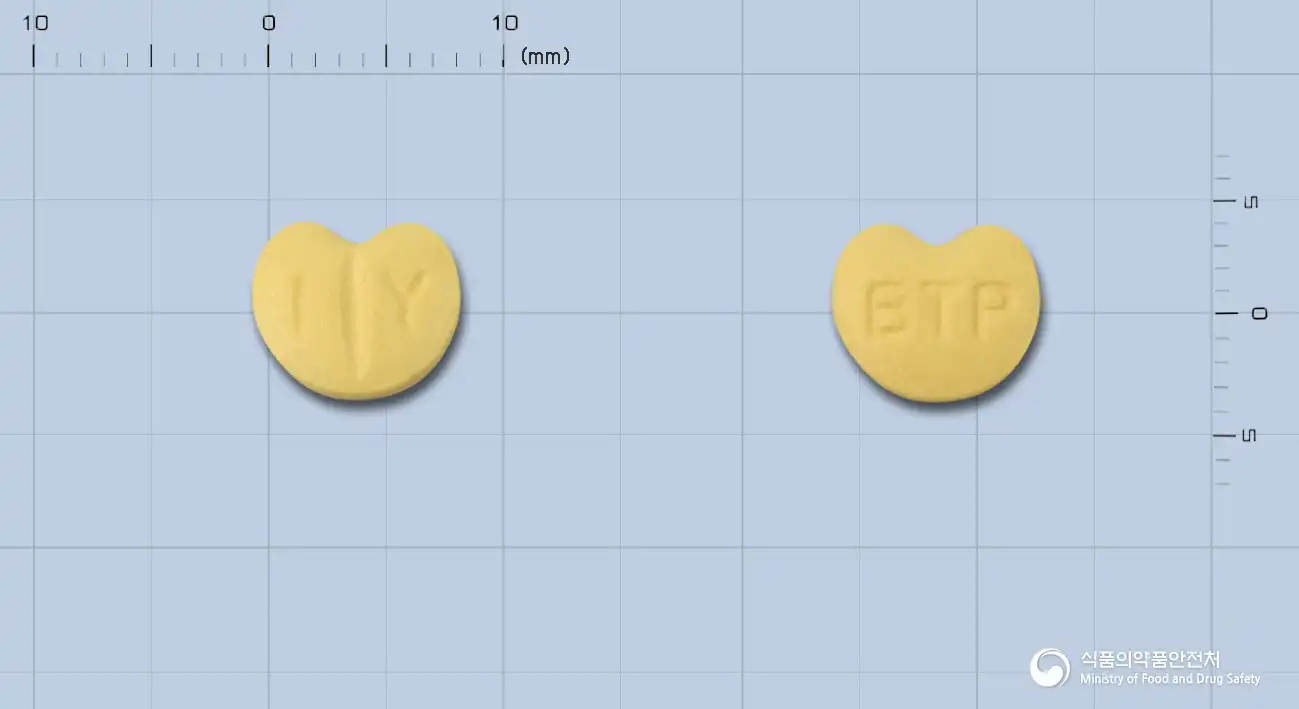
Bisoprolol Fumarate 5mg
Tablet · Prescription medication
Il Yang Pharmaceutical Co., Ltd.
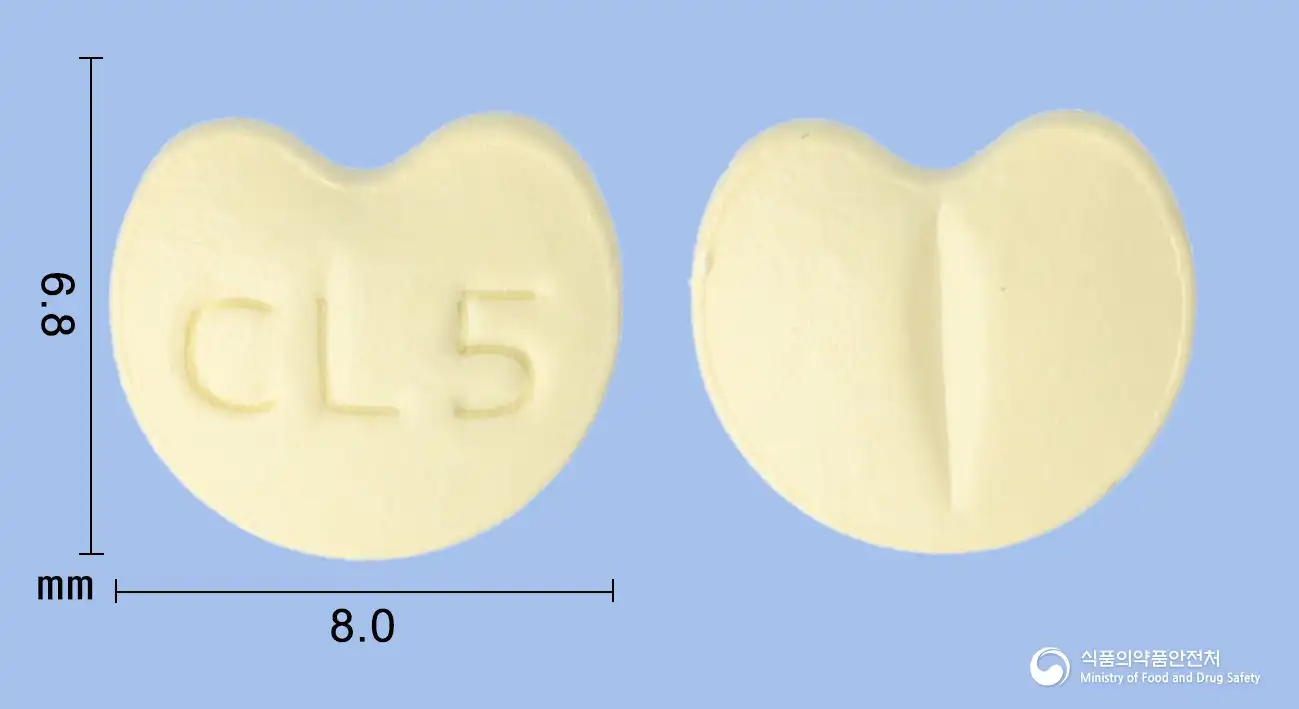
Bisoprolol Fumarate 5mg
Tablet · Prescription medication
Ellison Pharmaceuticals Co., Ltd.
Even with the same ingredient, the dose and directions can differ by strength and dosage form. Talk to a doctor or pharmacist before switching from a medication you are already taking.
No questions yet.
For anything that needs medical judgment, consult a doctor or pharmacist.
This drug information is based on data provided by the Korea Ministry of Food and Drug Safety.
Consult a doctor or pharmacist for accurate dosage, administration, and usage instructions.