
 한국어
한국어 English
 日本語
日本語 中文(简体)
 Viewing now
Betaprol Tablets (Bisoprolol Fumarate)
Bisoprolol Fumarate 5mg
Tablet · Prescription medication
Il Yang Pharmaceutical Co., Ltd.
MFDS item code 200401319 · Notified 2004.09.30 · Insurance code 641700540
Improvement of hypertension and angina, treatment of chronic heart failure
This medication is used to control blood pressure and reduce strain on the heart in cases of hypertension and angina. Additionally, it is combined with ACE inhibitors and diuretics, as needed, to improve cardiac function in the treatment of stable chronic heart failure with reduced left ventricular systolic function. This medication helps improve the overall condition of cardiovascular diseases.
Take without chewing with a drink on an empty stomach in the morning or during breakfast. For hypertension or angina, 5-10mg should be taken once daily. In mild cases, 5mg is sufficient, while in severe cases, 10mg may be administered, with a maximum of 20mg per day in special cases. For stable chronic heart failure, the initial dose is 1.25mg once daily, and after at least two weeks, it can be increased to 2.5mg, 3.75mg, 5mg.
There is no experience in children; therefore, administration is not recommended.
This medication has not been tested in patients with heart failure due to certain diseases or conditions and should be used cautiously. Use with caution in patients with type 1 insulin-dependent diabetes, severe renal and liver dysfunction, restrictive cardiomyopathy, serious valvular diseases, patients who have recently experienced myocardial infarction, and patients with congenital heart diseases. Patients with bronchial asthma or chronic obstructive pulmonary disease should use this medication with a bronchodilator, and in some cases, it may be necessary to increase the dosage of the bronchodilator. This medication may increase the risk of allergic reactions, and adrenaline treatment may not always be effective. Patients with psoriasis or a history of psoriasis should carefully consider the risks and benefits of this medication. Patients with pheochromocytoma should use this medication only after receiving alpha-blockers. Symptoms of hyperthyroidism may be masked by this medication, so caution is required. During initial use, regular monitoring of the condition is necessary, and sudden discontinuation of the medication may worsen heart conditions; therefore, it must be tapered off. Do not use this medication in patients with diabetic ketoacidosis, severe bradycardia, cardiogenic shock, right heart failure due to pulmonary hypertension, acute heart failure, severe hypotension, serious peripheral circulation disorders, syndrome of inappropriate antidiuretic hormone secretion, pregnant women or women who may become pregnant, and patients with severe asthma. Caution should be taken when administering this medication to patients with bronchial asthma, respiratory obstruction, congestive heart failure, uncontrolled diabetes, severe liver and kidney dysfunction, combined with anesthetics, patients undergoing desensitization therapy, first-degree atrioventricular block, variant angina, and peripheral arterial occlusive disease. While using this medication, side effects such as bradycardia, worsening heart failure, coldness or numbness in limbs, hypotension, dizziness, headaches, nausea, vomiting, diarrhea, constipation, fatigue, asthenia, heart block, orthostatic hypotension, sleep disturbances, depression, bronchospasm, muscle atrophy and cramps, nightmares, hallucinations, reduced tear production, hearing impairment, allergic rhinitis, hypersensitivity (itching, redness, rash), hepatitis, sexual dysfunction, conjunctivitis, worsening of psoriasis, or psoriasis-like rashes may occur, but these are rare. Patients on long-term therapy should regularly monitor heart function, blood pressure, and pulse, and pay attention to liver and kidney function. This medication, like other beta-blockers, may mask symptoms of hyperthyroidism, requiring caution. This medication may interact with various drugs; therefore, inform your doctor if you are taking other medications, especially when used with calcium channel blockers, centrally acting antihypertensives, antiarrhythmics, MAO inhibitors, insulin, anesthetics, etc. Pregnant women or those who may become pregnant should not use this medication as it can cause side effects such as hypoglycemia or bradycardia in the fetus or newborn, requiring careful monitoring. It is also advisable to avoid breastfeeding while taking this medication. Safety in children has not been established, thus it is not recommended for use. Elderly patients should start at a lower dose while observing their condition and should adjust the dosage in cases of severe renal or liver impairment. This medication may affect the ability to drive or operate machinery, so caution should be exercised, especially at the beginning of treatment or when changing medications, and be especially careful if taken with alcohol. Overdose may result in symptoms such as bradycardia, hypotension, bronchospasm, acute heart failure, or hypoglycemia, requiring appropriate emergency treatment. This medication must be kept out of reach of children and should be stored in its original container to prevent quality deterioration or misuse.
Allergic reactions (hives, severe swelling), difficulty breathing, severe skin adverse reactions (severe rash accompanied by fever, blisters, skin peeling, pain in mucous membranes of mouth/eyes), respiratory problems (shortness of breath or difficulty breathing, asthma attacks, respiratory abnormalities with cough and fever), liver abnormalities (yellowing of skin or eyes, extreme fatigue), serious neurological symptoms (severe headaches, thunderclap headache, seizures, confusion, vision disturbances).
Bradycardia, worsening of heart failure, coldness or numbness in limbs, hypotension, dizziness, headache, nausea, vomiting, diarrhea, constipation, fatigue, asthenia, heart block, orthostatic hypotension, sleep disturbances, depression, bronchospasm, muscle atrophy and cramps, nightmares, hallucinations, reduced tear production, hearing impairment, allergic rhinitis, hypersensitivity reactions (itching, redness, rash), hepatitis, sexual dysfunction, conjunctivitis, worsening of psoriasis or triggering psoriasis-like rashes.
Not everyone experiences these, and they can vary from person to person.
This medication must be stored in a tightly sealed container to protect it from air and moisture exposure. Additionally, it should be stored at room temperature between 1 to 30 degrees Celsius, away from extreme heat or cold.
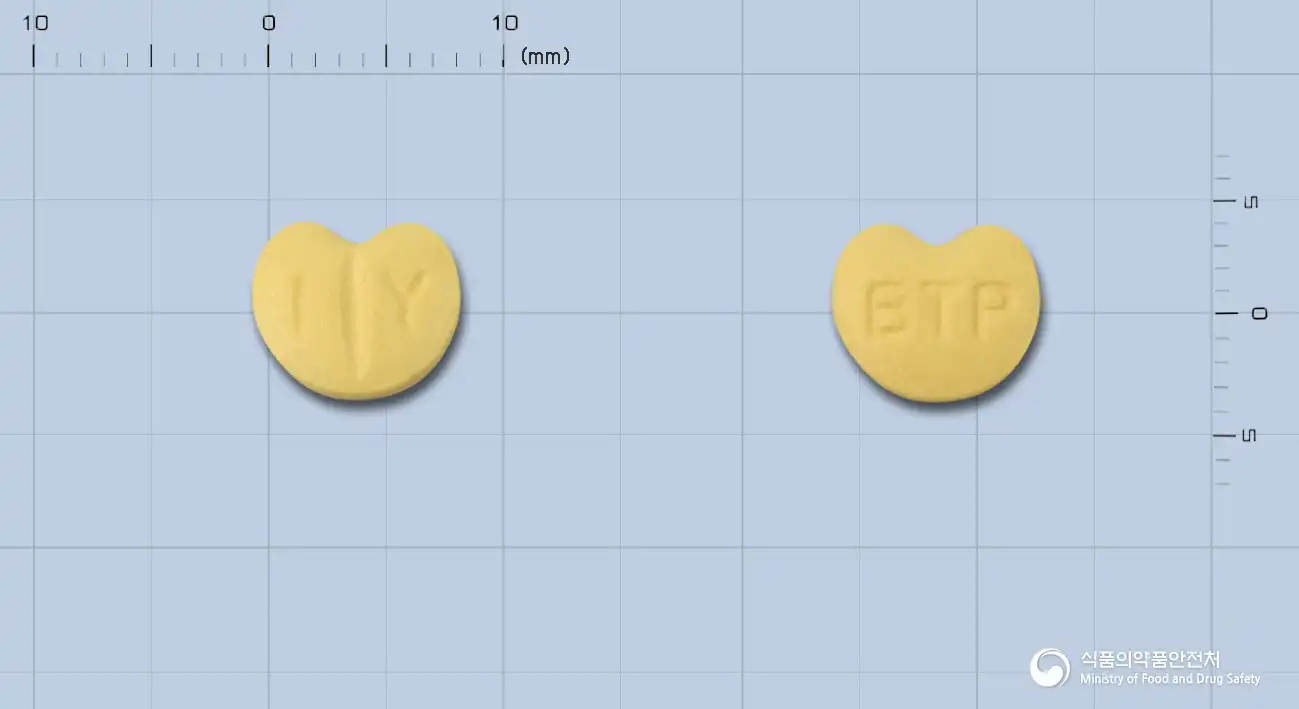
A yellow, film-coated tablet in a heart shape with a convex surface and a break line on one side.
30 tablets/bottle
Even with the same ingredient, strength, dosage form and how it is taken can differ.
Viewing nowBisoprolol Fumarate 5mg
Tablet · Prescription medication
Il Yang Pharmaceutical Co., Ltd.
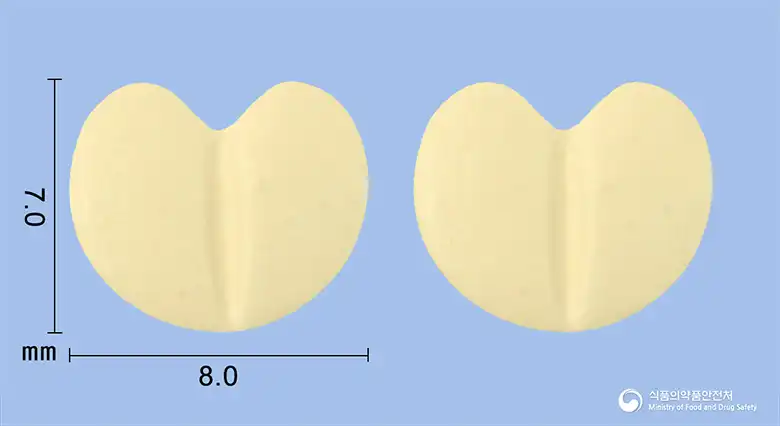
Bisoprolol Fumarate 5mg
Tablet · Prescription medication
Merck Co., Ltd.
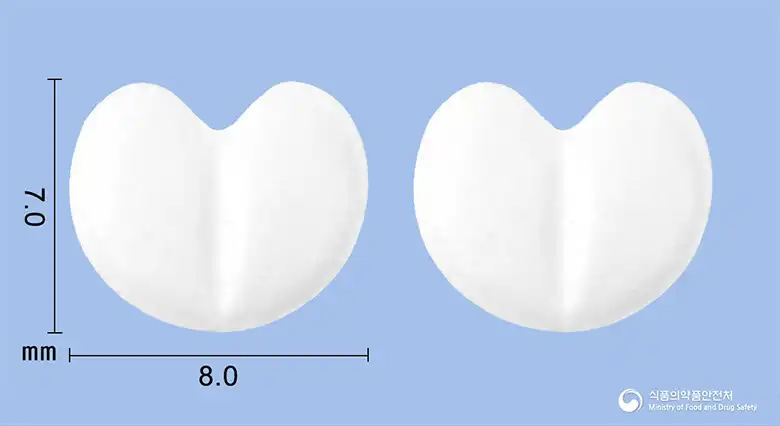
Bisoprolol Fumarate 2.5mg
Tablet · Prescription medication
Merck Co., Ltd.
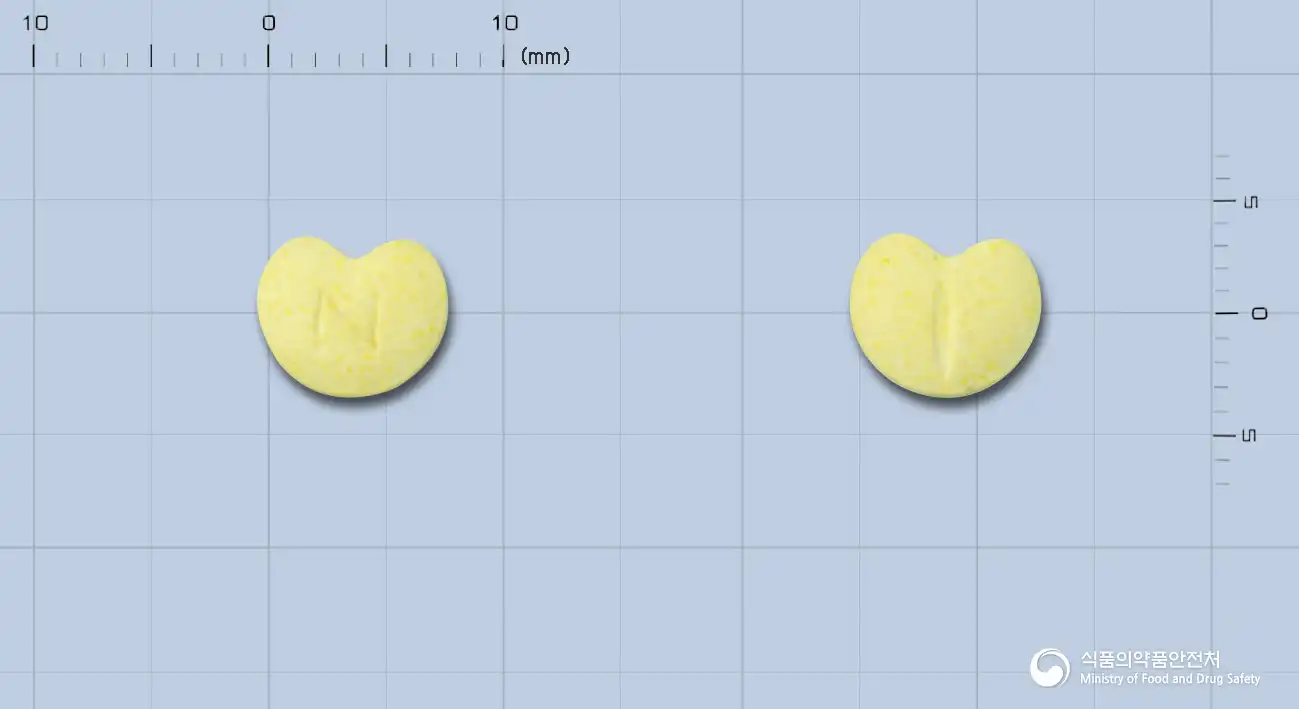
Bisoprolol Fumarate 5mg
Tablet · Prescription medication
Celix Co., Ltd.

Bisoprolol Fumarate 5mg
Tablet · Prescription medication
Ilhwa Co., Ltd.
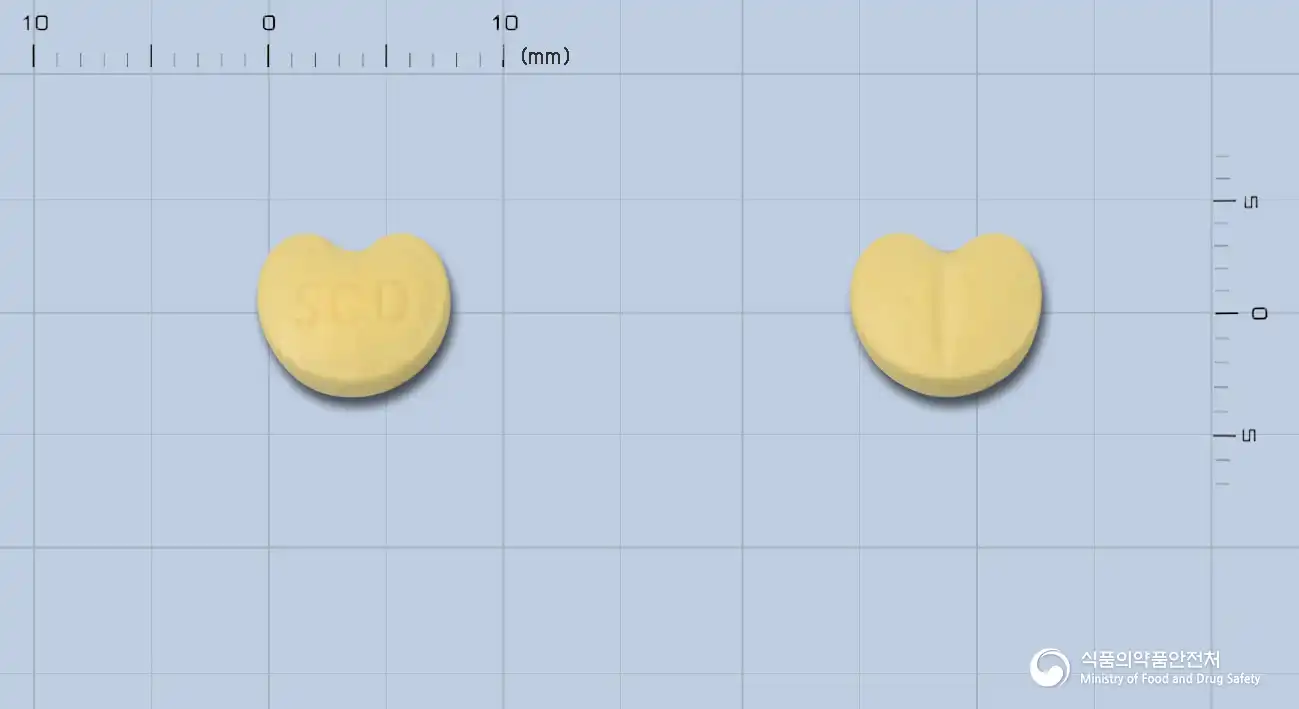
Bisoprolol Fumarate 5mg
Tablet · Prescription medication
Samchundang Pharmaceutical Co., Ltd.
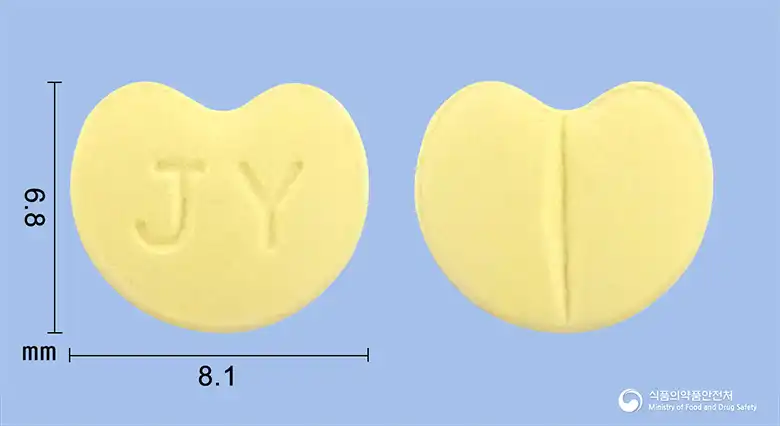
Bisoprolol Fumarate 5mg
Tablet · Prescription medication
Jinyang Pharmaceutical Co., Ltd.
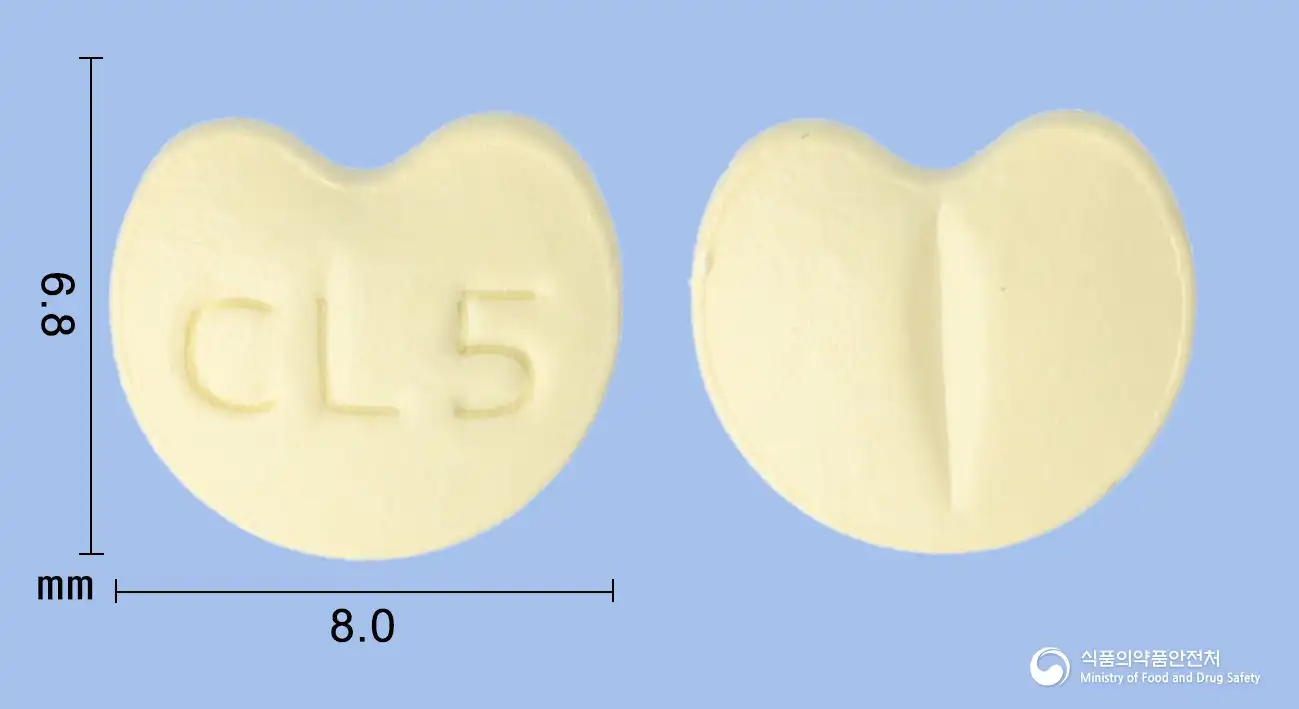
Bisoprolol Fumarate 5mg
Tablet · Prescription medication
Ellison Pharmaceuticals Co., Ltd.
Even with the same ingredient, the dose and directions can differ by strength and dosage form. Talk to a doctor or pharmacist before switching from a medication you are already taking.
No questions yet.
For anything that needs medical judgment, consult a doctor or pharmacist.
This drug information is based on data provided by the Korea Ministry of Food and Drug Safety.
Consult a doctor or pharmacist for accurate dosage, administration, and usage instructions.