
 한국어
 English
 日本語
 中文(简体)
 Viewing now
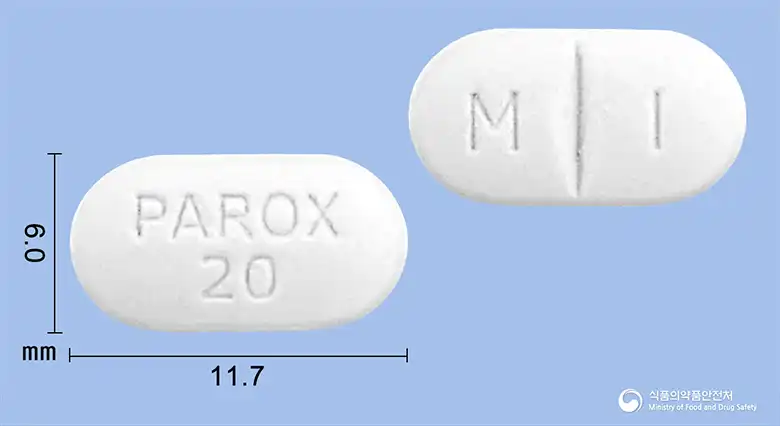
Paroxetin 20 mg Tablets (Paroxetine Hydrochloride Hydrate)
Paroxetine Hydrochloride Hydrate 22.88mg
Tablet · Prescription medication
Myeongin Pharmaceutical Co., Ltd.
MFDS item code 200401247 · Notified 2004.09.03 · Insurance code 651902230
Treatment of depression, obsessive-compulsive disorder, and anxiety and stress disorders (e.g., panic disorder and generalized anxiety disorder)
This medication is used for various psychiatric disorders including major depressive disorder, obsessive-compulsive disorder, panic disorder, generalized anxiety disorder, post-traumatic stress disorder, and social anxiety disorder.
This medicine should preferably be taken once daily with breakfast. Swallow it whole without chewing. In general, treatment is recommended for a sufficient period to allow symptoms to resolve. After the first satisfactory response is achieved following initiation of treatment, continued administration may prevent relapse. For depressive disorders, treatment should continue for at least 4~6 months after symptoms resolve; for obsessive-compulsive disorder and panic disorder, treatment may continue for longer. As with other psychoactive medicines, treatment should not be stopped abruptly. As with other antidepressants, the dose should be reviewed within 2~3 weeks after starting treatment and adjusted as appropriate if necessary; thereafter, it should be adjusted as clinically appropriate. If this medicine is used long term, its continued use should be reassessed regularly for each individual patient. Major depressive disorder: The recommended oral dose is 20 mg of paroxetine per day. Some patients may require a dose increase; in such cases, increase gradually by 10 mg according to the patient's response. The maximum daily dose is 50 mg. Obsessive-compulsive disorder: The recommended oral dose is 40 mg of paroxetine per day. Start treatment at 20 mg per day and increase by 10 mg each week. The maximum daily dose is 60 mg. Panic disorder: The recommended oral dose is 40 mg of paroxetine per day. Start treatment at 10 mg per day and increase by 10 mg each week according to the patient's response. Some patients may require an increase to a maximum daily dose of 60 mg. Because symptoms of panic disorder may worsen at the beginning of treatment, a low initial dose is recommended. Generalized anxiety disorder (GAD): The recommended oral dose is 20 mg of paroxetine per day. Patients who do not respond to this dose may have their dose gradually increased by 10 mg each week, up to a maximum daily dose of 50 mg. Post-traumatic stress disorder (PTSD): The recommended oral dose is 20 mg of paroxetine per day. Patients who do not respond to this dose may have their dose increased by 10 mg as needed, up to a maximum of 50 mg. Social anxiety disorder/social phobia: The recommended oral dose is 20 mg of paroxetine per day. Patients who do not respond to this dose after at least 2 weeks may have their daily dose increased up to a maximum of 50 mg. Increase the dose by 10 mg at intervals of at least 1 week, according to the patient's response. Older adults: The recommended initial dose is 10mg/day. Increase gradually by 10 mg per week according to the patient's response. The maximum daily dose is 40 mg. Patients with severe renal impairment (creatinine clearance less than 30 mL/min) or hepatic impairment: The recommended dose is 20 mg per day. If an increase is necessary, limit the increase to the lowest dose. When discontinuing an MAO inhibitor used to treat psychiatric disorders and starting treatment with this medicine, allow an interval of at least 14 days. Conversely, when starting an MAO inhibitor to treat psychiatric disorders, at least 14 days must elapse after discontinuing this medicine. Monitor for symptoms of serotonin syndrome for 2 weeks after administration of linezolid or intravenous methylene blue, or for 24 hours after the last dose, whichever occurs first. Treatment with this medicine may be restarted 24 hours after the last dose of linezolid or intravenous methylene blue. When this medicine is administered intravenously at a dose of 1mg/kg or less
Use of this medicine is not recommended in children because its efficacy and safety have not been established.
This medication is an antidepressant used to treat mental disorders such as major depressive disorder. Particularly during the course of treatment, young people aged 18 to 24 may have an increased risk of suicidal thoughts or actions, so caution is needed. This medication should not be used in combination with certain medications, such as MAO inhibitors, and it can be dangerous to start other medications within 14 days after stopping this drug. Patients with a history of heart disease or QT interval prolongation, those with a tendency to bleed, or taking medications that increase bleeding risk should use this drug with caution. During treatment, various side effects may occur, including changes in blood pressure, dizziness, nausea, drowsiness, insomnia, sexual dysfunction, sweating, and skin rashes, so if any unusual symptoms appear, consult a physician promptly. Abrupt discontinuation of the medication can lead to withdrawal symptoms such as dizziness, anxiety, and sleep disturbances, so the dosage should be gradually reduced according to the doctor's instructions. Women who are pregnant or planning to become pregnant should consult a physician, as this medication can affect the fetus. Breastfeeding mothers should also exercise caution, as this medication may be excreted in breast milk and affect the newborn. This medication is not recommended for children and adolescents, and especially for those under 18 years old, its safety and efficacy have not been established. In case of overdose, symptoms such as nausea, tremors, drowsiness, and blood pressure changes may occur, and immediate contact with medical institutions for appropriate treatment is necessary. Alcohol consumption during this medication should be avoided, and it is advisable to inform the physician about all medications being taken, as there may be potential interactions. Caution is required when driving or operating machinery, and if any unusual behaviors or mood changes occur during the medication, consultation with medical professionals should be immediate. This medication should be kept out of reach of children, and transferring it to another container is not advised.
Tachycardia, temporary increase or decrease in blood pressure, orthostatic hypotension, bradycardia, increased cholesterol levels, decreased appetite, hyponatremia, blurred vision, pupillary dilation, acute glaucoma, nausea, constipation, diarrhea, vomiting, thirst, gastrointestinal bleeding, weight gain, asthenia, peripheral edema, increased liver enzymes, liver disease, dizziness, tremor, headache, extrapyramidal disorders, akathisia, seizures, restless legs syndrome, serotonin syndrome, drowsiness, insomnia, anxiety, abnormal dreams, confusion, hallucinations, mania, anxiety, depersonalization, panic attacks, suicidal thoughts and behaviors, urinary retention, urinary incontinence, sexual dysfunction, hyperprolactinemia, galactorrhea, menstrual disorders, priapism, postpartum hemorrhage, sweating, skin rash, itching, severe skin adverse reactions, hives, photosensitivity reactions, abnormal bleeding of the skin and mucous membranes, thrombocytopenia, pancytopenia, agranulocytosis, leukopenia, severe allergic reactions, syndrome of inappropriate antidiuretic hormone secretion, yawning, tinnitus, arthralgia, myalgia, dizziness, sensory disturbances, sleep disturbances, anxiety, confusion, sweating, headache, diarrhea, palpitations, emotional instability, irritability, visual disturbances, emotional instability, irritability, abdominal pain, hyperactivity, hostility, rigidity, dysuria, urinary disorders, edema, decreased libido, dyspepsia, tinnitus, facial edema, neurosis, gastrointestinal disorders, flush, weight loss, weight gain, fatigue, chest pain, thirst, hypersensitivity, fever, blood pressure changes, involuntary muscle contractions, tachycardia
Not everyone experiences these, and they can vary from person to person.
This medication should be stored in a tightly sealed container to prevent air exposure and at room temperature between 1°C and 30°C. This storage helps maintain the effectiveness of the drug and prevents degradation.
White oblong film-coated tablet
30 tablets/bottle, 200 tablets/bottle
Even with the same ingredient, strength, dosage form and how it is taken can differ.
Viewing nowParoxetine Hydrochloride Hydrate 22.88mg
Tablet · Prescription medication
Myeongin Pharmaceutical Co., Ltd.
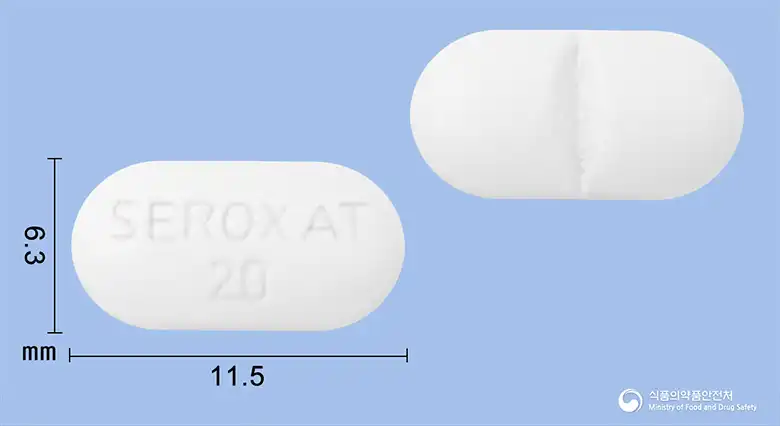
Paroxetine Hydrochloride Hydrate 22.88mg
Tablet · Prescription medication
Handok Co., Ltd.
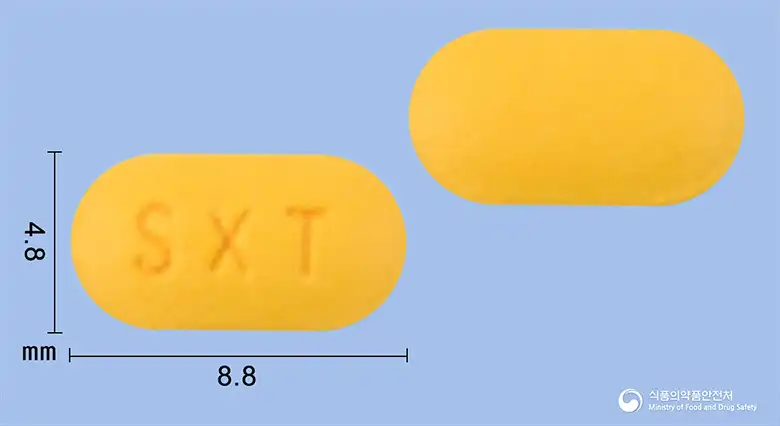
Paroxetine Hydrochloride Hydrate 11.4mg
Tablet · Prescription medication
Handok Co., Ltd.
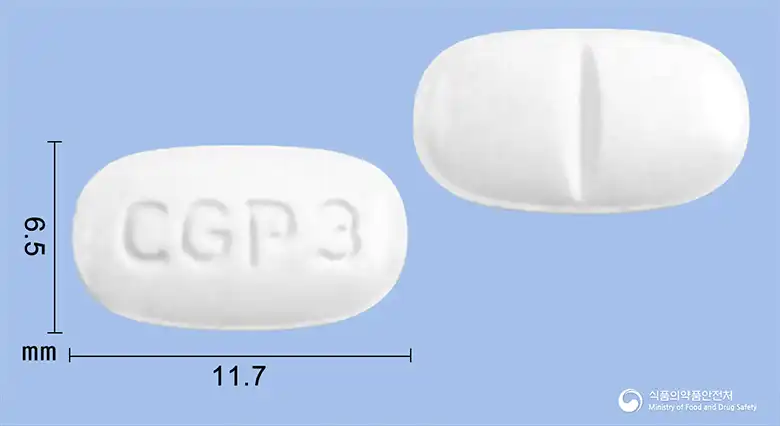
Paroxetine Hydrochloride Hemihydrate 22.88mg
Tablet · Prescription medication
Aprogen Biosciences Co., Ltd.
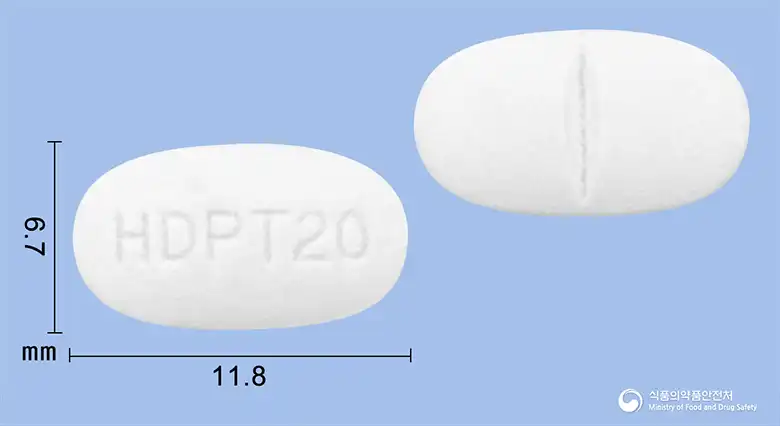
Paroxetine Hydrochloride Hemihydrate 22.88mg
Tablet · Prescription medication
Hyundai Pharmaceutical Co., Ltd.
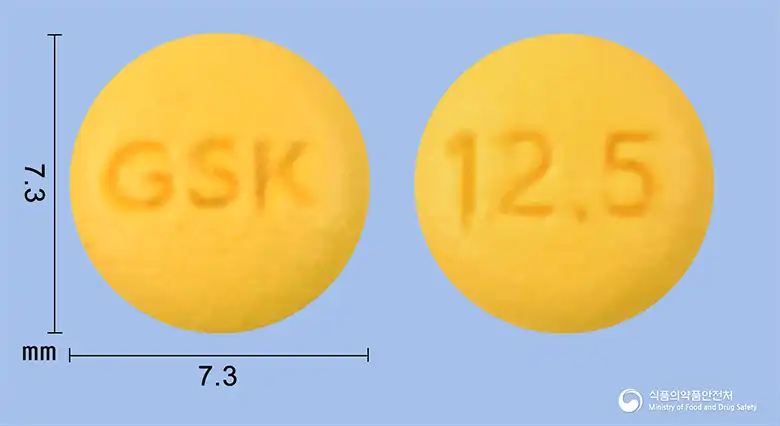
Paroxetine Hydrochloride Hydrate 14.25mg
Tablet · Prescription medication
GlaxoSmithKline Co., Ltd.
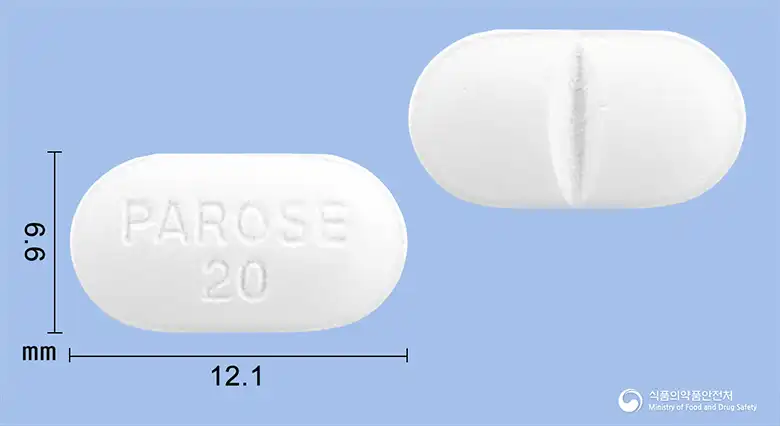
Paroxetine Hydrochloride Hydrate 22.88mg
Tablet · Prescription medication
Jongkundang Co., Ltd.
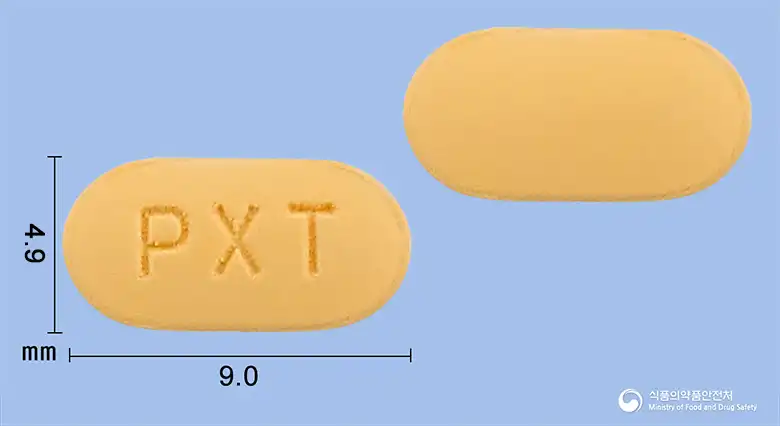
Paroxetine Hydrochloride Hydrate 11.44mg
Tablet · Prescription medication
Jongkun Dang Co., Ltd.
Even with the same ingredient, the dose and directions can differ by strength and dosage form. Talk to a doctor or pharmacist before switching from a medication you are already taking.
No questions yet.
For anything that needs medical judgment, consult a doctor or pharmacist.
This drug information is based on data provided by the Korea Ministry of Food and Drug Safety.
Consult a doctor or pharmacist for accurate dosage, administration, and usage instructions.