
 한국어
 English
 日本語
 中文(简体)
Dosage form image
Viewing nowLotril Tablet 10 mg (Enalapril Maleate)
Enalapril Maleate 10mg
Tablet · Prescription medication
Aju Pharmaceuticals Co., Ltd.
MFDS item code 200400705 · Notified 2004.04.07
This product's status changed to Expired on 2024.07.01. It may no longer be sold, so consult a doctor or pharmacist before taking it.
Treatment of hypertension; adjunctive treatment of heart failure
This medication is used to treat cardiovascular diseases such as hypertension and heart failure. Particularly in heart failure treatment, it serves as an adjunct therapy alongside diuretics and digitalis. This drug is effective in stabilizing blood pressure and reducing the burden on the heart, thereby improving heart function. When used appropriately according to the patient's condition, it contributes to symptom relief and health improvement.
1. Hypertension 1) Patients not receiving diuretics Adults: The initial dose of enalapril maleate is 5㎎ once daily, adjusted according to blood pressure. The maintenance dose is 10-40㎎ daily in 1-2 divided doses. If the antihypertensive effect decreases toward the end of the dosing interval in patients receiving once-daily treatment, increase the dose or administer it twice daily. 2) Patients receiving diuretics Adults: Since hypotension may occur when this drug is first administered to patients recently treated for hypertension with a diuretic, discontinue the diuretic 2-3 days before starting this drug whenever possible. If hypertension is not controlled during treatment with this drug, the diuretic may be resumed. If the diuretic cannot be discontinued, administer 2.5㎎ of this drug orally once daily. 3) Patients with renal impairment ① The usual dosage applies to patients with creatinine clearance of 30㎖/min or greater (serum creatinine up to 3㎎/㎗). ② Patients with creatinine clearance of 30㎖/min or less (serum creatinine of 3㎎/㎗ or greater): Administer an initial dose of 2.5㎎ once daily. The dose may be increased up to a maximum of 40㎎ daily until blood pressure is controlled. Renal function status / Creatinine clearance (㎖/min) / Initial dose (㎎/day) Normal / >80㎖/min / 5㎎ Mild impairment / >30, ≤80㎖/min / 5㎎ Moderate to severe impairment / ≤30㎖/min / 2.5㎎ Dialysis patients / 2.5㎎ on the day of renal dialysis * If renal dialysis is not performed, determine the dose according to the blood pressure response. 2. Heart failure 1) This drug is used as adjunctive therapy to diuretics and digitalis. 2) Initial dose Adults: Administer 2.5㎎ per dose 1-2 times daily. After the first dose, observe the patient closely for at least 2 hours and until blood pressure is stable; if possible, reduce the diuretic dose to prevent hypotension. If hypotension occurs after the first dose of this drug, continue to adjust the dose carefully and manage the hypotension effectively. 3) Maintenance dose Adults: Administer 5-20㎎ daily in 2 divided doses; the dose may be increased up to a maximum of 40㎎ daily. In controlled trials in most patients receiving the maximum daily dose of 40㎎, once-daily administration was effective. However, twice-daily administration has generally been used more often, and in placebo-controlled trials in patients with severe heart failure (NYHA class Ⅳ) in which a reduction in mortality was confirmed, most patients received 2.5-40㎎ daily in 2 divided doses. The dose may be adjusted according to the hemodynamic or clinical response. 4) Patients with heart failure accompanied by renal impairment or hyponatremia In patients with heart failure and hyponatremia (serum sodium concentration of 130mEq/ℓ or less) or serum creatinine of 1.6㎎/㎗ or greater, administer an initial dose of 2.5㎎ daily with close monitoring. If increasing the dose, administer 2.5-5㎎ per dose twice daily or increase further if necessary. Increase the dose only if excessive hypotension or significant deterioration in renal function has not occurred for 4 days or more after the initial dose. The dose may be increased up to a maximum of 40㎎ daily.
This drug should not be administered to certain patients. First, it should not be used by individuals who have had allergic reactions to this drug or have a history of such reactions. It should also be avoided by patients undergoing blood dialysis with certain high-speed dialysis membranes. Patients who have experienced symptoms of angioedema, such as swelling of the face or neck, should refrain from using this drug. Additionally, it should be avoided by patients receiving specific blood purification therapies or those with primary hyperaldosteronism, aortic stenosis, or obstructive hypertrophic cardiomyopathy. Patients with severe liver dysfunction or liver disease, as well as kidney transplant recipients, should not use this drug. It is not administered to pregnant or potentially pregnant women, lactating women, and children. Care must be taken for diabetic patients with specific renal function impairments or those on particular blood pressure medications. This drug should be used very cautiously in patients with very poor kidney function, renal artery hypertension, cerebrovascular disorders, severe hypertension, electrolyte imbalances, immune system abnormalities, collagen disorders, and the elderly. When used in conjunction with other blood pressure medications, it poses a risk of excessive lowering of blood pressure or elevated potassium levels, so it must be used under the guidance of a physician. During treatment, regular monitoring of kidney function, blood pressure, and electrolyte levels is necessary, and any unusual symptoms should be reported to healthcare professionals immediately. This drug can affect kidney function, so especially at the start of treatment, it should be started at a low dose, and the patient's condition should be closely monitored. It is advisable not to take this medication within 24 hours before surgery, as blood pressure may drop suddenly; caution should be exercised when driving or operating dangerous machinery. Additionally, during treatment, patients must avoid using high-sodium foods or drugs without consulting their physician. This medication can occasionally cause severe allergic reactions, skin rashes, blood abnormalities, liver dysfunction, respiratory problems, etc., so if any unusual symptoms arise, immediate consultation is necessary. In particular, if angioedema symptoms occur, treatment must be halted immediately, and emergency care should be sought. During pregnancy or breastfeeding, this drug should be avoided; if necessary, breastfeeding should be discontinued after consulting a specialist. It is advised not to use this drug in children as its safety and efficacy have not been confirmed. For the elderly, treatment should start at a low dose to prevent excessively lowering blood pressure, with close observation of their condition. Finally, this drug should be stored out of reach of children, and transferring it to another container should be avoided as it may affect the quality of the medication.
Not everyone experiences these, and they can vary from person to person.
This medication must be stored in a tightly sealed container to protect it from air and moisture. It should also be kept in a cool, dry place at or below 30 degrees Celsius to maintain effectiveness.
White octagonal tablet
30 tablets/bottle
Even with the same ingredient, strength, dosage form and how it is taken can differ.
Enalapril Maleate 10mg
Tablet · Prescription medication
Aju Pharmaceuticals Co., Ltd.
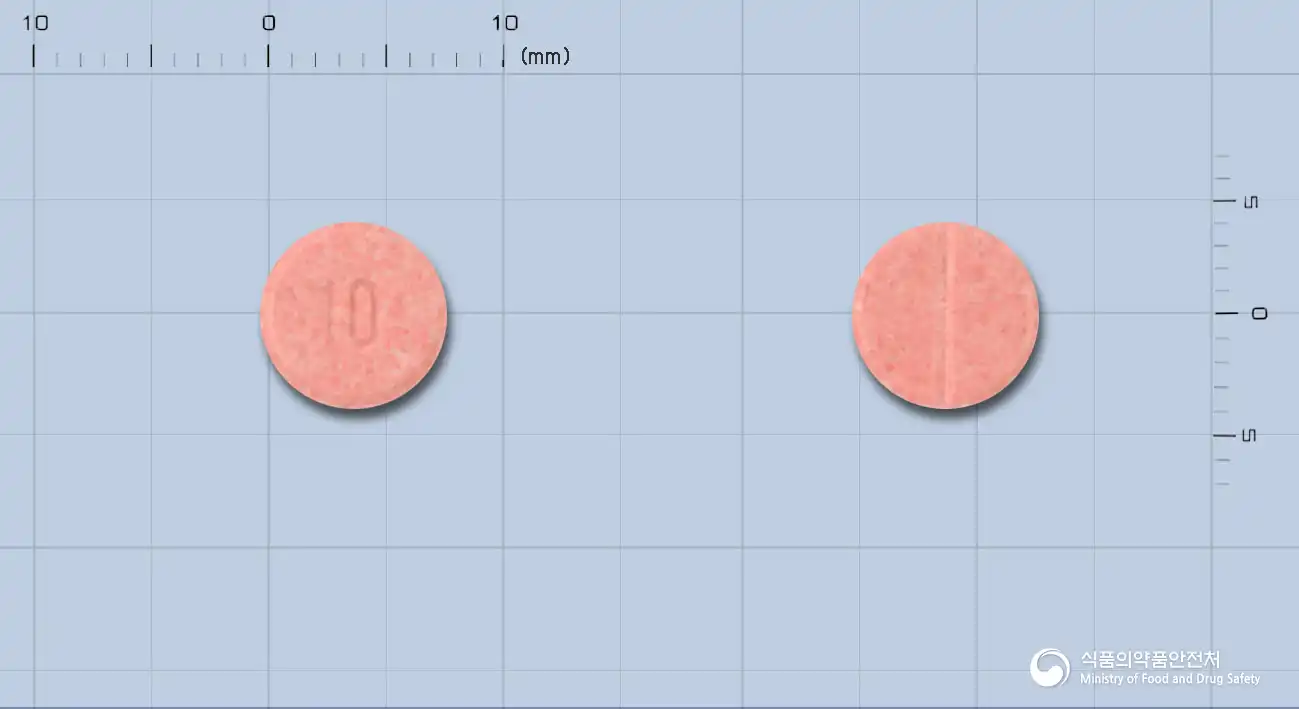
Enalapril Maleate 10mg
Tablet · Prescription medication
Jongkundang Co., Ltd.
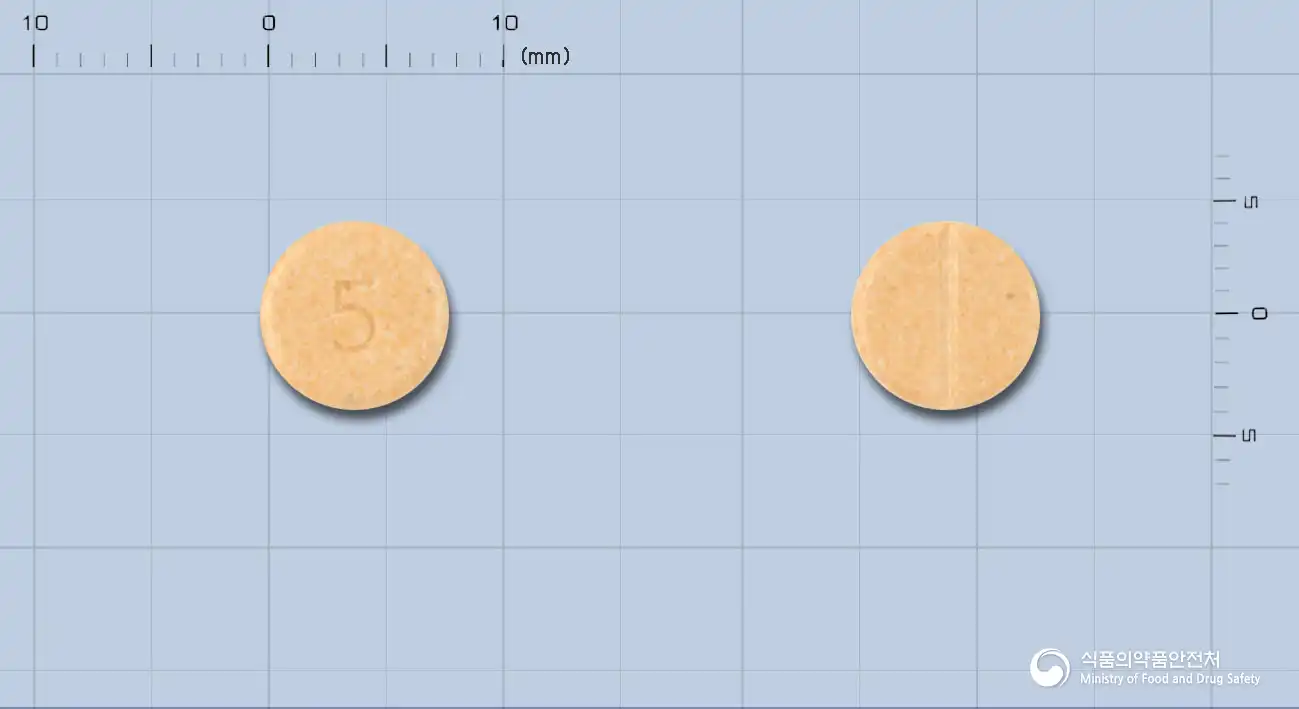
Enalapril Maleate 5mg
Tablet · Prescription medication
Jongkundang Co., Ltd.
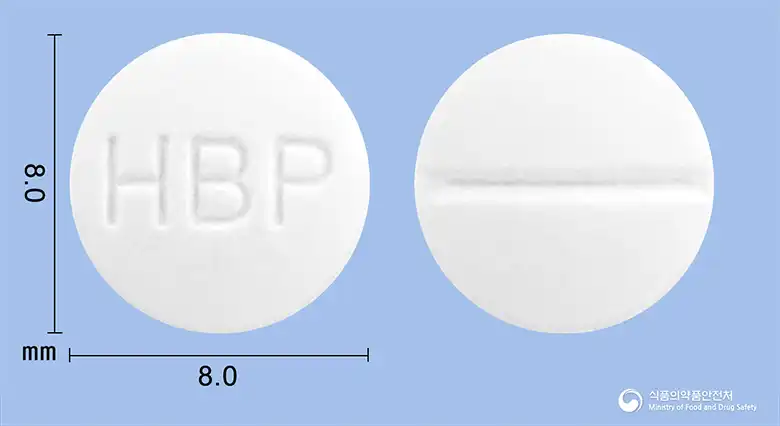
Enalapril Maleate 10mg
Tablet · Prescription medication
Withers Pharmaceutical Co., Ltd.
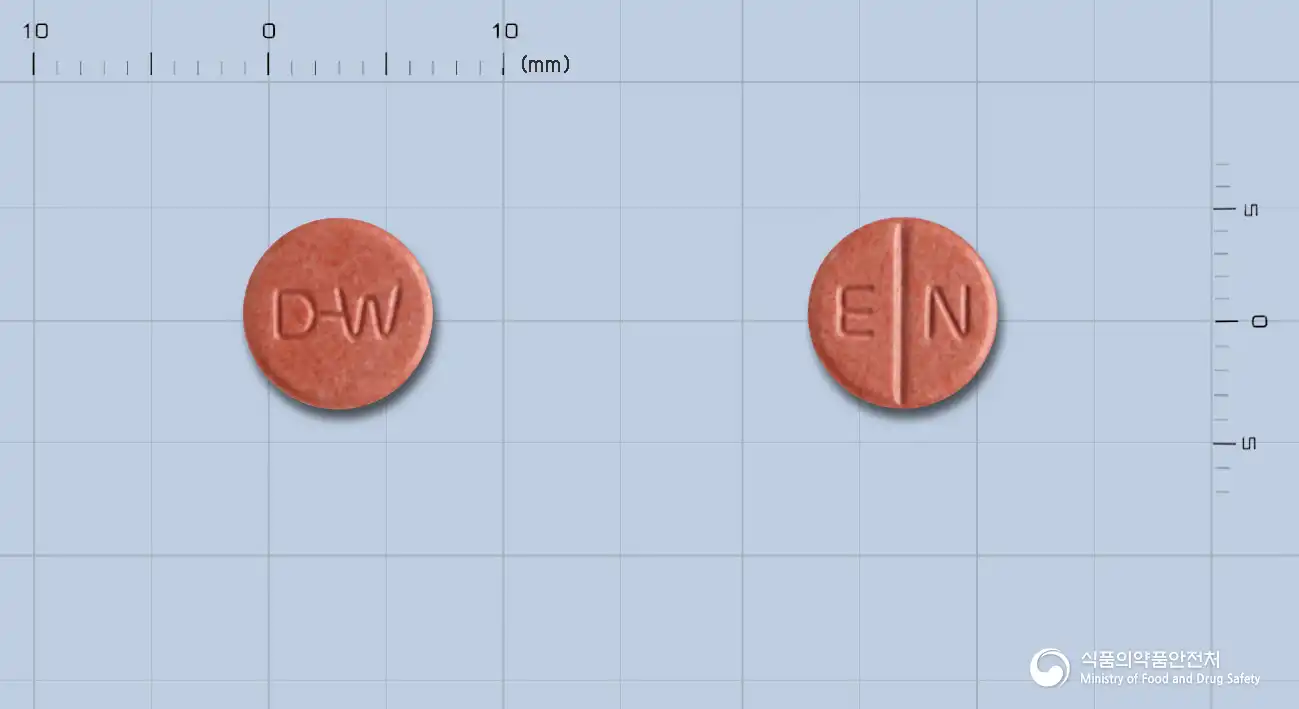
Enalapril Maleate 10mg
Tablet · Prescription medication
Dongwha Pharmaceutical Co., Ltd.
Enalapril Maleate 10mg
Tablet · Prescription medication
(Co., Ltd.) Bivocons Pharmaceutical
Enalapril Maleate 10mg
Tablet · Prescription medication
Aprogen Pharmaceuticals Co., Ltd.
Enalapril Maleate 10mg
Tablet · Prescription medication
Hawon Pharmaceutical Co., Ltd.
Even with the same ingredient, the dose and directions can differ by strength and dosage form. Talk to a doctor or pharmacist before switching from a medication you are already taking.
No questions yet.
For anything that needs medical judgment, consult a doctor or pharmacist.
This drug information is based on data provided by the Korea Ministry of Food and Drug Safety.
Consult a doctor or pharmacist for accurate dosage, administration, and usage instructions.