
 한국어
 English
 日本語
 中文(简体)
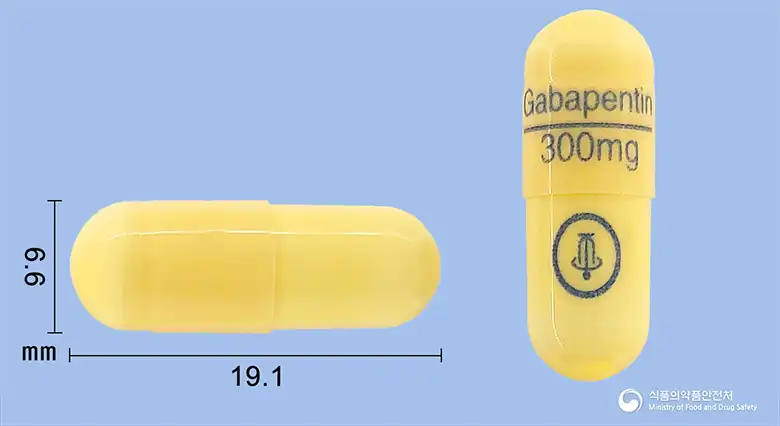 Viewing now
Gabapentin Capsule 300 mg
Gabapentin 300mg
Hard capsule · Prescription medication
Kwangdong Pharmaceutical Co., Ltd.
MFDS item code 200400105 · Approved 2004.09.06 · Insurance code 643300040
Treatment of neuropathic pain and epilepsy (partial seizures)
This medication is used for the treatment of epilepsy. It effectively manages partial seizures in adolescents aged 13 years and older and adults as monotherapy, and in children aged 3 years and older as adjunctive therapy. It also helps alleviate neuropathic pain. It applies to various neurological disorders, contributing to symptom improvement and enhancing the quality of life for patients.
Epilepsy — Monotherapy and adjunctive therapy in patients aged 13 years and older To achieve a maintenance dose of 900 mg/day of gabapentin, titrate the dose over the first 3 days of treatment as follows. Day 1: Administer one 300 mg capsule of this drug 1 time daily, or one 100 mg capsule of this drug 3 times daily (gabapentin 300 mg/day) Day 2: Administer one 300 mg capsule of this drug 2 times daily, or two 100 mg capsules of this drug 3 times daily (gabapentin 600 mg/day) From Day 3: Administer one 300 mg capsule of this drug 3 times daily, or three 100 mg capsules of this drug 3 times daily (gabapentin 900 mg/day) Alternatively, as a starting dose, one 300 mg capsule of this drug may be administered 3 times daily (gabapentin 900 mg/day). The dose may be increased to 1,200 mg/day of gabapentin, and the total daily dose must not exceed 2,400 mg of gabapentin. (There are insufficient data on the safety and efficacy of doses exceeding 2,400 mg/day of gabapentin.) Neuropathic pain — Adults (18 years and older) To achieve a maintenance dose of 900 mg/day of gabapentin, titrate the dose over the first 3 days of treatment as follows. Day 1: Administer one 300 mg capsule of this drug 1 time daily, or one 100 mg capsule of this drug 3 times daily (gabapentin 300 mg/day) Day 2: Administer one 300 mg capsule of this drug 2 times daily, or two 100 mg capsules of this drug 3 times daily (gabapentin 600 mg/day) From Day 3: Administer one 300 mg capsule of this drug 3 times daily, or three 100 mg capsules of this drug 3 times daily (gabapentin 900 mg/day) Alternatively, as a starting dose, one 300 mg capsule of this drug may be administered 3 times daily (gabapentin 900 mg/day). If necessary, the dose may be increased to 1,800 mg/day of gabapentin within one week, and the total daily dose must not exceed 3,600 mg of gabapentin. The total daily dose of this drug must be divided into 3 doses. The safety and efficacy of treatment for neuropathic pain for periods exceeding 5 months have not been evaluated. Debilitated patients: In debilitated patients with low body weight or patients after transplantation, the dose of this drug should be increased in increments of 100 mg. Elderly patients: Dose adjustment may be necessary due to age-related decline in renal function (see table). Patients with renal impairment (creatinine clearance ≤80 mL/min) or patients undergoing hemodialysis: Dose adjustment is required based on the following table. Dosage for patients with renal impairment: Renal function, creatinine clearance (mL/min) ≥80: Total daily dosea (mg/day) 900 ~ 2,400 Renal function, creatinine clearance (mL/min) 50 - 79: Total daily dosea (mg/day) 600 ~ 1,800 Renal function, creatinine clearance (mL/min) 30 - 49: Total daily dosea (mg/day) 300 ~ 900 Renal function, creatinine clearance (mL/min) 15 - 29: Total daily dosea (mg/day) 150b~600 Renal function, creatinine clearance (mL/min) < 15: Total daily dosea (mg/day) 150b~300 a: The total daily dose must be divided into 3 doses. b: Administer 3 × 100 mg every 2 days. In patients with creatinine clearance below 15 mL/min, the dose should be reduced in proportion to creatinine clearance. Dosage for patients undergoing hemodialysis Initial dose: 300~400 mg of gabapentin is recommended. Maintenance dose: Administer 200~300 mg of gabapentin after 4 hours of hemodialysis, and do not administer this drug on days when hemodialysis is not performed. This drug should be swallowed whole with sufficient fluid and may be taken with or without food. When administered 3 times daily, ensure that the interval between doses does not exceed 12 hours to prevent recurrence of seizures. If a dose of this drug is missed (if 12 hours or more have elapsed since the last dose), the physician should decide whether an additional dose should be taken to make up for it. When this drug is administered concomitantly with antacids containing magnesium or aluminum, administer this drug at least 2 hours after the antacid. If the dose of this drug is reduced, treatment is discontinued, or the patient is switched to another alternative medication, this should be done gradually over at least 1 week (a longer period may be required at the prescriber's discretion). To reduce the main adverse reactions, such as somnolence, dizziness, fatigue, and ataxia, the first dose on Day 1 should be taken at bedtime.
Adjunctive therapy in children aged 3 to 12 years — Day 1: Administer 10 mg/body weight (kg) of gabapentin Adjunctive therapy in children aged 3 to 12 years — Day 2: Administer 20 mg/body weight (kg) of gabapentin Adjunctive therapy in children aged 3 to 12 years — From Day 3: Administer 30 mg/body weight (kg) of gabapentin Adjunctive therapy in children aged 3 to 12 years — The dose may be increased as needed up to a maximum of 40 mg per kg of body weight per day. Adjunctive therapy in children aged 3 to 12 years — The total daily dose of this medication should be divided into 3 doses.
This medication may pose a risk of causing mental health issues such as suicidal thoughts or behavior, so any mood changes or unusual behaviors should be carefully monitored during treatment. Stopping the medication suddenly may worsen seizures; therefore, it must be tapered off gradually under a doctor's guidance. It can cause serious pancreatic problems like pancreatitis, so if persistent abdominal pain or vomiting occurs, the medication should be stopped immediately and medical advice sought. Special attention should be given to children who may exhibit neuropsychiatric adverse reactions such as emotional instability, aggression, or decreased concentration. Combining this medication with sedatives or narcotics may lead to severe drowsiness or respiratory depression, so strict medical supervision is required in such cases. Patients with allergic reactions, acute pancreatitis, or certain hereditary metabolic disorders should not take this medication. Patients with diminished kidney function or older adults may need dose adjustments, and women with a history of psychiatric illness or who are pregnant should be cautious. Symptoms such as dizziness, drowsiness, or ataxia may occur during treatment, so it is advisable to avoid driving or operating heavy machinery. During pregnancy, it may affect the fetus, so women of childbearing potential should use effective contraceptive methods, and if taking the medication while pregnant, they should consult a doctor. Breastfeeding women should discontinue nursing or consult a doctor since this medication is secreted in breast milk. Abruptly stopping the medication after long-term use may cause withdrawal symptoms such as anxiety, insomnia, or tremors, so any cessation should follow a doctor's advice. If abnormal symptoms like weight gain, vision changes, or skin rash appear during treatment, medical attention should be sought immediately, and in severe cases, the administration should be halted. This medication may have a higher incidence of adverse reactions in specific patient groups, such as children, the elderly, and those with diminished kidney function, so careful observation is necessary.
Not everyone experiences these, and they can vary from person to person.
This medication may be sensitive to air or moisture; therefore, it must be stored in a tightly sealed container. The storage temperature should be maintained at room temperature between 1 to 30 degrees Celsius. This will help preserve the medication's effectiveness.
A hard capsule of yellowish color containing white or almost white powder
30 capsules/bottle, 100 capsules/bottle
Even with the same ingredient, strength, dosage form and how it is taken can differ.
Viewing nowGabapentin 300mg
Hard capsule · Prescription medication
Kwangdong Pharmaceutical Co., Ltd.
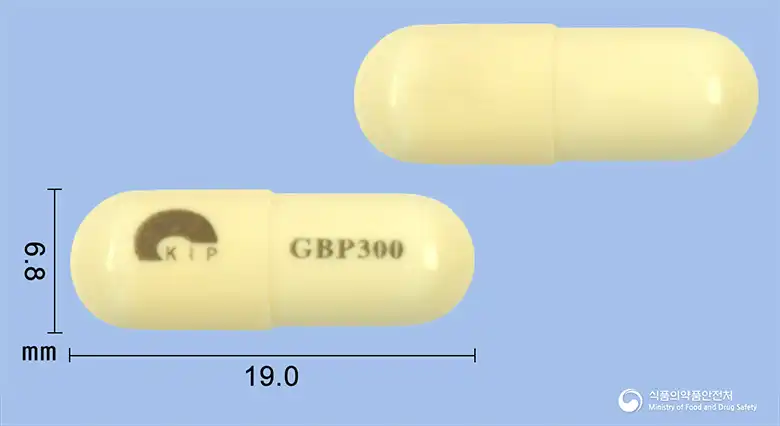
Gabapentin 300mg
Hard capsule · Prescription medication
Kunil Pharmaceutical Co., Ltd.
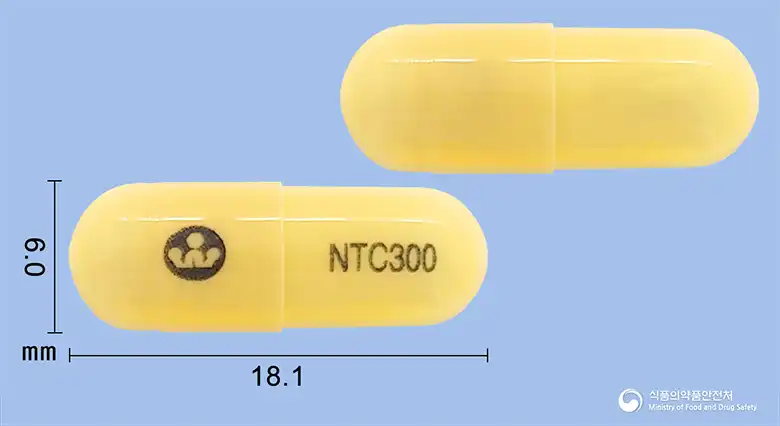
Gabapentin 300mg
Hard capsule · Prescription medication
Hanwin Pharmaceutical Co., Ltd.
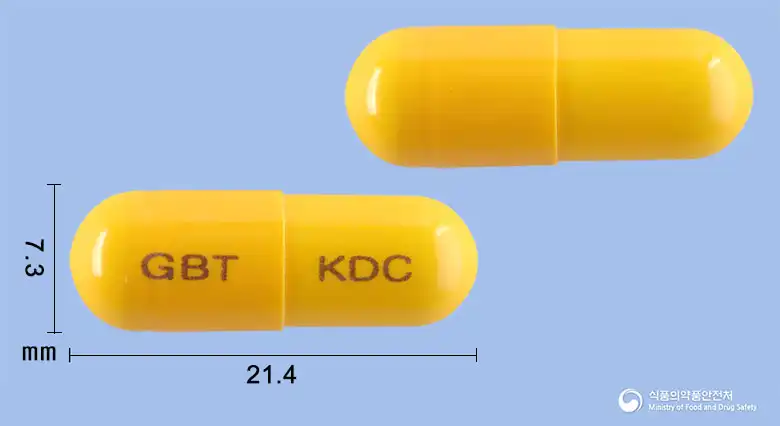
Gabapentin 400mg
Hard capsule · Prescription medication
Korea Pharmaceutical Co., Ltd.
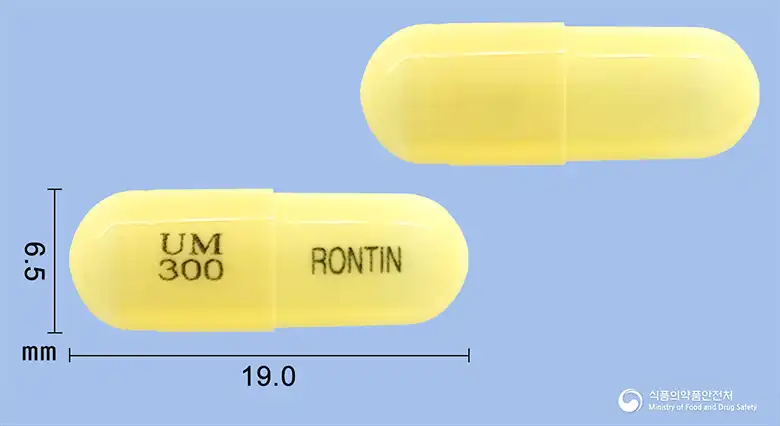
Gabapentin 300mg
Hard capsule · Prescription medication
Unimed Pharmaceuticals Co., Ltd.
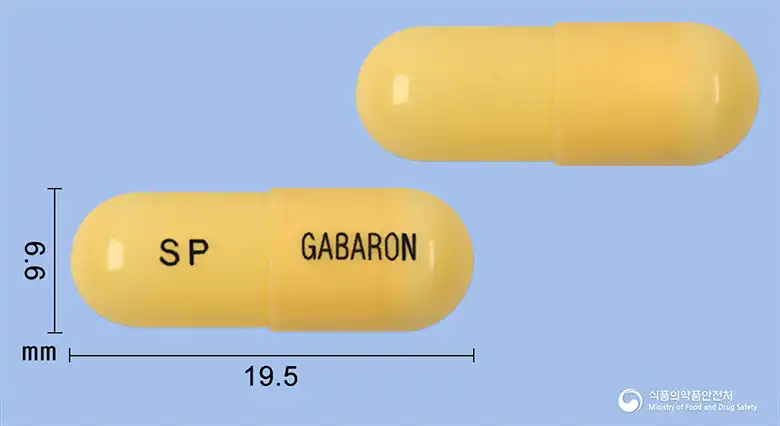
Gabapentin 300mg
Hard capsule · Prescription medication
Shinpoong Pharmaceutical Co., Ltd.
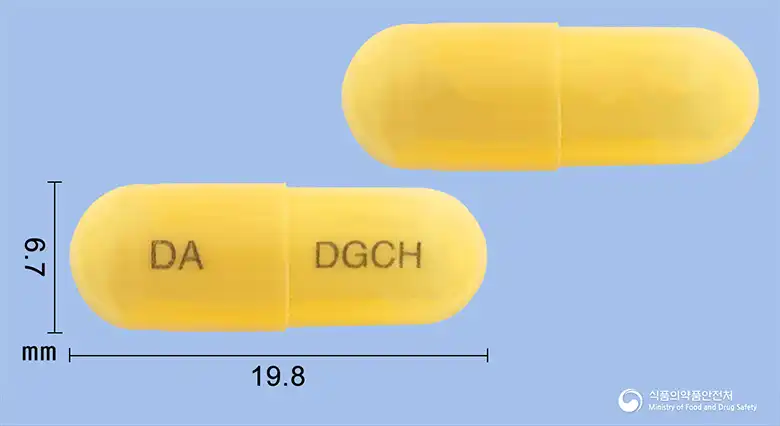
Gabapentin 300mg
Hard capsule · Prescription medication
Dong-A ST Co., Ltd.
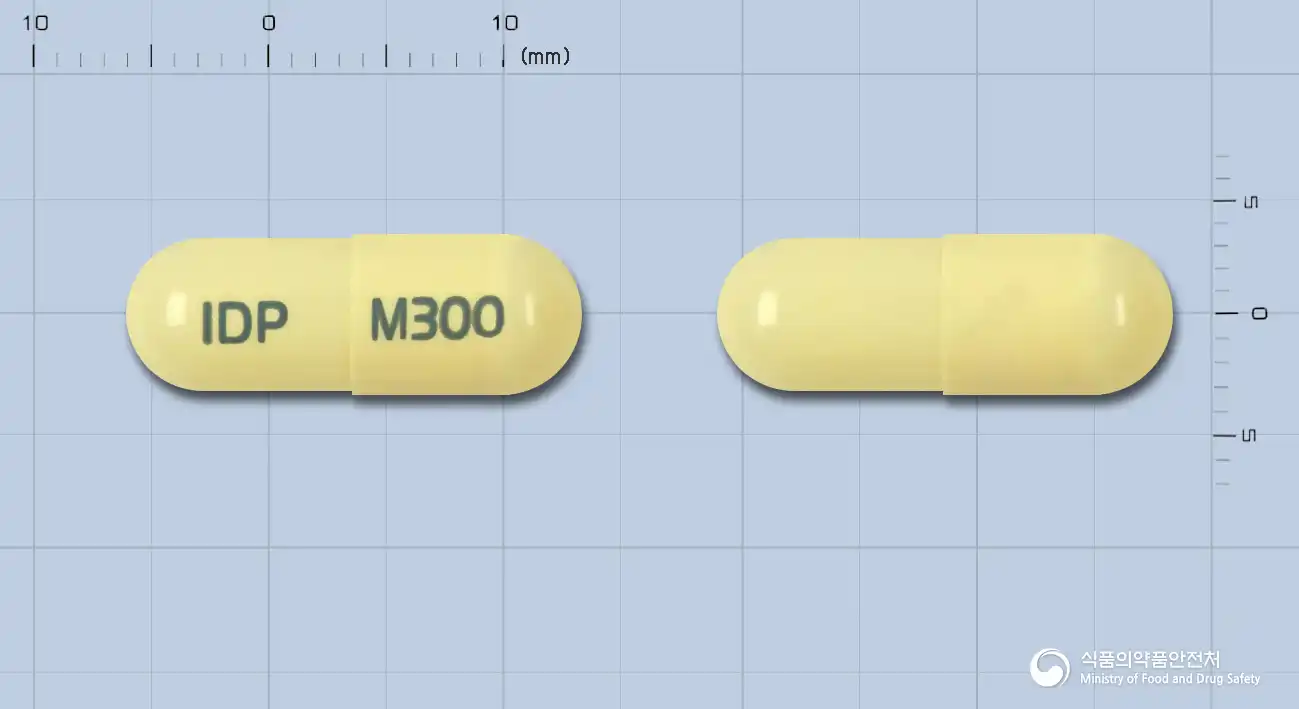
Gabapentin 300mg
Hard capsule · Prescription medication
Ildong Pharmaceutical Co., Ltd.
Even with the same ingredient, the dose and directions can differ by strength and dosage form. Talk to a doctor or pharmacist before switching from a medication you are already taking.
No questions yet.
For anything that needs medical judgment, consult a doctor or pharmacist.
This drug information is based on data provided by the Korea Ministry of Food and Drug Safety.
Consult a doctor or pharmacist for accurate dosage, administration, and usage instructions.