
 한국어
 English
 日本語
 中文(简体)
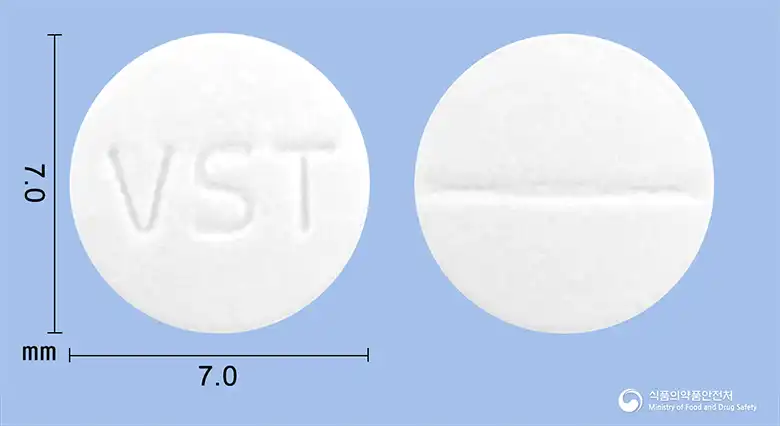 Viewing now
Vasotrol Tablet 25 mg (Carvedilol)
Carvedilol 25mg
Tablet · Prescription medication
Dong-A ST Co., Ltd.
MFDS item code 200308578 · Approved 2003.04.22 · Insurance code 642501740
Treatment of essential hypertension and chronic stable angina; adjunctive treatment of congestive heart failure
This medication is primarily used for cardiovascular conditions such as essential hypertension, chronic stable angina, and congestive heart failure. It serves as an adjunct treatment to enhance the therapeutic effect when used in combination with diuretics, digitalis preparations, ACE inhibitors, and other vasodilators. It helps alleviate symptoms by reducing the burden on the heart and improving blood circulation. It plays an important role in enhancing cardiovascular health, so it is crucial to take it continuously.
Do not increase the dose or stop taking this medicine without a physician's instructions. 1. Essential hypertension 1) Adults (1) For the first 2 days, administer 12.5 mg of carvedilol orally once daily, then administer 25 mg orally once daily. (2) The usual dose is 25 mg orally once daily for 2 weeks. If an increase is needed, increase to 25 mg per dose, twice daily. The maximum dose per administration is 25 mg, and the maximum daily dose is 50 mg. 2) Older adults In some older adults, 12.5 mg once daily may provide an adequate effect. If the effect is insufficient after 2 weeks of treatment, the dose may be increased. 2. Chronic stable angina 1) For the first 2 days, administer 12.5 mg of this medicine per dose, twice daily orally, then administer 25 mg per dose, twice daily orally. 2) The usual dose is 25 mg per dose, twice daily for 2 weeks. If an increase is needed (except in older adults), the dose may be increased to 50 mg per dose, twice daily. 3. Congestive heart failure Before starting treatment with this medicine, the patient's existing standard therapy (conventional treatment for chronic heart failure with an ACE inhibitor, a diuretic, and usually a digitalis preparation) should be stable. Fluid retention should also be minimized before starting treatment with this medicine. 1) The usual initial treatment is 3.125 mg of this medicine per dose, twice daily orally for 2 weeks. If the patient tolerates this treatment well, increase to 6.25 mg per dose, twice daily for 2 weeks, then increase to 12.5 mg per dose, twice daily for 2 weeks, and then increase to 25 mg per dose, twice daily. 2) Increase the dose gradually after taking each dose level for at least 2 weeks, up to the dose tolerated by the patient. 3) The minimum effective dose is 6.25 mg per dose, twice daily. The maximum dose is 25 mg per dose, twice daily, for patients weighing 85 kg or less, and 50 mg per dose, twice daily, for patients weighing more than 85 kg. 4) To control the rate of absorption, it is recommended that this medicine be taken with meals in the morning and evening. Taking it with meals slows the rate of absorption and may reduce the incidence of orthostatic hypotension.
This medication should not be administered to certain patients. For example, it may be risky for patients who have had an allergic reaction to this drug or its components, patients with cardiogenic shock, patients with severe cardiac conduction disorders, patients with cor pulmonale, patients with metabolic disorders due to diabetes, patients with severely impaired heart function, and patients with asthma or chronic obstructive pulmonary disease. Additionally, it is safe not to use this medication in women who are pregnant or breastfeeding, as it may affect the fetus and can be transmitted through breast milk. When using this medication, regular monitoring of heart function, blood pressure, and electrocardiograms is necessary, and if symptoms of bradycardia or hypotension occur, the dosage should be reduced or discontinued. Abruptly discontinuing the medication may worsen cardiac symptoms, so the dosage should be reduced gradually under medical supervision. For diabetic patients with difficult blood sugar control, this medication may mask hypoglycemic symptoms, so blood sugar should be checked frequently. This medication can interact with other drugs, so if you are taking other medications, be sure to inform your doctor or pharmacist. In case of overdose, serious heart problems, hypotension, or respiratory distress may occur, and immediate medical attention is required. When storing this medication, it should be kept away from light and stored in a place out of reach of children. It should also not be transferred to other containers. Elderly patients or those with impaired liver or kidney function should start with a lower dose and be administered cautiously. When driving or operating dangerous machinery, caution should be taken as dizziness or drowsiness may occur.
Not everyone experiences these, and they can vary from person to person.
This medication is sensitive to light, so it should be stored in a dark container that does not allow light in. Furthermore, it should be stored at room temperature between 1°C and 30°C to ensure safe use.
This medicine is a white, round tablet.
100 tablets/PTP
Even with the same ingredient, strength, dosage form and how it is taken can differ.
Viewing nowCarvedilol 25mg
Tablet · Prescription medication
Dong-A ST Co., Ltd.
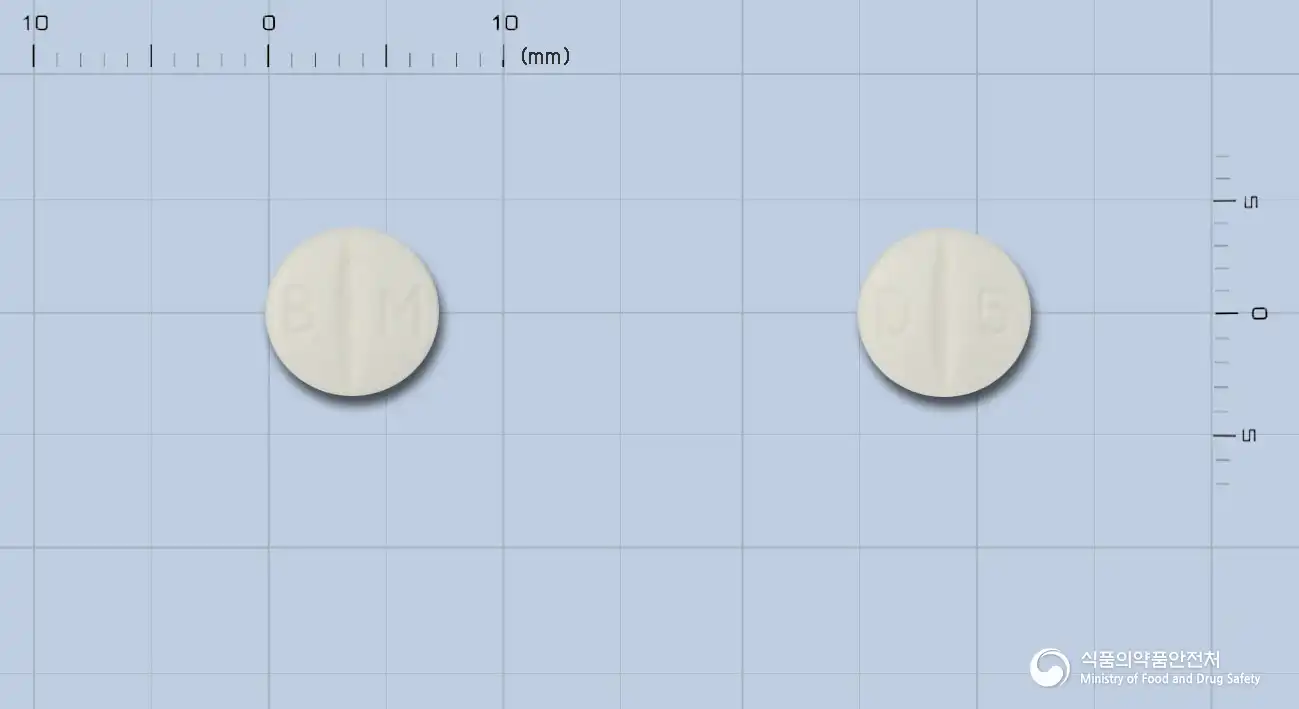
Carvedilol 25mg
Tablet · Prescription medication
Jongkun Dang Co., Ltd.
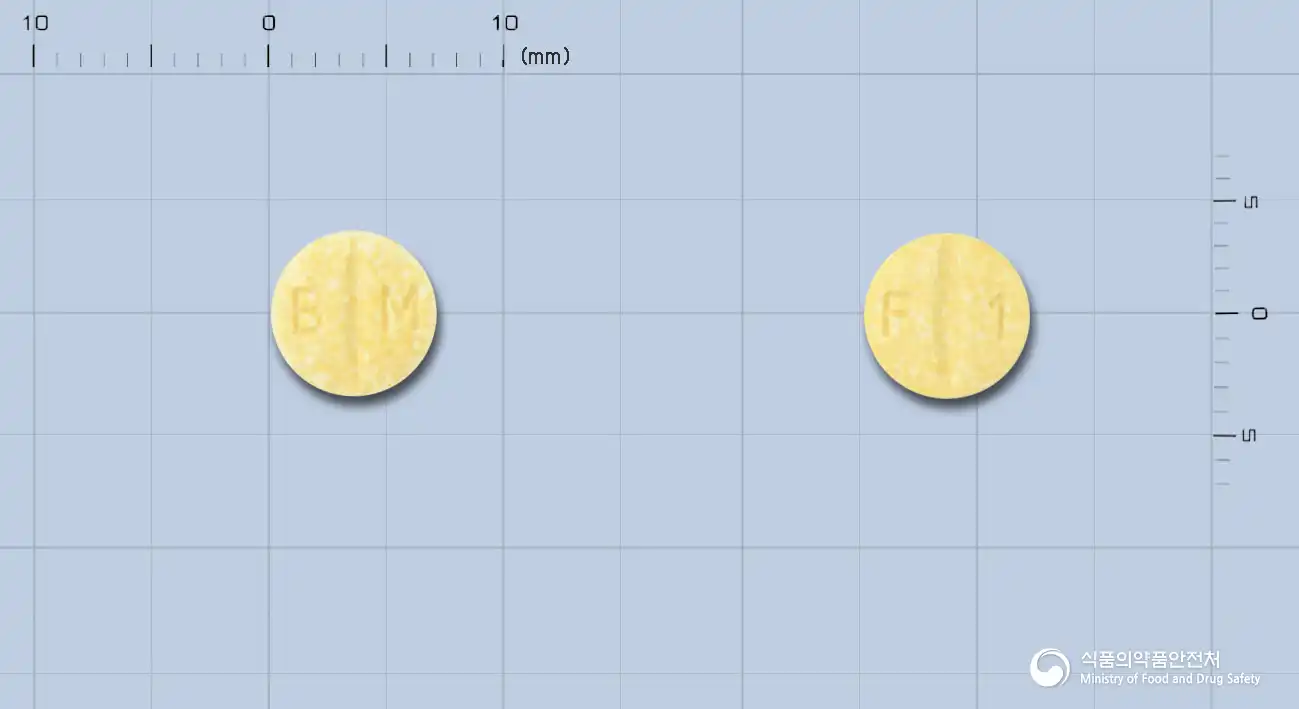
Carvedilol 6.25mg
Tablet · Prescription medication
Jongkundang Co., Ltd.
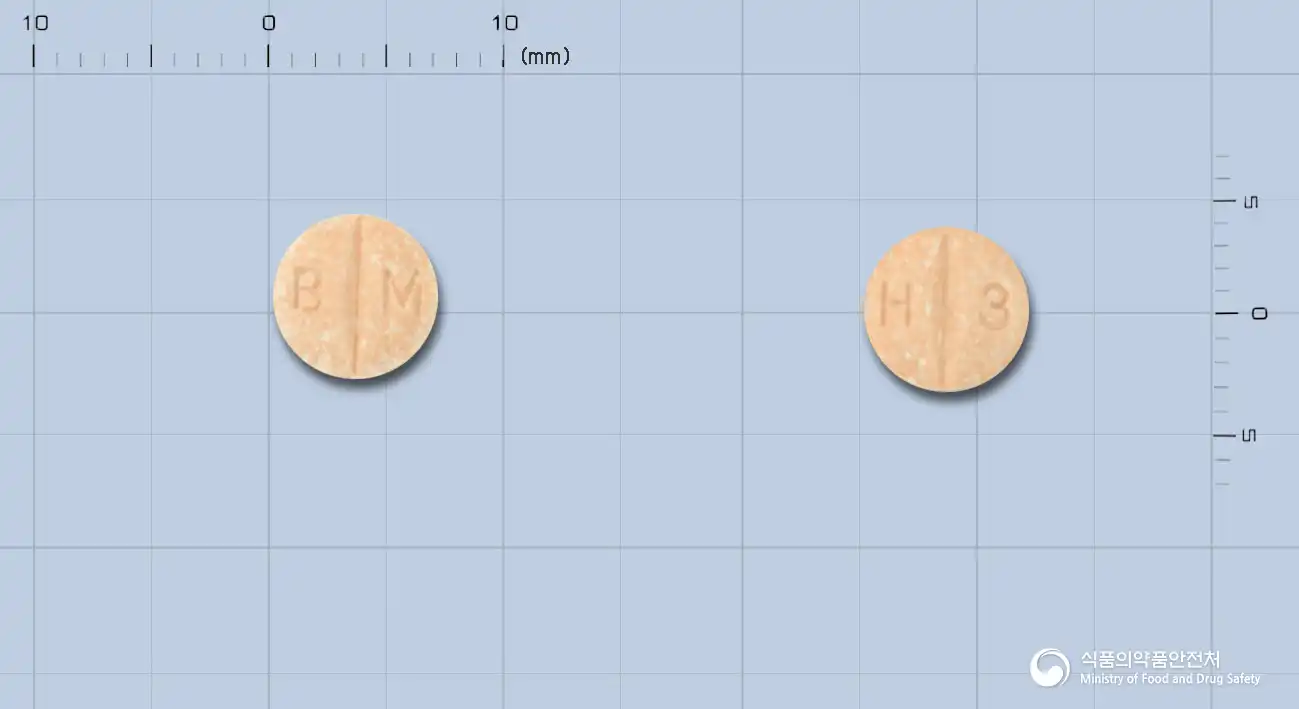
Carvedilol 12.5mg
Tablet · Prescription medication
Jongkundang Co., Ltd.
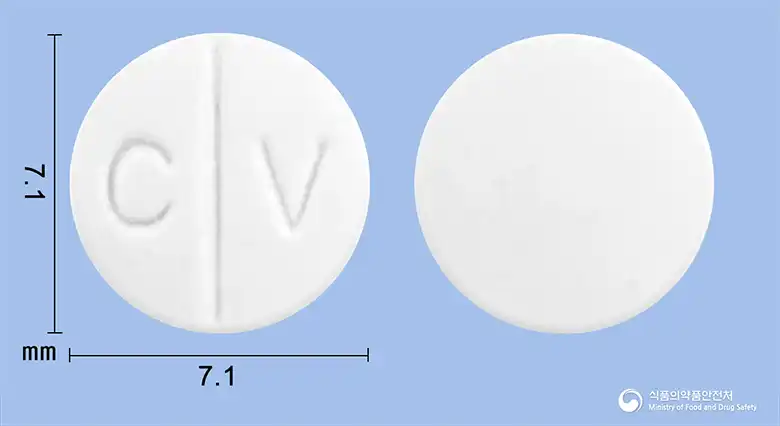
Carvedilol 25mg
Tablet · Prescription medication
Hanmi Pharmaceutical Co., Ltd.
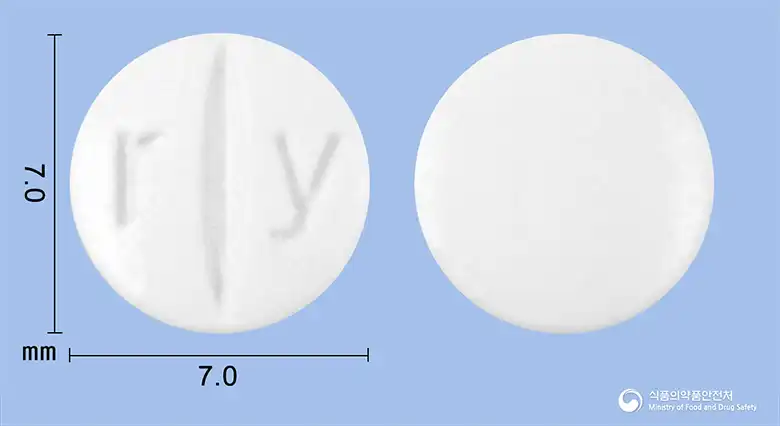
Carvedilol 25mg
Tablet · Prescription medication
Lee Yeon Pharmaceuticals Co., Ltd.
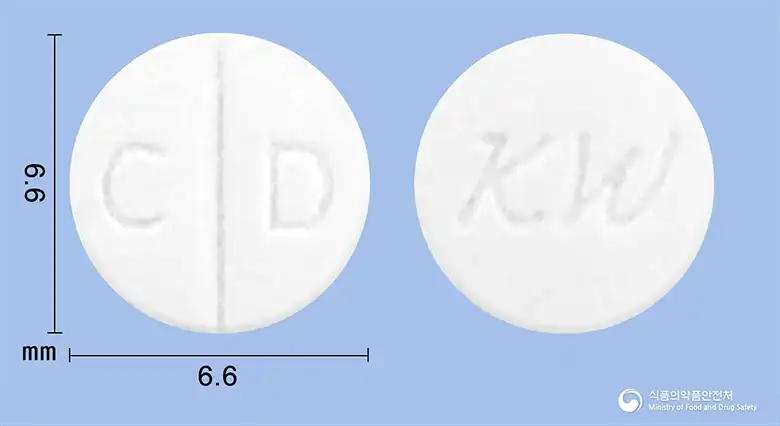
Carvedilol 25mg
Tablet · Prescription medication
Albozen Korea Co., Ltd.
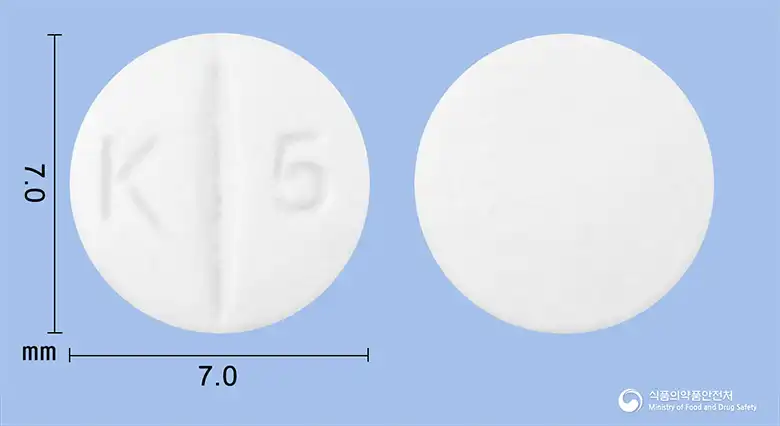
Carvedilol 25mg
Tablet · Prescription medication
Myungin Pharmaceutical Co., Ltd.
Even with the same ingredient, the dose and directions can differ by strength and dosage form. Talk to a doctor or pharmacist before switching from a medication you are already taking.
No questions yet.
For anything that needs medical judgment, consult a doctor or pharmacist.
This drug information is based on data provided by the Korea Ministry of Food and Drug Safety.
Consult a doctor or pharmacist for accurate dosage, administration, and usage instructions.