
 한국어
한국어 English
 日本語
日本語 中文(简体)
 Viewing now
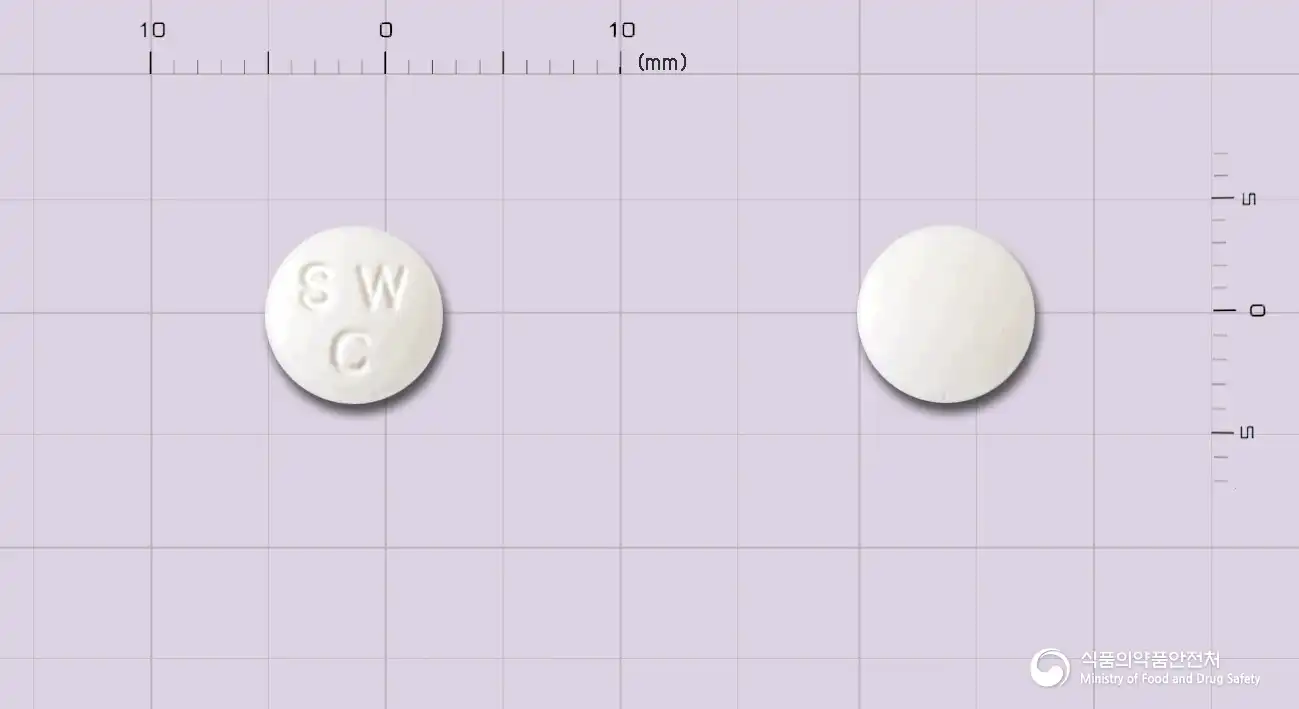
Decoin Tablets (Codeine Phosphate Hydrate)
Codeine Phosphate Hydrate 20mg
Tablet · Prescription medication
Sungwon Adcock Pharmaceutical Co., Ltd.
MFDS item code 200308509 · Approved 2003.04.16 · Insurance code 664900030
Relief of coughing associated with respiratory diseases (bronchitis, pneumonia) and reduction of inflammatory pain
This medication is used to soothe coughs associated with various respiratory diseases such as bronchitis, pneumonia, pharyngitis, laryngitis, and bronchial asthma in adults over 19 years. It also has pain-relieving effects that help improve various pain symptoms. It is used to alleviate acute moderate inflammatory pain in children aged 13 to 18 years that is not controlled by acetaminophen or ibuprofen. Thus, it is effective in soothing coughs and relieving pain across different age groups, aiding the treatment of respiratory diseases and inflammatory pain.
As Codeine Phosphate Hydrate, the recommended dose is 20 mg taken orally, three times a day. This dose can be administered at least every 6 hours up to a maximum of four times a day. The maximum daily dosage must not exceed 240 mg. It should be adjusted appropriately according to the symptoms.
As Codeine Phosphate Hydrate, the recommended daily dose is 30 - 60 mg, divided and administered every 6 hours. The daily recommended dosage is based on weight (0.5 - 1 mg/kg). The maximum administration limit per day is 240 mg.
This medication acts by converting codeine to morphine, the active metabolite, in the liver for pain relief. However, due to individual differences in metabolic enzymes, the rate of morphine formation can vary, leading some patients to experience serious side effects due to rapid morphine formation. If symptoms such as slow or shallow breathing, confusion, insomnia, constricted pupils, constipation, or loss of appetite occur during treatment, the medication should be stopped immediately, and a doctor should be consulted. It is especially advisable not to use this medication in patients under 18 years who are obese or have lung disease. Caution is required when taking this medication with other CNS depressants or alcohol, as it can lead to severe respiratory depression or coma, and even death. Patients with acute respiratory depression, asthma attacks, severe liver impairment, hemorrhagic colitis, post-operative patients, children under 12 years, pregnant or breastfeeding women should not take this medication. Patients with weakened heart, liver, renal function, the elderly, and those with a history of drug dependence should use this medication with extra caution and closely monitor for adverse reactions. This medication can cause dependence with long-term use, so do not suddenly reduce or stop the dosage, and consult a doctor if withdrawal symptoms arise. Drowsiness or dizziness may occur during treatment, so it is advisable to avoid driving or operating hazardous machinery. This medication is secreted in breast milk and may be harmful to nursing infants, so it should not be taken while breastfeeding. In case of overdose, there is a risk of severe respiratory depression and loss of consciousness, so emergency care should be sought immediately, and narcotic antagonists may be administered if necessary. This medication should be stored out of reach of children and not transferred to other containers. Additionally, it may rapidly convert to morphine in individuals with certain genotypes, increasing the risk of toxicity, so caution is needed based on individual metabolic status.
Drowsiness, dizziness, difficulty in vision adjustment, sweating, nausea, vomiting, constipation, arrhythmia, blood pressure changes, flushing, rash, itching, urination issues, yawning, sneezing, tearing, perspiration, diarrhea, abdominal pain, pupil dilation, headache, insomnia, anxiety, hallucinations, tremors, pain in muscles and joints throughout the body, palpitations, confusion, forgetfulness
Not everyone experiences these, and they can vary from person to person.
This medication is sensitive to light and should be stored in a container that does not allow light in. Additionally, it is important to store the medication in a cool room temperature, between 1 to 30 degrees Celsius, to maintain its effectiveness.
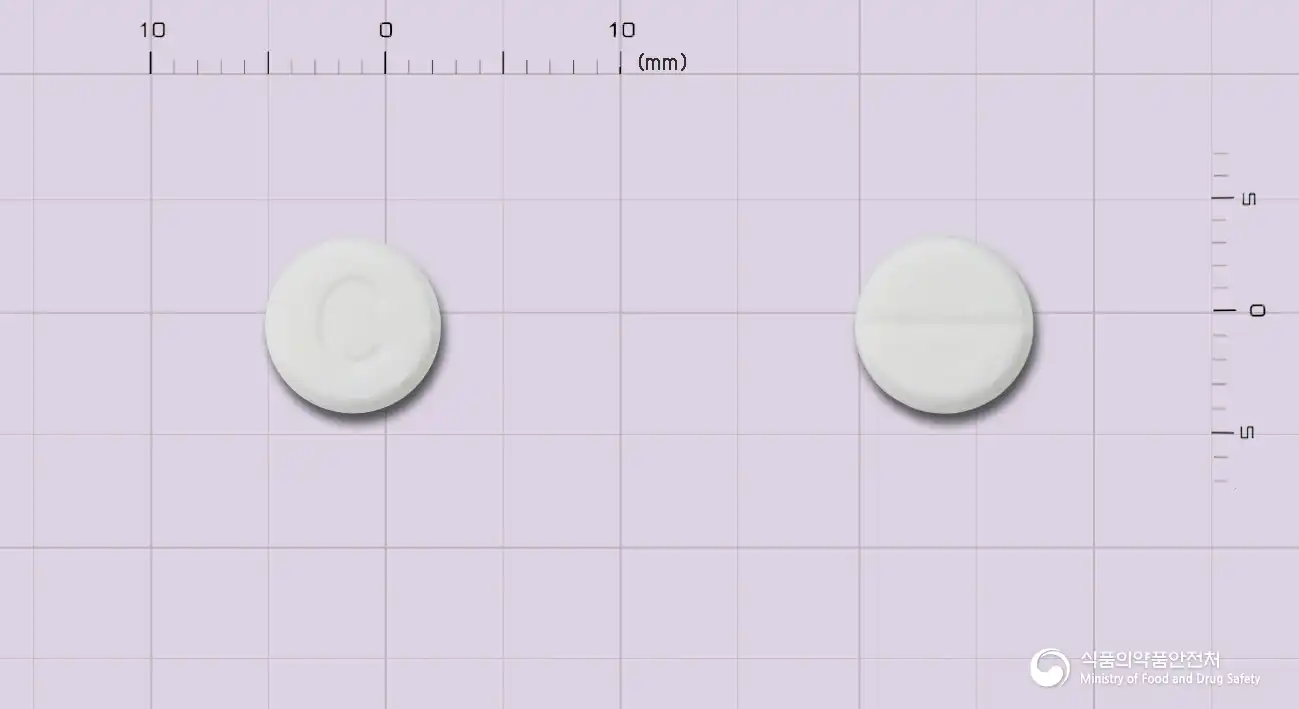
White to yellow round tablets
100 tablets per box
Even with the same ingredient, strength, dosage form and how it is taken can differ.
Viewing nowCodeine Phosphate Hydrate 20mg
Tablet · Prescription medication
Sungwon Adcock Pharmaceutical Co., Ltd.
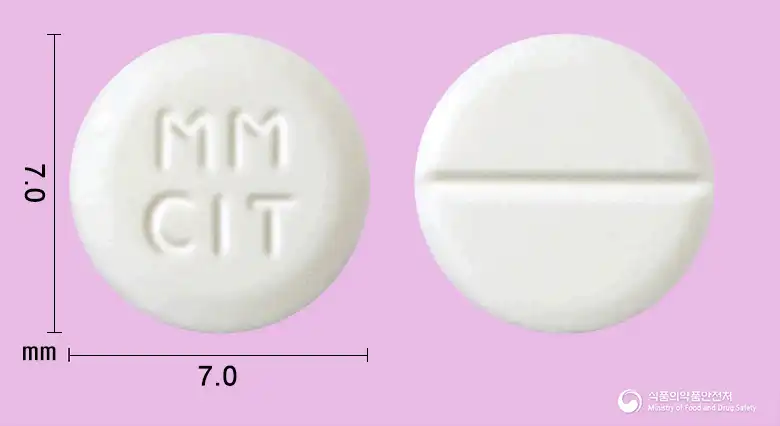
Codeine Phosphate Hydrate 20mg
Tablet · Prescription medication
Myungmoon Pharmaceutical Co., Ltd.
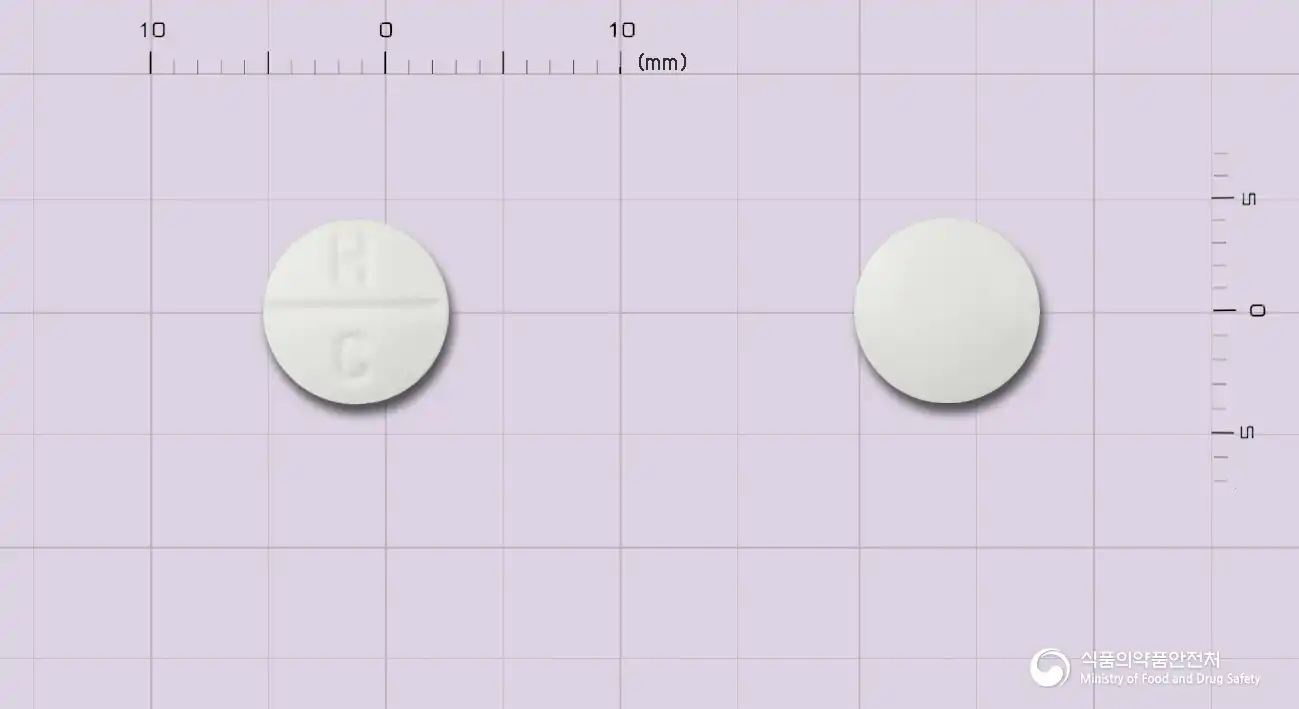
Codeine Phosphate Hydrate 20mg
Tablet · Prescription medication
Hana Pharmaceutical Co., Ltd.
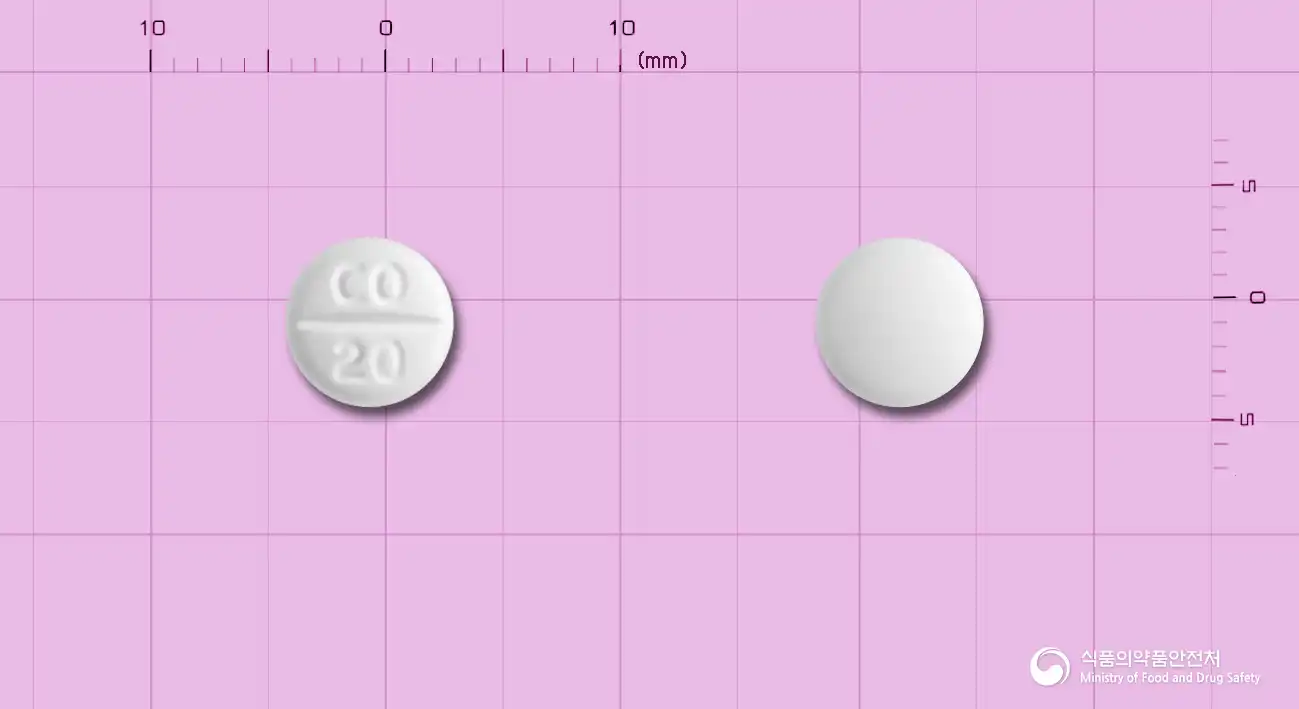
Codeine Phosphate Hydrate 20mg
Tablet · Prescription medication
BC World Pharma Co., Ltd.
Codeine Phosphate Hydrate 20mg
Tablet · Prescription medication
Guju Pharmaceutical Co., Ltd.
Even with the same ingredient, the dose and directions can differ by strength and dosage form. Talk to a doctor or pharmacist before switching from a medication you are already taking.
No questions yet.
For anything that needs medical judgment, consult a doctor or pharmacist.
This drug information is based on data provided by the Korea Ministry of Food and Drug Safety.
Consult a doctor or pharmacist for accurate dosage, administration, and usage instructions.