
 한국어
 English
 日本語
 中文(简体)
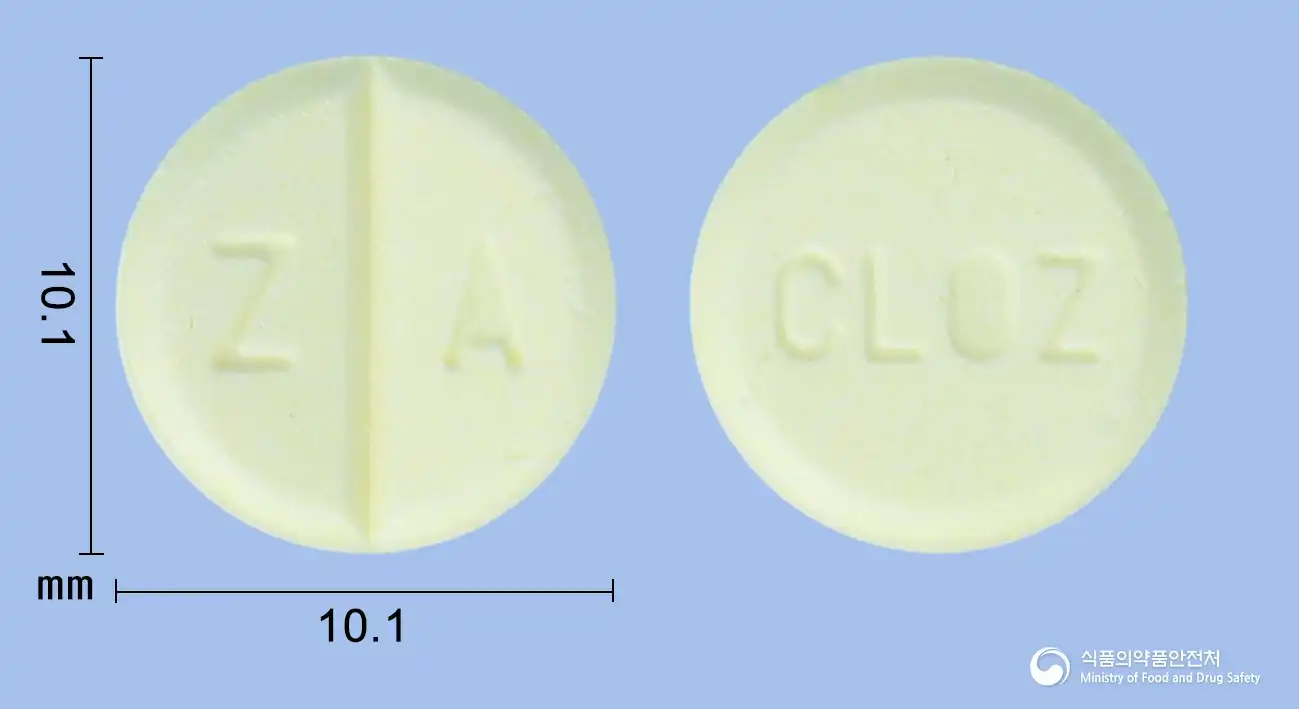 Viewing now
Clozaril Tablet 100 mg (Clozapine)
Clozapine 100mg
Tablet · Prescription medication
Hanin Pharmaceutical Co., Ltd.
MFDS item code 200307799 · Notified 2003.05.07 · Insurance code 657203420
Treatment of treatment-resistant schizophrenia and schizophrenia with severe extrapyramidal adverse effects; reduction of the risk of suicidal behavior
This medication is used to treat patients with drug-resistant schizophrenia and those exhibiting severe extrapyramidal side effects. Additionally, it assists in reducing the risk of suicidal behavior in patients with schizophrenia or schizoaffective disorder who are at risk of suicide. Therefore, this medication is effective in improving various symptoms and complications of schizophrenia.
The therapeutic dose of this medicine should be adjusted according to the patient's clinical condition, and the minimum effective dose should be used whenever possible. Careful dose titration and divided dosing are needed to minimize the risk of hypotension, seizures, or sedation. The recommended doses are as follows: 1. Adults ① Initial dose: On Day 1, administer 12.5 mg (1/2 of a 25 mg tablet) once or twice, followed by 1 tablet of 25 mg once or twice on Day 2. If well tolerated, the dose may be increased by 25 ~ 50 mg daily, up to 300 mg daily by Weeks 2 ~ 3. Thereafter, if needed, the daily dose may be further increased by 50 mg to 100 mg once or twice weekly (once-weekly increases are preferred). ② Effective dose range: An antipsychotic effect can be expected in most patients with 200 mg ~ 450 mg daily in 2 ~ 4 divided doses, although some patients may require a daily dose of up to 600 mg. If the total daily dose cannot be divided equally, take the largest dose at bedtime. ③ Maximum dose: In some cases, the dose may need to be increased to 900 mg daily to achieve an adequate effect; the maximum individual dose increase is 100 mg. (If the daily dose exceeds 450 mg, the possibility of adverse reactions at these doses, particularly an increased risk of seizures, must be considered.) ④ Maintenance dose: After achieving the maximum therapeutic effect, most patients can continue treatment at a lower dose, which should be carefully reduced to a daily dose of 150 mg ~ 300 mg. Treatment should continue for at least 6 months. If the daily dose does not exceed 200 mg, it may be administered as a single dose in the evening. ⑤ Discontinuation of treatment: When discontinuing Clozaril treatment, the dose should be gradually reduced over 1 ~ 2 weeks. If treatment must be stopped abruptly (e.g., leukopenia), the patient's mental status and withdrawal symptoms (recurrence of psychotic symptoms and cholinergic rebound symptoms) should be carefully monitored. ⑥ Resuming treatment with Clozaril: If 2 days or more have elapsed since the last dose of this medicine, resume treatment with 12.5 mg (1/2 of a 25 mg tablet) once or twice on Day 1. If this dose is well tolerated, the dose may be increased to the therapeutic dose more rapidly than recommended for initial treatment. However, considerable caution is required in patients who experienced respiratory or cardiac arrest during initial use, even if these events were managed continuously and successfully. ⑦ Switching from an existing antipsychotic to Clozaril In general, Clozaril should not be administered concomitantly with existing antipsychotics. If Clozaril treatment is to be initiated in a patient currently receiving another oral antipsychotic, reduce the dose of the other antipsychotic or gradually taper it to discontinuation. Depending on the clinical situation, the physician should decide whether to discontinue the other antipsychotic before initiating Clozaril. 2. Administration in special populations 1) Older adults Treatment in older adults should be started at a particularly low dose (12.5 mg of this medicine on Day 1), and subsequent increases should not exceed 25 mg daily. 2) Patients with a history of seizures or renal or cardiovascular disorders For patients with a history of seizures or renal or cardiovascular disorders (Note: see contraindications for patients with severe renal or cardiovascular disorders), give a single initial dose of 12.5 mg on Day 1 and increase the dose gradually in small increments. 3) Patients with hepatic impairment A low initial dose and slow dose adjustment are recommended for patients with hepatic impairment.
No clinical trials have been conducted in children. The safety and efficacy of this medicine have not been established in children and adolescents under 18 years of age.
This medication can cause a severe blood disorder known as agranulocytosis, which can be life-threatening, so patients must be registered in a monitoring system designated by their doctor and pharmacist. This drug should only be used for patients with schizophrenia who do not respond to standard treatment or experience severe side effects, those with a risk of suicide, and those who can have regular blood tests before and during treatment. Blood tests must be conducted weekly for the first 18 weeks, and subsequently at least every four weeks, to carefully monitor white blood cell and neutrophil counts. If symptoms of infection, fever, or sore throat develop during treatment, the patient must inform their physician immediately. This medication can induce seizures; thus, it should be used with caution in patients with a history of seizures or seizure risk, and patients should be advised to avoid risky activities that could lead to loss of consciousness. Due to the risk of fatal myocarditis, care must be taken for cardiac symptoms during the first month after administration, and the medication should be discontinued immediately if symptoms are suspected. Orthostatic hypotension or syncope, and severe fatigue may occur, particularly when used in combination with other sedatives or antipsychotic medications. Elderly patients or those with dementia may have an increased risk of mortality, so the use of this drug is not recommended; consideration of thromboembolic risk factors for venous thromboembolism is also necessary, and preventive measures should be taken. This drug should not be administered to patients who have a history of allergic reactions to this medication or its components, patients with impaired bone marrow function, serious cardiac or liver disease, or those who cannot regularly complete blood tests. Common side effects of this medication may include drowsiness, dizziness, constipation, excessive salivation, tachycardia, and rare but serious effects such as cardiac arrhythmias, liver dysfunction, blood abnormalities, and severe infections. To prevent fatal adverse reactions, regular blood tests must be strictly conducted before and during administration, and if there is a sharp decline in white blood cell counts, administration must be stopped immediately and follow medical advice. This drug has many potential drug interactions, particularly when used with medications that could impair bone marrow function, central nervous system depressants, anticholinergic medications, and drugs that affect CYP450 enzymes. It should not be administered to pregnant or breastfeeding women, and women of childbearing potential must utilize effective contraception. In case of overdose, severe toxicity symptoms and risk of death are present, so the prescribed dosage must be strictly adhered to, and if an overdose is suspected, the patient should visit a medical institution immediately. This medication should be kept out of reach of children, should not be repackaged, and precautions should be taken against falls during treatment, avoiding driving or operating machinery.
Not everyone experiences these, and they can vary from person to person.
This medication may be sensitive to air or moisture, so it must be stored in a tightly sealed container. Additionally, it is best to store the medication at room temperature between 1°C and 30°C. This helps maintain the medication's effectiveness for a longer period.
Yellow round tablets
50 tablets (10 tablets/PTP pack X 5)
Even with the same ingredient, strength, dosage form and how it is taken can differ.
Viewing nowClozapine 100mg
Tablet · Prescription medication
Hanin Pharmaceutical Co., Ltd.
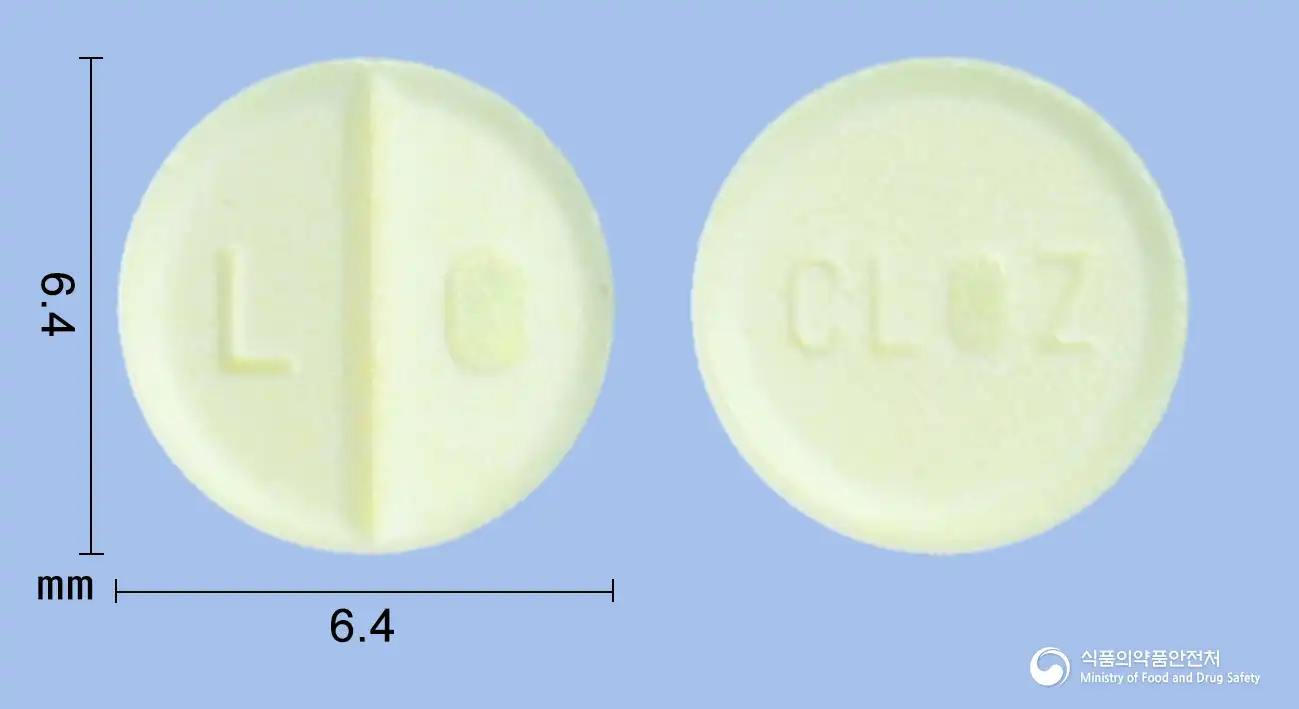
Clozapine 25mg
Tablet · Prescription medication
Hwanin Pharmaceutical Co., Ltd.
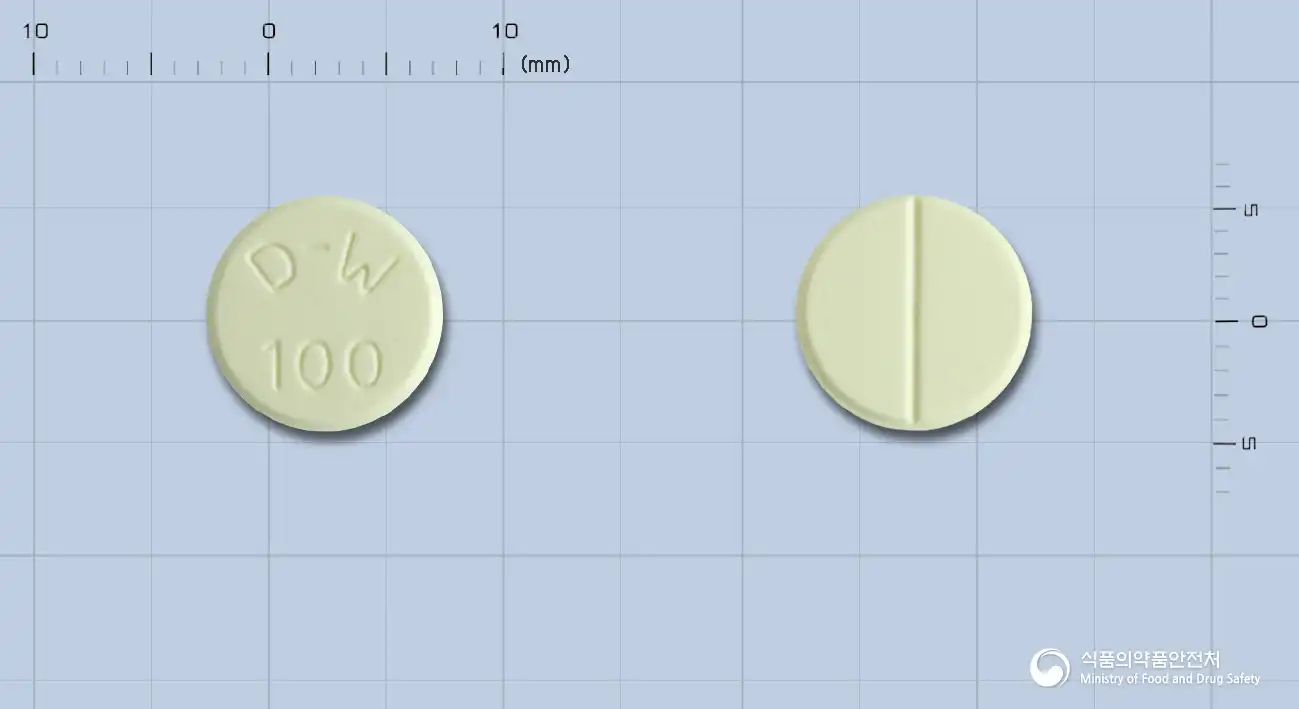
Clozapine 100mg
Tablet · Prescription medication
Dongwha Pharmaceutical Co., Ltd.
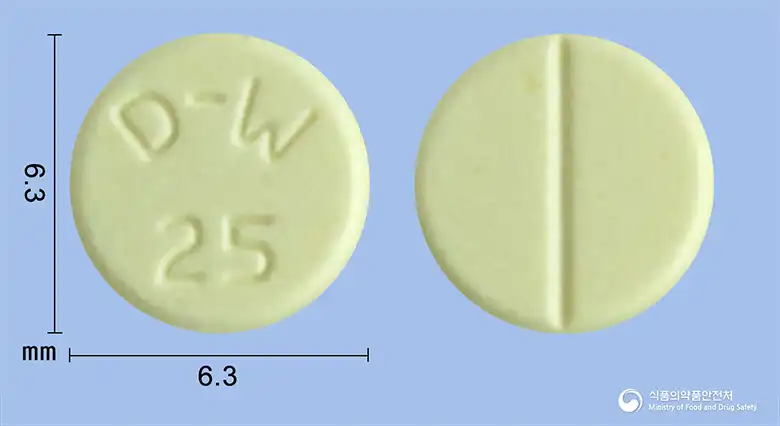
Clozapine 25mg
Tablet · Prescription medication
Dongwha Pharmaceutical Co., Ltd.
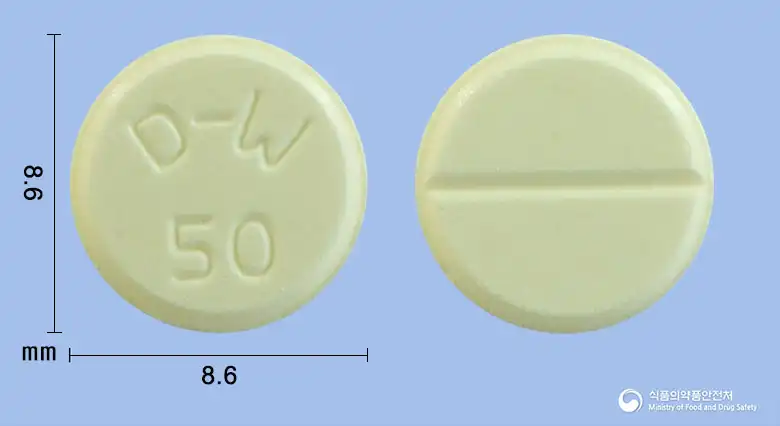
Clozapine 50mg
Tablet · Prescription medication
Dongwha Pharmaceutical Co., Ltd.
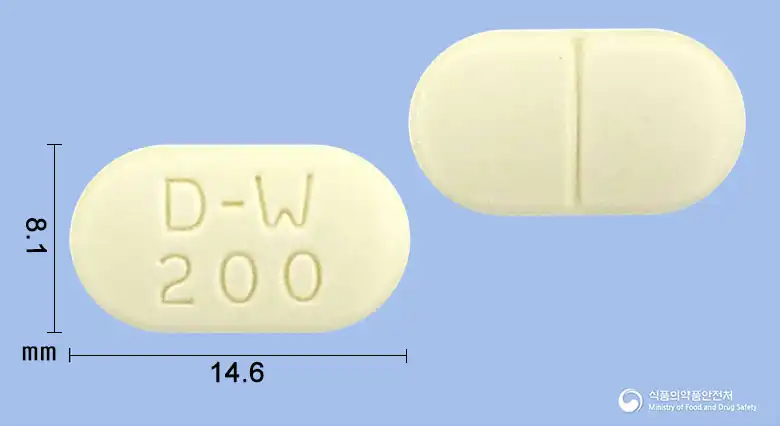
Clozapine 200mg
Tablet · Prescription medication
Dongwha Pharmaceutical Co., Ltd.
Even with the same ingredient, the dose and directions can differ by strength and dosage form. Talk to a doctor or pharmacist before switching from a medication you are already taking.
No questions yet.
For anything that needs medical judgment, consult a doctor or pharmacist.
This drug information is based on data provided by the Korea Ministry of Food and Drug Safety.
Consult a doctor or pharmacist for accurate dosage, administration, and usage instructions.