
 한국어
한국어 English
 日本語
日本語 中文(简体)
 Viewing now
Albogen Cimetidine Tablet 400mg
Cimetidine 400mg
Tablet · Prescription medication
Albogen Korea Co., Ltd.
MFDS item code 200302205 · Notified 2003.09.05 · Insurance code 652603720
Improvement of gastric and duodenal ulcers and gastric mucosal lesions (erosions, bleeding, etc.)
This medication is effective for various gastrointestinal disorders such as ulcers in the stomach and duodenum, gastroesophageal reflux disease, recurrent ulcers, anastomosis ulcers, and Zollinger-Ellison syndrome. It is also used to improve gastric mucosal lesions, like erosions, bleeding, redness, and swelling, occurring in acute exacerbations of acute gastritis and chronic gastritis. This medication helps protect the gastric mucosa and alleviate inflammation, thereby improving symptoms. It is effective in reducing discomfort caused by gastrointestinal disorders and improving digestive health.
Adults: Administer 400 mg (as cimetidine) orally twice a day (morning, bedtime) or 800 mg once a day (at bedtime). You may administer 300 mg orally four times a day (after meals, bedtime). The dosage can be increased to 400 mg four times a day (after meals, bedtime) for a total of 1.6 g. In acute cases of acute gastritis and exacerbations of chronic gastritis, administer 200 mg twice a day or 40 mg once a day.
Children: Administer orally in divided doses of 20-40 mg per kg of body weight per day.
Care must be taken when cutting a glass ampule if this medication is in injectable form. If glass fragments mix in, adverse reactions can occur, especially when used by children or the elderly. People who have hypersensitivity to this medication or are allergic to any of its components should not take it. Patients taking certain medications that carry the risk of specific cardiac arrhythmias should also avoid using it. Patients with lactose intolerance or certain genetic metabolic disorders should also refrain from using this medication. Patients with impaired kidney or liver function may experience increased concentration of this medication, so dosages should be adjusted or intervals extended with caution. Elderly patients, children, and patients undergoing hemodialysis should also take this medication cautiously, and conditions indicating gastric cancer should be confirmed before use as symptoms may be obscured. Patients who test positive for Helicobacter pylori should also undergo eradication treatment. While taking this medication, various side effects such as leukopenia, liver function abnormalities, kidney issues, allergic reactions, gynecomastia, digestive disorders, neuropsychiatric symptoms, cardiac arrhythmias, and severe skin reactions might occur. If any abnormal symptoms appear, discontinue the medication immediately and consult your doctor. The medication should be administered in the minimal effective dosage, and if it is not effective, other treatments should be considered. Regular monitoring of conditions is particularly important for elderly patients and those with a history of peptic ulcers. Interaction with other medications may occur when taken together, so it should only be taken after consulting a physician. The safety of this medication has not been established for pregnant or breastfeeding women, and it should only be used when absolutely necessary; breastfeeding should be suspended during treatment. Caution should be exercised when administering it to children, and elderly patients may need dosage adjustments due to impaired kidney function. In cases of overdose, there is a risk of respiratory depression, and immediate medical treatment should be sought. When used as an injectable, it should be administered slowly to reduce the risk of side effects. This medication should be stored out of reach of children, and it is advisable not to transfer it to another container. Some reports suggest that it may affect certain reproductive organs in animal studies, although it is known not to have significant effects on reproductive capability in clinical settings.
Not everyone experiences these, and they can vary from person to person.
This medication should be stored in a tightly sealed container to prevent air and moisture ingress, ideally at room temperature between 1 and 30 degrees Celsius. Proper storage can help maintain the medication's efficacy and prevent deterioration.
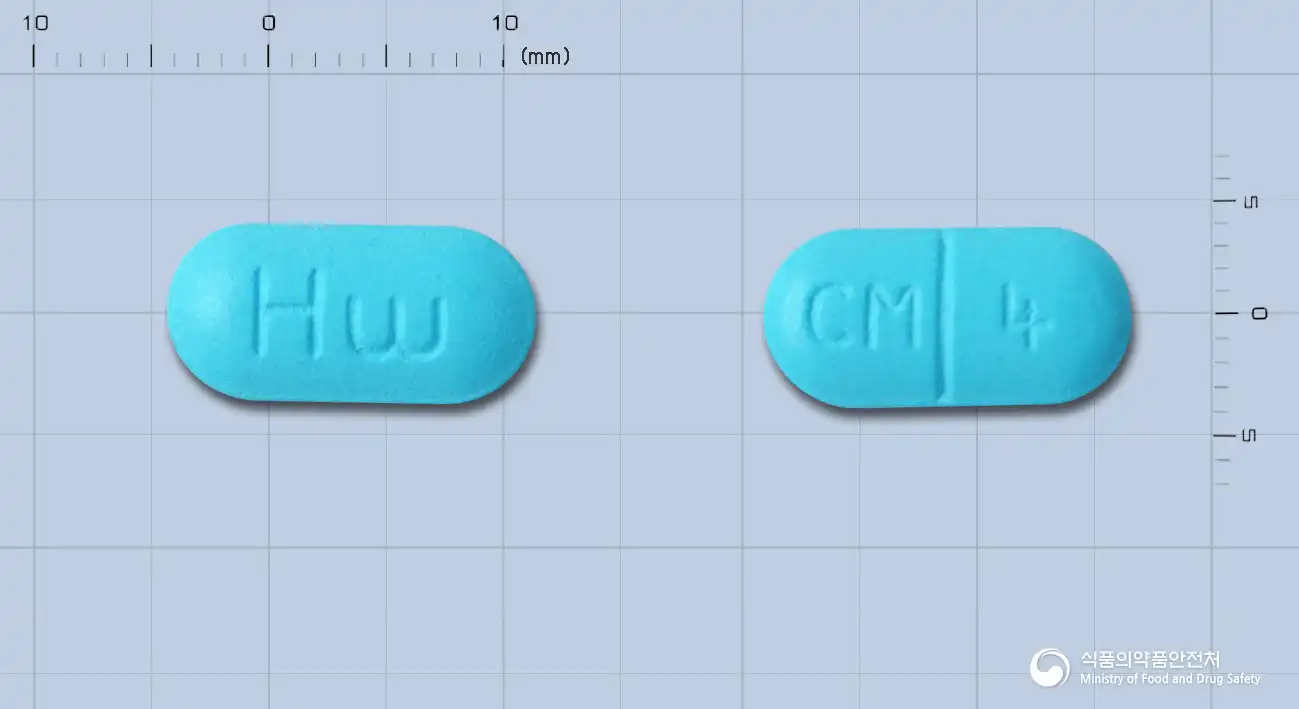
Pale blue oblong film-coated tablet
30 tablets/bottle, 300 tablets/bottle
Even with the same ingredient, strength, dosage form and how it is taken can differ.
Viewing nowCimetidine 400mg
Tablet · Prescription medication
Albogen Korea Co., Ltd.
Cimetidine 200mg
Tablet · Prescription medication
Ildong Pharmaceutical Co., Ltd.

Cimetidine 200mg
Tablet · Prescription medication
International Pharmaceutical Co., Ltd.
Cimetidine 100mg
Prescription medication
(Company) Yuhan Corporation

Cimetidine 200mg
Tablet · Prescription medication
Donghwa Pharmaceutical Co., Ltd.

Cimetidine 200mg
Tablet · Prescription medication
Bukwang Pharmaceutical Co., Ltd.
Cimetidine 200mg
Tablet · Prescription medication
Bionex Co., Ltd.

Cimetidine 300mg
Tablet · Prescription medication
Bukwang Pharmaceuticals Co., Ltd.
Even with the same ingredient, the dose and directions can differ by strength and dosage form. Talk to a doctor or pharmacist before switching from a medication you are already taking.
No questions yet.
For anything that needs medical judgment, consult a doctor or pharmacist.
This drug information is based on data provided by the Korea Ministry of Food and Drug Safety.
Consult a doctor or pharmacist for accurate dosage, administration, and usage instructions.