
 한국어
 English
 日本語
 中文(简体)
 Viewing now
Jsolone Tablet 4mg (Methylprednisolone)
Methylprednisolone 4mg
Tablet · Prescription medication
Vivozon Pharmaceutical Co., Ltd.
MFDS item code 200300864 · Notified 2003.01.21 · Insurance code 658201010
Treatment of inflammatory and immune disorders, endocrine, hematologic, and neoplastic diseases, and edema and infectious diseases
This medication is used to prevent acute exacerbations in endocrine disorders, such as adrenal cortical insufficiency, as well as in rheumatic diseases. It also aids in the treatment of connective tissue diseases like systemic lupus erythematosus and dermatomyositis and severe skin diseases. It is effective for severe asthma and atopic dermatitis among allergic diseases and helps alleviate inflammation and allergic reactions in ophthalmic diseases. It is also used for palliative management of ulcerative colitis, respiratory diseases, hematological diseases, and malignant tumors. This drug is utilized in neurological diseases such as acute exacerbations of multiple sclerosis and certain edematous disorders. Overall, it is effective in treating various inflammatory and immunological diseases.
The initial dose may vary from 4mg to 48mg per day of methylprednisolone, depending on the symptoms of the specific disease. In general, a low dose is sufficient for less severe conditions, but a high initial dose may be required in certain patients. The initial dose should be maintained or adjusted until a satisfactory response is achieved. If a satisfactory clinical outcome is not achieved after a reasonable period, discontinue treatment and switch to another appropriate therapy. The dose should be determined individually according to the disease being treated and the patient’s response. After an adequate response is achieved, an appropriate maintenance dose should be determined by reducing the initial dose at suitable intervals until the lowest dose that maintains an adequate clinical response is reached. Continuous monitoring of the dose is required. Situations that may require dosage adjustment include relief or worsening of the disease, individual differences in the patient’s response to the drug, and the effect on the patient of exposure to stressful circumstances that are not directly related to the symptoms of the disease being treated. In the latter case, it may be necessary to increase the dose for a period sufficient to achieve a satisfactory response in the patient’s condition. After long-term treatment, gradual dose reduction is recommended when discontinuing the drug. Multiple sclerosis For treatment of acute exacerbations of multiple sclerosis, administration of prednisolone 200mg daily for 1 week followed by prednisolone 80mg every other day for 1 month is effective (methylprednisolone 4mg is equivalent to prednisolone 5mg). ADT (Alternate Day Therapy) Alternate-day therapy is a regimen in which twice the daily dose is administered on one morning every 2 days. The purpose of this regimen is to enhance the effects of corticosteroids in patients requiring long-term drug therapy, while minimizing adverse effects such as pituitary-adrenal suppression, Cushingoid state, corticosteroid withdrawal symptoms, and growth suppression in children. The rationale for this treatment plan is based on the following 2 important premises: 1) The anti-inflammatory and therapeutic effects of corticosteroids persist longer than their physical presence and metabolic effects, and 2) Taking corticosteroids in the morning every other day allows nearly normal hypothalamic-pituitary-adrenal (HPA) activity to be reestablished on days when corticosteroids are not administered. A brief summary of HPA physiology may help explain this rationale. Free cortisol acts mainly through the hypothalamus, so a decrease in free cortisol stimulates the pituitary gland to increase production of adrenocorticotropic hormone (ACTH), while an increase in free cortisol suppresses ACTH secretion. Normally, the HPA system is characterized by a 24-hour activity rhythm. Serum ACTH levels rise from a low level at 10 p.m. to a peak at 6 a.m. The increased ACTH level stimulates adrenal cortical activity, causing plasma cortisol to peak between 2-8 a.m. This increase in cortisol decreases ACTH production and therefore also reduces adrenal cortical synthesis. As a result, plasma corticosteroid levels gradually decrease during the day, reaching a minimum around midnight. The 24-hour HPA rhythm is absent in Cushing's disease, which is a condition of adrenal cortical hyperfunction characterized by symptoms such as obesity with central fat distribution, thin skin that bruises easily, weakness and muscle wasting, hypertension, latent diabetes, osteoporosis, and electrolyte imbalance. The clinical manifestations of the same hyperadrenocorticism may typically occur during long-term corticosteroid therapy administered in divided doses throughout the day. If they occur, disruption of the diurnal rhythm due to sustained elevated corticosteroid levels during the night is likely to play an important role in the development of corticosteroid adverse effects. Avoiding persistently elevated plasma concentrations, even for a short period, may help prevent adverse effects. During typical pharmacologic-dose corticosteroid therapy, ACTH production is suppressed along with inhibition of cortisol production by the adrenal cortex. The time required for recovery of normal HPA activity varies according to the dose and duration of treatment. During this period, the patient is sensitive to any stressful circumstances. Although a single morning dose causes considerably less adrenal suppression than prednisolone (10mg) divided into 4 doses taken every 6 hours throughout the day, there is evidence that even slight suppression of adrenal activity caused by pharmacologic doses continues into the following day. In addition, a single dose of any corticosteroid has been shown to suppress the adrenal cortex for 2 days or longer. Methylprednisolone, hydrocortisone, prednisone, prednisolone, and other corticosteroids are considered short-acting (a single dose produces adrenal cortical suppression for 1¼ to 1½ days) and are therefore recommended for alternate-day therapy. The following points should be kept in mind when using alternate-day therapy: 1) The basic principles and indications for corticosteroid therapy should be applied. The advantages of ADT should not encourage indiscriminate use of corticosteroids. 2) ADT is a treatment technique that should generally be planned for patients requiring long-term corticosteroid drug therapy. 3) For less severe diseases with indications for corticosteroid therapy, ADT may be used initially. More severe disease will usually require a regimen of high doses divided throughout the day for initial control of disease progression. The initial suppressive dose should be continued until a satisfactory clinical response is obtained, usually for 4 to 10 days in many allergic and collagen diseases. It is important to keep the initial suppressive-dose period as short as possible, particularly if continuous use of alternate-day therapy is intended. Once control is achieved, two approaches are possible. ① Switch to ADT and gradually reduce the amount of corticosteroid given every other day. ② According to control of disease progression, reduce the daily corticosteroid dose to the minimum effective dose as soon as possible, and then change to an alternate-day schedule. Theoretically, approach ① is more preferable. 4) Because of the advantages of ADT, this form of treatment is desirable for patients who have taken corticosteroids daily for a long period (for example, rheumatoid arthritis). These patients may already have HPA-axis suppression, so establishing an ADT regimen may be difficult and is not always successful. However, regular attempts to switch are recommended. If this is difficult, administering 3 or even 4 times the daily dose every other day is preferable to simply doubling the daily dose. Once the patient is controlled again, attempts should be made to reduce this dose to the minimum. 5) As mentioned above, some corticosteroids are not recommended for alternate-day therapy because they suppress adrenal function for a long time (for example, dexamethasone, betamethasone). 6) Maximum adrenal cortical activity occurs from 2 a.m. to 8 a.m., and minimum activity from 4 p.m. to midnight. When administered during the period of maximum activity (in the morning), exogenous corticosteroids suppress adrenal cortical activity the least. 7) As with any treatment setting, when using ADT it is important to provide individualized and appropriate treatment for each patient. Complete control of symptoms is not possible in every patient. Explaining the benefits of ADT will help patients understand and tolerate unstable symptoms that may occur later in the day on days when they do not take corticosteroids. If necessary, other symptomatic treatments may be added or increased during this period. 8) If an acute exacerbation occurs during the course of the disease, it may be necessary to return to a suppressive dose of corticosteroids divided throughout the day for control. Once control is achieved, the established alternate-day regimen can be tried again. 9) Although many adverse effects of corticosteroid therapy may be minimized with ADT, as in any treatment setting, physicians should carefully consider the benefit-risk ratio of treatment for each patient in whom corticosteroid therapy is being considered.
This medication should not be administered to certain patients. For example, patients with allergies to this drug or its components, those with untreatable infections or systemic fungal infections, or those with herpes simplex, shingles or chickenpox must not use it. Additionally, patients receiving live vaccines or those with genetic issues such as lactose intolerance should not take this medication. This drug must be used carefully in some patients. Patients with glaucoma, tuberculosis, cataracts, electrolyte abnormalities, hypertension, thrombosis, recent surgical history, heart disease, peptic ulcers, psychiatric conditions, osteoporosis, diabetes, renal failure, hypothyroidism, fatty liver, elderly patients, and others with various conditions may have worsening symptoms when taking this medication, hence caution is required. While on this medication, various side effects may occur, so careful monitoring is necessary. Potential issues include edema, hypertension, muscle weakness, osteoporosis, gastrointestinal problems, skin changes, neuropsychiatric issues, endocrine abnormalities, and eye problems. If any unusual symptoms occur, consult a healthcare professional immediately. Prolonged use could lead to severe issues such as adrenal insufficiency, so it should not be discontinued suddenly, and dosages should be decreased gradually. Additionally, it may increase susceptibility to infections, so care should be taken to avoid exposure to infectious diseases, and vaccinations may also have restrictions. This medication may interact with other drugs, so if any other medications are being taken, it is essential to inform the healthcare provider. Caution is particularly necessary when used concurrently with heart-related medications, antibiotics, anticoagulants, and diuretics. Pregnant or breastfeeding women should carefully consider the risks to the fetus or newborn when taking this medication, and it is advisable to discontinue breastfeeding. In children, side effects such as growth retardation may occur, so the minimum effective dose should be used, and growth status should be closely monitored. In elderly patients, the risk of side effects is higher, requiring more careful management. Care should be taken to avoid exposure to infectious diseases such as chickenpox or measles while taking this medication and if infection is suspected or occurs, seek medical attention immediately.
Edema, sodium retention, potassium loss, fluid retention, hypokalemic alkalosis, congestive heart failure, hypertension, myasthenia, avascular necrosis of the femoral head and humeral head, steroid myopathy, loss of muscle mass, pathologic fractures of the pelvis, osteoporosis, vertebral compression fractures, arthralgia, tendon rupture, increased ALT, increased AST, increased ALP, nausea, thirst, vomiting, abdominal pain, anorexia, hyperphagia, peptic ulcers, abdominal distension, pancreatitis, ulcerative esophagitis, diarrhea, delayed wound healing, facial erythema, thinning and fragile skin, abnormal sweating, petechiae, purpura, skin reaction suppression, purpura, acne, hirsutism, hair loss, pigmentation, nipple edema, increased intracranial pressure, seizures, dizziness, headaches, insomnia, euphoric state, depression, Cushing's syndrome, menstrual irregularities, pediatric growth suppression, symptoms of latent diabetes, secondary adrenal insufficiency, pituitary unresponsiveness, reduced glucose tolerance, increased requirement for insulin or oral hypoglycemic agents, suppression of adrenocorticotropic hormone secretion, increased intraocular pressure, glaucoma, posterior capsule cataract, secondary eye infections, retinal disorders, proptosis, nitrogen imbalance, immune system disorders, allergic reactions, shock, urticaria, anaphylactic reactions, hypersensitivity reactions
Not everyone experiences these, and they can vary from person to person.
This medication may be sensitive to air or humidity, so it should be stored in a tightly sealed container. Additionally, avoid extremely hot or cold places, and it is best to keep it at room temperature between 1°C and 30°C.
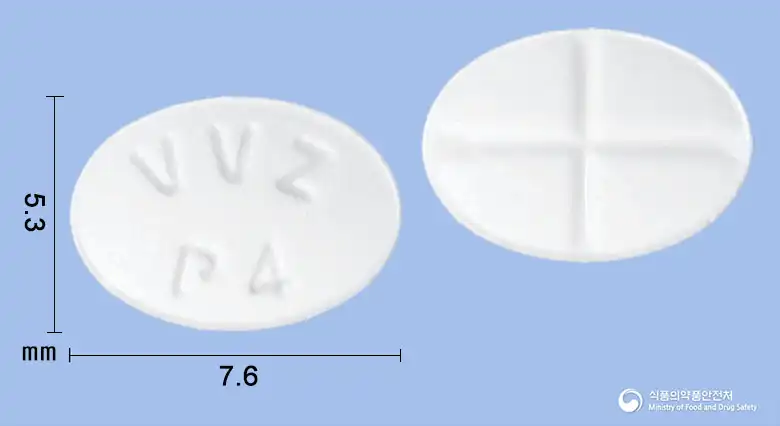
White oval tablet
30 tablets/bottle, 500 tablets/bottle
Even with the same ingredient, strength, dosage form and how it is taken can differ.
Viewing nowMethylprednisolone 4mg
Tablet · Prescription medication
Vivozon Pharmaceutical Co., Ltd.
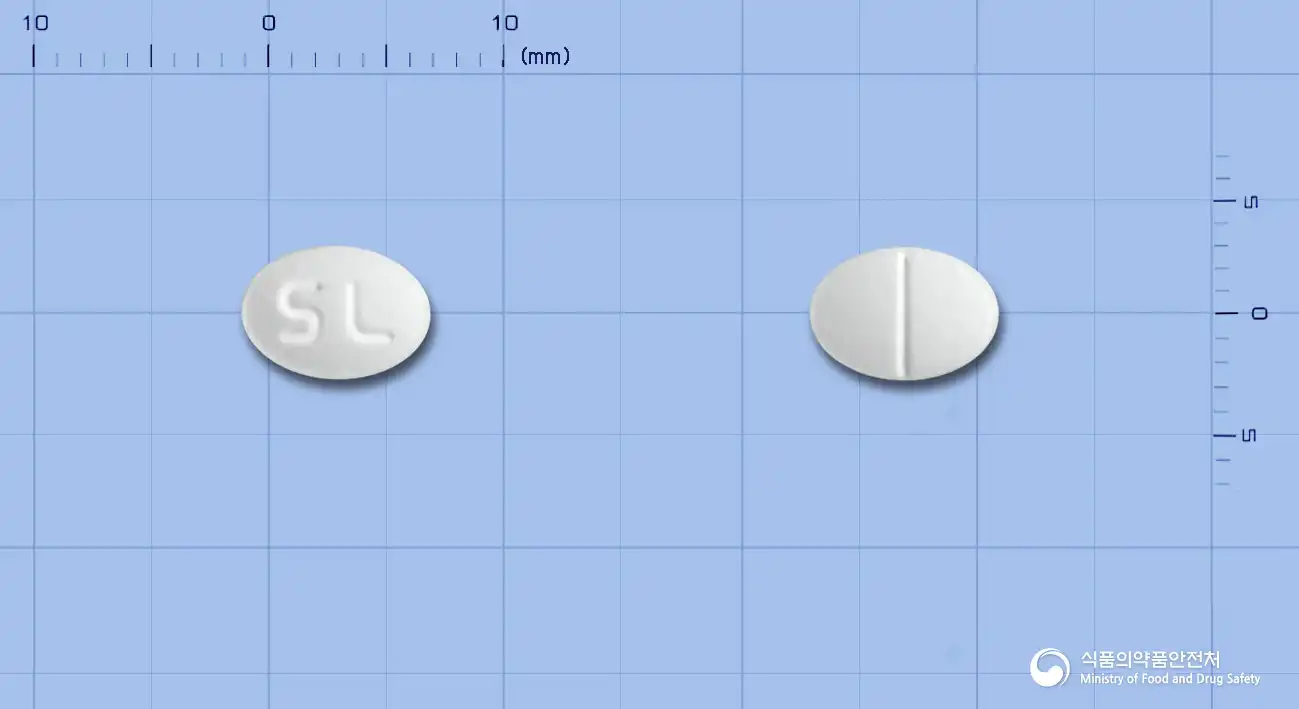
Methylprednisolone 4mg
Tablet · Prescription medication
Aprogen Biosciences, Inc.
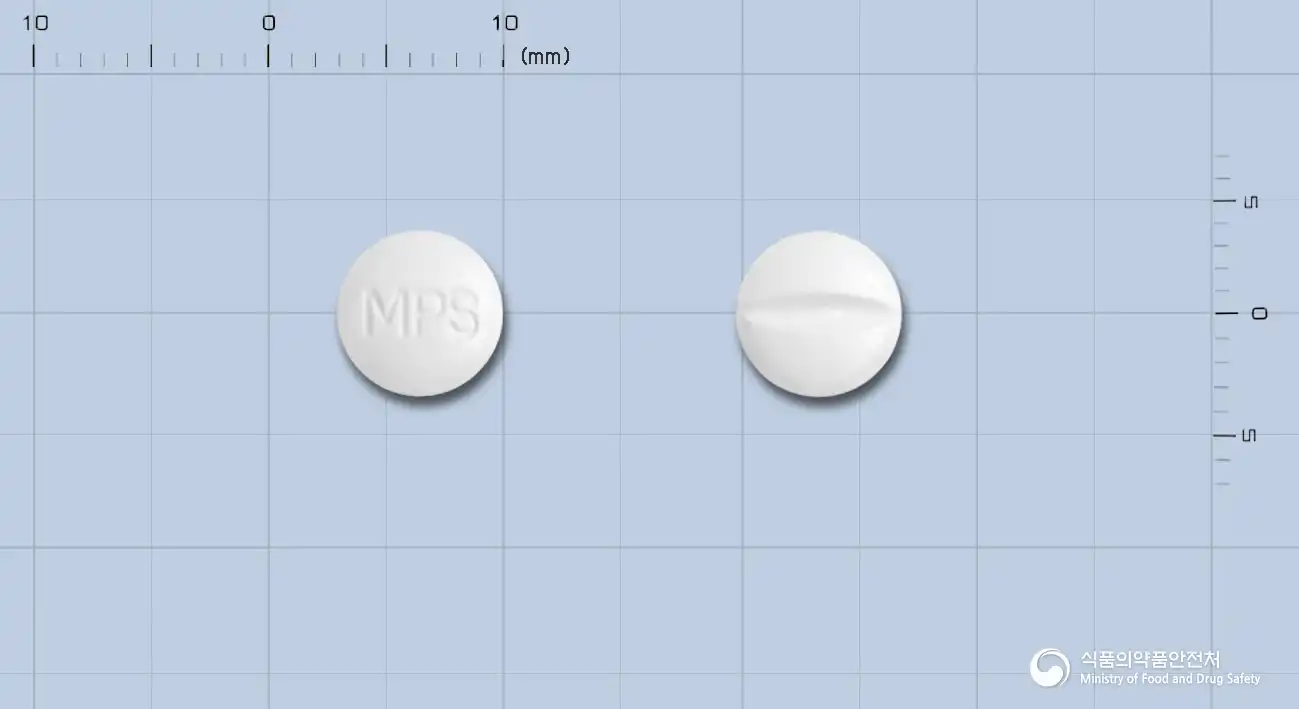
Methylprednisolone 4mg
Tablet · Prescription medication
BC World Pharmaceutical Co., Ltd.
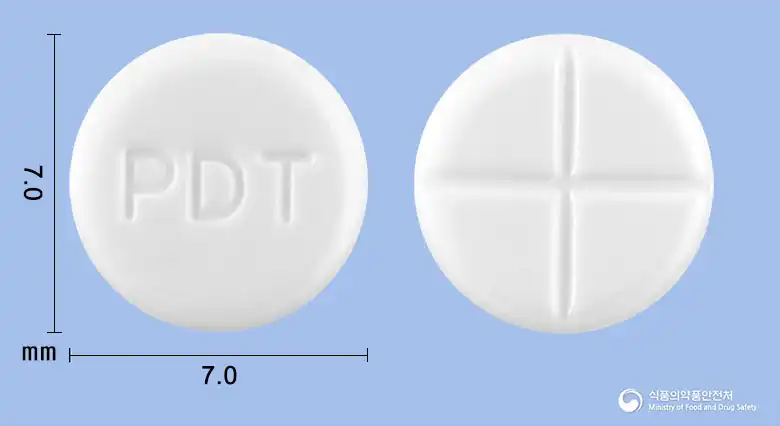
Methylprednisolone 4mg
Tablet · Prescription medication
JW Shin Pharmaceutical Co., Ltd.
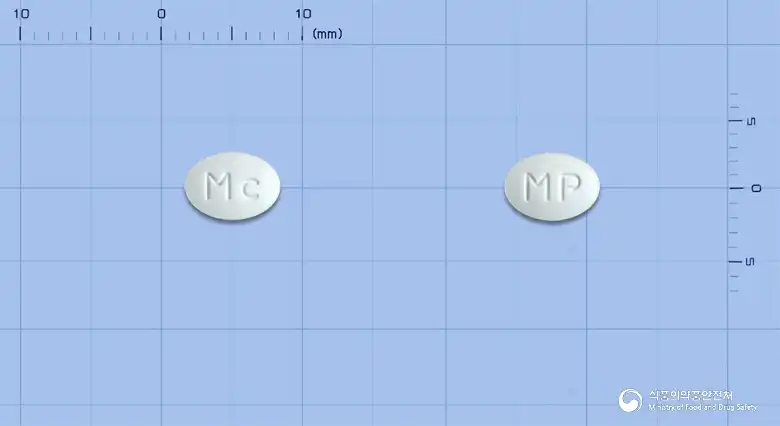
Methylprednisolone 4mg
Tablet · Prescription medication
MacNulty Pharmaceutical Co., Ltd.
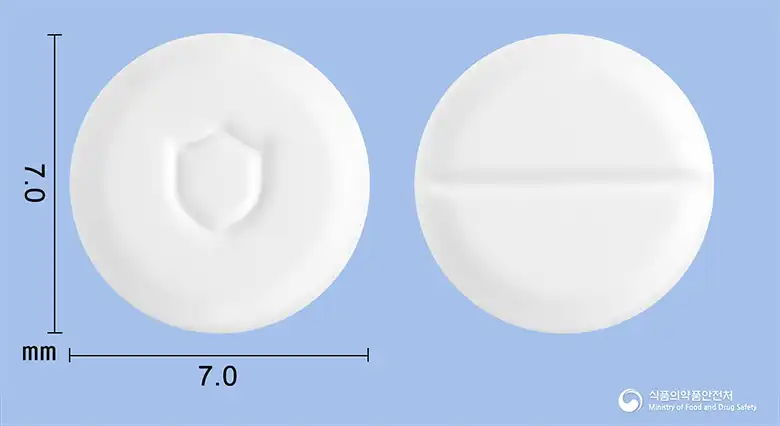
Methylprednisolone 4mg
Tablet · Prescription medication
Dongkwang Pharmaceutical Co., Ltd.
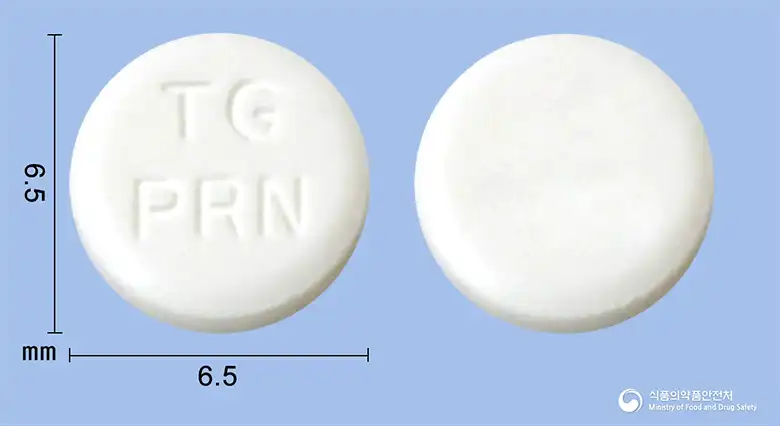
Methylprednisolone 4mg
Tablet · Prescription medication
Taegeuk Pharmaceutical Co., Ltd.
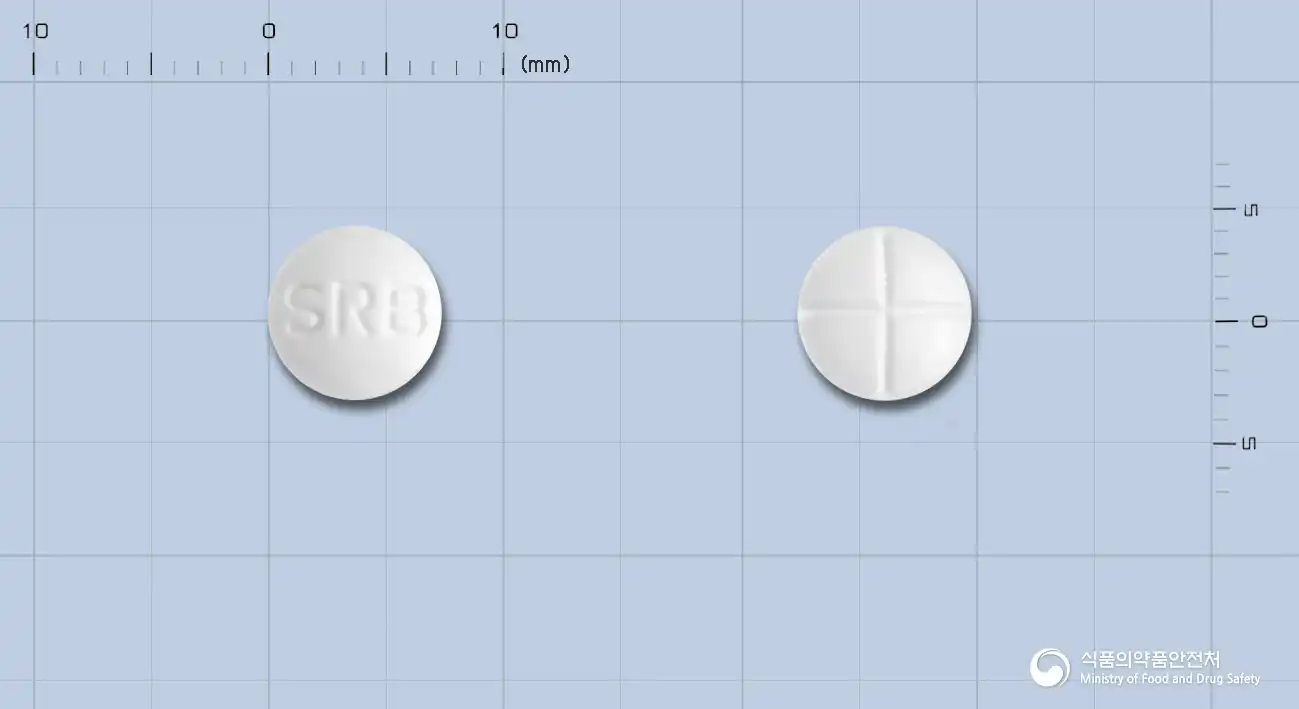
Methylprednisolone 4mg
Tablet · Prescription medication
Cellex Co., Ltd.
Even with the same ingredient, the dose and directions can differ by strength and dosage form. Talk to a doctor or pharmacist before switching from a medication you are already taking.
No questions yet.
For anything that needs medical judgment, consult a doctor or pharmacist.
This drug information is based on data provided by the Korea Ministry of Food and Drug Safety.
Consult a doctor or pharmacist for accurate dosage, administration, and usage instructions.