
 한국어
한국어 English
 日本語
日本語 中文(简体)
 Viewing now
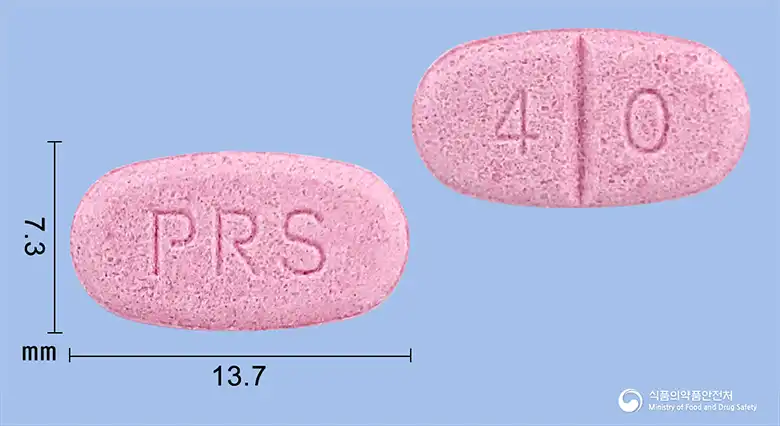
Prastan Tablets 40 mg (Pravastatin Sodium)
Pravastatin Sodium 40mg
Tablet · Prescription medication
Youngjin Pharmaceutical Co., Ltd.
MFDS item code 200300660 · Notified 2003.09.09 · Insurance code 642401690
(Hyperlipidemia) improvement and reduction of (cardiovascular disease) risk
This medication is used to treat primary hyperlipidemia, particularly hypercholesterolemia (type IIa) and mixed hyperlipidemia (type IIb) with both hypercholesterolemia and hypertriglyceridemia. It also helps reduce the risk of myocardial infarction and mortality from coronary heart disease in high-risk patients with hypercholesterolemia or mixed hyperlipidemia. This high-risk group includes males aged between 45 to 65 with various risk factors such as a history of vascular disease, diabetes, and smoking. Furthermore, it is effective in reducing the risk of myocardial infarction recurrence, the need for cardiovascular revascularization, ischemic stroke, and transient ischemic attack in patients with a history of myocardial infarction or unstable angina. In summary, this drug reduces cardiovascular risk associated with hyperlipidemia and is used in the treatment of cardiovascular diseases.
Before starting treatment, the patient should begin a low-cholesterol diet and continue it. The usual starting dose is 10mg, 20mg, or 40mg as a single dose once daily. The dose may be increased up to a maximum of 40mg depending on the patient's response. The maintenance dose is once daily at 10-40mg. For patients with a history of myocardial infarction or unstable angina, treat with 40mg/day. Patients receiving cyclosporine should start with a dose...
This drug should not be used in certain patients. For example, it should not be administered to patients who are allergic to this drug, those with severe liver disease, pregnant women or females who may become pregnant, nursing women, children, patients with severe liver or kidney dysfunction, patients with muscle disorders, or patients with issues in bile flow. Additionally, since this drug contains lactose, individuals with lactose intolerance or related genetic disorders should not take it. Patients with a history of significant liver or kidney impairment should use this drug with caution. As it is primarily metabolized in the liver, liver function may deteriorate, and in cases of kidney dysfunction, the risk of side effects also increases. There may be an increased risk of muscle damage when taken with certain specific medications; thus, patients taking fibrates, immunosuppressants, niacin, certain antibiotics, etc. should exercise caution. Patients who excessively consume alcohol or have severe myasthenia gravis should also be careful, and those with prior muscle issues related to medications of the same class should be particularly cautious. During the use of this drug, side effects such as rash, myalgia, weakness, dyspepsia, liver dysfunction, kidney dysfunction, headache, and dizziness may occur, so if these symptoms arise, immediate medical consultation is required. Especially, muscle-related unusual symptoms can lead to severe kidney damage, so if muscle pain or weakness is severe or accompanied by fever, the patient should visit the hospital immediately. This drug is used in the treatment of hypercholesterolemia, thus before treatment, thorough testing to confirm this condition is necessary, and blood lipid levels should be regularly monitored during treatment to evaluate effectiveness. Pregnant or nursing women should never take this drug, as it may be harmful to the fetus or infant. The elderly may have decreased bodily functions, so dose adjustment and caution are needed. This drug can interact with other medications, so if the patient is taking other drugs, they must inform their healthcare provider and be aware that there may be an increased risk of muscle damage when used in conjunction with certain drugs. In case of overdose, an assessment including liver function tests by a healthcare provider is necessary, and careful observation is required even if there are no unusual symptoms. This drug is more effective when taken after dinner, and when taken alongside antacids or ion exchange resin preparations, it should be spaced out in timing. Finally, it is important to store this drug in a safe place out of reach of children and not to transfer it to another container to maintain its quality.
Urticaria, angioedema, anaphylaxis, Stevens-Johnson syndrome, severe rash with high fever, blisters, skin peeling, pain in oral/ocular mucosa, difficulty breathing, asthma attacks, respiratory distress with cough and fever, jaundice of the skin or eyes, severe liver abnormalities, sudden and severe headache, lightning headache, seizures, confusion, visual disturbances, paralysis, marked reduction in urine output.
Not everyone experiences these, and they can vary from person to person.
This drug should be stored in a tightly sealed container to prevent exposure to air or moisture. It is important to maintain a storage temperature between 1 to 30 degrees Celsius at room temperature. Storing it this way will help retain the drug's effectiveness and safety for a long time.
It is a reddish-brown oblong tablet.
100 tablets/PTP (10 tablets/PTP*10), 300 tablets/bottle
Even with the same ingredient, strength, dosage form and how it is taken can differ.
Viewing nowPravastatin Sodium 40mg
Tablet · Prescription medication
Youngjin Pharmaceutical Co., Ltd.
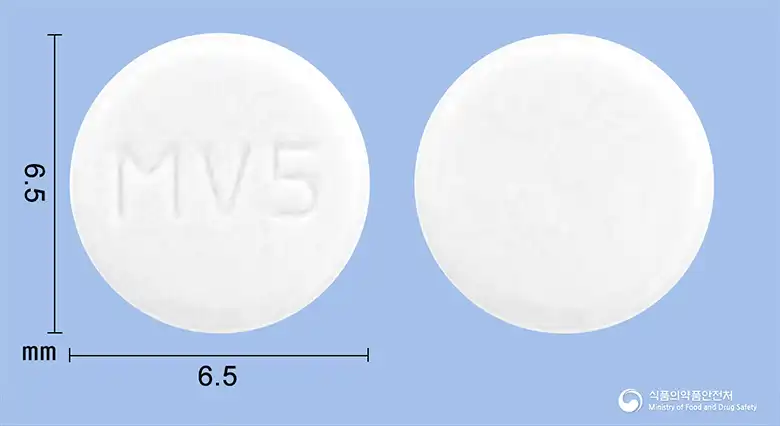
Pravastatin Sodium 5mg
Tablet · Prescription medication
HK inno.N Co., Ltd.
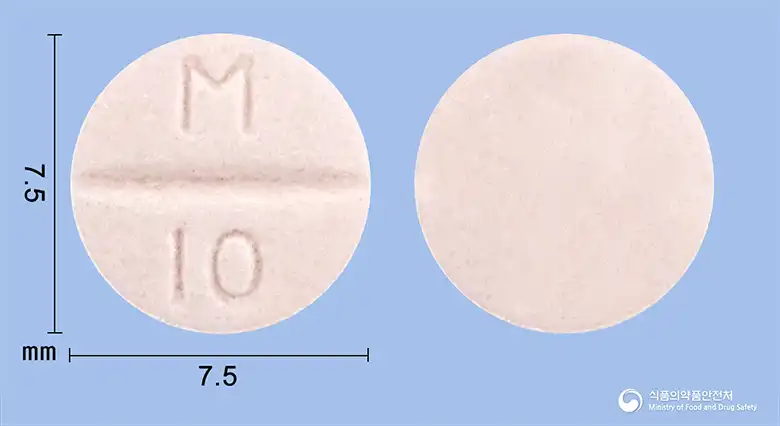
Pravastatin Sodium 10mg
Tablet · Prescription medication
HK inno.N Co., Ltd.
Pravastatin Sodium 5mg
Tablet · Prescription medication
Youngjin Pharmaceutical Co., Ltd.
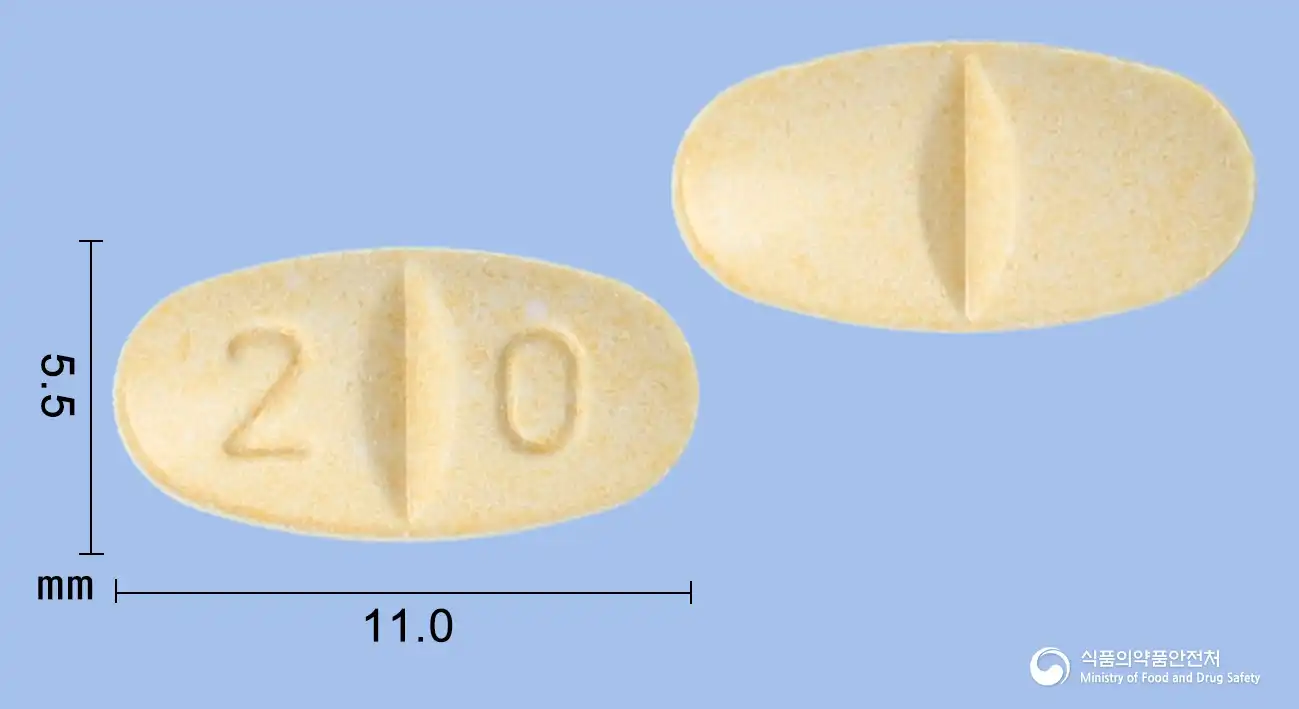
Pravastatin Sodium 20mg
Tablet · Prescription medication
HK inno.N Co., Ltd.
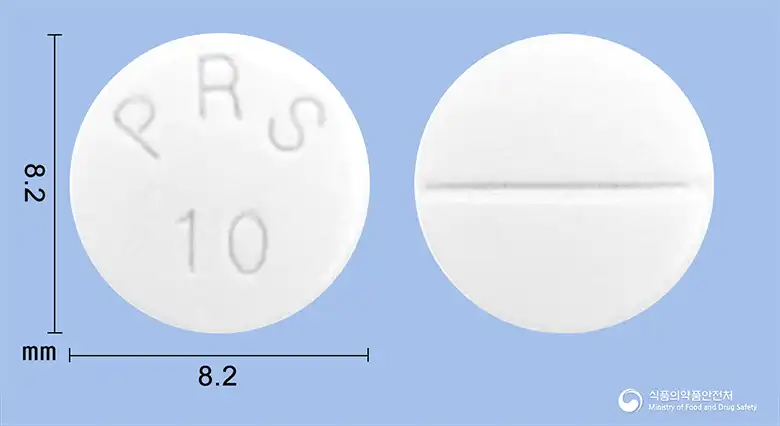
Pravastatin Sodium 10mg
Tablet · Prescription medication
Youngjin Pharmaceutical Co., Ltd.
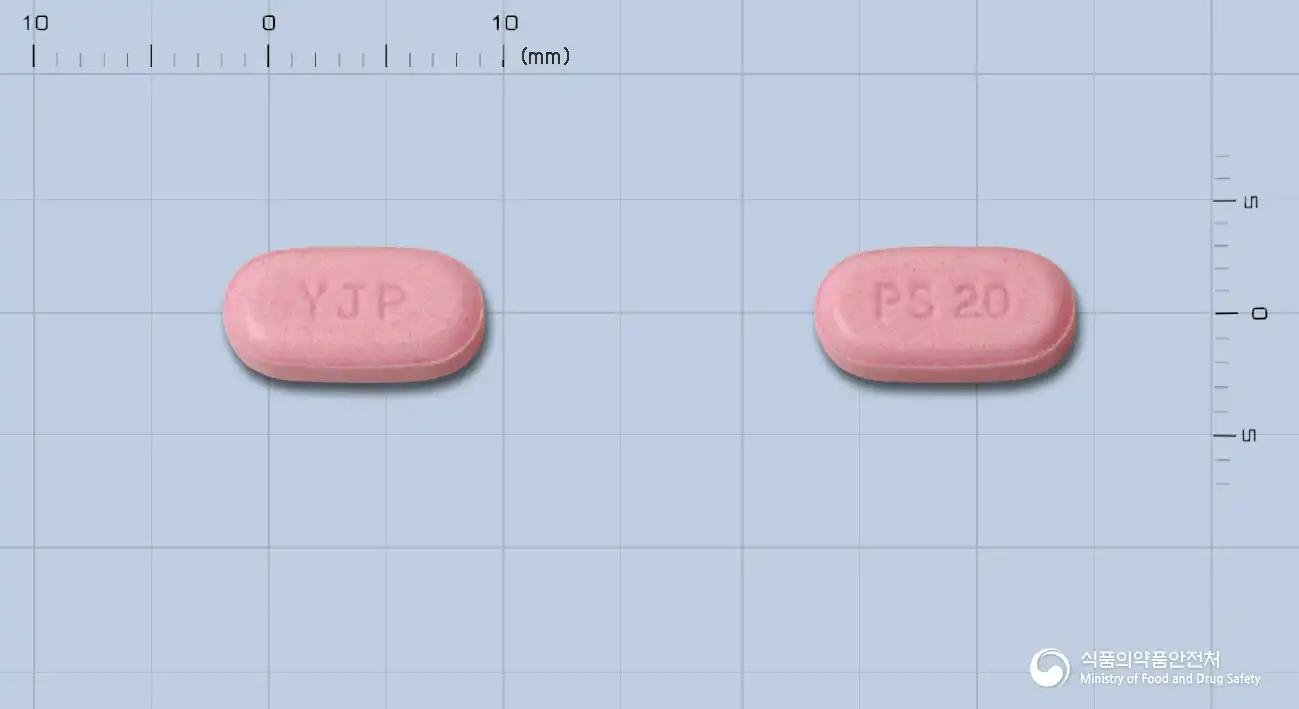
Pravastatin Sodium 20mg
Tablet · Prescription medication
Youngjin Pharmaceutical Co., Ltd.
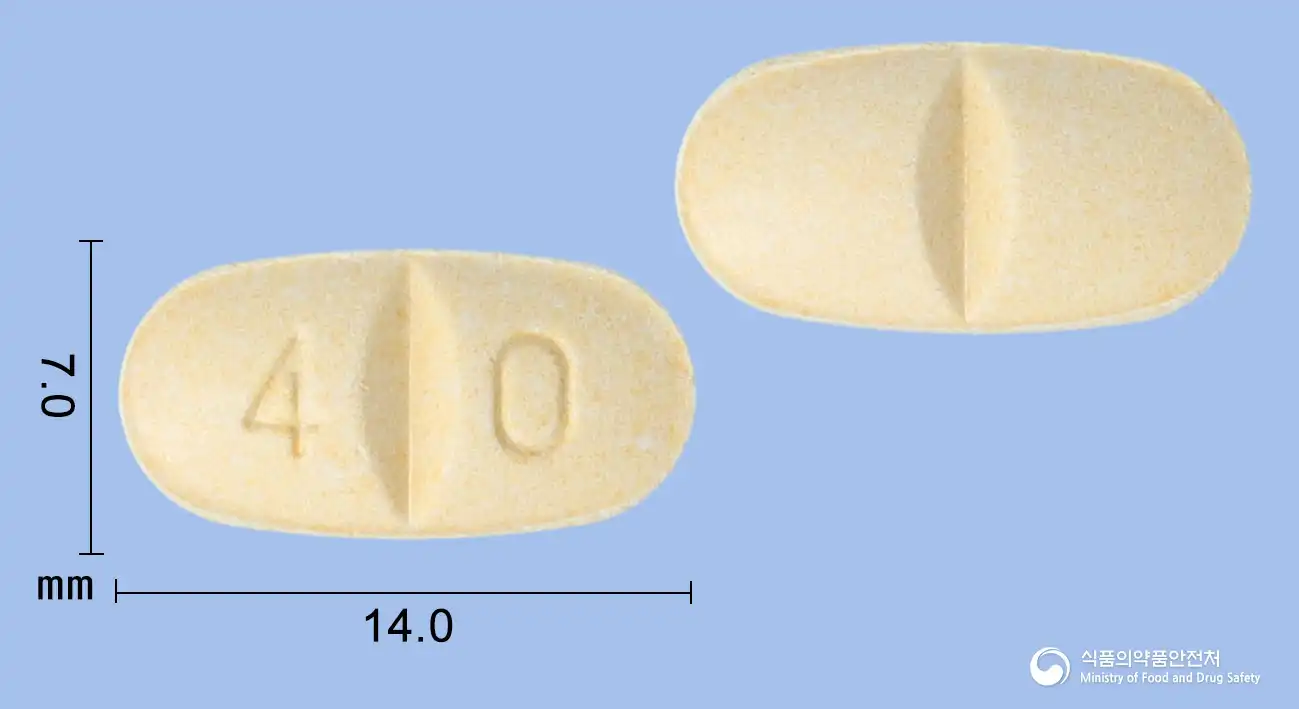
Pravastatin Sodium 40mg
Tablet · Prescription medication
HK inno.N Co., Ltd.
Even with the same ingredient, the dose and directions can differ by strength and dosage form. Talk to a doctor or pharmacist before switching from a medication you are already taking.
No questions yet.
For anything that needs medical judgment, consult a doctor or pharmacist.
This drug information is based on data provided by the Korea Ministry of Food and Drug Safety.
Consult a doctor or pharmacist for accurate dosage, administration, and usage instructions.