
 한국어
 English
 日本語
 中文(简体)
 Viewing now
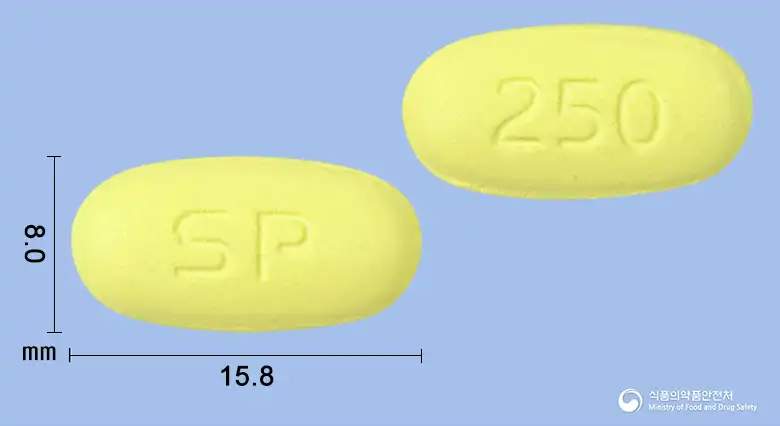
Clarithromycin 250 mg Tablet
Clarithromycin 0.334mg
Tablet · Prescription medication
Shinpoong Pharmaceutical Co., Ltd.
MFDS item code 200300015 · Approved 2003.07.24 · Insurance code 648503590
Treatment of infections (respiratory, skin, and mycobacterial infections) and Helicobacter pylori eradication in duodenal ulcer
This medication is effective against various bacteria including Staphylococcus aureus and Streptococcus pneumoniae, and is used for treating lower respiratory tract infections such as bronchitis and pneumonia, as well as upper respiratory tract infections like pharyngitis and sinusitis. It is also effective for infections of the skin and skin tissues, and mycobacterial infections, particularly those caused by Mycobacterium avium and intracellular infections. It helps to eradicate Helicobacter pylori in patients with duodenal ulcers, thereby improving symptoms. This medication aids in the treatment of infections caused by multiple pathogens, supporting recovery of health.
Clarithromycin is usually administered at a dose of 250mg (potency) twice daily. For severe infections, administer 500mg (potency) twice daily. The usual duration of treatment is 7~14 days. In patients with renal impairment whose creatinine clearance is 30mL/min or less, the dose should be reduced by half. That is, administer 250mg (potency) once daily; for severe infections, administer 250mg (potency) twice daily. Do not administer this medicine to these patients for more than 14 days. Mycobacterial infections: Administer 500mg (potency) of this medicine twice daily. In this case, it must be administered in combination with other antimycobacterial agents, such as ethambutol, clofazimine, and rifampin. Eradication of Helicobacter pylori in patients with duodenal ulcers: Administer 500mg (potency) of this medicine 3 times daily together with omeprazole 40mg once daily for 14 days, followed by omeprazole 40mg once daily for 14 consecutive days. That is, administer clarithromycin 500mg (potency) 3 times daily for 14 days (days 1~14), and omeprazole 40mg once daily for 28 days (days 1~28).
Children aged 12 years and older: Same as adults. For children under 12 years of age, use clarithromycin dry syrup.
This medication should not be used in patients with allergies to certain excipients. Patients who have had hypersensitivity reactions to clarithromycin or other antibiotics in the same class should also avoid its use. It is important to avoid co-administration with certain medications that can cause cardiac rhythm disturbances, as this may pose risks. It is advisable not to use this drug in patients with cardiac arrhythmias, severe liver disease, or significant renal impairment. Pregnant or breastfeeding women, children, and certain genetically lactose-intolerant individuals should refrain from using this medication. The drug can affect liver and kidney function, so patients with liver or kidney disease should consult a physician before using this medication. During treatment, various side effects such as allergic reactions, rash, digestive disturbances, heart issues, neurological symptoms, etc., may occur, and any unusual symptoms should be reported to healthcare providers immediately. It is crucial to administer the minimal necessary duration to prevent the development of antibiotic-resistant bacteria, and prolonged use may disrupt intestinal flora, causing diarrhea or colitis. As there are many drug interactions, it is essential to inform healthcare providers of any other medications being taken, particularly with heart medications, hypoglycemics, anticoagulants, and certain sedatives. In case of overdose, gastrointestinal disturbances or neurological symptoms may occur, requiring immediate medical attention. This medication may require dosage adjustments for children, the elderly, and patients with impaired liver or renal function, and should be taken following medical advice. Caution should be exercised when driving or operating machinery during treatment, and if any unusual symptoms arise after taking the medication, administration should be stopped immediately and a doctor should be consulted.
Not everyone experiences these, and they can vary from person to person.
This medication is sensitive to light and should be stored in a dark container. Additionally, it is best to keep it at room temperature between 1°C and 30°C. Proper storage helps maintain the drug's efficacy for a longer period.
Oval-shaped film-coated tablet with a vanilla flavor and yellow color
30 tablets/bottle, 100 tablets/bottle
Even with the same ingredient, strength, dosage form and how it is taken can differ.
Viewing nowClarithromycin 0.334mg
Tablet · Prescription medication
Shinpoong Pharmaceutical Co., Ltd.
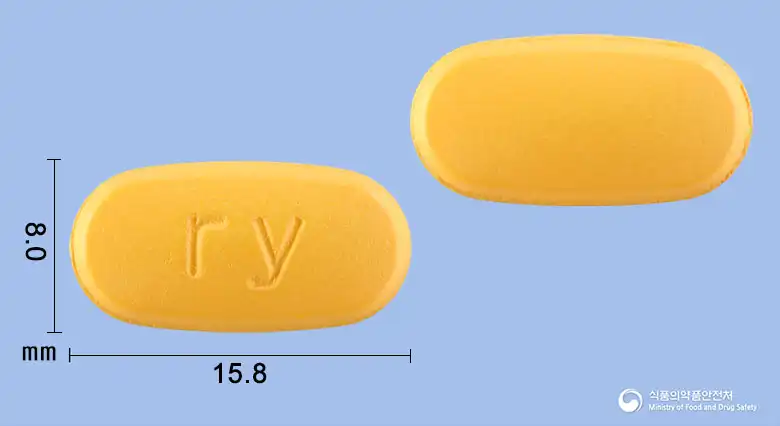
Clarithromycin 250mg
Tablet · Prescription medication
Iyeon Pharmaceutical Co., Ltd.
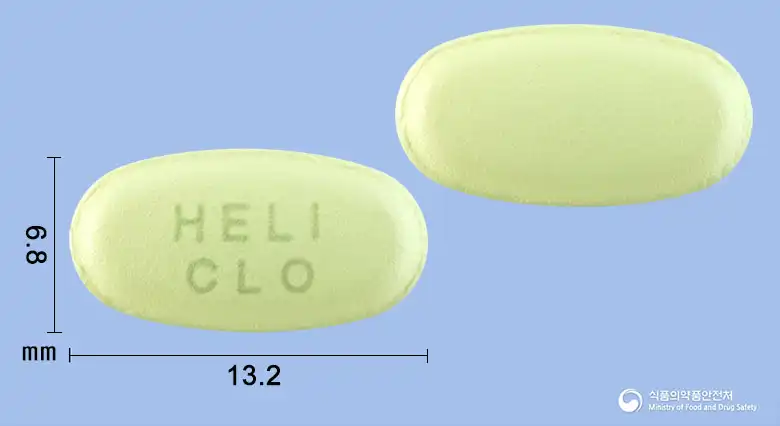
Clarithromycin 250mg
Tablet · Prescription medication
Jongkundang Co., Ltd.
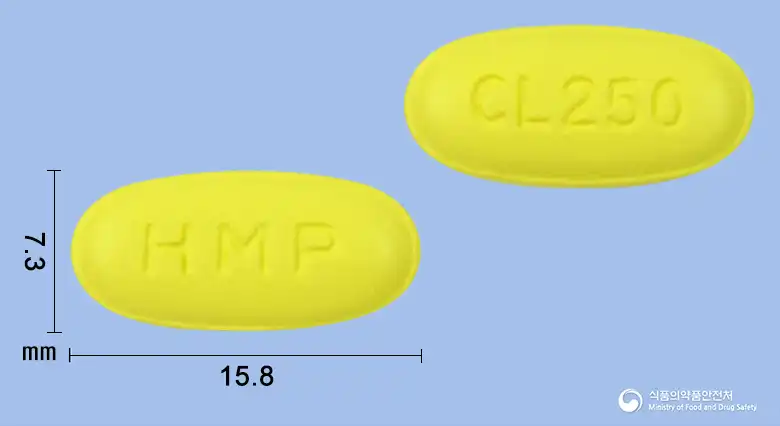
Clarithromycin 250mg
Tablet · Prescription medication
Hanmi Pharmaceutical Co., Ltd.
Clarithromycin 500mg
Prescription medication
Il Sung IS Co., Ltd.
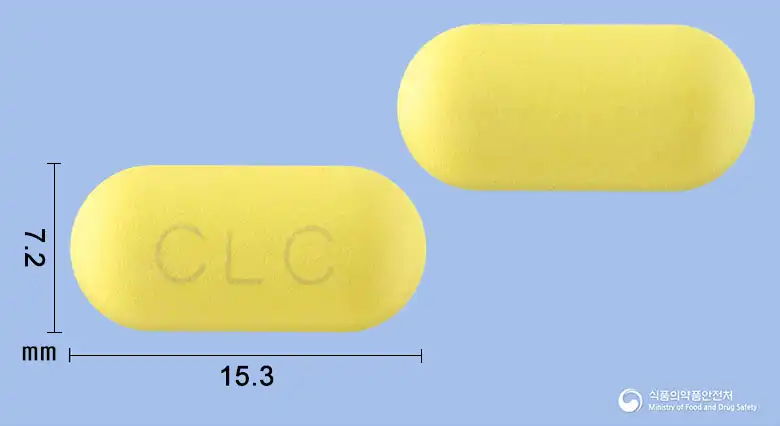
Clarithromycin 250mg
Tablet · Prescription medication
Boryung Co., Ltd.
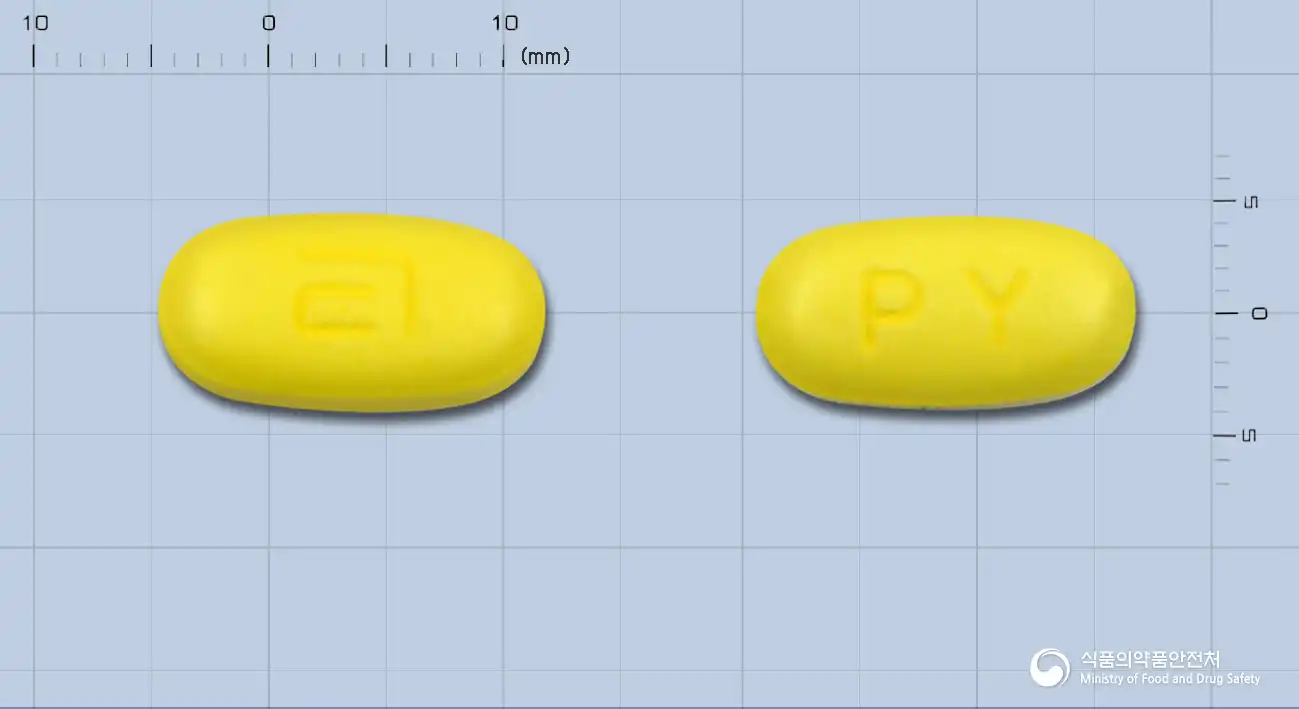
Clarithromycin 250mg
Tablet · Prescription medication
Kyungdong Pharmaceutical Co., Ltd.
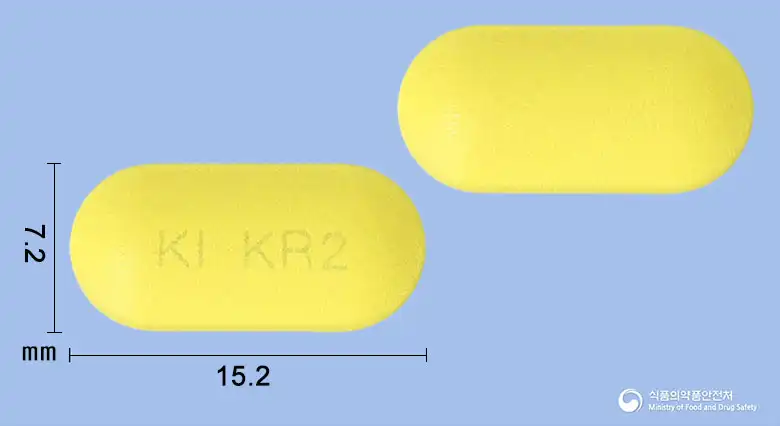
Clarithromycin 250mg
Tablet · Prescription medication
Kunil Pharmaceutical Co., Ltd.
Even with the same ingredient, the dose and directions can differ by strength and dosage form. Talk to a doctor or pharmacist before switching from a medication you are already taking.
No questions yet.
For anything that needs medical judgment, consult a doctor or pharmacist.
This drug information is based on data provided by the Korea Ministry of Food and Drug Safety.
Consult a doctor or pharmacist for accurate dosage, administration, and usage instructions.