
 한국어
 English
 日本語
 中文(简体)
Dosage form image
Viewing nowDilaudid Tablet 8 mg (Hydromorphone Hydrochloride)
Hydromorphone Hydrochloride
Prescription medication
Hana Pharmaceutical Co., Ltd.
MFDS item code 200210691 · Approved 2002.12.18
This product's status changed to Approval withdrawn on 2023.04.06. It may no longer be sold, so consult a doctor or pharmacist before taking it.
Relief of severe pain requiring opioid analgesics
This medication is used to relieve severe pain that requires an opioid analgesic. It acts effectively when pain is intense, helping reduce the patient's suffering and aid comfort. It is thus utilized as a suitable medication for managing severe pain.
(Tablets) * 8 mg The usual initial dose of this drug is 2 ∼ 4 mg orally every 4 ∼ 6 hours. Use of the 8 mg tablet should be determined cautiously according to the patient's clinical condition. If tolerance develops or the pain worsens, gradual dose escalation may be necessary. Generally, the first sign of tolerance is a reduction in the duration of the drug's effect. Patients with renal impairment For patients with moderate (creatinine clearance 40 ~ 60 mL/min) or severe (creatinine clearance < 30 mL/min) renal impairment, use 1/4 ~ 1/2 of the usual hydromorphone hydrochloride dose (see section 10. Administration to patients with renal impairment under Precautions for Use). In patients with severe renal impairment, consider additionally extending the dosing interval and monitor for opioid-related adverse reactions during maintenance therapy.
This medication is an opioid analgesic that acts on the central nervous system to relieve pain. Extreme caution must be exercised when taking this medication with other central nervous system depressants or alcohol, as it can lead to severe respiratory depression, coma, or even death. Patients with hypersensitivity, elevated intracranial pressure, severe respiratory diseases, acute abdominal conditions, those on certain medications, and women who are pregnant or may become pregnant should not take this medication. Elderly individuals, patients with kidney disease, those with hypothyroidism, or adrenal insufficiency may experience more severe side effects and require careful administration. This medication can suppress respiration, particularly in patients with respiratory illnesses, who need to be especially cautious. Prolonged use can lead to drug dependence; therefore, dosage should be adjusted according to the physician's instructions, and sudden discontinuation can trigger withdrawal symptoms. This medication can suppress the cough reflex and impair mental and physical abilities, so it is advisable to avoid driving or operating hazardous machinery. Pregnant or breastfeeding women should not take this medication, and it should not be used during childbirth. Safety in children has not been established, so caution is needed with its use. In cases of overdose, there is a risk of severe respiratory depression, loss of consciousness, and lowered blood pressure, requiring immediate medical attention for appropriate treatment. While taking this medication, consult with a physician regarding potential interactions with other medications, especially to avoid concurrent use with MAO inhibitors or benzodiazepines.
Drug dependence, yawning, sneezing, tearing, sweating, nausea, vomiting, diarrhea, abdominal pain, pupil dilation, headache, insomnia, anxiety, hallucinations, seizures, tremors, pain in muscles and joints throughout the body, shortness of breath, palpitations, breathing difficulties, slow breathing, irregular breathing, apnea, coma, confusion, delirium, head injury, hypotension, shock, intestinal obstruction, toxic megacolon, sedation, drowsiness, mental clouding, impairment of mental and physical performance, cravings, fear, discomfort, psychological dependence, mood changes, mental unrest, dizziness, weakness, headache, agitation, tremors, dyscoordination of muscle movement, rigidity, paresthesia, muscle twitching, vision impairment, nystagmus, insomnia, miosis, diplopia, transient hallucinations, flushing, euphoria, sweating, thirst, constipation, biliary colic, intestinal obstruction, loss of appetite, diarrhea, gastric cramping, taste changes, nausea, vomiting, cold, shock, tachycardia, bradycardia, hypotension, hypertension, circulatory disorders, peripheral circulation collapse, cardiac arrest, orthostatic hypotension, syncope, ureteral spasms, spasm of the bladder sphincter, urinary retention, bronchospasm, laryngeal spasm, itching, hives, skin rash, seizures, myoclonic jerks, respiratory depression, unconsciousness, skeletal muscle relaxation, cool skin, miosis, bradycardia, hypotension, apnea, cardiovascular collapse, cardiac arrest
Not everyone experiences these, and they can vary from person to person.
This medication is sensitive to light and should be stored in a special container that does not allow light to enter. Additionally, to maintain its efficacy, it should be stored at room temperature, specifically between 1 and 30 degrees Celsius.
White oval tablet
Company packaging unit
Even with the same ingredient, strength, dosage form and how it is taken can differ.
Hydromorphone Hydrochloride
Prescription medication
Hana Pharmaceutical Co., Ltd.
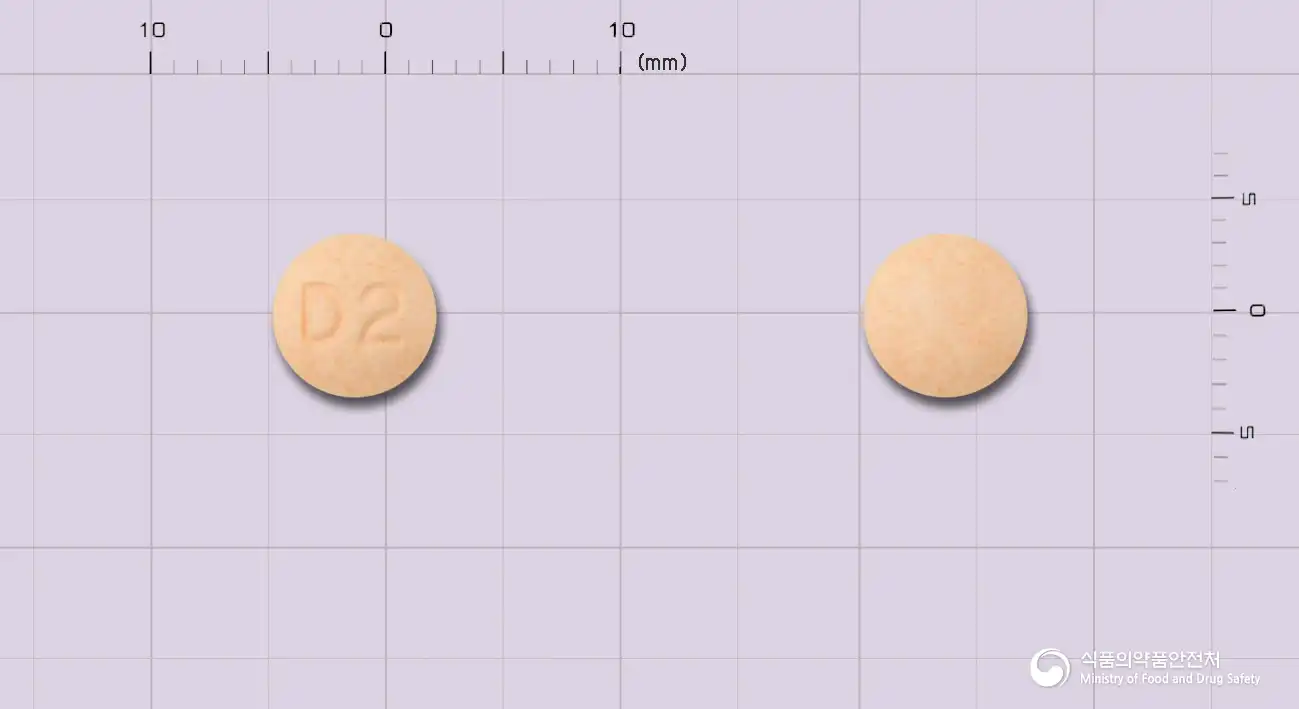
Hydromorphone Hydrochloride 2mg
Tablet · Prescription medication
Hana Pharmaceutical Co., Ltd.
Hydromorphone Hydrochloride
Prescription medication
Hana Pharmaceutical Co., Ltd.
Hydromorphone Hydrochloride 1mg
Solution · Prescription medication
Hana Pharmaceutical Co., Ltd.
Hydromorphone Hydrochloride 2mg
Solution · Prescription medication
Hana Pharmaceutical Co., Ltd.
Hydromorphone Hydrochloride
Prescription medication
Hana Pharmaceutical Co., Ltd.
Hydromorphone Hydrochloride
Prescription medication
Hana Pharmaceutical Co., Ltd.
Hydromorphone Hydrochloride
Prescription medication
Korea Janssen Co., Ltd.
Even with the same ingredient, the dose and directions can differ by strength and dosage form. Talk to a doctor or pharmacist before switching from a medication you are already taking.
No questions yet.
For anything that needs medical judgment, consult a doctor or pharmacist.
This drug information is based on data provided by the Korea Ministry of Food and Drug Safety.
Consult a doctor or pharmacist for accurate dosage, administration, and usage instructions.