
 한국어
 English
 日本語
 中文(简体)
 Viewing now
Spiriva Inhalation Capsule (Tiotropium Bromide Hydrate)
Tiotropium Bromide Hydrate 22.5μg
Prescription medication
Boehringer Ingelheim Korea Co., Ltd.
MFDS item code 200209849 · Approved 2002.01.16 · Insurance code 653500521,653500530
Maintenance treatment of chronic obstructive pulmonary disease
This medication relaxes the airways to relieve symptoms of chronic obstructive pulmonary disease and is used for maintenance therapy to help ease breathing.
Recommended dose: Inhale 1 capsule of this drug once daily at the same time each day, using the HandiHaler. This drug must be administered by inhalation using the HandiHaler. Do not exceed the recommended dose. This drug must not be taken orally. The recommended dose may also be administered to elderly patients. The recommended dose may also be administered to patients with renal impairment. However, as with all drugs that are primarily excreted by the kidneys, patients with moderate or severe renal impairment should be closely monitored for symptoms after administration. The recommended dose may also be administered to patients with hepatic impairment.
Children under 18 years of age: Do not administer.
This medication is a bronchodilator that should only be used once a day. It should not be used as an emergency treatment for acute bronchospasm. Care should be taken as allergic reactions may appear immediately after using this medication. The inhalation process may cause bronchial irritation and spasms. Care must be taken to avoid the powder from getting into the eyes, as it may worsen glaucoma; if symptoms arise, consult a doctor immediately. Simply using eye drops is not sufficient treatment. Due to the anticholinergic component, dry mouth may occur, and prolonged dry mouth increases the risk of dental caries. It is important not to exceed the daily dosage. Patients who are allergic to this medication or similar drugs, those with lactose intolerance, or specific genetic metabolic disorders should not use this medication. Patients with glaucoma, prostate enlargement, bladder issues, etc., should use this medication with special caution, and patients with severely impaired kidney function should use it under careful medical judgment. Side effects such as dizziness, headache, dry mouth, cough, and rash may occur during use. Rarely, serious allergic reactions or heart problems may occur; if symptoms are severe, visit a hospital immediately. It is not recommended to use this medication in combination with other anticholinergics, and no significant interactions with other commonly used medications for COPD treatment have been reported. Dizziness and blurred vision may occur, requiring caution while driving or operating machinery. During pregnancy or breastfeeding, the benefits and risks of using this medication should be carefully considered, and it is advisable to avoid using it during pregnancy if possible. Overdose may produce anticholinergic side effects, but due to low systemic absorption, the risk of acute toxicity is low. Keep this medication out of reach of children, store it in the specified container only, and use it within 9 days after opening. The inhaler can be used for up to one year after use. In animal studies, side effects such as dry mouth, weight loss, reduced tear and saliva production, and increased heart rate were observed, and reproductive toxicity was confirmed at high doses. However, genotoxicity or carcinogenicity has not been demonstrated.
Immediate hypersensitivity reactions, bronchospasm, eye pain, discomfort, temporary blurred vision, conjunctival hyperemia, corneal edema, color halos, discoloration, dehydration, dizziness, headache, taste disturbances, insomnia, visual impairment, glaucoma, increased intraocular pressure, atrial fibrillation, ventricular tachycardia, tachycardia, palpitation, pharyngitis, voice disorders, cough, bronchospasm, nosebleed, laryngitis, sinusitis, dry mouth, gastroesophageal reflux disease, constipation, oral-pharyngeal candidiasis, paralytic ileus, gingivitis, glossitis, dysphagia, stomatitis, nausea, rash, urticaria, pruritus, hypersensitivity including immediate reactions, angioedema, anaphylactic reaction, dysuria, urinary retention, urinary tract infection, xerostomia, chest pain, dysuria, cough, dyspnea, nasopharyngitis, tachycardia, pneumonia, death, respiratory failure, asthma, temporary blindness, heart failure, cardiac disorders, dry mouth, bilateral conjunctivitis, decreased feed intake, weight gain suppression, dryness of the mouth and nasal cavity, reduced tear secretion, reduced saliva secretion, mydriasis, increased heart rate
Not everyone experiences these, and they can vary from person to person.
Store this medication in a tightly closed container to prevent air or moisture from entering, and keep it in a cool place below 25 degrees Celsius. This will help maintain the medication's efficacy for a longer period.
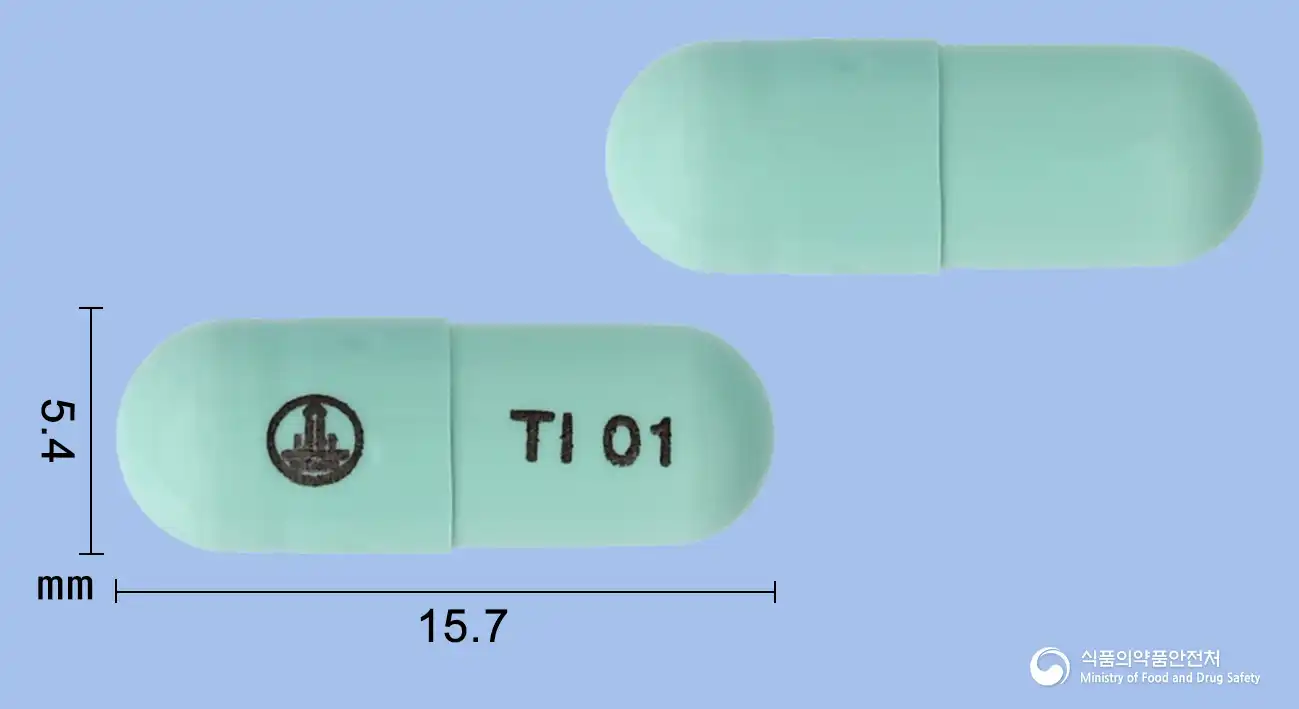
A light green inhalation capsule containing white powder (a handy inhaler may be included).
30 capsules (10 capsules/PTP packaging X 3) + handy inhaler/combipack, 30 capsules (10 capsules/PTP packaging X 3)/refill capsule pack.
Even with the same ingredient, strength, dosage form and how it is taken can differ.
Viewing nowTiotropium Bromide Hydrate 22.5μg
Prescription medication
Boehringer Ingelheim Korea Co., Ltd.
Tiotropium Bromide Hydrate 28.27mg
Solution · Prescription medication
Boehringer Ingelheim Korea Co., Ltd.
Even with the same ingredient, the dose and directions can differ by strength and dosage form. Talk to a doctor or pharmacist before switching from a medication you are already taking.
No questions yet.
For anything that needs medical judgment, consult a doctor or pharmacist.
This drug information is based on data provided by the Korea Ministry of Food and Drug Safety.
Consult a doctor or pharmacist for accurate dosage, administration, and usage instructions.