
 한국어
 English
 日本語
 中文(简体)
Summary
- Main use
- Treatment and prevention of severe symptomatic ventricular tachyarrhythmia and symptomatic supraventricular tachyarrhythmia
- Who takes it
- Adults
- Adult dose
- (Oral: tablets) The initial dose for adults is sotalol hydrochloride 40-80㎎ orally per dose 1-2 times daily. If necessary, the dose may be increased to 240-320㎎ per day. In most patients, an adequate therapeutic effect can be achieved with 160-320㎎ per day in 2-3 divided doses. Patients with life-threatening refractory ventricular arrhythmias may receive high doses of 480-640㎎ per day. However, at these doses, proarrhythmic effects, particularly those attributable to this medicine, may occur; administer only when the therapeutic benefits are judged to outweigh the risks. For patients with renal impairment, adjust the dose according to creatinine clearance. Creatinine clearance (㎖/min) Dose 10-30 1/2 <10 1/4 In patients with renal impairment, the terminal elimination half-life is prolonged, so it is advisable to extend the dosing interval to reach steady state. When increasing the dose, do so only after at least 5-6 doses have been administered at an appropriate dosing interval. As this medicine has classⅢ antiarrhythmic effects, monitor for possible QT prolongation and, if necessary, adjust the route of administration, duration of treatment, and dose. Adjust the dose as appropriate according to age and symptoms. (Injection) The initial adult dose is sotalol hydrochloride 20㎎, administered by slow intravenous injection over 5 minutes while monitoring pulse, blood pressure, ECG, etc. Depending on the therapeutic effect and the patient's condition, an additional 20㎎ (1㎎/min) may be administered slowly. The total dose administered should be no more than 1.5㎎ per ㎏ of body weight, given over 5-15 minutes. For patients with renal impairment, adjust the dose according to creatinine clearance. Creatinine clearance (㎖/min) Dose 10-30 1/2 <10 1/4 As this medicine has classⅢ antiarrhythmic effects, monitor for possible QT prolongation and, if necessary, adjust the route of administration, duration of treatment, and dose. Adjust the dose as appropriate according to age and symptoms.
Ingredients
- Manufacturer
- Huons Meditech Co., Ltd.
- Manufacturer
- HuonsLifeSciences
Efficacy & effects
Treatment and prevention of severe symptomatic ventricular tachyarrhythmia and symptomatic supraventricular tachyarrhythmia
- Symptomatic loss of ventricular tachycardia
- atrioventricular nodal tachycardia
- WPW syndrome
- paroxysmal atrial fibrillation
- loss of tachycardia
- severe symptomatic ventricular arrhythmia
View approved original textHide original text
This medication is used as an oral tablet and injection to help treat cardiac rhythm abnormalities. It is especially effective for symptomatic loss of arrhythmia associated with atrioventricular nodal tachycardia, WPW syndrome, and paroxysmal atrial fibrillation. It is also used for the treatment and prevention of severe symptomatic ventricular arrhythmias. This drug stabilizes the heart rhythm, alleviates symptoms, and helps prevent recurrence. Therefore, it plays an important role in managing cardiac arrhythmias.
How to take
Adult dose
(Oral: tablets) The initial dose for adults is sotalol hydrochloride 40-80㎎ orally per dose 1-2 times daily. If necessary, the dose may be increased to 240-320㎎ per day. In most patients, an adequate therapeutic effect can be achieved with 160-320㎎ per day in 2-3 divided doses. Patients with life-threatening refractory ventricular arrhythmias may receive high doses of 480-640㎎ per day. However, at these doses, proarrhythmic effects, particularly those attributable to this medicine, may occur; administer only when the therapeutic benefits are judged to outweigh the risks. For patients with renal impairment, adjust the dose according to creatinine clearance. Creatinine clearance (㎖/min) Dose 10-30 1/2 <10 1/4 In patients with renal impairment, the terminal elimination half-life is prolonged, so it is advisable to extend the dosing interval to reach steady state. When increasing the dose, do so only after at least 5-6 doses have been administered at an appropriate dosing interval. As this medicine has classⅢ antiarrhythmic effects, monitor for possible QT prolongation and, if necessary, adjust the route of administration, duration of treatment, and dose. Adjust the dose as appropriate according to age and symptoms. (Injection) The initial adult dose is sotalol hydrochloride 20㎎, administered by slow intravenous injection over 5 minutes while monitoring pulse, blood pressure, ECG, etc. Depending on the therapeutic effect and the patient's condition, an additional 20㎎ (1㎎/min) may be administered slowly. The total dose administered should be no more than 1.5㎎ per ㎏ of body weight, given over 5-15 minutes. For patients with renal impairment, adjust the dose according to creatinine clearance. Creatinine clearance (㎖/min) Dose 10-30 1/2 <10 1/4 As this medicine has classⅢ antiarrhythmic effects, monitor for possible QT prolongation and, if necessary, adjust the route of administration, duration of treatment, and dose. Adjust the dose as appropriate according to age and symptoms.
Precautions
This medication should not be used in patients with bronchial asthma or those with extremely slow heart rate. It is also safe to avoid administering it to patients who have issues with cardiac conduction or do not have a heart pacing device. Precautions are necessary for patients with very weak cardiac function, low blood pressure, or peripheral blood circulation disorders. This medication can affect heart rhythm and should be used cautiously in patients with arrhythmias. Dose adjustment and monitoring of cardiac status are essential. The use of this drug should be limited in the early stages of acute myocardial infarction, and high doses should be used with caution. Discontinuing the medication suddenly may worsen heart issues or angina, so it should be gradually tapered off. Diabetic patients should be careful about blood sugar management as hypoglycemic symptoms may be masked. Women who are pregnant or breastfeeding should discuss usage with their doctor as this medication may affect the fetus or newborn. This medication may interact with other heart or blood pressure medications, so caution is advised when taken together. Overdose can lead to severe side effects, so the prescribed dosage must be strictly followed, and any unusual symptoms should be reported to the healthcare provider immediately. The safety and efficacy of this medication have not been established in children, so caution is advised for use.
Side effects
torsade de pointes, severe ventricular tachycardia, fatigue, bradycardia, dyspnea, atrial fibrillation, weakness, dizziness, elevated serum enzymes, increased blood glucose, increased insulin requirements, infections, localized pain, chest pain, palpitations, edema, abnormal electrocardiogram, hypotension, syncope, heart failure, pre-syncope, peripheral vascular disorder, cardiovascular disorders, vasodilation, AICD discharge, hypertension, drowsiness, headache, sleep disturbances, sweating, altered consciousness, paranoia, sensory disturbances, anxiety, mood changes, appetite disturbances, seizures, nausea, vomiting, diarrhea, dyspepsia, abdominal pain, bowel disorders, abdominal bloating, pulmonary artery abnormalities, upper respiratory tract abnormalities, asthma, genitourinary disorders, sexual dysfunction, altered renin levels, weight changes, limb pain, abdominal cramps, rashes, bleeding, emotional instability, mild clouding of consciousness, ataxia, paralysis, thrombocytopenia, eosinophilia, leukopenia, photosensitivity reactions, fever, pulmonary edema, hyperlipidemia, myalgia, itching, alopecia areata, confusion, cold sensation in the lower limbs, conjunctivitis, sinus node conduction disorders, unnecessary blood pressure lowering, worsening peripheral circulation disorders, Raynaud's syndrome, decreased tear production, hypoglycemia, depression, polydipsia, muscle rigidity, myasthenia, worsening angina attacks, visual disturbances, keratoconjunctivitis, retroperitoneal fibrosis, worsening psoriasis, psoriatic rash, erectile dysfunction
Not everyone experiences these, and they can vary from person to person.
Storage
This medication should be stored in an airtight container that is not exposed to air, and it is best to keep it at room temperature between 1 to 30 degrees Celsius. Storing it this way helps maintain the drug’s effectiveness and prevents degradation.
Appearance and packaging
Appearance
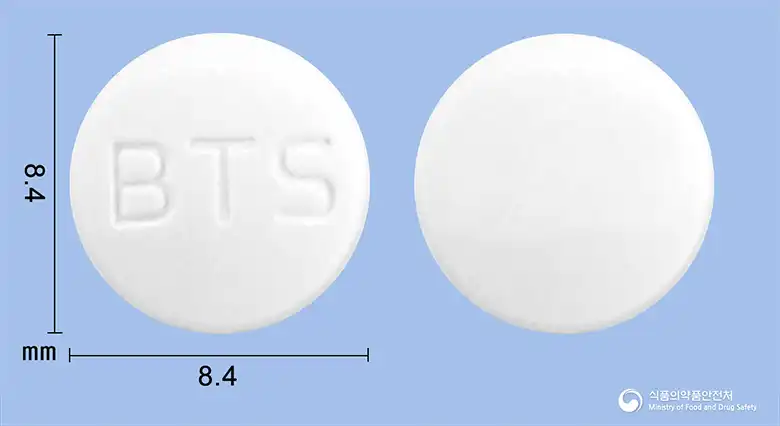
White round tablet
Package unit
30 tablets/bottle, 300 tablets/bottle
Questions about this medicine
No questions yet.
For anything that needs medical judgment, consult a doctor or pharmacist.