
 한국어
 English
 日本語
 中文(简体)
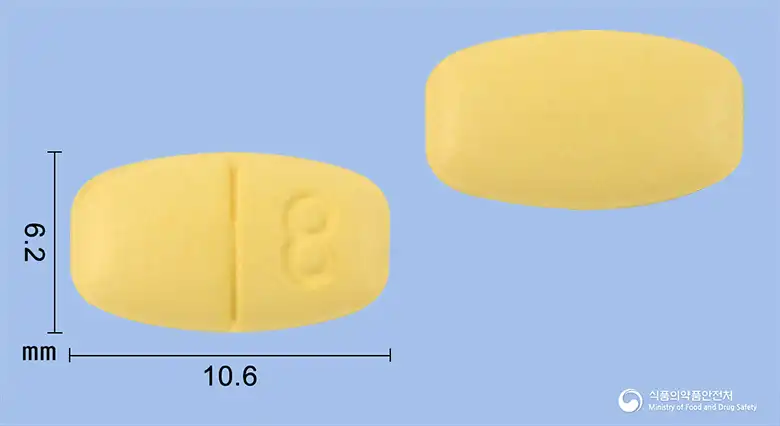 Viewing now
Onsetron Tablets (Ondansetron Hydrochloride Hydrate)
Ondansetron Hydrochloride Hydrate 10mg
Tablet · Prescription medication
(Boryung)
MFDS item code 200200963 · Notified 2002.05.22 · Insurance code 641903100
Prevention and treatment of nausea and vomiting associated with chemotherapy, radiotherapy, and surgery
This medication is used to prevent and treat nausea and vomiting induced by cytotoxic chemotherapy or radiotherapy. It also effectively alleviates nausea and vomiting that may occur post-surgery. Patients can expect to experience reduced discomfort due to these treatments and feel more comfortable. This medicine helps improve the quality of life of patients during treatment. Therefore, it is actively used to prevent and manage nausea and vomiting.
1. Nausea and vomiting caused by cytotoxic chemotherapy or radiotherapy 1) Adults The emetogenic potential of cancer treatment varies according to the dose of chemotherapy, concomitant medications, and type of radiotherapy. The route and dosage may be selected as appropriate within a range of 8∼32mg of ondansetron per day, administered orally, intravenously, or intramuscularly. (1) For chemotherapy and radiotherapy with relatively low emetogenic potential ① Immediately before chemotherapy or radiotherapy, administer ondansetron 8mg by slow intravenous injection (over at least 30 seconds) or intramuscular injection, or administer 8mg orally 1∼2 hours before treatment and 8mg orally 12 hours later. ② To prevent delayed vomiting, administer 8mg per dose orally twice daily for up to 5 days after treatment. (2) For highly emetogenic chemotherapy (e.g., high-dose cisplatin) ① Immediately before chemotherapy, administer ondansetron 8mg by slow intravenous injection (over at least 30 seconds) or intramuscular injection, followed by 2 additional doses of 8mg at 4-hour intervals by intravenous injection (over at least 30 seconds) or intramuscular injection, or administer by continuous intravenous infusion at a rate of 1mg per hour for up to 24 hours. ② Alternatively, dilute ondansetron 16mg in 50∼100mL of normal saline injection or another compatible infusion solution and administer by intravenous infusion over at least 15 minutes immediately before chemotherapy. ③ Since the risk of QT prolongation increases in a dose-dependent manner, do not exceed a single dose of 16mg (injectable formulation only). ④ The effect of this medicine may be enhanced by slow intravenous injection of dexamethasone sodium phosphate 20mg before chemotherapy (injectable formulation only). ⑤ Oral dexamethasone sodium phosphate 12mg and a single oral dose of up to 24mg of ondansetron may be administered together 1~2 hours before chemotherapy (oral formulation only). ⑥ To prevent delayed vomiting, administer 8mg per dose orally twice daily for up to 5 days after treatment. 3) Elderly patients • Oral administration: Follow the recommended adult dose. • Intravenous administration: For patients aged 65 to 74 years, follow the recommended adult dose. For all intravenous doses, dilute in 50∼100mL of normal saline injection or another compatible infusion solution and infuse intravenously over at least 15 minutes. For patients aged 75 years and older, the initial intravenous dose must not exceed 8mg. For all intravenous doses, dilute in 50∼100mL of normal saline injection or another compatible infusion solution and infuse intravenously over at least 15 minutes. 4) Patients with renal impairment No special dosage adjustment is required. 5) Patients with hepatic impairment Since clearance of this medicine is significantly reduced and the serum half-life is markedly prolonged in patients with moderate to severe hepatic impairment, do not exceed 8mg per day. 2. Postoperative nausea and vomiting 1) Adults (1) Prevention of postoperative nausea and vomiting ① Administer 16mg orally as a single dose 1 hour before induction of anesthesia. ② Administer 4mg per dose by slow intravenous or intramuscular injection at induction of anesthesia. (2) Treatment of postoperative nausea and vomiting Administer 4mg per dose by slow intravenous or intramuscular injection. 3) Elderly patients Experience with use in patients aged 65 years and older is limited, but tolerability was good in patients who received chemotherapy. 4) Patients with renal impairment No special dosage adjustment is required. 5) Patients with hepatic impairment Since clearance of this medicine is significantly reduced and the serum half-life is markedly prolonged in patients with moderate to severe hepatic impairment, do not exceed 8mg per day. 6) Patients with impaired sparteine/debrisoquine metabolism The elimination half-life of this medicine is unchanged in patients with impaired sparteine/debrisoquine metabolism. Since drug exposure in these patients does not differ from that in the general population with repeated administration, no adjustment of the daily dose, frequency of administration, or route of administration is required.
1. Nausea and vomiting caused by cytotoxic chemotherapy or radiotherapy 2) Children (6 months and older) The dose may be calculated based on body surface area or body weight. The total daily dose calculated based on body weight is higher than that calculated based on body surface area. Ondansetron hydrochloride (hydrate) injection should be diluted with 5% dextrose injection, 0.9% sodium chloride injection, or another compatible infusion solution and administered by intravenous infusion over at least 15 minutes. In pediatric clinical trials, ondansetron was diluted with 25~50mL of normal saline injection or another compatible infusion solution and administered by intravenous infusion over at least 15 minutes. (1) Immediately before chemotherapy, administer ondansetron 5mg/㎡ (body surface area) by intravenous injection. Administer the oral dose 12 hours after the intravenous injection and continue for up to 5 days. (Table 1) Table 1. Dose based on body surface area (6 months and older) < 0.6 ㎡: Day 1 (a, b) 5mg/㎡ intravenously, followed by 2mg orally 12 hours later; days 2-6 (b) 2mg per dose orally every 12 hours. ≥ 0.6 ㎡, 1.2㎡ ≤: Day 1 (a, b) 5mg/㎡ intravenously, followed by 4mg orally 12 hours later; days 2-6 (b) 4mg per dose orally every 12 hours. > 1.2㎡: Day 1 (a, b) 5mg/㎡ or 8mg intravenously, followed by 8mg orally 12 hours later; days 2-6 (b) 8mg per dose orally every 12 hours. *a: Do not exceed 8mg by intravenous injection. b: The total daily dose must not exceed the adult dose of 32mg. (2) Alternatively, immediately before chemotherapy, administer ondansetron 0.15 mg/kg by intravenous injection. Two additional intravenous doses may be given at 4-hour intervals. Administer the oral dose 12 hours after the intravenous injection and continue for up to 5 days. (Table 2) Table 2. Dose based on body weight (6 months and older) ≤ 10 kg: Day 1 (a, b) 0.15 mg/kg per dose intravenously every 4 hours, up to 3 doses; days 2-6 (b) 2mg per dose orally every 12 hours. > 10 kg: Day 1 (a, b) 0.15 mg/kg per dose intravenously every 4 hours, up to 3 doses; days 2-6 (b) 4mg per dose orally every 12 hours. *a: Do not exceed 8mg by intravenous injection. b: The total daily dose must not exceed the adult dose of 32mg. (3) Do not exceed 8mg per intravenous dose. The total daily dose must not exceed the adult dose of 32mg. (4) No controlled clinical trial data are available on the prevention of delayed or persistent nausea and vomiting caused by emetogenic chemotherapy. No controlled pediatric clinical trial data are available on nausea and vomiting caused by radiotherapy. 2. Postoperative nausea and vomiting 2) Children (2 years and older) (1) Prevention of postoperative nausea and vomiting Before, during, or after induction of anesthesia, administer 0.1mg/kg per dose, up to a maximum of 4mg, by slow intravenous injection. (2) Treatment of postoperative nausea and vomiting Administer 0.1mg/kg per dose, up to a maximum of 4mg, by slow intravenous injection. (3) Data are insufficient for the prevention and treatment of postoperative nausea and vomiting in children under 2 years of age. (4) Since no clinical trials have been conducted on the use of oral ondansetron for the prevention and treatment of postoperative nausea and vomiting, slow intravenous injection (over at least 30 seconds) is recommended.
This medication should not be used in patients with hypersensitivity to its components. As it contains lactose, patients with genetic issues such as galactose intolerance, lactase deficiency, or glucose-galactose malabsorption should not take this medication. Concomitant use with the drug apomorphine may cause severe hypotension and loss of consciousness; thus, this medication should not be used together with apomorphine. Patients who have had allergic reactions to other 5HT3 receptor antagonists should be cautious, as a similar reaction may occur with this medication. This medication can prolong the time it takes food to pass through the intestines; therefore, patients with symptoms of subacute bowel obstruction should be closely monitored after taking it. Patients with severely impaired liver function should use this medication cautiously. This medication may prolong the QT interval of cardiac electrical signals, and particular care must be taken with patients who have congenital long QT syndrome, electrolyte abnormalities, cardiac issues, or who are taking other medications that can cause QT prolongation. If hypokalemia and hypomagnesemia are present, they must be corrected before taking this medication. Concomitant use with other serotonergic drugs may lead to a serious side effect known as serotonin syndrome; therefore, if taking such medications together, careful monitoring by a physician is required. When using this medication to prevent nausea and vomiting post-adenotonsillectomy, monitoring should be conducted for hidden risks of bleeding. Children receiving hepatotoxic chemotherapy should be closely monitored for liver function impairment. If allergic symptoms such as rash, itching, or difficulty breathing occur while taking this medication, discontinue immediately and consult with medical personnel. Caution is warranted as neurological symptoms such as headache, drowsiness, dizziness, and movement disorders may occur. Gastrointestinal symptoms such as diarrhea or constipation may arise. Irregular heartbeat or blood pressure changes may also occur, and any abnormal symptoms should be reported. Liver function tests may temporarily increase; therefore, regular testing may be necessary. Temporary visual disturbances may occur; if vision becomes blurred or abnormal, it should be reported immediately. Very rarely, serious skin reactions may occur; if skin rash or blisters develop, notify medical personnel immediately. This medication does not significantly affect the ability to drive or operate machinery, but individual differences should be considered.
Rash, itching, anaphylaxis, headache, feeling of heaviness, drowsiness, conjunctival hyperemia, warmth in the head and abdomen, transient asymptomatic increase in aminotransferases, dizziness, oculomotor seizures, muscle tone abnormalities, movement disorders, seizures, diarrhea, constipation, palpitations, elevated blood pressure, chest pain, arrhythmia, hypotension, bradycardia, QTc prolongation, transient asymptomatic elevation in liver function test parameters, vision impairment, vision loss, toxic skin rash, toxic epidermal necrolysis, involuntary movements, warmth sensation, facial flushing, fever, generalized weakness, hiccups, visual disturbances, severe constipation, transient second-degree AV block, signs of vagal nerve abnormalities
Not everyone experiences these, and they can vary from person to person.
This medication should be stored in a tightly sealed container to prevent exposure to air or moisture. It is best kept at room temperature between 1°C and 30°C. This will help preserve the medication's effectiveness for a longer time.
Yellow film-coated tablet
10 tablets (10 tablets/PTP*1)
Even with the same ingredient, strength, dosage form and how it is taken can differ.
Viewing nowOndansetron Hydrochloride Hydrate 10mg
Tablet · Prescription medication
(Boryung)
Ondansetron Hydrochloride Hydrate 2.5mg
Prescription medication
Hana Pharmaceutical Co., Ltd.
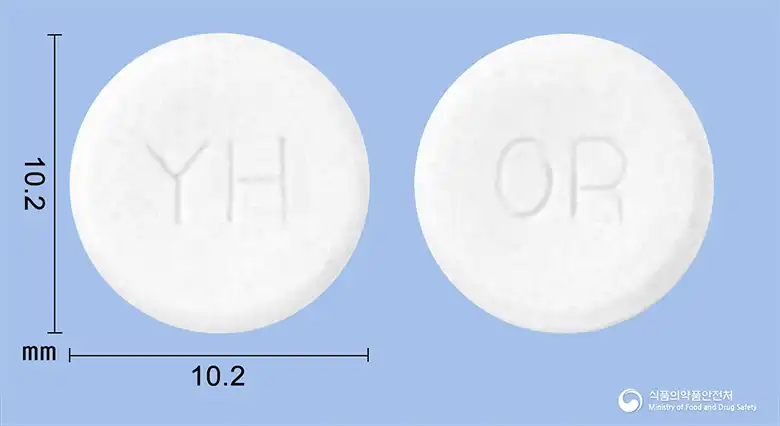
Ondansetron Hydrochloride 10mg
Orally disintegrating Tablet · Prescription medication
(Yuhan Corporation)
Ondansetron Hydrochloride 2.5mg
Prescription medication
Yuhan Corporation
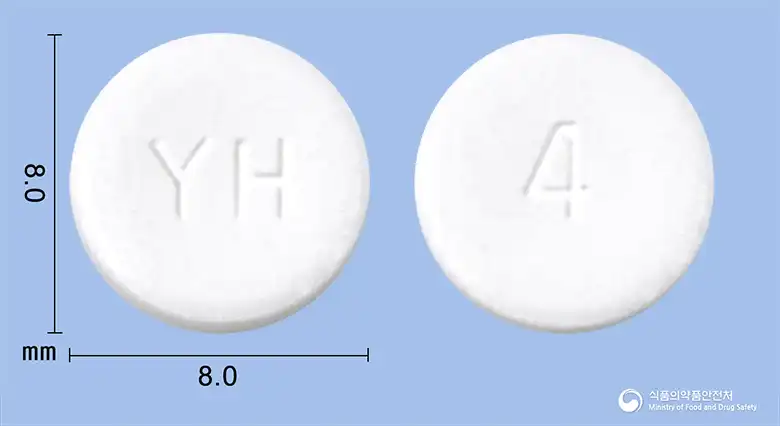
Ondansetron Hydrochloride 5mg
Orally disintegrating Tablet · Prescription medication
(Yuhan Corporation)
Ondansetron Hydrochloride Hydrate 2.5mg
Prescription medication
Hanmi Pharmaceutical Co., Ltd.
Ondansetron Hydrochloride Hydrate 2.5mg
Injections · Prescription medication
Samil Pharmaceutical Co., Ltd.
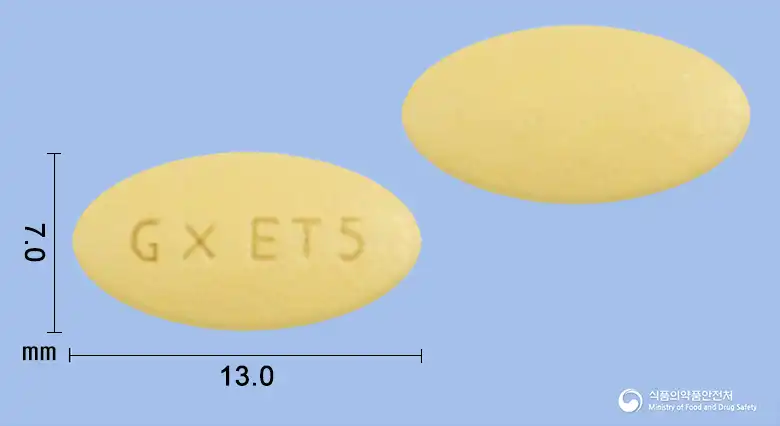
Ondansetron Hydrochloride Hydrate 10mg
Tablet · Prescription medication
Samil Pharmaceutical Co., Ltd.
Even with the same ingredient, the dose and directions can differ by strength and dosage form. Talk to a doctor or pharmacist before switching from a medication you are already taking.
No questions yet.
For anything that needs medical judgment, consult a doctor or pharmacist.
This drug information is based on data provided by the Korea Ministry of Food and Drug Safety.
Consult a doctor or pharmacist for accurate dosage, administration, and usage instructions.