
 한국어
 English
 日本語
 中文(简体)
 Viewing now
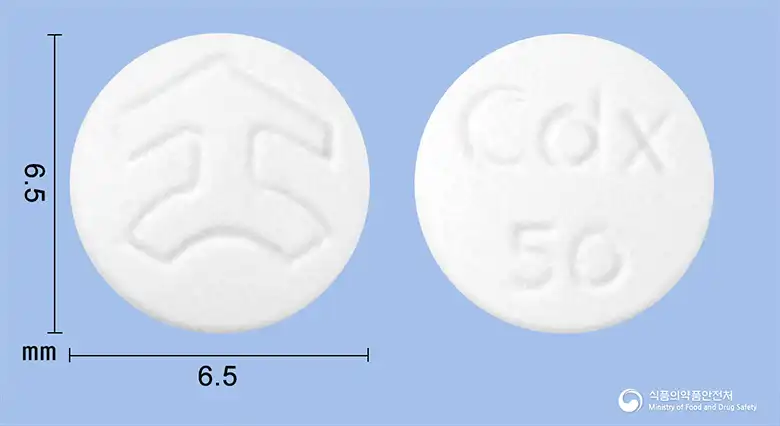
Casodex Tablet (Bicalutamide)
Bicalutamide 50mg
Tablet · Prescription medication
AstraZeneca Korea Co., Ltd.
MFDS item code 200109103 · Approved 2001.09.26 · Insurance code 650700510
Treatment of advanced or high-risk locally advanced nonmetastatic prostate cancer
This medication helps treat advanced prostate cancer when used with luteinizing hormone-releasing hormone (LHRH) analogs or surgical castration. Additionally, it can be administered alone to patients at high risk of progression of locally advanced or non-metastatic prostate cancer, or as an adjunct to radical prostatectomy and radiation therapy. This is used to slow the progression of prostate cancer and enhance treatment efficacy.
1. In combination with a luteinizing hormone-releasing hormone (LHRH) analogue or surgical castration, in adult men and elderly patients: Administer bicalutamide 50 mg orally once daily. Start this drug at least 3 days before administration of the LHRH analogue or at the time of surgical castration. 2. As monotherapy or adjuvant therapy to radical prostatectomy or radiotherapy in patients with locally advanced, nonmetastatic prostate cancer who are at high risk of disease progression: Adult men and elderly patients: Administer bicalutamide 150 mg orally once daily. The 150 mg regimen of this drug should be continued for at least 2 years or until disease progression.
This medication should not be used in women and children under the age of 18. Patients who are allergic to this drug or its components should avoid taking it. This medication should not be used if taken concurrently with specific drugs such as terfenadine, astemizole, and cisapride. Patients with a history of liver damage or severe liver dysfunction should not be administered this drug. This drug contains lactose, so patients with lactose intolerance or certain genetic metabolic disorders should not take it. Patients with weak liver function may have slower metabolism of this drug, increasing the risk of accumulation in the body, so caution should be exercised. Common side effects when taking this drug may include anemia, dizziness, flushing, indigestion, skin rash, gynecomastia, weakness, and loss of appetite. Rarely, serious side effects such as worsening liver function or severe lung disease may occur, so immediate consultation with a healthcare provider is necessary if unusual symptoms arise. Regular liver function tests should be conducted, and if severe liver damage is suspected, the use of the medication should be discontinued. This drug can inhibit certain liver enzymes leading to interactions with other medications, so it is essential to inform the healthcare provider of any other medications being taken. Caution should be exercised when driving or operating machinery due to potential confusion or drowsiness. Taking this drug along with medications that affect blood clotting may increase the risk of bleeding, necessitating blood tests and dosage adjustments. This medication is not to be used in pregnant or lactating women. It may affect male reproductive capabilities; therefore, appropriate contraceptive methods are recommended for some time after taking this medication. There is no specific antidote for overdose; appropriate treatment should be received based on symptoms, and blood dialysis may not be effective. Keep this medication out of reach of children, and store it in its original container to prevent misuse or quality degradation. Elderly patients may have weaker heart and circulatory function, increasing the risk of side effects, so their condition should be carefully monitored.
Not everyone experiences these, and they can vary from person to person.
This medication should be stored in a tightly sealed container to protect it from air and moisture, preferably at a temperature below 30 degrees Celsius. Proper storage will help maintain the effectiveness of the medication for a longer period.
White round film-coated tablet
28 tablets (14 tablets/PTP×2)
Even with the same ingredient, strength, dosage form and how it is taken can differ.
Viewing nowBicalutamide 50mg
Tablet · Prescription medication
AstraZeneca Korea Co., Ltd.
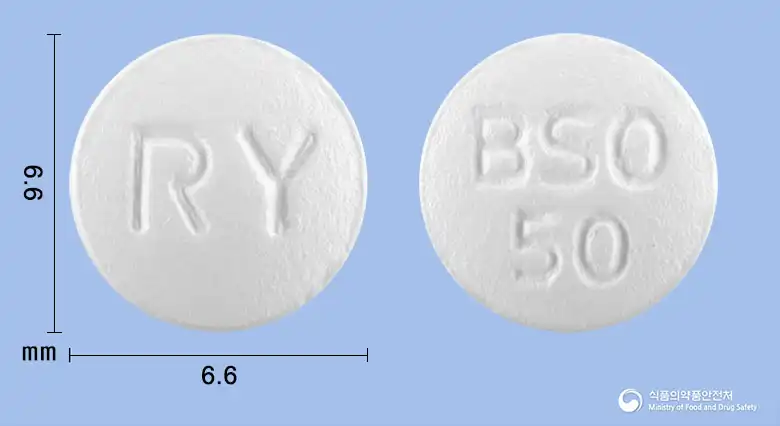
Bicalutamide 50mg
Tablet · Prescription medication
IYON Pharmaceutical Co., Ltd.
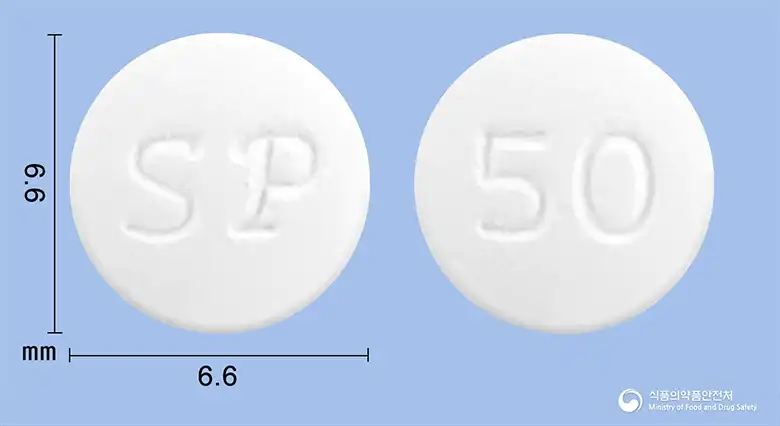
Bicalutamide 50mg
Tablet · Prescription medication
Shinpoong Pharmaceutical Co., Ltd.
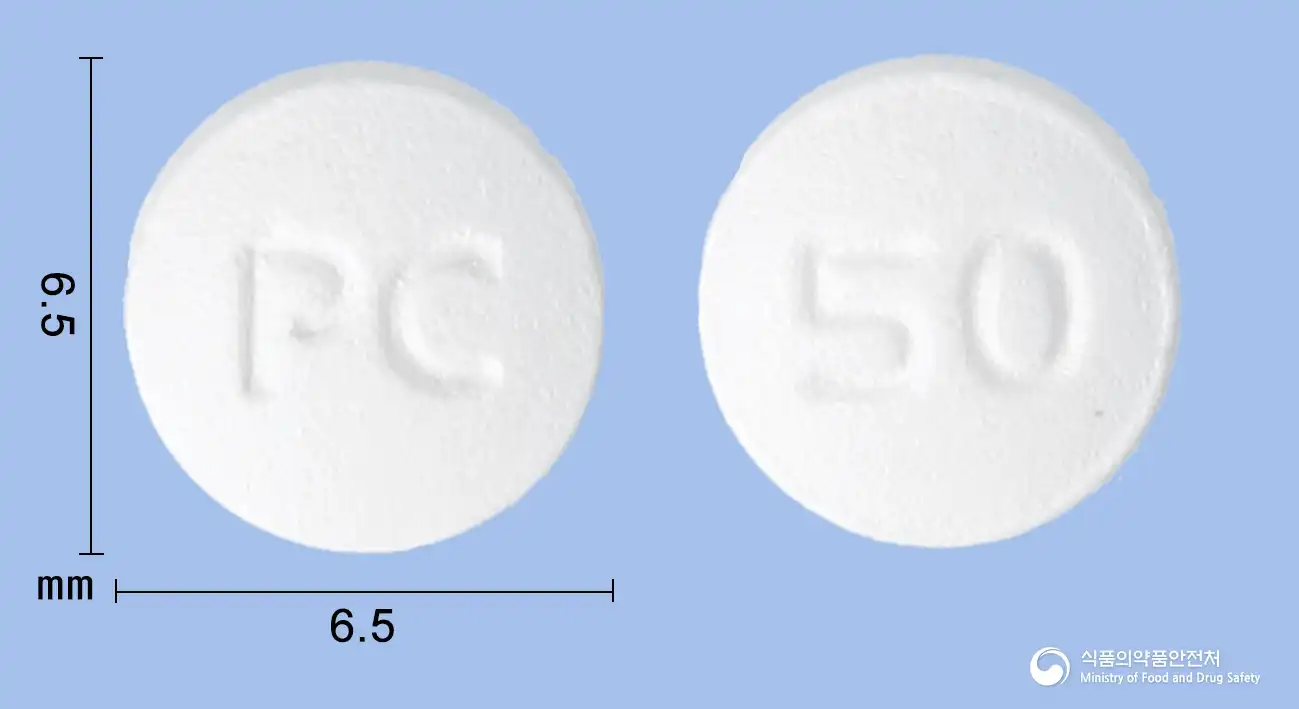
Bicalutamide 50mg
Tablet · Prescription medication
Alvogen Korea Co., Ltd.
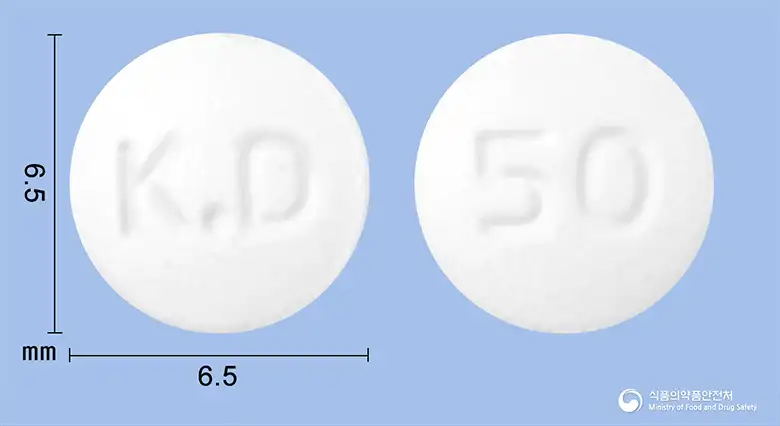
Bicalutamide 50mg
Tablet · Prescription medication
Kwangdong Pharmaceutical Co., Ltd.
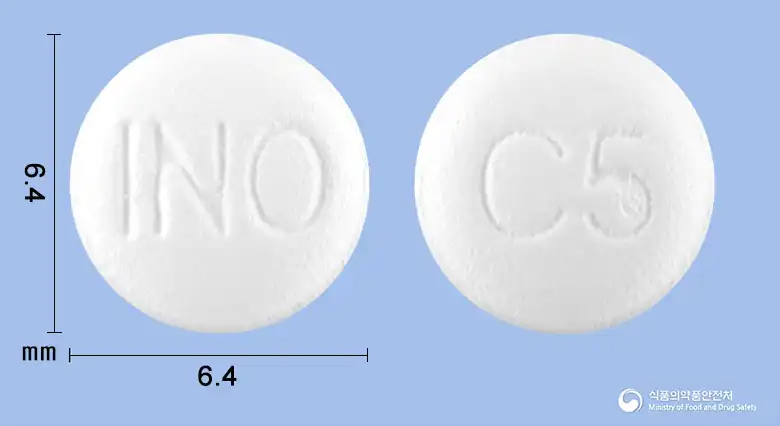
Bicalutamide 50mg
Tablet · Prescription medication
HK inno.N Corporation
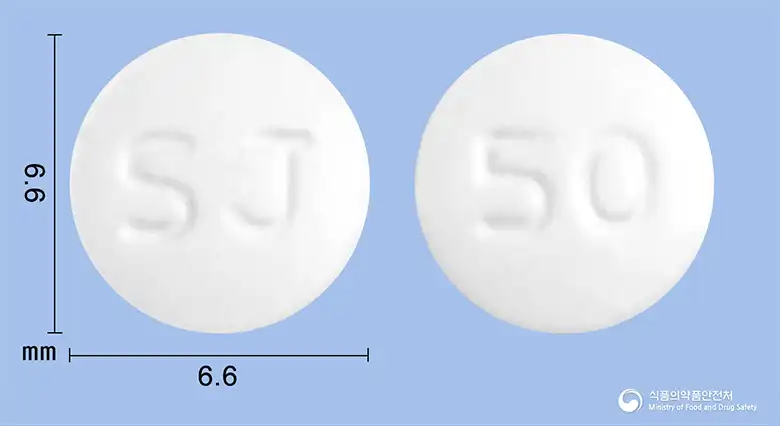
Bicalutamide 50mg
Tablet · Prescription medication
Samjin Pharmaceutical Co., Ltd.
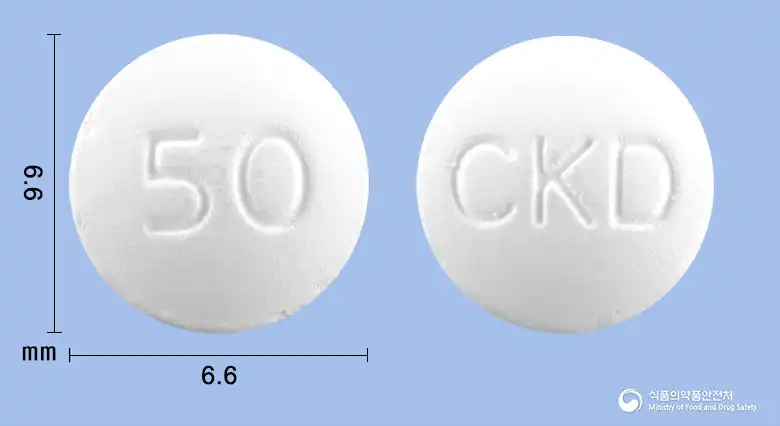
Bicalutamide 50mg
Tablet · Prescription medication
Jongkundang Co., Ltd.
Even with the same ingredient, the dose and directions can differ by strength and dosage form. Talk to a doctor or pharmacist before switching from a medication you are already taking.
No questions yet.
For anything that needs medical judgment, consult a doctor or pharmacist.
This drug information is based on data provided by the Korea Ministry of Food and Drug Safety.
Consult a doctor or pharmacist for accurate dosage, administration, and usage instructions.