
 한국어
 English
 日本語
 中文(简体)
Dosage form image
Viewing nowKaitril Injection (Granisetron Hydrochloride)
Granisetron Hydrochloride 1.12mg
Prescription medication
GP Therapeutics Korea Co., Ltd.
MFDS item code 200108802 · Approved 2001.02.09 · Insurance code 057200081,057200091
Relief of nausea and vomiting after chemotherapy, radiation therapy, and surgery
This medication is used to relieve nausea and vomiting in adults caused by chemotherapy or radiation therapy. It is also effective for nausea and vomiting that occurs after surgery. For children (2 years and older), it is used to treat nausea and vomiting symptoms due to chemotherapy. In other words, it helps improve nausea and vomiting in various situations.
1. Adults 1) Nausea and vomiting caused by chemotherapy or radiotherapy <Administration> To prepare the solution for intravenous infusion, withdraw 3 mL (3 mg) of granisetron from the ampoule and dilute it with one of the infusion solutions below to a total volume of 20 ∼ 50 mL or 15 mL. Do not use any other diluents. - For dilution to 20 ∼ 50 mL: Normal saline injection, 0.18 % w/v sodium chloride + 4.0 % w/v dextrose injection, 5 % w/v dextrose injection, Hartmann's solution, sodium lactate injection, 10 % w.v mannitol injection - For dilution to 15 mL: Normal saline injection <Dosage> Administer 40 μg/kg of granisetron (usually 3 mg), diluted in 20 ∼ 50 mL of infusion solution, over at least 5 minutes, or dilute in 15 mL of infusion solution and administer intravenously (over at least 30 seconds). Although one dose of this medicine controls nausea and vomiting, up to 2 additional doses of 3 mg may be administered at intervals of at least 10 minutes within 24 hours. Maximum daily dose: Up to 3 doses of 3 mg of this medicine may be administered within 24 hours. The total dose administered over 24 hours must not exceed 9 mg. 2) Postoperative nausea and vomiting Dilute 1 mL (1 mg) of this medicine with normal saline injection to a total volume of 5 mL (do not use any other diluents), then administer slowly intravenously (over at least 30 seconds). Maximum daily dose: Up to 2 mL (2 mg) of this medicine may be administered within 24 hours. 3. Older adults No special dosage or administration adjustments are necessary. 4. Patients with renal or hepatic impairment No special dosage or administration adjustments are necessary.
2. Children (2 years and older) 1) Nausea and vomiting induced by chemotherapy: Dilute 40 μg/kg of this medicine (maximum 3 mg) in 10 ∼ 30 mL of infusion solution and administer over at least 5 minutes. Although one dose of this medicine controls nausea and vomiting, one additional dose of 40 μg/kg (maximum 3 mg) may be administered within 24 hours, at an interval of at least 10 minutes. 2) Postoperative nausea and vomiting in children: Administration is not recommended.
This medication should be used very carefully when using injection ampoules, as glass fragments may be present when cutting the container. Extra caution is required particularly for children or the elderly. This medication should not be administered to patients with an allergy to this medication or its components. This medication may inhibit intestinal movement, so patients with symptoms of bowel obstruction should be closely monitored after administration. Additionally, patients with heart disease or abnormal electrocardiograms may experience cardiac-related side effects, so caution is necessary. Common side effects include headaches and constipation, and liver function test values may temporarily increase. Rarely, skin rashes or severe allergic reactions may occur, and any abnormal symptoms should be reported to medical personnel immediately. This medication may cause serotonin syndrome, which can lead to changes in mental status or neurological abnormalities, so patients should be closely monitored when used with other serotonin drugs. There is no clear data on the effects of this medication on driving or operating machinery, but drowsiness has been reported during clinical trials, so caution is advised. This medication has relatively few interactions with other medications, but it may affect enzymes involved in drug metabolism in the liver, so caution is necessary when used with specific medications. During pregnancy, it is advisable not to use it unless special circumstances apply, and if breastfeeding, it is necessary to stop breastfeeding during the treatment period. The safety of this medication for children, especially premature infants or newborns, has not been sufficiently confirmed, so it should be used cautiously. There is no particular antidote in case of overdose, so symptomatic treatment should be given, and serious side effects have rarely been reported even when exceeding the recommended dosage significantly. This medication should not be mixed with other medications, and it should be prepared and stored in a sterile state, avoiding direct sunlight during storage. Keep this medication in a safe place out of reach of children, and be cautious when transferring it to another container as it may cause accidents.
Not everyone experiences these, and they can vary from person to person.
This medication should be stored in a sealed container to prevent air from entering, and it is important to store it shielded from direct light. The storage temperature should be maintained between 1 degree to 30 degrees Celsius at room temperature.
Colorless and transparent injection solution in a colorless and transparent ampoule
3mg/3mL X 1, 5 ampoules 1mg/1mL X 1, 5 ampoules
Even with the same ingredient, strength, dosage form and how it is taken can differ.
Granisetron Hydrochloride 1.12mg
Prescription medication
GP Therapeutics Korea Co., Ltd.
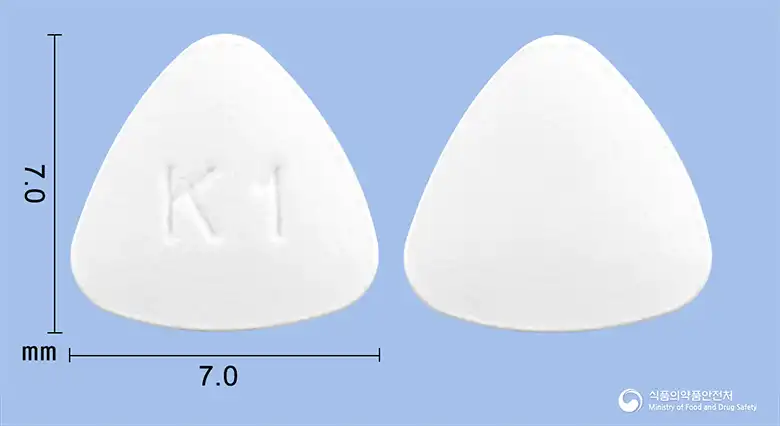
Granisetron Hydrochloride 1.1mg
Tablet · Prescription medication
G.P. Therapeutics Korea Co., Ltd.
Granisetron Hydrochloride 1.117mg
Prescription medication
IYOUN Pharmaceuticals Co., Ltd.
Granisetron Hydrochloride 1.12mg
Prescription medication
BC World Pharma Co., Ltd.
Granisetron Hydrochloride 1.117mg
Prescription medication
Hana Pharmaceutical Co., Ltd.
Granisetron Hydrochloride 1.12mg
Prescription medication
Fresenius Kabi Korea Co., Ltd.
Granisetron Hydrochloride 1.12mg
Orally disintegrating Tablet · Prescription medication
BC World Pharmaceutical Co., Ltd.
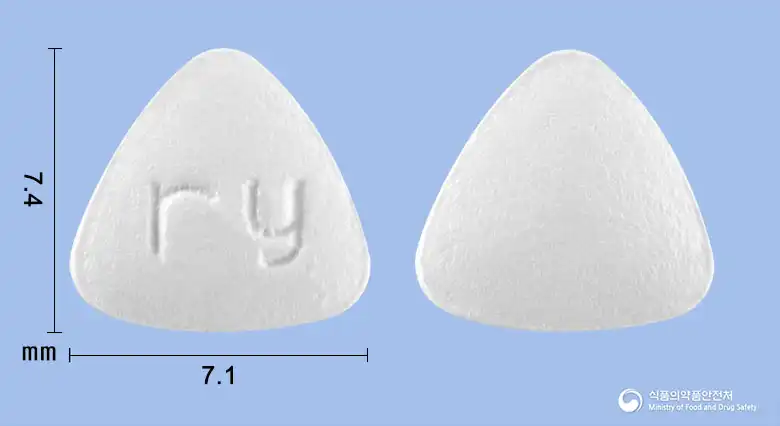
Granisetron Hydrochloride 1.1mg
Tablet · Prescription medication
Yian Pharmaceutical Co., Ltd.
Even with the same ingredient, the dose and directions can differ by strength and dosage form. Talk to a doctor or pharmacist before switching from a medication you are already taking.
No questions yet.
For anything that needs medical judgment, consult a doctor or pharmacist.
This drug information is based on data provided by the Korea Ministry of Food and Drug Safety.
Consult a doctor or pharmacist for accurate dosage, administration, and usage instructions.