
 한국어
 English
 日本語
 中文(简体)
 Viewing now
Rescol XL Sustained Release Tablet (Fluvastatin Sodium)
Fluvastatin Sodium 84.24mg
Tablet · Prescription medication
Novartis Korea Co., Ltd.
MFDS item code 200108760 · Approved 2001.04.20 · Insurance code 653600290
Improvement of hyperlipidemia; inhibition of the progression and recurrence of cardiovascular disease (e.g., coronary atherosclerosis)
This medication is primarily used to reduce the risk of cardiovascular disease and improve hyperlipidemia. It delays the progression of atherosclerosis in patients with primary hypercholesterolemia who do not respond adequately to dietary measures and helps reduce the risk of recurrent heart events in patients with coronary artery disease after percutaneous coronary intervention. Additionally, it reduces total cholesterol, LDL cholesterol, apo-B protein, and triglyceride levels, while increasing HDL cholesterol, making it effective for treating hyperlipidemia. Specifically, it is used in patients with heterozygous familial hypercholesterolemia in children and adolescents to improve blood lipid levels. Thus, this medication is effective in reducing the risk of various forms of hyperlipidemia and cardiovascular disease.
Before starting this medicine, secondary causes of hypercholesterolemia, such as uncontrolled diabetes, hypothyroidism, renal disease, dysproteinemia, obstructive liver disease, and alcoholism, must be excluded. The patient should be following a standard cholesterol-lowering diet, which should be continued throughout treatment. Do not break, crush, or chew the extended-release tablets (extended-release tablets only). Do not take two 40 mg capsules as a single dose (capsules only). 1. Reduction of risk of cardiovascular disease 1) Slowing the progression of coronary atherosclerosis In clinical trials in adult patients with primary hypercholesterolemia and coronary artery disease, administration of fluvastatin 40 mg daily slowed the progression of coronary atherosclerosis. 2) Reduction in the risk of recurrent cardiac events after percutaneous coronary intervention in adults with coronary artery disease The appropriate dose for patients with coronary artery disease who have undergone coronary intervention is 80 mg daily. 2. Hyperlipidemia The recommended initial dose is 20 ~ 40 mg of this medicine once daily in the evening. Most patients require 20 ~ 40 mg once daily, but the dose may be increased individually to 80 mg daily (fluvastatin extended-release tablet 80 mg once daily or fluvastatin immediate-release capsule 40 mg twice daily), depending on baseline LDL cholesterol and treatment goals. The maximum daily dose is 80 mg. Fluvastatin extended-release tablet 80 mg should be taken once daily at the same time each day, at any time of day, with or without food. Swallow this medicine whole with water. The maximum lipid-lowering effect of this medicine is achieved within 4 weeks of administration. The dose should be adjusted according to the patient's response, at intervals of 4 weeks or longer. The therapeutic effect of this medicine is maintained with continued administration. ○ Combination therapy: Immediate-release fluvastatin has an additive effect on lowering total cholesterol and LDL cholesterol when administered with a bile acid sequestrant (e.g., cholestyramine) or nicotinic acid. When this medicine is administered with cholestyramine or another bile acid sequestrant, it should be taken at bedtime and at least 4 hours after the bile acid sequestrant to avoid significant interactions caused by binding of the medicine to the resin. Monitor closely because of the risk of myopathy. ○ Patients with renal impairment: This medicine is metabolized mainly in the liver and less than 6 % of the dose is excreted in the urine; therefore, no dose adjustment is necessary in patients with mild ~ moderate renal impairment (creatinine clearance≧30 mL/min). This medicine is contraindicated in patients with severe renal impairment (creatinine clearance<30 mL/min). ○ Patients with hepatic impairment: This medicine is contraindicated in patients with active liver disease, hepatic impairment, or unexplained, persistent elevations in serum aminotransferases. ○ Elderly patients No dose adjustment is necessary in elderly patients.
Males: aged 9 to 16 years; females: aged 10 to 16 years after menarche: The recommended starting dose is 20 mg of this medicine. The maximum daily dose is 40 mg per dose twice daily or 80 mg extended-release tablet once daily. Dose adjustment should be made at 6-week intervals. The dose should be individualized according to treatment goals. Before starting this medicine, the patient should have followed a standard cholesterol-lowering diet for 6 months, and the diet should be continued throughout treatment.
This medication may cause muscle issues, so if symptoms of muscle pain or weakness occur, you must inform your doctor immediately. Particularly, if blood levels of creatine kinase rise significantly, the use of this medication should be discontinued. Patients with serious infections, hypotension, major surgery, or trauma may need to temporarily discontinue this medication. Patients with allergies to this medication or its components, very poor kidney function, liver disease, pregnant or potentially pregnant women, and nursing mothers should not take this medication. Patients with a history of liver disease or alcohol addiction should be closely monitored for liver function when using this medication. Caution is necessary for elderly patients over 65 years old, as they have a higher risk of muscle problems. Regular liver function tests and blood tests should be conducted while taking this medication, and if any abnormalities occur, you should consult your doctor immediately. There may be interactions when used with other medications, so be sure to inform your doctor of all medications you are currently taking. Pregnant or nursing women should not take this medication, and women who may become pregnant should use effective contraception. There is no specific antidote for overdose, so treatment depends on symptoms, and liver function and muscle enzyme levels should be monitored. It should only be used in children or adolescents with restrictions, as long-term safety has not been established in those under 18 years old. This medication should be kept out of the reach of children and stored in its original container to prevent misuse or quality degradation.
Myopathy, rhabdomyolysis, myalgia, arthritis, arthropathy, sinusitis, bronchitis, dyspepsia, diarrhea, abdominal pain, nausea, abdominal distension, dental disorders, insomnia, urinary tract infection, headache, influenza-like symptoms, accidental injury, fatigue, allergy, thrombocytopenia, rash, urticaria, anaphylactic reaction, sensory disturbances related to hyperlipidemia, sensory abnormalities, sensory loss, vasculitis, pancreatitis, hepatitis, other skin reactions (eczema, dermatitis, blistering rash), facial swelling, angioedema, muscle weakness, myositis, lupus-like erythematosus reaction, liver function abnormalities, hyperlipidemia, sleep disorders, amnesia, depression, myasthenia gravis, ocular myasthenia, interstitial lung disease, weight gain, erectile dysfunction, sleep disorders (including insomnia and nightmares), amnesia, depression, immune-mediated necrotizing myopathy, pancreatitis, chronic active hepatitis, cholestatic jaundice, liver steatosis, cirrhosis, fulminant liver necrosis, liver cancer, loss of appetite, vomiting, hepatic failure, hair loss, itching, gynecomastia, loss of libido, erectile dysfunction, progression of cataracts, ocular muscle paralysis, sweating, tinnitus, urinary dysfunction, myocardial infarction, esophageal ulcer, chest pain, mild dyspnea, memory decline, forgetfulness, amnestic syndrome, memory impairment, confusion, dyspnea, non-productive cough, fatigue, weight loss, fever, myalgia, myasthenia, rhabdomyolysis, lupus erythematosus-like syndrome, polymyalgia rheumatica, purpura, leukopenia, hemolytic anemia, photosensitivity reactions, fever, chills, flushing, malaise, dyspnea, toxic epidermal necrolysis, Stevens-Johnson syndrome, erythema multiforme, dermatitis, eczema, hair loss, itching, gynecomastia, loss of libido, erectile dysfunction, cataracts, ocular muscle paralysis
Not everyone experiences these, and they can vary from person to person.
This medication should be stored in a tightly closed container to prevent exposure to air or moisture, and it is important to keep it at room temperature between 1 degree and 30 degrees. Proper storage will help maintain the effectiveness of the medication and prevent deterioration.
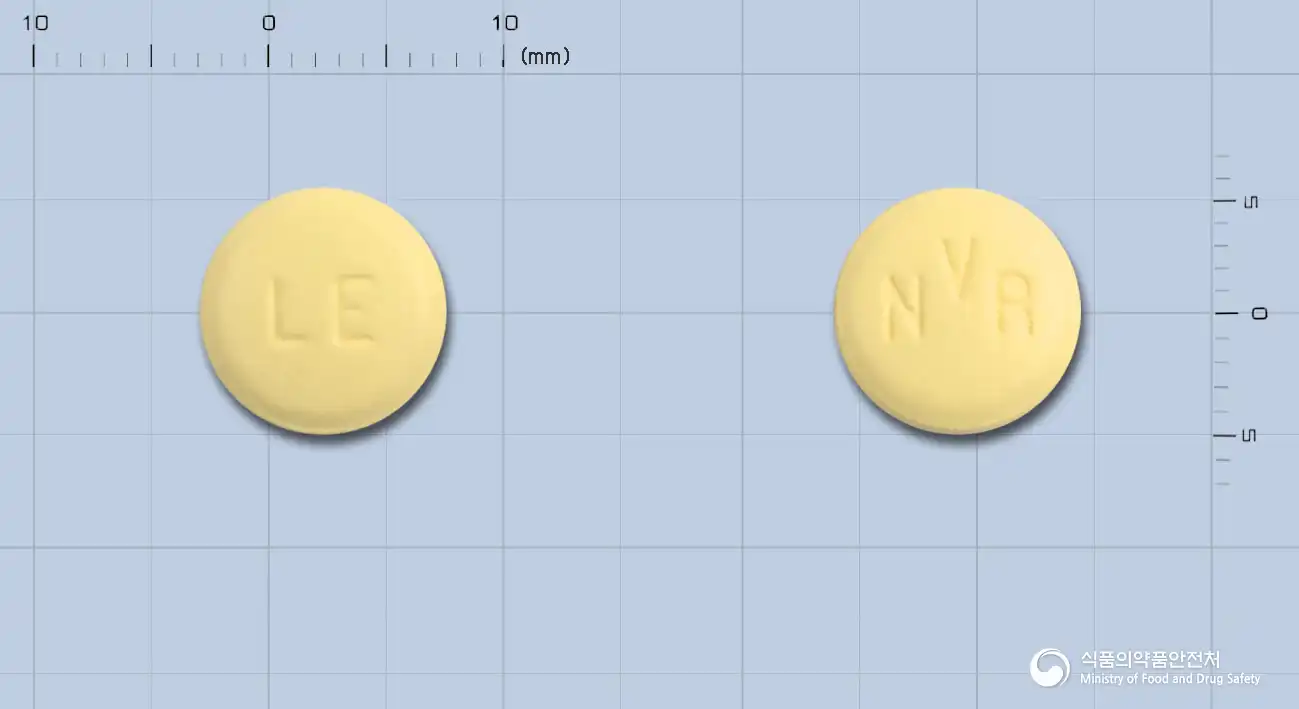
Yellow round film-coated sustained release tablet
28 tablets (14 tablets/PTP packaging X 2)
Even with the same ingredient, strength, dosage form and how it is taken can differ.
Viewing nowFluvastatin Sodium 84.24mg
Tablet · Prescription medication
Novartis Korea Co., Ltd.
Fluvastatin Sodium
Prescription medication
Korea Novartis Co., Ltd.
Fluvastatin Sodium
Prescription medication
Korea Novartis Co., Ltd.
Fluvastatin Sodium
Prescription medication
Hanmi Pharmaceutical Co., Ltd.
Fluvastatin Sodium
Prescription medication
Korea Sandos Co., Ltd.
Fluvastatin Sodium
Prescription medication
Korea Sandos Co., Ltd.
Even with the same ingredient, the dose and directions can differ by strength and dosage form. Talk to a doctor or pharmacist before switching from a medication you are already taking.
No questions yet.
For anything that needs medical judgment, consult a doctor or pharmacist.
This drug information is based on data provided by the Korea Ministry of Food and Drug Safety.
Consult a doctor or pharmacist for accurate dosage, administration, and usage instructions.