
 한국어
한국어 English
 日本語
日本語 中文(简体)
Dosage form image
Viewing nowCombinationAmoxiclan Syrup
Amoxicillin Hydrate 21.625g · Dilute Potassium Clavulanate 5.406g
Syrup · Prescription medication · Combination
Hanmi Pharmaceutical Co., Ltd.
MFDS item code 200102600 · Notified 2001.09.11
This product's status changed to Approval withdrawn on 2024.08.13. It may no longer be sold, so consult a doctor or pharmacist before taking it.
Treatment of respiratory and urogenital infections (bronchitis, pneumonia, cystitis, etc.)
This medication is effective against various bacterial infections. It is used for respiratory infections such as acute and chronic bronchitis, lobar and bronchial pneumonia, empyema, and lung abscesses, as well as infections in various sites including tonsillitis, sinusitis, and otitis media. Additionally, it is helpful for urinary tract infections such as cystitis, urethritis, pyelonephritis, pelvic infections, and treatment of gonorrhea. It is also effective against complex skin infections including boils, abscesses, soft tissue infections, wound infections, bone infections like osteomyelitis, and dental infections. It can act against various resistant bacterial strains, including those producing beta-lactamases, and is widely used for treating various bacterial infections.
For upper respiratory infections like recurrent tonsillitis, lower respiratory infections, urinary tract infections, and mild to moderate skin and soft tissue infections, take 20mg/5mg per kg of body weight daily (approximately 0.8mL/kg/day) divided into three doses. For severe infections such as otitis media and sinusitis, or lower respiratory infections like bronchial pneumonia and urinary tract infections, take 40mg/10mg per kg of body weight daily (approximately 1.6mL/kg/day).
There is insufficient clinical data for the use of the 4:1 syrup in children under 2 months of age. (That is, children over 2 months can take it according to the dosage guidelines.)
This medication contains an artificial sweetener called aspartame, which is broken down into phenylalanine in the body; hence, it should not be used by patients with phenylketonuria. Additionally, it should not be administered to patients who have had hypersensitivity reactions to this drug or beta-lactam antibiotics, patients with specific viral infections, those with a history of liver dysfunction, and patients with genetic issues such as lactose intolerance. Patients with impaired liver or kidney function, those with allergic tendencies, elderly patients, and patients with gastrointestinal diseases should use this drug with caution, and, if necessary, dose adjustments or extended dosing intervals should be considered. Various side effects can occur, such as gastrointestinal adverse reactions (diarrhea, vomiting, etc.), liver function abnormalities, skin rash, blood abnormalities, neurological problems, and kidney issues; therefore, patients should consult healthcare professionals immediately if adverse symptoms occur. To prevent antibiotic-resistant bacteria, it is essential to take the medication for the minimum duration necessary after sensitivity testing, and those with a history of severe allergic reactions to penicillin-type drugs should be particularly cautious. Serious allergic reactions such as anaphylactic shock may occur, so patients' conditions should be closely monitored after administration, and emergency treatment may be required. With long-term use, liver, kidney function, and hematopoietic functions should be regularly monitored, and a thorough allergy history should be confirmed before taking this medication. This drug should be avoided in the early stages of pregnancy, and during breastfeeding, caution is necessary as side effects may occur in the infant. Safety has not been established in children, especially preterm infants or newborns, and it should be used cautiously; similarly, the elderly are at an increased risk of side effects due to physiological decline. Furthermore, this drug may interact with other medications, so patients must inform healthcare providers of any other medications they are taking, and it should be shaken well before use. After preparation, store it in the refrigerator and use it within 7 days.
Hives, severe swelling, chest tightness, difficulty breathing, cold sweat, pallor, severe rash with high fever, blisters, peeling skin, oral/eye mucosal pain, shortness of breath or difficulty breathing, asthma attacks, respiratory distress accompanied by cough and fever, yellowing of the skin or eyes (jaundice), profound lethargy, sudden and severe headaches, thunderclap headaches, seizures, confusion, visual disturbances, paralysis, decreased urine output,
Not everyone experiences these, and they can vary from person to person.
This drug must be stored in a tightly closed container to prevent air or moisture from entering, and it should be kept in a cool place below 25 degrees Celsius to maintain its efficacy.
A syrup that is prepared by dissolving a white to light yellow powder
50mL/bottle, 500mL/bottle
Even with the same ingredient, strength, dosage form and how it is taken can differ.
Amoxicillin Hydrate 21.625g · Dilute Potassium Clavulanate 5.406g
Syrup · Prescription medication · Combination
Hanmi Pharmaceutical Co., Ltd.
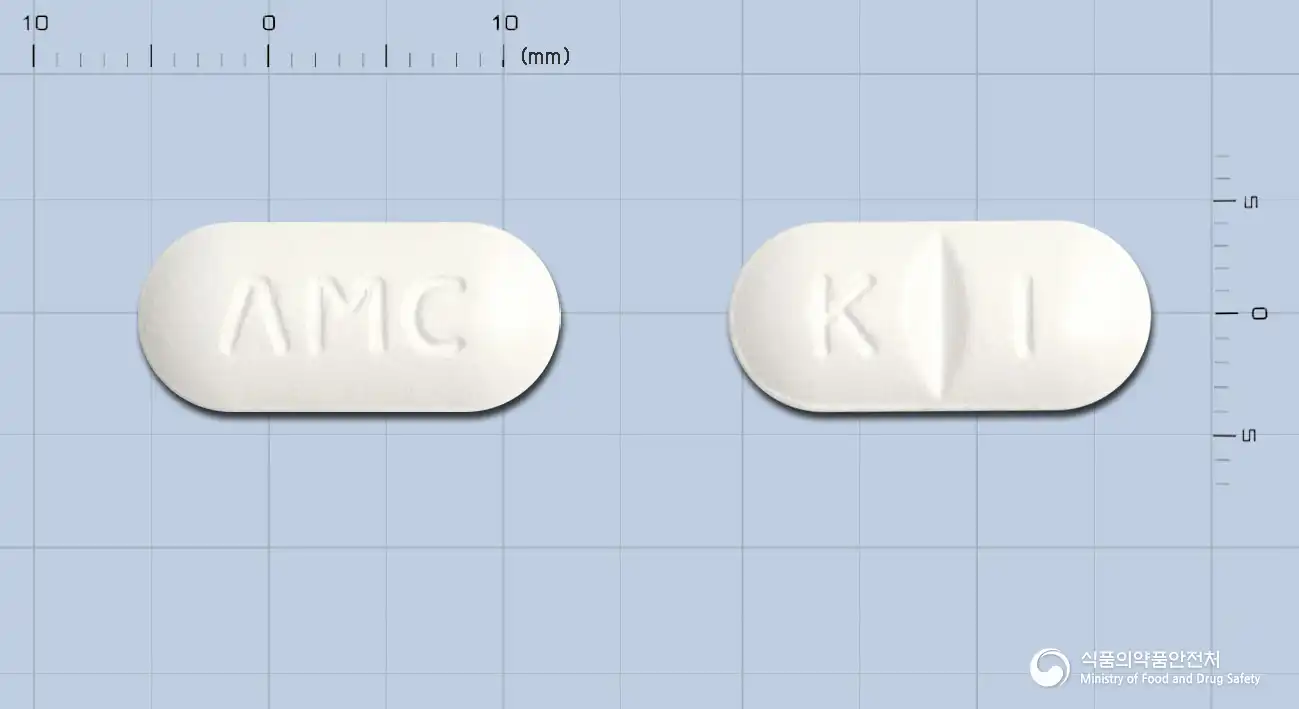 Combination
Amoxicillin Hydrate 500mg · Dilute Potassium Clavulanate 215.52mg
Tablet · Prescription medication · Combination
Geonil Pharmaceutical Co., Ltd.
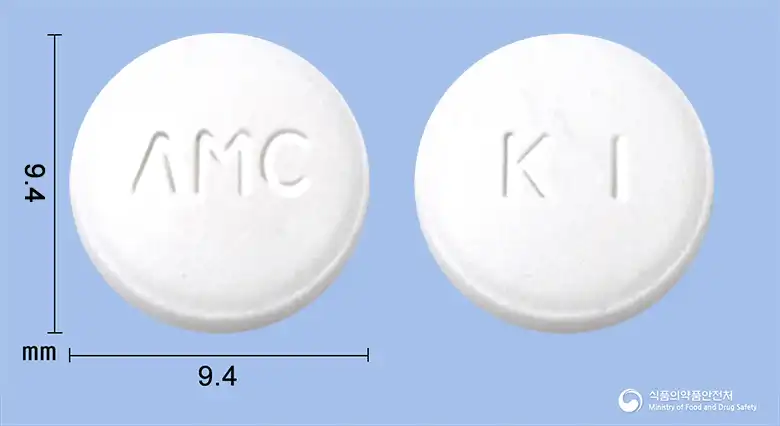 Combination
Amoxicillin Hydrate 125mg · Dilute Potassium Clavulanate 107.76mg
Tablet · Prescription medication · Combination
Geonil Pharmaceutical Co., Ltd.
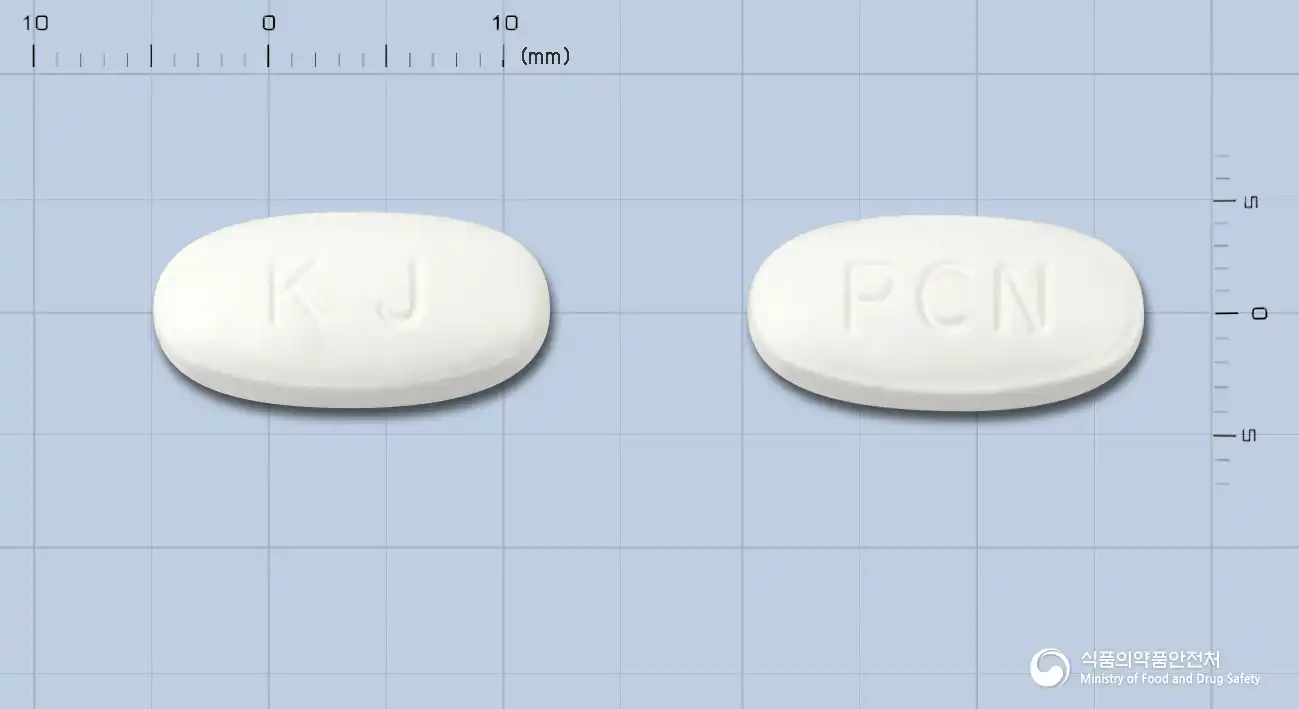 Combination
Amoxicillin Hydrate 250mg · Dilute Potassium Clavulanate 212.73mg
Tablet · Prescription medication · Combination
International Pharmaceutical Co., Ltd.
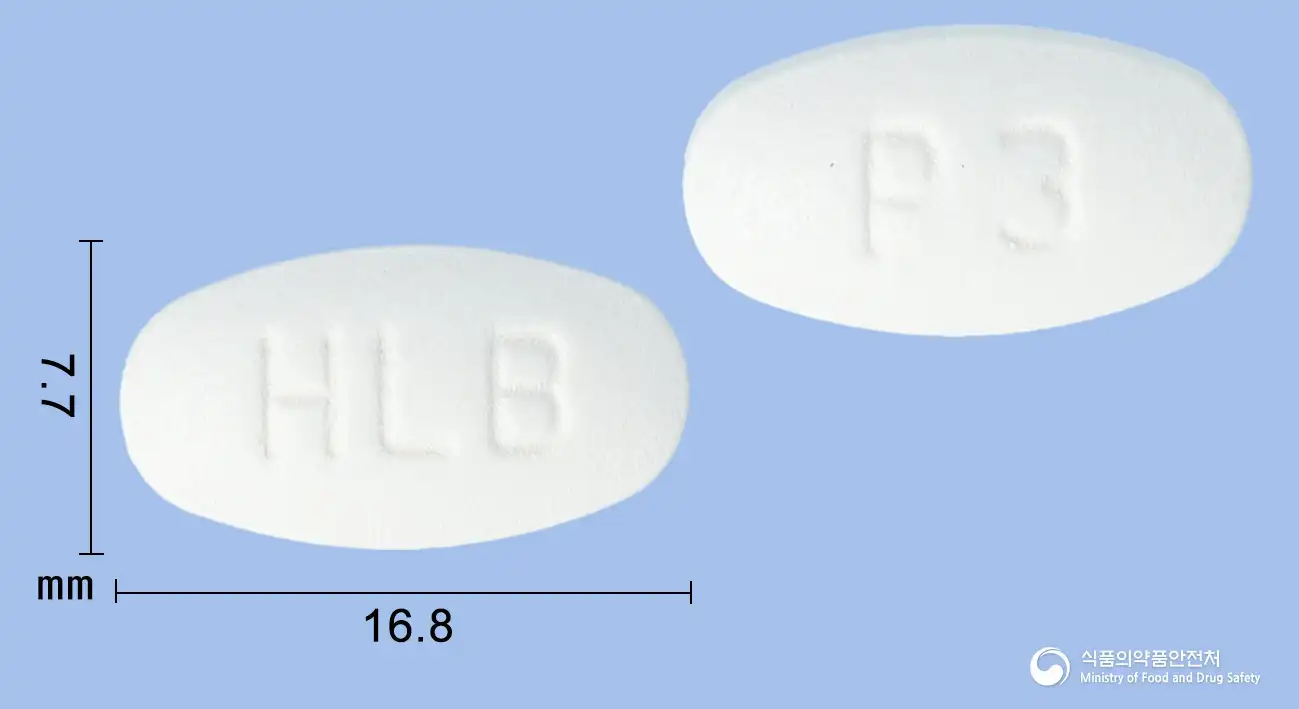 Combination
Amoxicillin Hydrate 250mg · Dilute Potassium Clavulanate 215.52mg
Tablet · Prescription medication · Combination
HLB Pharmaceutical Co., Ltd.
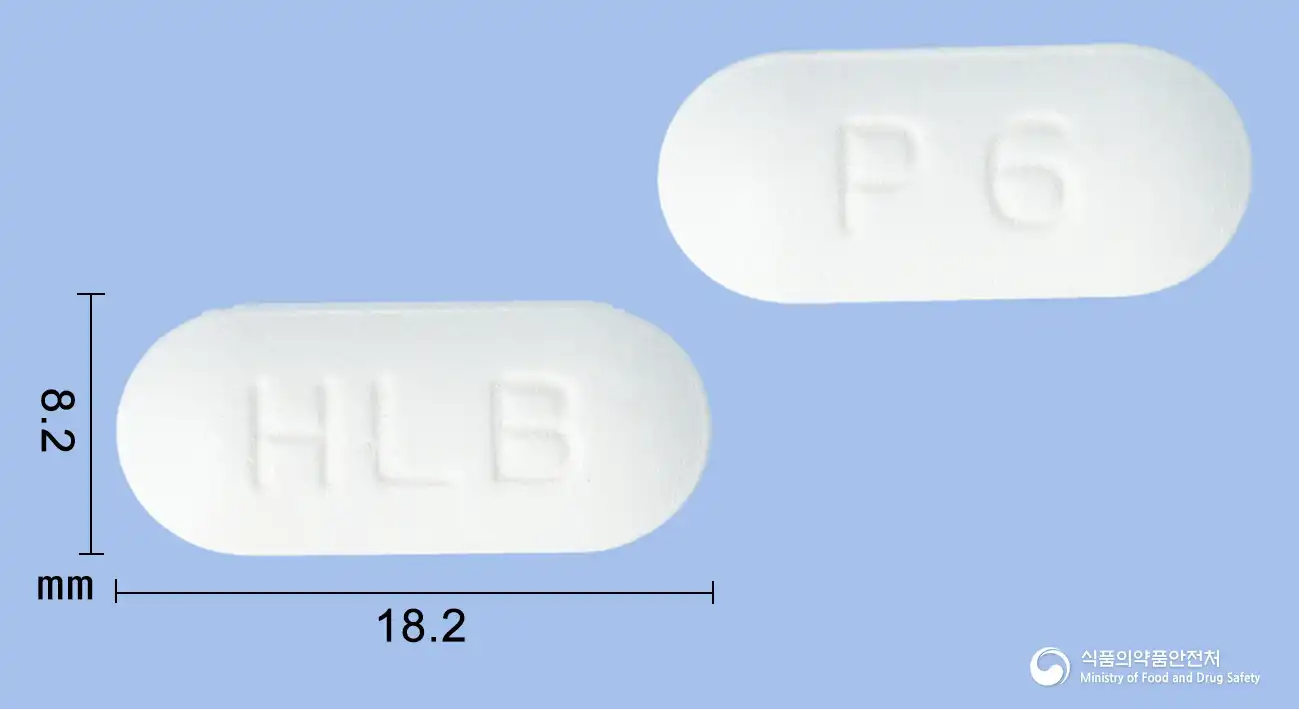 Combination
Amoxicillin Hydrate 500mg · Dilute Potassium Clavulanate 215.52mg
Tablet · Prescription medication · Combination
HLB Pharmaceuticals Co., Ltd.
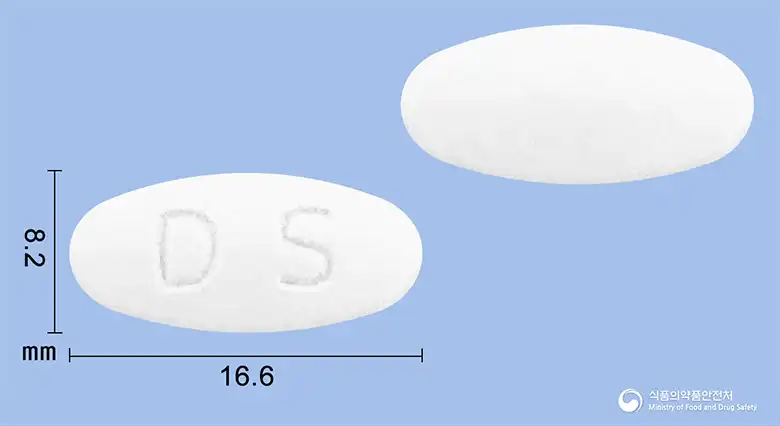 Combination
Amoxicillin Hydrate 250mg · Dilute Potassium Clavulanate 215.52mg
Tablet · Prescription medication · Combination
Dong Sung Pharmaceutical Co., Ltd.
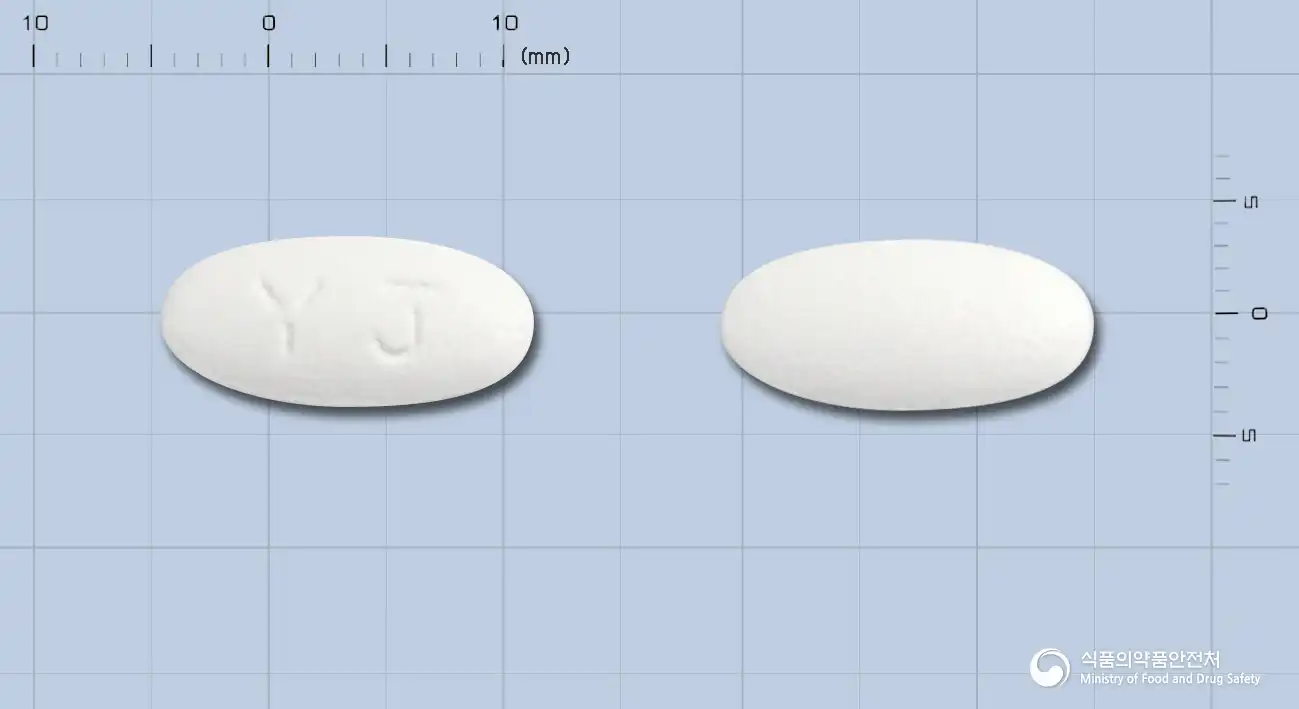 Combination
Amoxicillin Hydrate 250mg · Dilute Potassium Clavulanate 212.73mg
Tablet · Prescription medication · Combination
Youngjin Pharmaceutical Co., Ltd.
Even with the same ingredient, the dose and directions can differ by strength and dosage form. Talk to a doctor or pharmacist before switching from a medication you are already taking.
No questions yet.
For anything that needs medical judgment, consult a doctor or pharmacist.
This drug information is based on data provided by the Korea Ministry of Food and Drug Safety.
Consult a doctor or pharmacist for accurate dosage, administration, and usage instructions.