
 한국어
 English
 日本語
 中文(简体)
Dosage form image
Viewing nowKETORAN Injection (Ketorolac Tromethamine)
Ketorolac Tromethamine 30mg
Prescription medication
Kyungdong Pharmaceutical Co., Ltd.
MFDS item code 200102265 · Notified 2001.04.04 · Insurance code 648102001
Short-term relief of moderate to severe acute pain and severe postoperative pain in children
This medication is used for short-term relief of acute pain ranging from moderate to severe, particularly severe pain such as postoperative pain. It is also suitable for severe postoperative pain in children over 2 years of age when opioid analgesics cannot be used. This drug effectively manages strong pain, aiding rapid recovery.
Administer a loading dose of 10 mg as ketorolac tromethamine by intramuscular or intravenous injection, followed by a maintenance dose of 10–30 mg every 4–6 hours. Use the lowest effective dose. Do not administer for more than 2 days. The daily dose should not exceed 90 mg (60 mg in elderly patients, patients with renal impairment, and patients weighing 50 kg or less). Do not administer epidurally or intrathecally. The dose or dosing interval may be adjusted according to the symptoms and severity of pain. Opioids may be coadministered as needed.
Children 2 years and older: Administer as a single intravenous dose after surgery. Thereafter, several intravenous bolus doses may be given as needed. Intravenous administration is recommended for children because intramuscular injection is painful. Administer a single dose of 0.5–1.0 mg/kg, followed, if needed, by 0.5 mg/kg every 6 hours. Do not administer for more than 2 days. The dose or dosing interval may be adjusted according to the symptoms and severity of pain.
This medication may pose a risk of gastrointestinal bleeding for individuals who regularly consume more than three alcoholic beverages daily, so it is essential to consult a doctor or pharmacist. This drug can pose significant risks to the cardiovascular system; therefore, caution is necessary for patients with cardiovascular diseases or risk factors. Patients at risk of bleeding or taking anticoagulants should be careful as it can affect blood coagulation. Serious gastrointestinal adverse reactions such as gastrointestinal bleeding, ulceration, and perforation may occur; thus, patients with a history of gastrointestinal diseases should be particularly cautious. This medication can affect kidney function, so patients with kidney diseases or at risk of renal failure require dosage adjustments and monitoring. Allergic reactions such as anaphylaxis, skin rashes, and bronchospasm may occur; therefore, patients who have had hypersensitivity reactions to non-steroidal anti-inflammatory drugs should avoid this medication. Women planning to become pregnant or who could become pregnant should avoid using this drug as it may affect fertility. The risk of adverse reactions increases when used in combination with other non-steroidal anti-inflammatory drugs, so they should not be taken together. Care must be taken to avoid glass shards upon opening the vial when using injections, particularly with children and the elderly. This medication should not be administered to patients with a history of peptic ulcers, gastrointestinal bleeding, bleeding tendencies, severe renal failure, asthma, or a history of hypersensitivity. Patients with specific conditions such as liver, kidney, hypertension, heart failure, reduced blood volume, or inflammatory bowel disease require careful observation during administration. During use, patients should be closely monitored for gastrointestinal symptoms, cardiovascular symptoms, liver function abnormalities, kidney function changes, and skin rashes. Regular blood tests and liver and kidney function tests should be performed to detect adverse signs early during long-term use. This medication can affect platelet function, increasing the risk of bleeding; therefore, it should be avoided or used with caution prior to surgery or in patients at high risk of bleeding. Patients should be cautious as symptoms such as dizziness and drowsiness may occur when driving or operating machinery. Pregnant or nursing women should not take this drug, particularly in late pregnancy, as it can harm the fetus. This medication should not be administered to children or adolescents, especially under 2 years old, as safety and efficacy have not been established. Elderly patients are at heightened risk of renal function decline and gastrointestinal bleeding, so the minimum effective dose should be used with careful monitoring. Overdosage can lead to symptoms such as peptic ulcers, nausea, vomiting, and treatment should be symptomatic. The potential for interactions with other medications means that patients should consult healthcare professionals if they are taking other drugs.
Gastrointestinal bleeding, cardiovascular thrombotic reactions, myocardial infarction, stroke, hemorrhage, postoperative hematoma, wound bleeding, nausea, dyspepsia, abdominal pain, diarrhea, constipation, abdominal distension, vomiting, stomatitis, peptic ulcer, gastrointestinal bleeding, perforation, blood in stool, rectal bleeding, gastritis, belching, loss of appetite, increased appetite, pancreatitis, hematemesis, esophagitis, melena, dry mouth, colitis, exacerbation of Crohn's disease, edema, anaphylaxis, bronchospasm, laryngeal edema, tongue swelling, hypotension, flushing, rash, weight gain, fever, infection, asthenia, hypertension, erythema, palpitations, pallor, syncope, bradycardia, chest pain, heart failure, erythema, itching, toxic epidermal necrolysis, eosinophilia, drug reaction with systemic symptoms, Stevens-Johnson syndrome, exfoliative dermatitis, papular erythema, urticaria, angioedema, sweating, purpura, surgical site bleeding, thrombocytopenia, nosebleeds, anemia, leukopenia, eosinophilia, hematoma, headache, drowsiness, dizziness, seizures, tremors, hallucinations, abnormal dreams, euphoria, extrapyramidal syndrome, paresthesia, depression, insomnia, nervous irritability, thirst, severe thirst, abnormal thoughts, concentration difficulties, hyperactivity, confusion, myalgia, aseptic meningitis, anxiety, psychotic reactions, hepatitis, liver failure, cholestatic jaundice, abnormal liver function tests, dyspnea, asthma, pulmonary edema, rhinitis, cough, acute renal failure, flank pain, oliguria, nephritis, polyuria, urinary frequency, urinary retention, hemolytic uremic syndrome, hyperkalemia, hyponatremia, nephrotic syndrome, elevated serum urea and creatinine levels, injection site pain, taste disturbances, visual disturbances, blurred vision, optic neuritis, tinnitus, hearing loss, female infertility, prolonged bleeding time
Not everyone experiences these, and they can vary from person to person.
This medication should be stored in a sealed container to protect it from air and light, avoiding direct sunlight. Additionally, it is important to maintain the storage temperature between 1 and 30 degrees Celsius.
Brown ampoule containing a clear light yellow liquid
For Domestic Use: 1ml x 50 Amp, For Export: 1ml x 10 Amp, 1ml x 50 Amp, 2ml x 10 Amp
Even with the same ingredient, strength, dosage form and how it is taken can differ.
Ketorolac Tromethamine 30mg
Prescription medication
Kyungdong Pharmaceutical Co., Ltd.
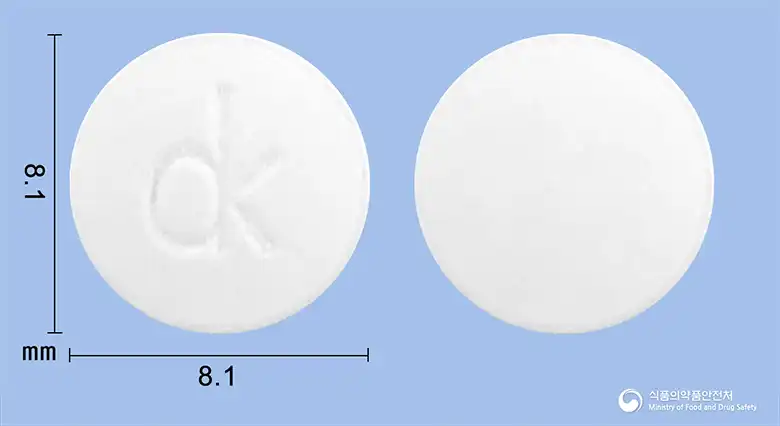
Ketorolac Tromethamine 10mg
Tablet · Prescription medication
Dongkuk Pharmaceutical Co., Ltd.
Ketorolac Tromethamine 30mg
Injections · Prescription medication
GPT Therapeutics Korea Co., Ltd.
Ketorolac Tromethamine 30mg
Injections · Prescription medication
Ilyun Pharmaceutical Co., Ltd.
Ketorolac Tromethamine 30mg
Injections · Prescription medication
Samjin Pharmaceutical Co., Ltd.
Even with the same ingredient, the dose and directions can differ by strength and dosage form. Talk to a doctor or pharmacist before switching from a medication you are already taking.
No questions yet.
For anything that needs medical judgment, consult a doctor or pharmacist.
This drug information is based on data provided by the Korea Ministry of Food and Drug Safety.
Consult a doctor or pharmacist for accurate dosage, administration, and usage instructions.