
 한국어
 English
 日本語
 中文(简体)
Dosage form image
Viewing nowOCTOSTIM Nasal Spray (Desmopressin Acetate)
Desmopressin Acetate
Prescription medication
Korea Ferring Pharmaceuticals Co., Ltd.
MFDS item code 200009034 · Approved 2000.08.29
This product's status changed to Expired on 2023.07.01. It may no longer be sold, so consult a doctor or pharmacist before taking it.
Control and prevention of bleeding in blood disorders (mild hemophilia A and von Willebrand disease)
This medication helps control and prevent bleeding in patients with mild Hemophilia A and von Willebrand disease. It effectively stops bleeding when it occurs and prevents future bleeding. This aids patients in maintaining a safer and more stable condition in their daily lives. It plays an important role in bleeding management and is used for both treatment and prevention.
Treatment or prevention of bleeding: Administer desmopressin 300㎍ (one spray into each nostril) at the time of bleeding or 2 hours before the scheduled surgery. This dose may be repeated every 12 hours for up to 2-3 days. During surgery, it is preferable to administer desmopressin by injection as the primary route. Before using Octostim to control or prevent bleeding, the effect of a test dose of desmopressin 300㎍ (one spray into each nostril) on coagulation factors or bleeding time should be determined for each patient, and the dose adjusted accordingly. Whether repeated administration of this medicine is necessary or blood products are needed for hemostasis should be determined based not only on the patient’s clinical status but also on the response of laboratory test results. Consider that some patients may develop tachyphylaxis (a diminished response) if doses are repeated more frequently than every 48 hours. The intranasal spray pump can deliver only 0.1㎖ (150㎍) or multiples of 0.1㎖. If a different dose is required, consider using an injectable formulation. Before first use, press the spray button about 4 times to prime the pump adequately. If this medicine has not been used for more than 1 week, prime it in the same manner before use. Discard the pump after 25 sprays, as each spray may then deliver 150㎍ or less.
This medication should only be used intranasally and not administered by any other route. Particularly in children and elderly patients who do not require antidiuretic hormones, fluid intake should be restricted to reduce the risk of water intoxication and hyponatremia. Fluid intake should only be sufficient to relieve thirst, and care should be taken to avoid too little or too much. A rapid drop in plasma osmolality can lead to serious seizures or coma, so careful monitoring for these symptoms is required. It should not be used in patients with certain blood disorders due to the potential for platelet aggregation. Patients who have had an allergic reaction to this medication or its components, those with abnormal fluid intake, and those currently taking diuretics should not receive this medication. Patients with coronary artery disease or hypertension should use it cautiously as blood pressure changes may occur. Cystic fibrosis patients with fluid and electrolyte imbalances should also be cautious due to the risk of hyponatremia. Patients with a history of thrombosis should be careful as thrombosis may rarely occur. Rarely reported side effects include headache, nausea, abdominal cramps, facial flushing, nasal congestion, rhinitis, nosebleeds, sore throat, cough, and upper respiratory infections, drowsiness, dizziness, itching, insomnia, chills, feelings of warmth, pain, chest pain, palpitations, dyspepsia, swelling, vomiting, and agitation. Severe allergic reactions such as anaphylaxis may also occur rarely, so any abnormal symptoms must be reported to medical staff immediately. If there are injuries or swelling in the nasal mucosa, absorption may change; thus, use should be stopped until this issue is resolved, and alternative administration methods should be considered. During treatment, there is a risk of fluid retention; fluid intake should be restricted, and if symptoms like weight gain, headache, or nausea occur, serum sodium levels should be checked through a blood test. Due to the inclusion of Benzalkonium Chloride, use for extended periods may cause bronchial spasms or nasal irritation, so caution is necessary. If used with other pressor agents, blood pressure changes should be closely monitored, and when combined with specific antidepressants or anticonvulsants, fluid retention may occur, so consultation with a physician is essential. There is insufficient research on pregnant women, although some studies report no significant problems. The benefits and risks of treatment should be carefully assessed. Likewise, there is insufficient research on nursing mothers, so caution is advised when using during breastfeeding. In children, fluid intake should be strictly limited to prevent hyponatremia and water intoxication. In case of overdose, the dosage should be reduced or administration stopped, as there is no specific antidote. Before initial use, check the blood coagulation status to assess safety. Long-term studies on the carcinogenicity or mutagenicity of this medication have not yet been conducted.
Not everyone experiences these, and they can vary from person to person.
This medication may be sensitive to air and moisture, so it must be stored in a tightly sealed container. Additionally, it is important to keep it at room temperature, avoiding extreme heat or cold.
Colorless and transparent solution contained in a brown spray glass vial
Manufacturer packaging unit
Even with the same ingredient, strength, dosage form and how it is taken can differ.
Desmopressin Acetate
Prescription medication
Korea Ferring Pharmaceuticals Co., Ltd.
Desmopressin Acetate 10mg
Prescription medication
Korea Ferring Pharmaceuticals Co., Ltd.
Desmopressin Acetate 4μg
Prescription medication
Korea Ferring Pharmaceutical Co., Ltd.
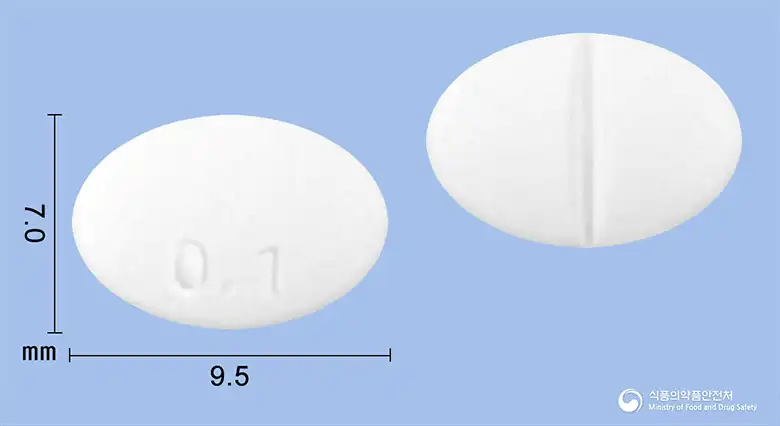
Desmopressin Acetate 0.1mg
Tablet · Prescription medication
Korea Ferring Pharmaceuticals Co., Ltd.
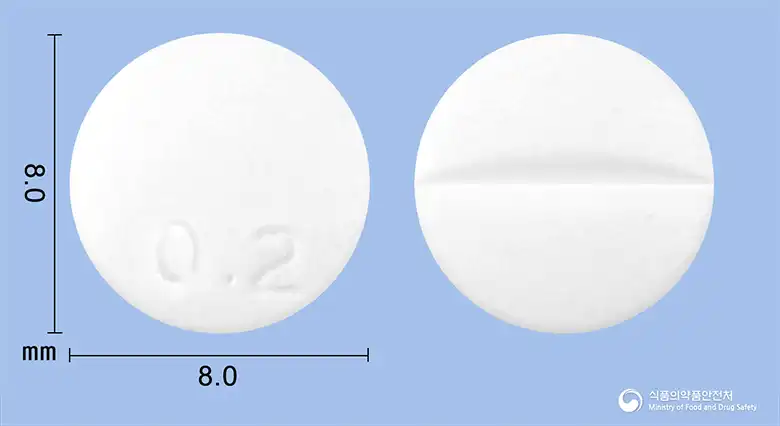
Desmopressin Acetate 0.2mg
Tablet · Prescription medication
Korea Ferring Pharmaceuticals Co., Ltd.
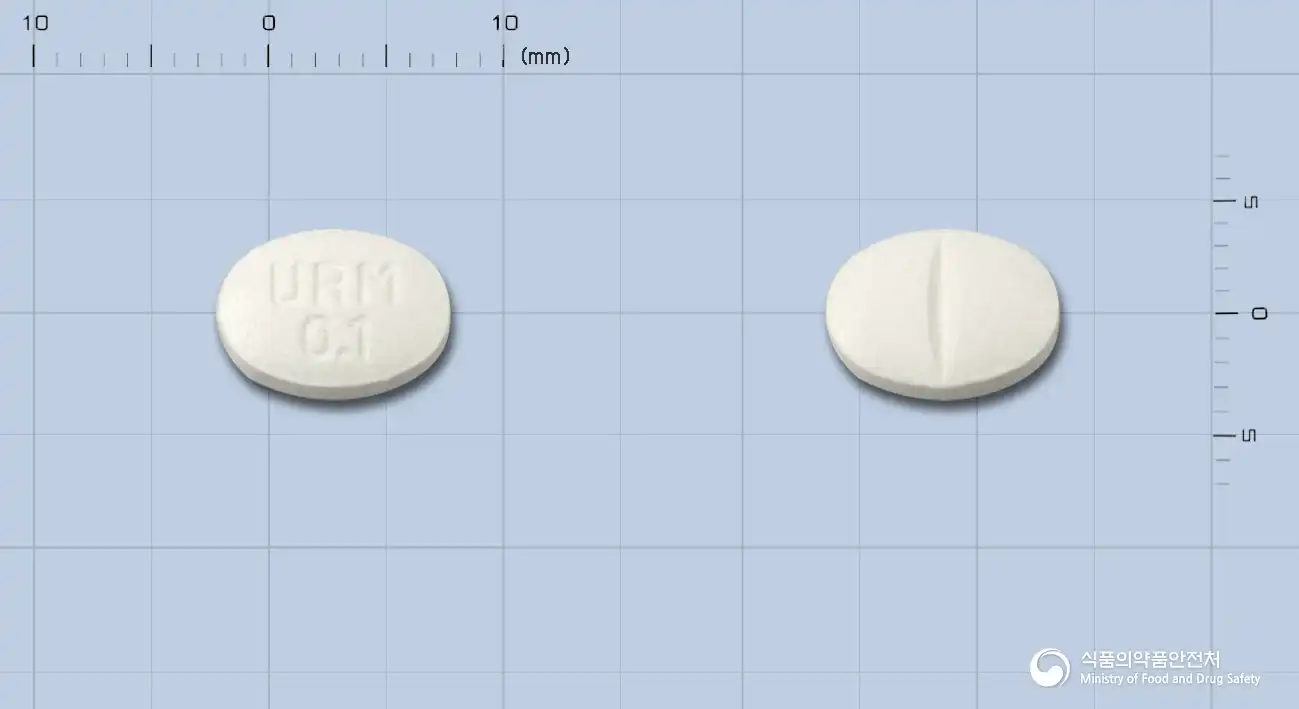
Desmopressin Acetate 0.1mg
Tablet · Prescription medication
Hyundai Pharmaceutical Co., Ltd.
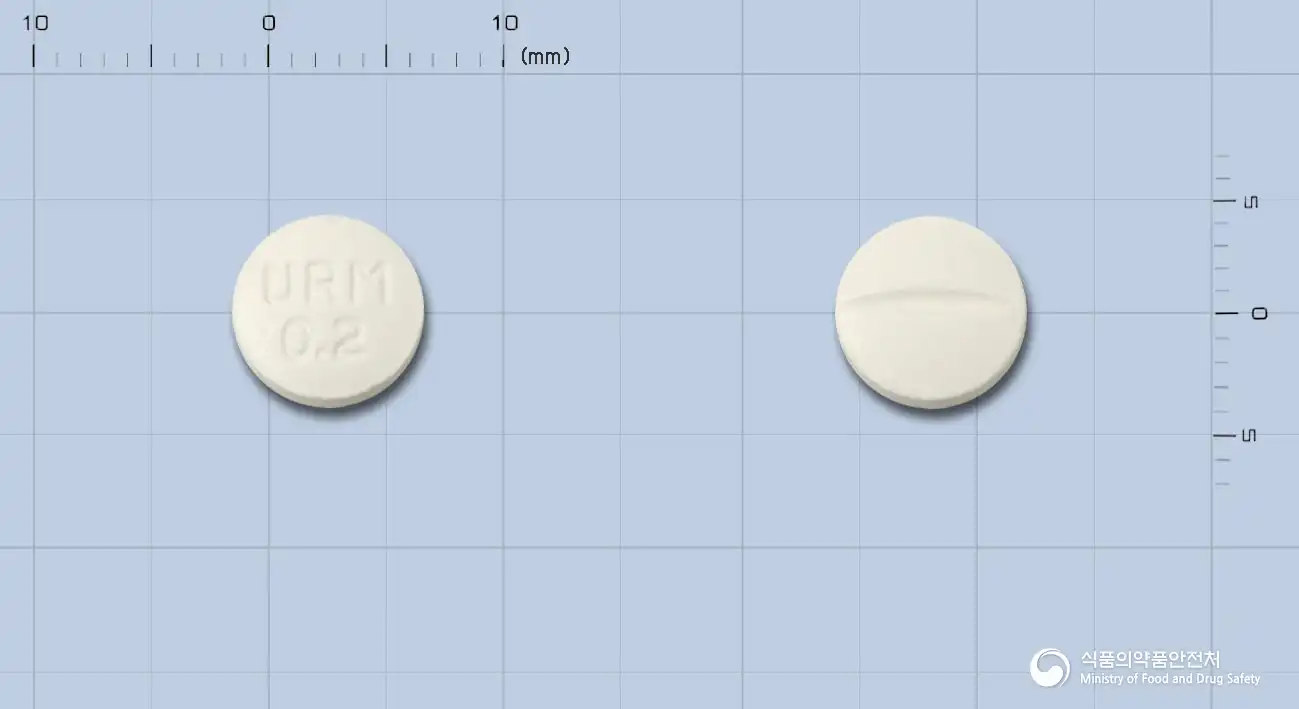
Desmopressin Acetate 0.2mg
Tablet · Prescription medication
Hyundai Pharmaceutical Co., Ltd.
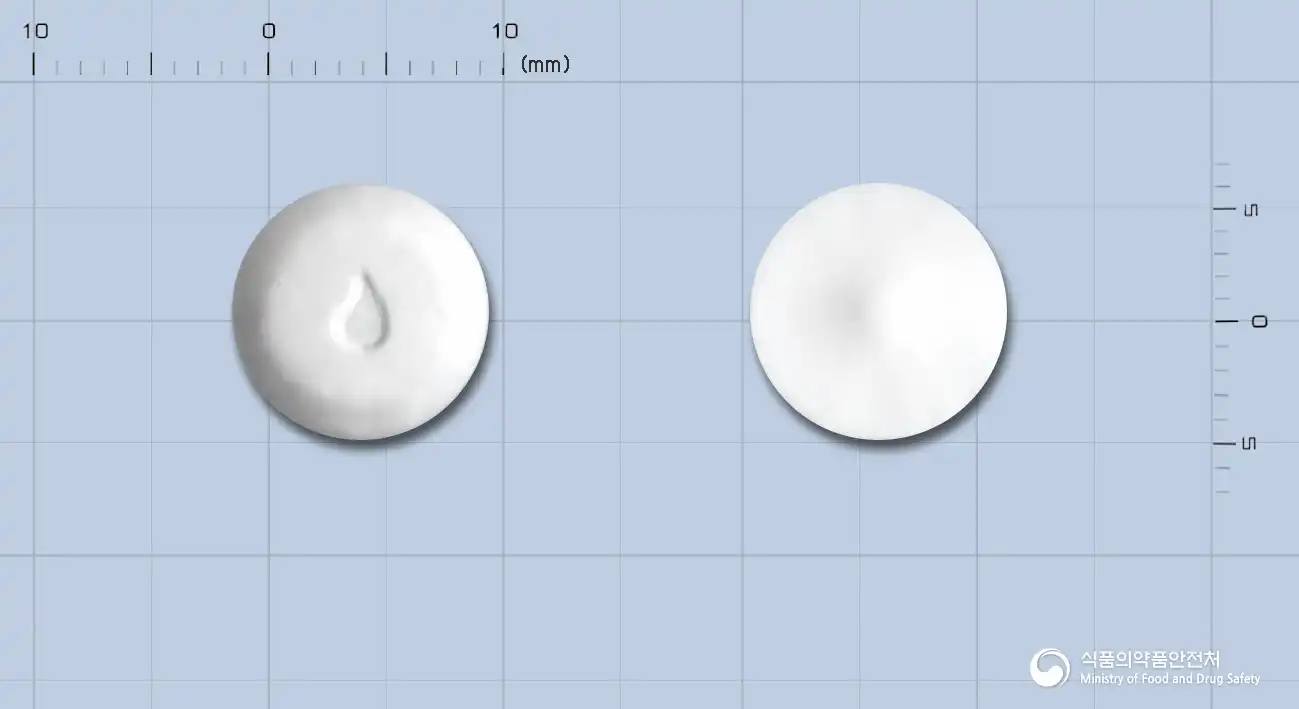
Desmopressin Acetate 0.068mg
Sublingual Tablet · Prescription medication
Korea Ferring Pharmaceuticals Co., Ltd.
Even with the same ingredient, the dose and directions can differ by strength and dosage form. Talk to a doctor or pharmacist before switching from a medication you are already taking.
No questions yet.
For anything that needs medical judgment, consult a doctor or pharmacist.
This drug information is based on data provided by the Korea Ministry of Food and Drug Safety.
Consult a doctor or pharmacist for accurate dosage, administration, and usage instructions.