
 한국어
 English
 日本語
 中文(简体)
 Viewing now
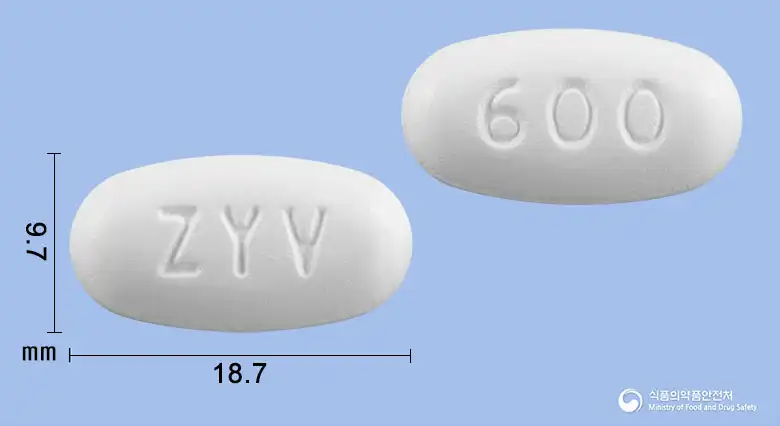
Zyvox Tablets 600 mg (Linezolid)
Linezolid 600mg
Tablet · Prescription medication
Pfizer Korea Co., Ltd.
MFDS item code 200008571 · Approved 2006.09.11 · Insurance code 648900710
Treatment of pneumonia, skin and soft-tissue infections, and vancomycin-resistant Enterococcus faecium infections
This medication is effective in treating various bacterial infections. It is primarily used for the treatment of hospital-acquired and community-acquired pneumonia and is also effective when accompanied by bacteremia. Additionally, it is applicable for skin and soft tissue infections, with or without complications, particularly in patients with diabetic foot infections. It is used for the treatment of infections caused by vancomycin-resistant Enterococcus faecium, helping even in cases of severe bacteremia. However, this medication is mainly effective against gram-positive bacteria, and additional treatment may be necessary if gram-negative bacterial infections are suspected. Overall, it is a medication utilized in the treatment of a wide range of bacterial infections.
Nosocomial pneumonia, community-acquired pneumonia (including cases with bacteremia), and complicated skin and soft tissue infections: Adolescents and adults (12 years of age and older), administer 600mg orally every 12 hours for 10-14 days Uncomplicated skin and soft tissue infections: Adults, administer 400mg orally every 12 hours; adolescents (12-17 years), administer 600mg orally every 12 hours, for 10-14 days Vancomycin-resistant Enterococcus faecium infections (including cases with bacteremia): Administer 600mg orally every 12 hours for 14-28 days Adult patients with infections caused by methicillin-resistant Staphylococcus aureus (MRSA) should receive 600 mg of this medicine every 12 hours. If oral therapy is clinically indicated for a patient who began treatment with the injectable formulation, the switch may be made at the physician's discretion. No dosage adjustment is necessary. The maximum duration of treatment with this medicine is 28 days. The safety and efficacy of treatment beyond 28 days have not been established.
Nosocomial pneumonia, community-acquired pneumonia (including cases with bacteremia), and complicated skin and soft tissue infections: Children (newborns-11 years), administer 10mg/kg orally every 8 hours for 10-14 days Uncomplicated skin and soft tissue infections: Children under 5 years of age, administer 10mg/kg orally every 8 hours for 10-14 days Uncomplicated skin and soft tissue infections: Children 5-11 years of age, administer 10mg/kg orally every 12 hours for 10-14 days Vancomycin-resistant Enterococcus faecium infections (including cases with bacteremia): Administer 10mg/kg orally every 8 hours for 14-28 days Newborns less than 7 days old: Most preterm neonates born at less than 34 weeks of gestation have lower systemic clearance and higher AUC for this medicine than full-term newborns and infants. These newborns should initially receive 10 mg/kg every 12 hours. For newborns with a suboptimal clinical response, administration of 10 mg/kg every 8 hours may be considered. All newborn patients should receive 10 mg/kg every 8 hours through 7 days of age.
This medication can cause bone marrow suppression, so patients with anemia or low blood cell counts should undergo regular blood tests. Particularly, patients with severely impaired kidney or liver function may experience thrombocytopenia more frequently, so caution is needed. Patients taking this medication for more than 2 weeks or with a history of bone marrow suppression require more thorough blood tests and monitoring. If diarrhea symptoms appear after antibiotic use, there may be a risk of clostridium difficile colitis, and immediate consultation with medical personnel is advised. This medication is not effective against gram-negative bacterial infections, so appropriate alternative treatments should be sought if such infections are suspected. Diabetic patients using this medication along with insulin or hypoglycemic agents should carefully monitor for risks of hypoglycemia. Patients with allergies to this medication or its components, or those currently taking certain MAO inhibitors should not use this medication. Patients with uncontrolled hypertension, hyperthyroidism, specific mental disorders, or those taking sympathomimetics must consult with medical personnel before using this medication. Patients taking drugs that present a risk of serotonin syndrome require careful monitoring and should consider immediate discontinuation if symptoms arise. Prolonged use may lead to neuropathy or vision changes; if changes in vision occur, immediate ophthalmological examination is advised. Women who are pregnant or may become pregnant should use this medication cautiously, considering the risks to the fetus. For nursing mothers, it is recommended to discontinue breastfeeding before and during treatment, as this medication may be excreted in breast milk. Elderly patients or those with impaired kidney and liver function should also be monitored carefully to ensure safety. In the event of an overdose, appropriate treatment such as hemodialysis may be required, and immediate notification to medical personnel is necessary if abnormal symptoms arise. This medication must be administered intravenously with precise adherence to dosage and administration methods, and care must be taken for interactions if combined with other medications. Store in a location inaccessible to children, and it is advisable not to change the container. During the use of this medication, monitor closely for adverse reactions or changes in symptoms, and consult medical personnel immediately if abnormalities occur.
Anemia, leukopenia, pancytopenia, thrombocytopenia, pseudomembranous colitis, hypoglycemia, headache, moniliasis, fungal infection, fever, dizziness, insomnia, taste alteration, diarrhea, nausea, vomiting, abdominal pain, abdominal cramps, abdominal distention, constipation, dyspepsia, tongue discoloration, tooth discoloration, hypertension, thrombocytopenia, decreased hemoglobin, leukopenia, neutropenia, vaginal moniliasis, rash, pruritus, abnormal blood test values, abnormal liver function test results, frequent headaches, occasional fever, trauma, local pain, occasional dizziness, frequent diarrhea, occasional nausea, vomiting, abdominal pain, loose stools, occasional rash, skin abnormalities, itching in non-applicable areas, occasional eosinophilia, occasional upper respiratory infection, pharyngitis, cough, frequent fever, sepsis, occasional headaches, trauma, edema, local pain, reaction at injection site or vascular catheter site, anaphylaxis, occasional seizures, frequent diarrhea, nausea, occasional vomiting, abdominal pain, gastrointestinal bleeding, loose stools, oral moniliasis, frequent rash, occasional skin abnormalities, frequent anemia, occasional thrombocytopenia, thrombocytosis, eosinophilia, occasional upper respiratory infection, dyspnea, pharyngitis, pneumonia, cough, apnea, occasional hypokalemia, pancytopenia, sideroblastic anemia, anaphylaxis, lactic acidosis, seizures, peripheral neuropathy, loss of vision, tongue discoloration, tooth discoloration, severe skin abnormalities, toxic epidermal necrolysis, Stevens-Johnson syndrome, bullous skin disease, angioedema, hypersensitivity vasculitis, rhabdomyolysis, septic shock, superinfection, multiple organ failure, infection, bacteremia, herpes zoster, edema, death, fungemia, reduced treatment response, candidemia, skin soft tissue infection, leukocytosis, thrombocytosis, disseminated intravascular coagulation, increased INR, increased aPTT, left shift of leukocyte differential, hemoperitoneum, increased metamyelocytes, exacerbation of acute myeloid leukemia, exacerbation of leukemia, exacerbation of acute lymphoblastic leukemia, exacerbation of multiple myeloma, progression of malignant lymphoma, gastrointestinal bleeding, bloody stools, recurrence of esophageal cancer, gastric cancer, respiratory failure, pneumonia, pulmonary hemorrhage, hemoptysis, acute respiratory distress syndrome, pulmonary edema, pneumothorax, acute interstitial pneumonia, acute respiratory failure, exacerbation of empyema, worsening hypoxemia, pulmonary infection, stridor, dyspnea, increased non-protein nitrogen, acute renal failure, urinary tract infection, increased blood urea nitrogen, renal failure, pyuria, hematuria, hepatic failure, hyperbilirubinemia, increased blood bilirubin, progression of hepatic coma, exacerbation of liver tumor, hepatorenal syndrome, progression of cholangiocarcinoma, exacerbation of cholangitis, cholecystitis, exacerbation of cholecystitis, cholangitis, worsening of colorectal cancer metastasis to the liver, jaundice, ventricular tachycardia, tachycardia, atrial fibrillation, myocardial infarction, worsening heart failure, cardiac arrest, exacerbation of acute cardiopulmonary failure, arrhythmia, recurrence of myocardial infarction, hypotension, hyponatremia, hyperkalemia, exacerbation of hypokalemia, electrolyte imbalance, exacerbation of hypocalcemia, seizures, insomnia, sensory loss, anxiety, depression, meningitis, progression and exacerbation of subdural hemorrhage, intraventricular hemorrhage, cerebrovascular accidents, variceal bleeding, exacerbation of thrombotic microangiopathy, foot drop, progression of purulent arthritis, hyperthyroidism, exacerbation of graft-versus-host disease, neuropathy, pulmonary dysfunction, worsening of liver function failure, optic neuropathy, appendiceal cancer
Not everyone experiences these, and they can vary from person to person.
This medication may be sensitive to air or moisture, so it should be stored in a sealed container. Additionally, avoid storing the medication in excessively hot or cold places; it is best stored at room temperature between 15 to 30 degrees Celsius.
White capsule-shaped film-coated tablets
20 tablets / bottle
Even with the same ingredient, strength, dosage form and how it is taken can differ.
Viewing nowLinezolid 600mg
Tablet · Prescription medication
Pfizer Korea Co., Ltd.
Linezolid 2mg
Prescription medication
Pfizer Korea Co., Ltd.
Linezolid 600mg
Tablet · Prescription medication
Korea United Pharm, Co., Ltd.
Linezolid 2mg
Prescription medication
HK inno.N Co., Ltd.
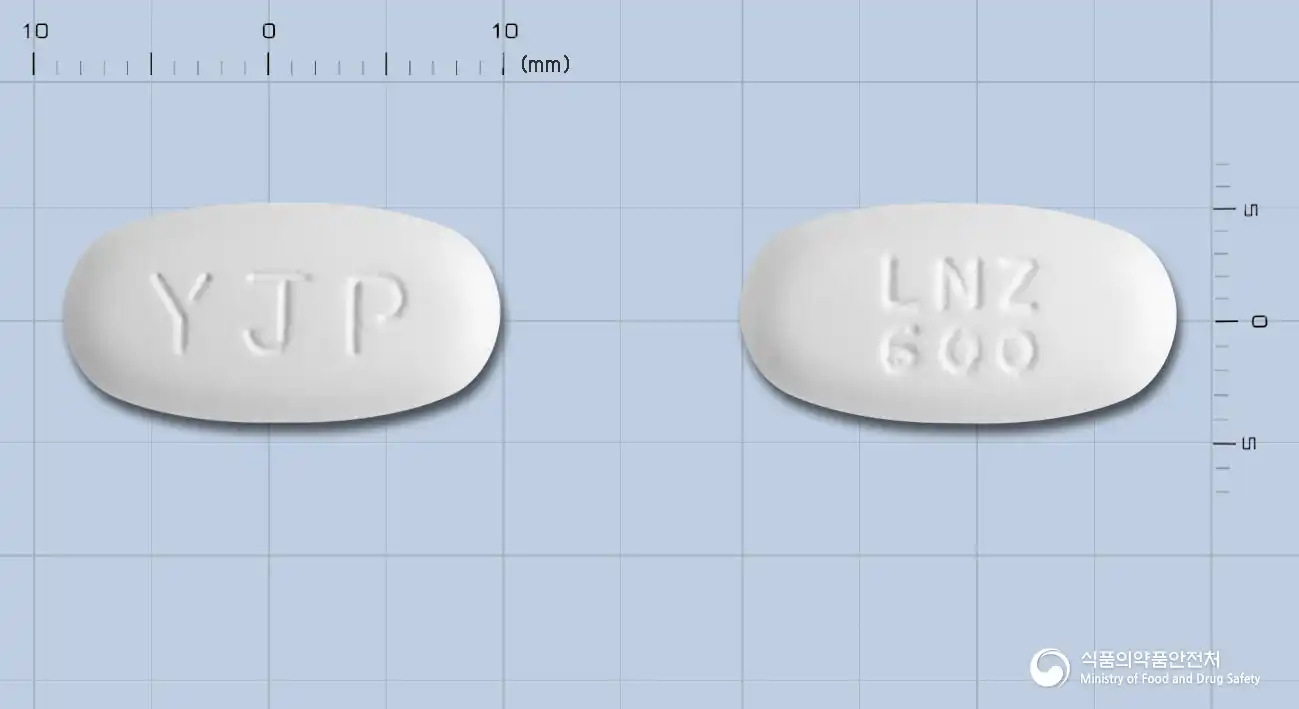
Linezolid 600mg
Tablet · Prescription medication
Youngjin Pharmaceutical Co., Ltd.
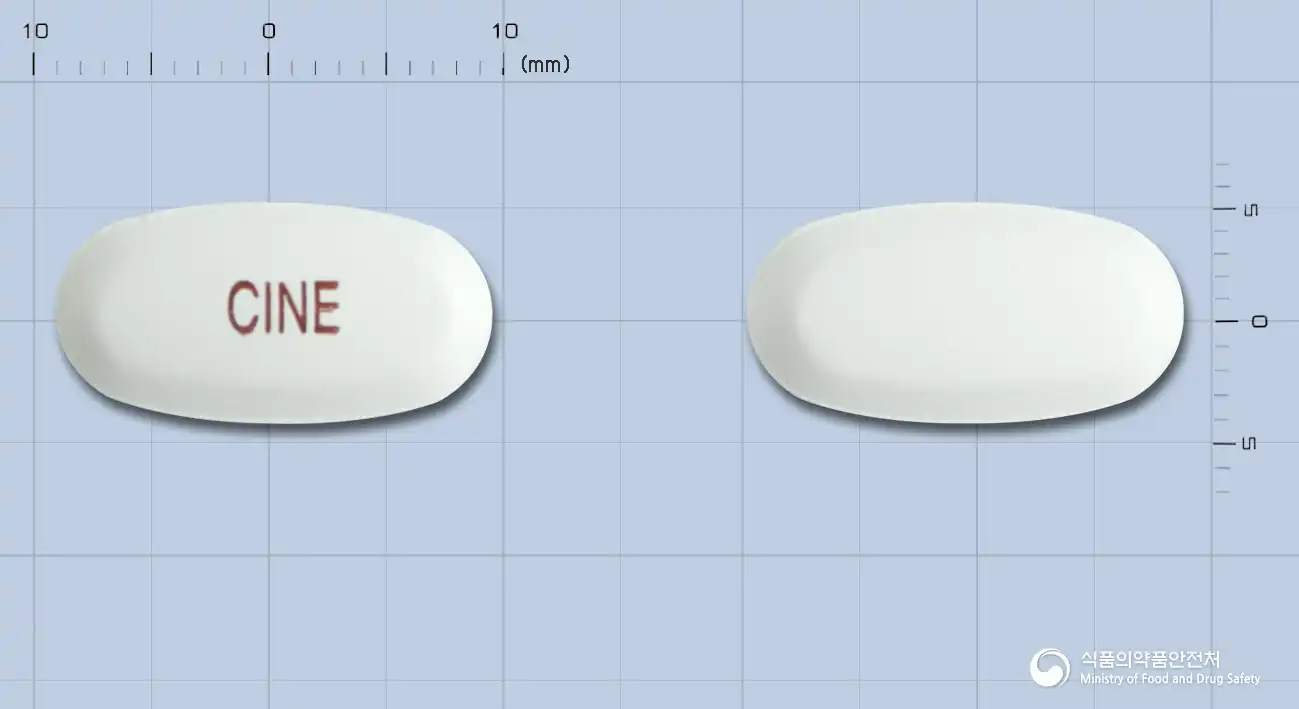
Linezolid 600mg
Tablet · Prescription medication
HK Inno.N Co., Ltd.
Linezolid 2mg
Prescription medication
Hanol Biopharma Co., Ltd.
Linezolid 2mg
Injections · Prescription medication
JW Pharmaceutical Co., Ltd.
Even with the same ingredient, the dose and directions can differ by strength and dosage form. Talk to a doctor or pharmacist before switching from a medication you are already taking.
No questions yet.
For anything that needs medical judgment, consult a doctor or pharmacist.
This drug information is based on data provided by the Korea Ministry of Food and Drug Safety.
Consult a doctor or pharmacist for accurate dosage, administration, and usage instructions.