
 한국어
한국어 English
 日本語
日本語 中文(简体)
 Viewing now
Citalopram 50 mg (Sertraline Hydrochloride)
Sertraline Hydrochloride 55.95mg
Tablet · Prescription medication
Hanmi Pharmaceutical Co., Ltd.
MFDS item code 200003086 · Notified 2000.12.19 · Insurance code 643501290
Treatment of depression and obsessive-compulsive disorder (adults and children)
This medication is used for the treatment of depression, obsessive-compulsive disorder in adults and children, panic disorder, post-traumatic stress disorder, social anxiety disorder, and premenstrual dysphoric disorder.
For depression and obsessive-compulsive disorder: Starting dose is 50 mg of sertraline, taken orally once daily. The maintenance dose is 50-100 mg once daily; if the effect is insufficient, the dose may be increased by 50 mg up to a maximum of 200 mg per day. For panic disorder, post-traumatic stress disorder, and social anxiety disorder: Start with 25 mg once daily and increase to 50 mg once daily after one week. Clinically, doses may be adjusted based on response.
Obsessive-Compulsive Disorder: For ages 6-12, start with 25 mg once daily, and for ages 13-17, start with 50 mg once daily. In clinical trials, dosages ranged from 25-200 mg/day.
This medication is an antidepressant used to treat depression and psychiatric disorders, and there is an increased risk of suicidal thoughts or behaviors, especially in younger individuals. During treatment, a serious side effect called serotonin syndrome may occur, which can present with changes in mental state, high fever, muscle spasms, nausea, and vomiting; if any unusual symptoms arise, consult healthcare professionals immediately. Moreover, this medication should not be taken with certain drugs, such as MAO inhibitors, as serious side effects may occur with co-administration. Since this medication is primarily metabolized by the liver, it should not be administered to patients with moderate to severe liver dysfunction, and dosage adjustments may be necessary for those with mild liver impairment. Patients with epilepsy or a history of glaucoma should also use this medication with caution, as there is a risk of seizures or increased intraocular pressure, necessitating regular monitoring. Common side effects during treatment may include drowsiness, dizziness, insomnia, anxiety, and headache; in severe cases, psychotic symptoms or aggressive behavioral changes may occur, so attention should be paid to symptom changes. Especially at the beginning of treatment or when changing doses, abnormal behaviors such as suicidal thoughts, self-harm, or hostility may be observed, requiring careful monitoring by patients and guardians, and immediate consultation with a physician. Women who are pregnant or may become pregnant should carefully consider the benefits and risks of this medication, as it may affect the fetus, and appropriate birth control measures should be employed. Women who are breastfeeding should also consult with their physician before taking this medication as it may affect the newborn. This medication may interact with other drugs, particularly MAO inhibitors, pimozide, lithium, tricyclic antidepressants, and anticoagulants, necessitating precautions during co-administration and possible dosage adjustments or monitoring by healthcare professionals. In cases of overdose, there is a risk of severe side effects and death, so it is crucial to adhere to prescribed dosages and not to discontinue usage abruptly without medical guidance. The safety and efficacy of this medication in children, especially those under 6 years old, have not been established, and it is advisable not to use it for indications other than obsessive-compulsive disorder for patients aged 6-17. During treatment, caution is advised as this medication may impair mental and physical abilities; activities such as driving or operating machinery should be performed with care, and alcohol use is discouraged. Finally, this medication should be stored out of reach of children, and care should be taken not to transfer it to other containers.
Not everyone experiences these, and they can vary from person to person.
This medication may be sensitive to air and moisture, so it should be stored in a tightly sealed container. The storage temperature should be maintained at room temperature between 1°C and 30°C. Proper storage will help maintain the medication's effectiveness and ensure safe use.
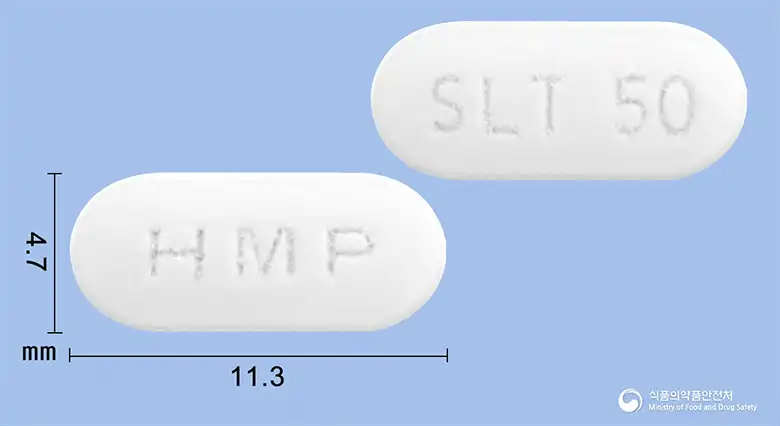
White oval film-coated tablet
30 tablets/bottle, 300 tablets/bottle
Even with the same ingredient, strength, dosage form and how it is taken can differ.
Viewing nowSertraline Hydrochloride 55.95mg
Tablet · Prescription medication
Hanmi Pharmaceutical Co., Ltd.
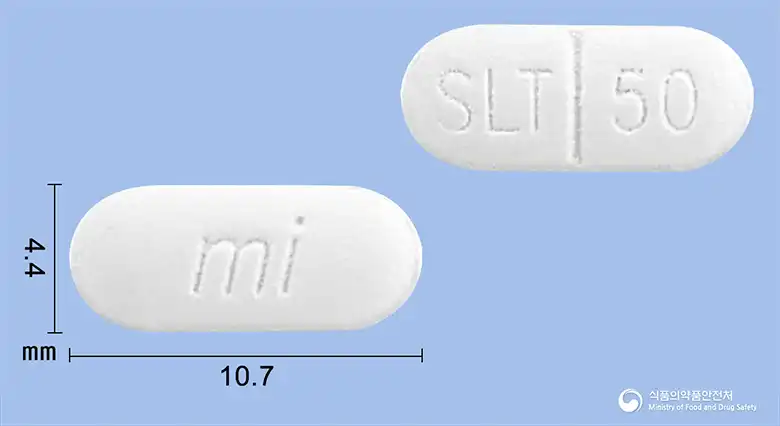
Sertraline Hydrochloride 55.95mg
Tablet · Prescription medication
Myungin Pharmaceutical Co., Ltd.
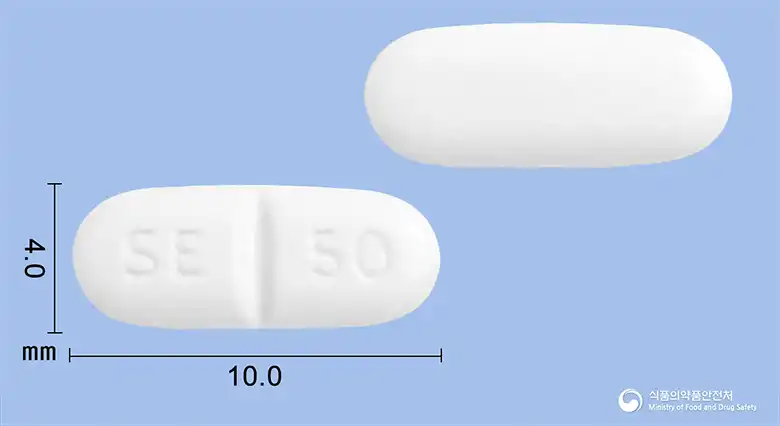
Sertraline Hydrochloride 55.95mg
Tablet · Prescription medication
Samil Pharmaceutical Co., Ltd.
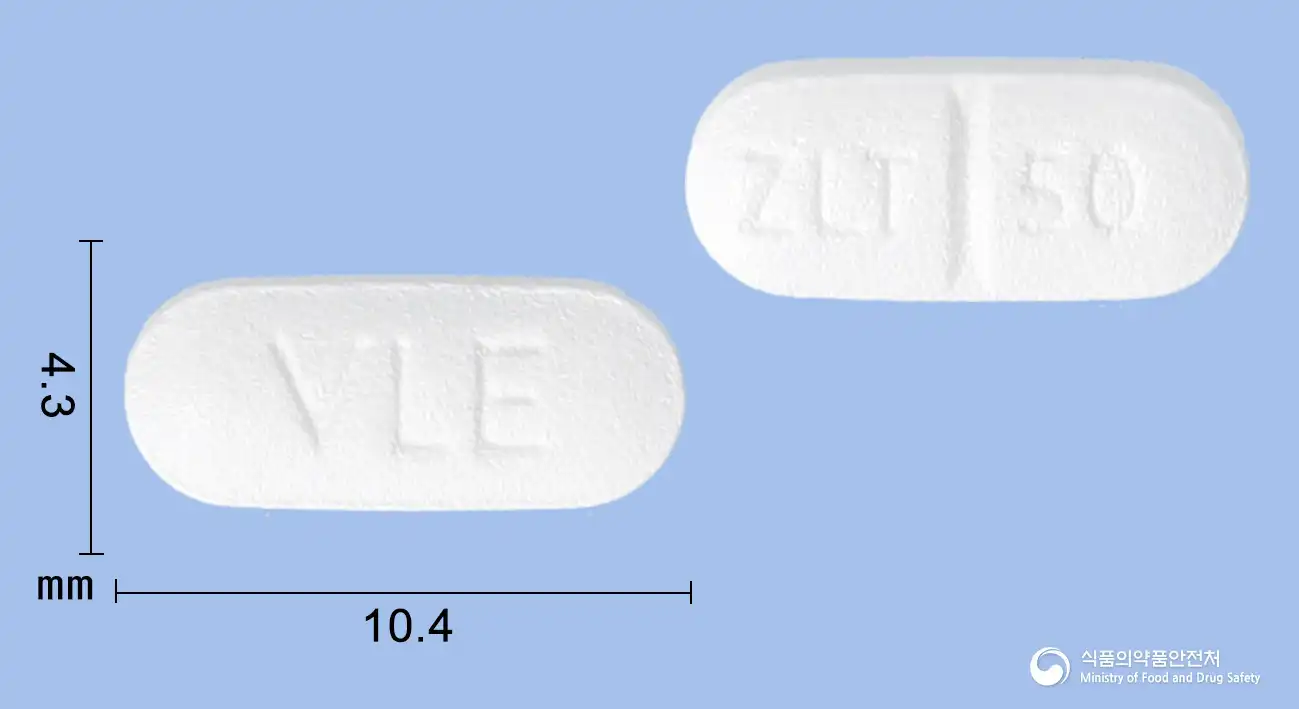
Sertraline Hydrochloride 55.95mg
Tablet · Prescription medication
Viatris Korea Co., Ltd.
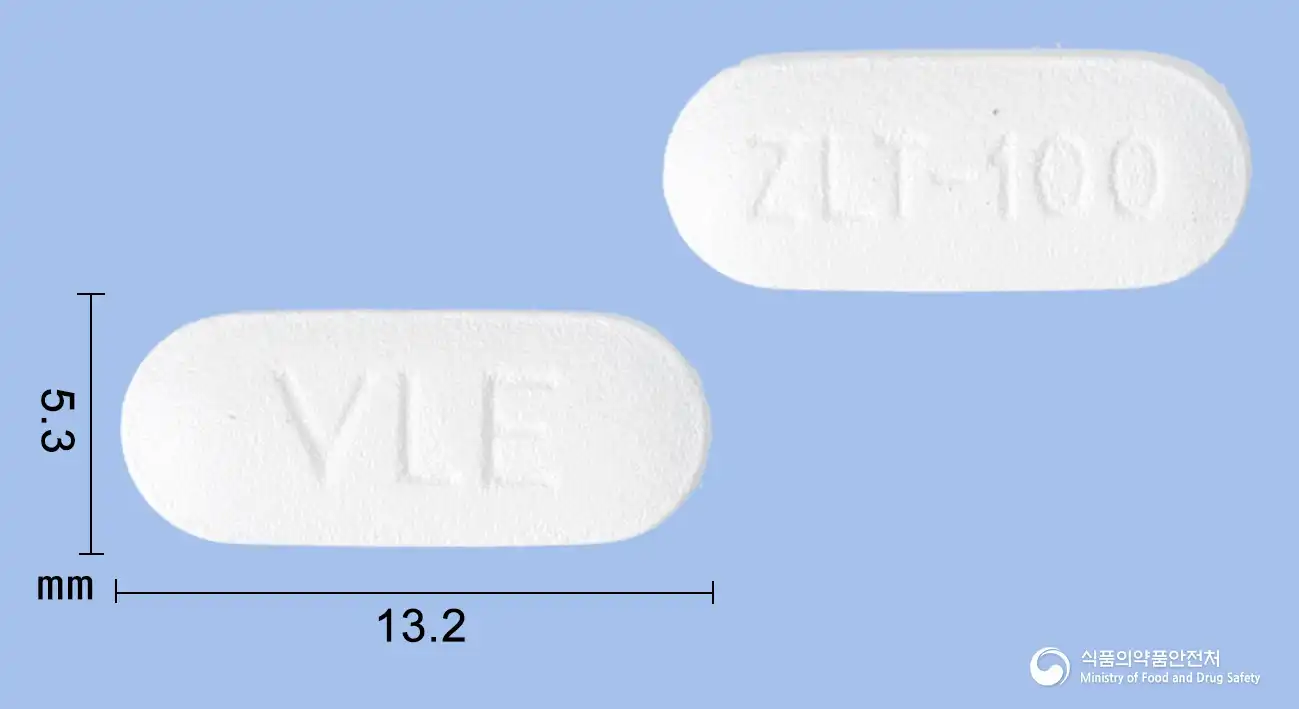
Sertraline Hydrochloride 111.9mg
Tablet · Prescription medication
Viatris Korea Co., Ltd.
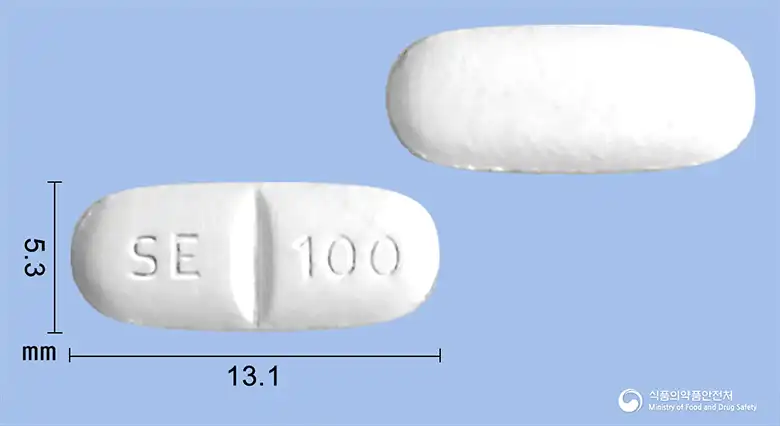
Sertraline Hydrochloride 111.9mg
Tablet · Prescription medication
Samil Pharmaceutical Co., Ltd.
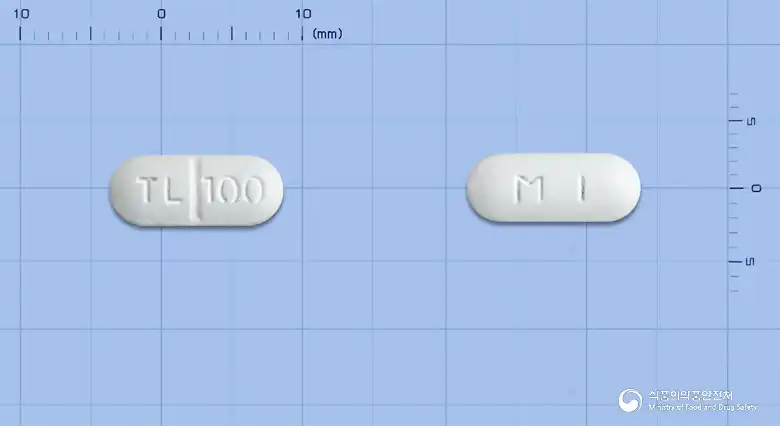
Sertraline Hydrochloride 111.9mg
Tablet · Prescription medication
Myungjin Pharmaceutical Co., Ltd.
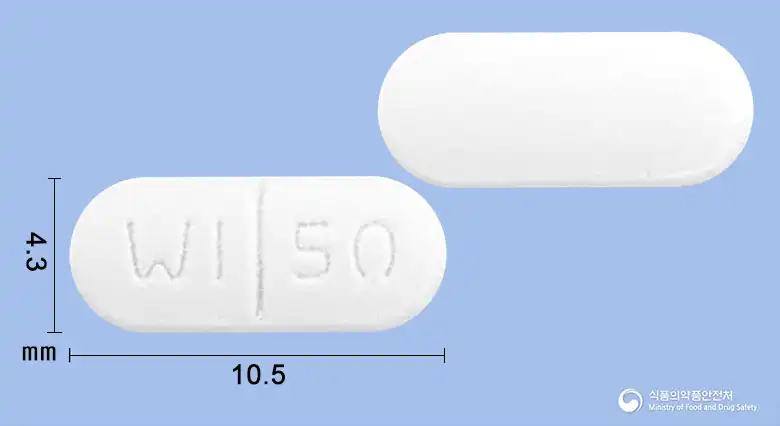
Sertraline Hydrochloride 55.95mg
Tablet · Prescription medication
Han-in Pharmaceutical Co., Ltd.
Even with the same ingredient, the dose and directions can differ by strength and dosage form. Talk to a doctor or pharmacist before switching from a medication you are already taking.
No questions yet.
For anything that needs medical judgment, consult a doctor or pharmacist.
This drug information is based on data provided by the Korea Ministry of Food and Drug Safety.
Consult a doctor or pharmacist for accurate dosage, administration, and usage instructions.