
 한국어
 English
 日本語
 中文(简体)
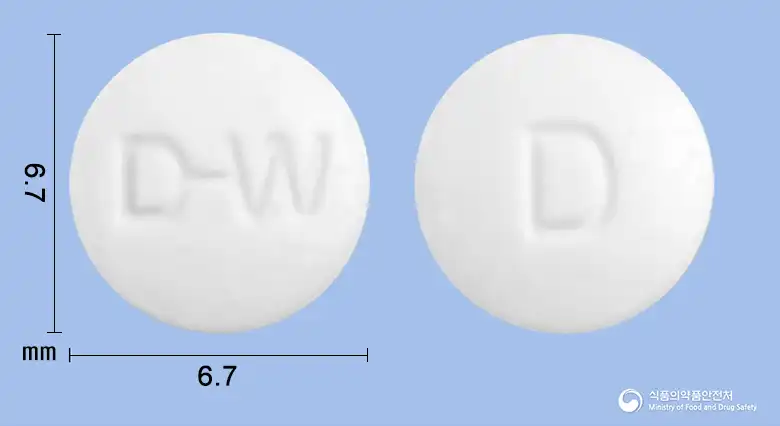 Viewing now
Domperidone Tablets (Domperidone Maleate)
Domperidone Maleate 12.72mg
Tablet · Prescription medication
Donghwa Pharmaceutical Co., Ltd.
MFDS item code 199900727 · Notified 1999.08.12 · Insurance code 642700230
Relief of nausea and vomiting
This medication is used to relieve symptoms of nausea and vomiting.
Adults: Administer 10mg of domperidone (5mg when taking levodopa) orally 3 times daily before meals. The maximum daily dose is 30mg. In general, do not use for more than 1 week.
Adolescents (12 years and older, 35kg and above): Administer 10mg of domperidone (5mg when taking levodopa) orally 3 times daily before meals. The maximum daily dose is 30mg.
This medication should not be used in patients who have had allergic reactions to its components. It should not be administered to patients where gastric motility poses a risk, such as those with gastrointestinal bleeding, mechanical obstruction, or perforation. Patients with tumors affecting the secretion of the hormone prolactin should avoid this medication as it can promote prolactin secretion. Patients currently taking other medications that strongly inhibit the enzymes that break down this drug in the liver should not use this medication. This medication should not be administered to patients taking drugs that cause cardiac conduction abnormalities or in patients with prolonged cardiac conduction intervals. Patients with moderate to severe impairment of liver function should not use this medication. Pregnant women or those who may become pregnant should not take this medication, and caution is advised for nursing mothers as well. Patients with heart disease or electrolyte imbalances, as well as those with heart failure, must use this medication very cautiously, especially avoiding it if they have prolonged cardiac conduction intervals. This medication contains lactose, making it unsuitable for patients with lactose intolerance or related genetic diseases. This medication should be used very carefully in children, especially those weighing less than 35kg, and extreme caution should be taken with infants under one year of age. Patients with weak kidney or liver function, elderly patients, and those with a history of heart disease may experience more intense adverse reactions when taking this medication, requiring caution. Taking this medication may result in dry mouth, drowsiness, headache, diarrhea, rash, increased lactation, etc. Rarely, serious adverse reactions such as palpitations, cardiac arrhythmias, seizures, and allergic reactions might occur; if symptoms appear, consult a doctor immediately. Since this medication is primarily metabolized in the liver, dose adjustment and caution are necessary for patients with liver damage. Patients with significantly reduced kidney function may experience delayed drug elimination, necessitating a reduction in frequency and dosage. This medication can cause drowsiness and dizziness, so it is advisable to avoid driving or operating machinery after taking it. Due to the risk of cardiac arrhythmias, patients over the age of 60 or with heart disease should consult a doctor before taking this medication. There are many drug interactions, and caution is particularly needed when taken with certain antibiotics, antifungals, cardiovascular drugs, and psychiatric medications. It is safer for pregnant or breastfeeding women not to use this medication, as drug transfer through breast milk can cause side effects in newborns. In cases of overdose, neurological symptoms or seizures may manifest, and electrocardiogram monitoring and medical treatment may be necessary. This medication should be kept out of reach of children and stored in its original container to prevent misuse or quality deterioration.
Not everyone experiences these, and they can vary from person to person.
This medication may be sensitive to air or moisture; therefore, it should be stored in a tightly sealed container. It is best to maintain a storage temperature between 1 and 30 degrees Celsius at room temperature to preserve the medication's efficacy over a long period.
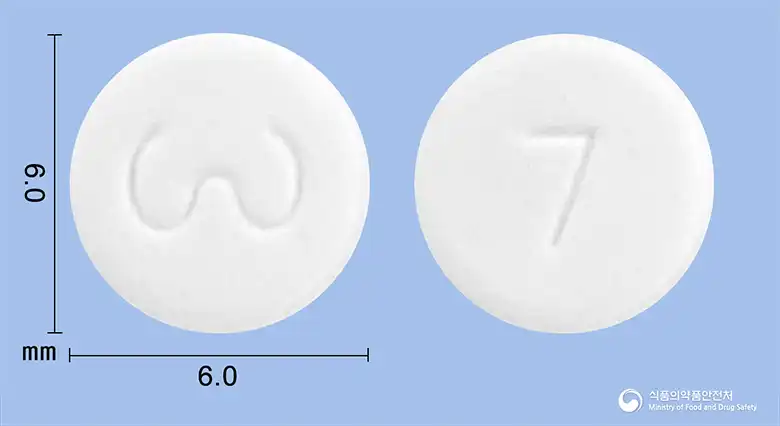
White round tablet
1000 tablets/bottle
Even with the same ingredient, strength, dosage form and how it is taken can differ.
Viewing nowDomperidone Maleate 12.72mg
Tablet · Prescription medication
Donghwa Pharmaceutical Co., Ltd.
Domperidone Maleate 12.72mg
Tablet · Prescription medication
Daewon Pharmaceutical Co., Ltd.
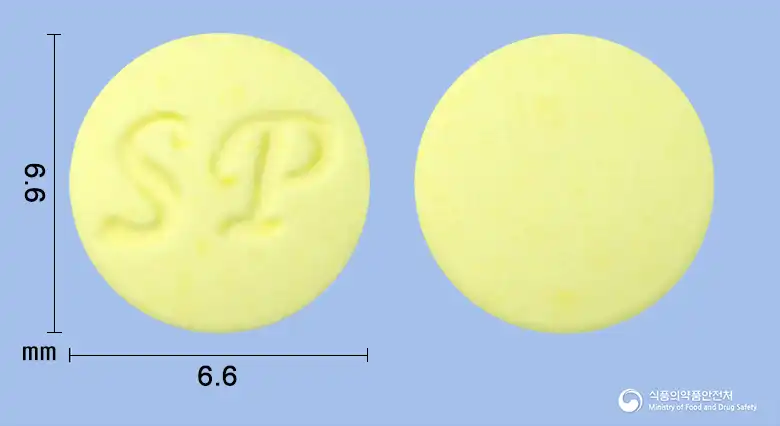
Domperidone Maleate 12.72mg
Tablet · Prescription medication
Shinpoong Pharmaceutical Co., Ltd.
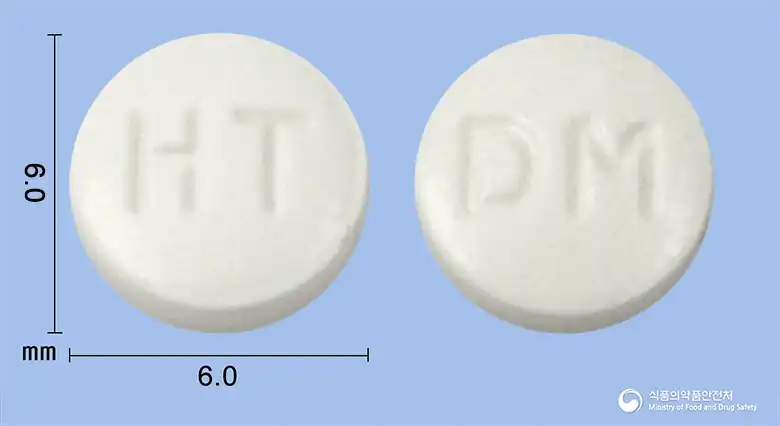
Domperidone Maleate 12.72mg
Tablet · Prescription medication
Hankook Hyutex Pharmaceutical Co., Ltd.
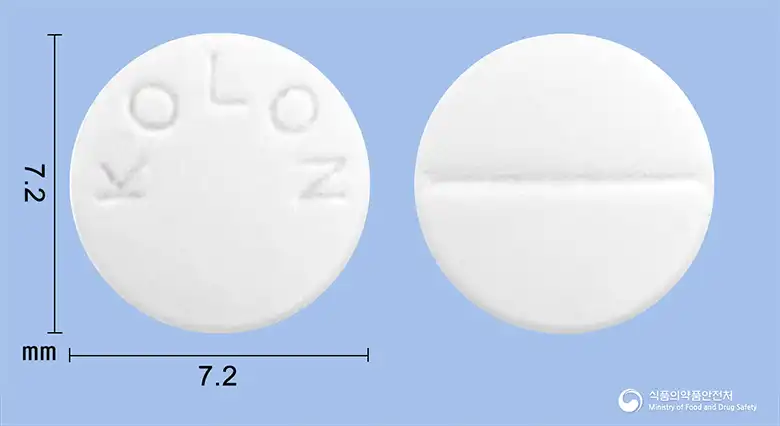
Domperidone Maleate 12.72mg
Tablet · Prescription medication
Kolon Pharmaceutical Co., Ltd.
Domperidone Maleate 12.72mg
Tablet · Prescription medication
Shinil Pharmaceutical Co., Ltd.
Domperidone Maleate 12.72mg
Tablet · Prescription medication
Withus Pharmaceutical Co., Ltd.
Domperidone Maleate 12.72mg
Tablet · Prescription medication
Samchundang Pharm Co., Ltd.
Even with the same ingredient, the dose and directions can differ by strength and dosage form. Talk to a doctor or pharmacist before switching from a medication you are already taking.
No questions yet.
For anything that needs medical judgment, consult a doctor or pharmacist.
This drug information is based on data provided by the Korea Ministry of Food and Drug Safety.
Consult a doctor or pharmacist for accurate dosage, administration, and usage instructions.