
 한국어
 English
 日本語
 中文(简体)
 Viewing now
Palexin Capsule 500 Milligrams (Cefalexin Hydrate)
Cefalexin Hydrate 500mg
Hard capsule · Prescription medication
Dongwha Pharmaceutical Co., Ltd.
MFDS item code 199900719 · Notified 1999.09.20 · Insurance code 642703590
Treatment and prevention of respiratory, ear, nose and throat, genitourinary, skin, lymph node, wound, and dental infections
This medication is effective against various types of bacteria and is used to treat respiratory infections such as tonsillitis, pharyngitis, bronchitis, and pneumonia, as well as urinary infections like pyelonephritis and cystitis, sexually transmitted diseases such as gonorrhea and urethritis, and skin infections like cellulitis and impetigo. It is also effective for preventing infections, such as otitis media, sinusitis, lymphadenitis, wound infections, and dental infections or post-extraction infections. It demonstrates excellent therapeutic effects against a variety of bacteria causing these infections, helping to alleviate patient symptoms.
Adults: The daily dose may be 1 ~ 4 g (potency) of cephalexin. The usual dose is 500 mg (potency) orally 2 ∼ 3 times daily. The dose may be increased for severe infections or infections caused by less susceptible organisms. However, when increasing the dose above 4 g per day, use of an injectable cephalosporin should be considered. Urinary tract infections: For mild urinary tract infections, administer 500 mg (potency) of this medicine twice daily. For chronic, recurrent, or complicated urinary tract infections, continue administration of 500 mg (potency) 4 times daily for 2 weeks. Patients with renal impairment: In cases of severe renal impairment (creatinine clearance 10 mL/min or less), reduce the dose to less than half the standard recommended dose. The maximum recommended dose should be reduced to 50 % of the maximum recommended dose [4 g (potency) per day] for mild impairment, 75 % for moderate impairment, and 87.5 % for severe renal failure. For most acute infections, continue treatment for at least 2 days after symptoms have resolved. The dose may be adjusted as appropriate according to age and symptoms.
Infants and children: Administer 25 ~ 50 mg (potency) per kg of body weight per day of this medicine orally in 4 divided doses. Do not exceed the adult dose (4 g per day) in children. Infants and children: For severe infections or infections caused by less susceptible organisms, administer 50 ~ 100 mg (potency) per kg of body weight per day of this medicine in 4 divided doses. Do not exceed the adult dose (4 g per day) in children.
This medication should not be administered to certain patients. For example, patients who have previously experienced severe allergic reactions or shock due to this medication, those with hypersensitivity to cephalosporin antibiotics, and patients with congenital disorders that prevent lactose digestion should not use it. Precautions should be taken with certain patients when using this medication. Patients who have shown allergic reactions to this medication or similar classes of antibiotics in the past, those who are hypersensitive to penicillin medications, individuals with a family history of allergic conditions, patients with very poor kidney function, individuals who have difficulty with oral intake or are elderly, patients with a history of gastrointestinal diseases, and those who are allergic to the pigments contained in this medication should be used cautiously. Although rare, this medication can cause serious side effects. For example, severe allergic reactions such as shock or anaphylaxis may occur, so if symptoms arise, the use of the medication should be immediately discontinued and appropriate treatment should be sought. Severe skin rashes or blisters could occur, such as skin-mucosal syndrome or toxic epidermal necrolysis; these symptoms warrant immediate discontinuation of the medication. Also, if symptoms of hypersensitivity such as rashes, hives, itching, or fever occur, treatment should be stopped immediately. Regular examinations are needed as there may be a decrease in blood cell count or disturbances in liver and kidney function. Severe colitis can occur in the gastrointestinal tract; therefore, if abdominal pain or diarrhea worsens, the medication should be stopped immediately. Respiratory symptoms such as coughing or difficulty breathing may also arise, so healthcare consultation is advised if such symptoms occur. Dysbiosis such as oral thrush or candidiasis can develop due to this medication. There may be a tendency to bleed due to vitamin K deficiency, and symptoms of vitamin B group deficiencies may appear, so caution is necessary. This medication should only be used for the minimum duration required to avoid the emergence of resistant bacteria, and thorough history taking and skin reaction tests are recommended in advance to prevent allergic reactions. If an allergic reaction occurs, the medication must be discontinued immediately and appropriate treatment sought. While using antibiotics, the normal gut flora can be disrupted, leading to severe diarrhea or colitis, so prompt action is required if symptoms develop. This medication can interact with other drugs, especially those with nephrotoxicity, so caution is advised when used in conjunction with them. Additionally, combined use with probenecid can increase the concentration of this medication in the body, while simultaneous use with bacteriostatic antibiotics can reduce its effectiveness. The safety of this medication during pregnancy has not been fully established; it should only be used when the benefits of treatment outweigh the risks. Special caution is also necessary during breastfeeding, as the drug may be secreted into breast milk. In older adults, the likelihood of side effects may increase due to decreased bodily function, particularly the risk of bleeding related to vitamin K deficiency, so it should be used cautiously. Finally, this medication may affect the results of certain clinical tests, so care should be taken when interpreting test results.
Not everyone experiences these, and they can vary from person to person.
This medication should be stored in a tightly sealed container to prevent exposure to air and moisture. To maintain the drug's efficacy, it is important to store it at room temperature, specifically between 1 to 30 degrees Celsius.
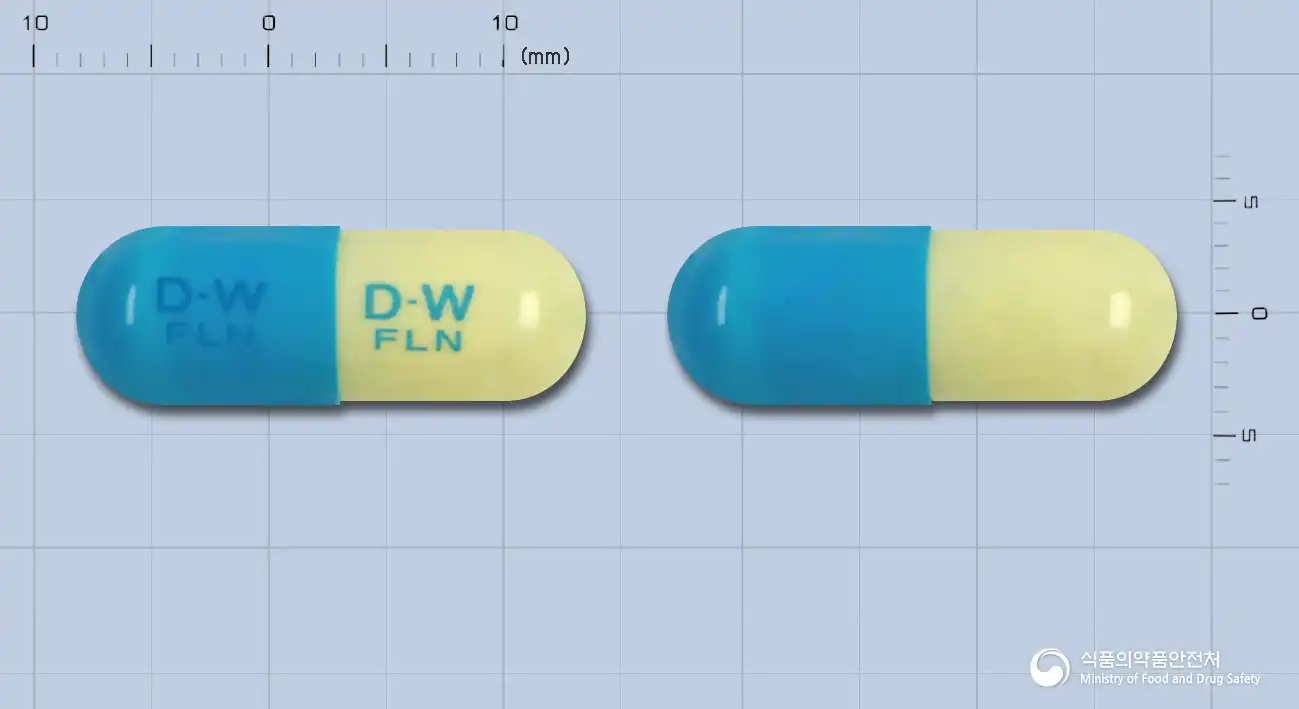
A capsule with a blue upper part and a light beige lower part containing a white to light yellow powder or granules
30 capsules/bottle, 500 capsules/bottle
Even with the same ingredient, strength, dosage form and how it is taken can differ.
Viewing nowCefalexin Hydrate 500mg
Hard capsule · Prescription medication
Dongwha Pharmaceutical Co., Ltd.
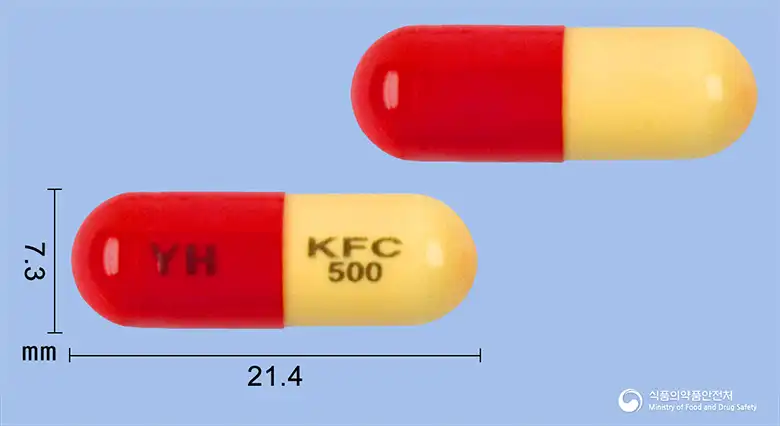
Cefalexin Hydrate 500mg
Hard capsule · Prescription medication
Yuhan Corporation
Cefalexin Hydrate
Prescription medication
I World Pharmaceutical Co., Ltd.
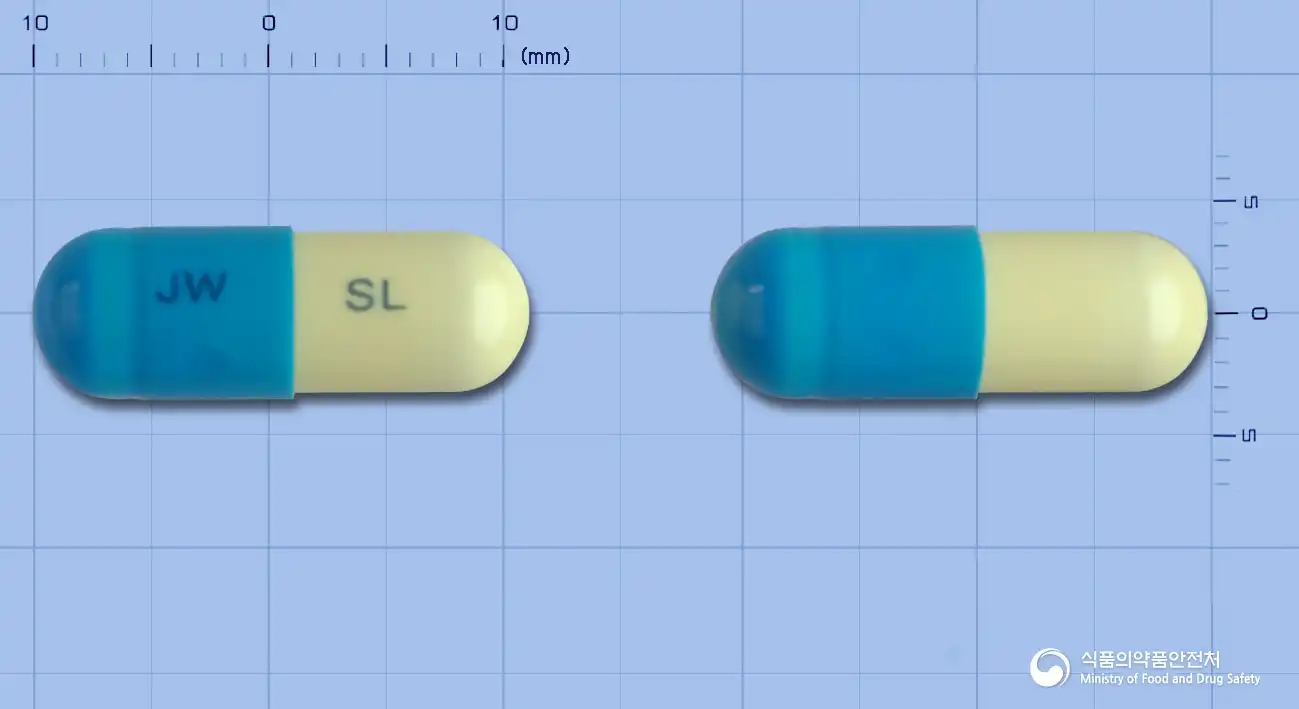
Cefalexin Hydrate 500mg
Hard capsule · Prescription medication
Wonkang Pharmaceutical Co., Ltd.
Even with the same ingredient, the dose and directions can differ by strength and dosage form. Talk to a doctor or pharmacist before switching from a medication you are already taking.
No questions yet.
For anything that needs medical judgment, consult a doctor or pharmacist.
This drug information is based on data provided by the Korea Ministry of Food and Drug Safety.
Consult a doctor or pharmacist for accurate dosage, administration, and usage instructions.