한국어
한국어 English
 日本語
日本語 中文(简体)
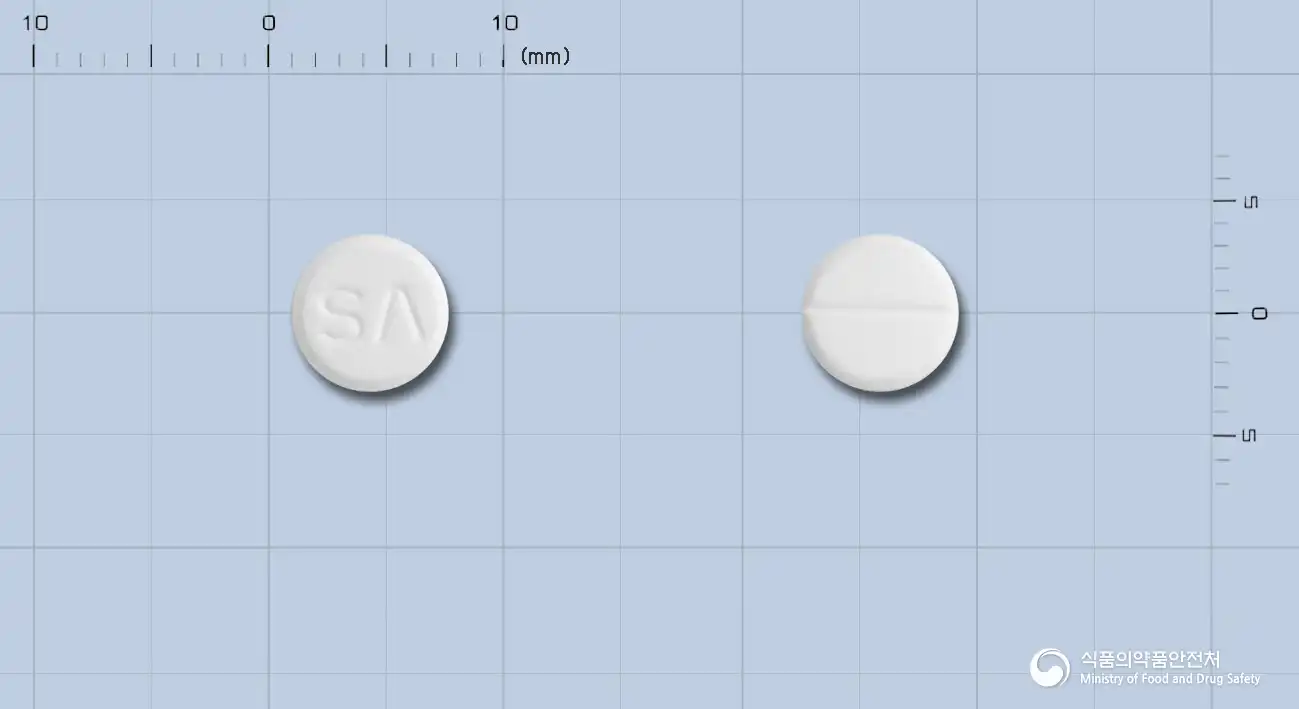
Dosage form image
Viewing nowPseudoephedrine Hydrochloride Tablets
Pseudoephedrine Hydrochloride
Prescription medication
Korea Pharma Co., Ltd.
MFDS item code 199806918 · Notified 1998.05.19
This product's status changed to Approval withdrawn on 2023.03.24. It may no longer be sold, so consult a doctor or pharmacist before taking it.
Decongestant effect
This medication is used to relieve nasal congestion caused by conditions such as colds, sinusitis, and upper respiratory allergies.
Adults and those over 12 years: Take 30 to 60 mg of pseudoephedrine hydrochloride orally 3 to 4 times per day. The maximum daily dosage is 240 mg. The total daily dosage should not exceed 4 times and should be administered with a minimum interval of 4 hours between doses. Adjust dosages appropriately based on age and symptoms.
Ages 6 to 11 years: For this medication, take 30 mg orally 3 to 4 times per day. The total daily dosage should not exceed 4 times and should be administered with a minimum interval of 4 hours between doses.
This medication may cause serious allergic reactions, such as acute generalized exanthematous pustulosis, so if you experience fever or skin rashes while taking, stop immediately and consult a healthcare professional. This medication should not be used by individuals with specific health conditions. For example, patients with heart diseases, hypertension, hyperthyroidism, diabetes, or severe kidney problems may be at risk if they take it. Moreover, breastfeeding women, patients taking certain medications, and those with specific genetic metabolic disorders should also avoid this medication. Individuals with prostatic hypertrophy or bladder dysfunction, patients with liver or kidney impairment, pregnant women or those who may become pregnant, and the elderly should use this medication cautiously. Taking this medication may lead to an increased or irregular heartbeat, as well as neurological symptoms such as headache, dizziness, anxiety, and insomnia. Gastrointestinal problems, including indigestion or constipation, and in severe cases, ischemic colitis may occur, so caution is advised. Should any skin rash or allergy symptoms appear during treatment with this medication, it must be stopped immediately. There may be urinary issues; therefore, consult your healthcare provider if you notice any abnormalities in urination. The effectiveness of this medication may be enhanced when used with other sympathomimetics, so it must be taken according to professional guidance. Particular caution is required when used with anesthetics, antihypertensives, antidepressants, or heart medications due to the risk of adverse effects. The safety of this medication during pregnancy has not been established; thus, it should only be taken under expert judgment when absolutely necessary, and if breastfeeding, it should preferably be avoided or breastfeeding stopped. Children under 2 years old should take it only under a doctor's guidance, and elderly patients are at a higher risk of side effects, so extra caution should be exercised. If symptoms do not improve after 7 days of use or if a high fever occurs, stop taking and consult a healthcare provider immediately.
Acute generalized exanthematous pustulosis (AGEP), fever, erythema, multiple small pustules, and other severe skin adverse reactions
Palpitations, tachycardia, arrhythmia, facial pallor, cardiovascular collapse with hypotension, migraine, headache, dizziness, anxiety, tension, weakness, fatigue, insomnia, hallucinations, convulsions, central nervous system stimulation or inhibition, constipation, nausea, digestive disorders, ischemic colitis, rashes, urinary retention, cross-sensitivity, angle-closure glaucoma, thirst, sweating, restlessness, sleep disturbances
Not everyone experiences these, and they can vary from person to person.
This medication should be stored in a sealed container to prevent air or moisture from entering, and it is important to keep it away from direct sunlight and store it at room temperature. This helps maintain the medication's effectiveness for a longer period.
White round tablet (for export: white rectangular tablet)
30 tablets/bottle, 1000 tablets/bottle
Even with the same ingredient, strength, dosage form and how it is taken can differ.
Even with the same ingredient, the dose and directions can differ by strength and dosage form. Talk to a doctor or pharmacist before switching from a medication you are already taking.
No questions yet.
For anything that needs medical judgment, consult a doctor or pharmacist.
This drug information is based on data provided by the Korea Ministry of Food and Drug Safety.
Consult a doctor or pharmacist for accurate dosage, administration, and usage instructions.