
 한국어
 English
 日本語
 中文(简体)
Dosage form image
Viewing nowBetoptic Eye Drops (Betaxolol Hydrochloride)
Betaxolol Hydrochloride 5.6mg
Eye drops · Prescription medication
Korea Novartis Co., Ltd.
MFDS item code 199806660 · Notified 1998.06.01
This product's status changed to Approval withdrawn on 2025.03.28. It may no longer be sold, so consult a doctor or pharmacist before taking it.
Treatment of glaucoma (including chronic open-angle glaucoma) and elevated intraocular pressure (ocular hypertension)
This medication is used for patients with elevated intraocular pressure, chronic open-angle glaucoma, or glaucoma accompanied by respiratory diseases or ocular hypertension. It may also be used in conjunction with other glaucoma treatments. It helps to lower the pressure inside the eye, thereby protecting vision. Thus, it is effective for the treatment of glaucoma and ocular hypertension requiring intraocular pressure control.
Instill 1 drop twice daily, usually. In some patients, it may take several weeks for the intraocular pressure-lowering response to this medication to stabilize. Intraocular pressure should be monitored continuously during the first month of treatment; thereafter, an individualized target intraocular pressure should be determined at the physician’s discretion. In patients already receiving treatment with another glaucoma medication, continue the current medication and add 1 drop of this medication twice daily. On the second day, completely discontinue the previous glaucoma medication and continue treatment with this medication. Because intraocular pressure varies during the day in individual patients, whether the twice-daily regimen is sufficient should be determined by measuring intraocular pressure at different times. If intraocular pressure is 22 mmHg or lower, this is not adequate for controlling glaucoma, and drug therapy should be adjusted accordingly. If the patient’s intraocular pressure is not adequately controlled with this regimen, this medication may be used in combination with pilocarpine, other miotics, epinephrine, or carbonic anhydrase inhibitors. In patients receiving multiple glaucoma medications concomitantly, treatment should be adjusted accordingly. Adjust one medication at a time, at intervals of at least 1 week. The recommended approach is to continue the current medications and instill 1 drop of this medication twice daily. The next day, discontinue one of the other glaucoma medications; the remaining medications may be reduced or discontinued depending on the patient’s response to treatment. The physician may discontinue some or all of the other glaucoma medications.
This medicine should not be used in certain patients. In particular, those who are allergic to this medication or its ingredients, or those with abnormal heart rhythms, severe heart failure, or serious shock conditions should avoid administration. Additionally, diabetes patients who take insulin or hypoglycemic agents need to be careful, as this drug can mask hypoglycemic symptoms. Those with hyperthyroidism should also use this medication cautiously as it may conceal symptoms. Care should be taken in patients with severely compromised lung function, and asthmatic patients should be cautious due to the risk of bronchospasm. Individuals with heart disease or hypotension should make a cautious decision regarding the use of this medication, closely monitoring for symptom deterioration. Patients with significantly poor peripheral blood circulation should also be carefully administered this medication. Though this is an eye drop, it can be absorbed systemically, potentially causing widespread side effects. Symptoms may include anxiety, headache, dizziness, discomfort in the eyes, blurred vision, abnormal heart rhythms, hypotension, difficulty breathing, skin rashes, and other various issues. Avoid wearing contact lenses while using this medication; wait for at least 15 minutes after instilling the drops before reinserting lenses. Since vision may be blurred when driving or operating machinery, it is advisable to wait until vision returns to normal after medication use. Also, there may be interactions with other drugs, so it is essential to inform healthcare providers of any current medications being taken. This medication should only be used during pregnancy when truly necessary, and it is essential to exercise caution as it may cause side effects in newborns if used until just before giving birth. If breastfeeding, caution is also advised since this medication can be excreted in breast milk. The safety and efficacy in children have not been adequately established, and its use is not recommended. In case of overdose, symptoms may include slowed heart rate, low blood pressure, and respiratory difficulties; immediate medical attention is required, and if excessively entered into the eyes, it is recommended to wash the eyes with warm water. Only use as eye drops, taking care not to allow the container tip to touch the eye directly to prevent contamination, and it is advisable not to share with others. After opening, it should be used within one month and stored in a cool, dry place away from direct sunlight. It is also important to store out of reach of children.
Not everyone experiences these, and they can vary from person to person.
This medication may be sensitive to air and moisture, so it should be stored in a tightly closed container. Additionally, it is better to keep it away from direct sunlight and store it at normal room temperature.
A clear or slightly yellowish liquid in an opaque white plastic container for eye drops.
5 milliliters / bottle
Even with the same ingredient, strength, dosage form and how it is taken can differ.
Betaxolol Hydrochloride 5.6mg
Eye drops · Prescription medication
Korea Novartis Co., Ltd.
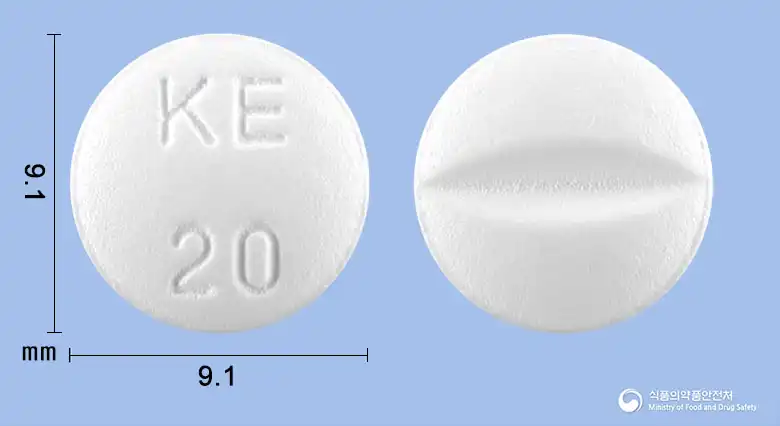
Betaxolol Hydrochloride 20mg
Tablet · Prescription medication
Bukwang Pharmaceutical Co., Ltd.
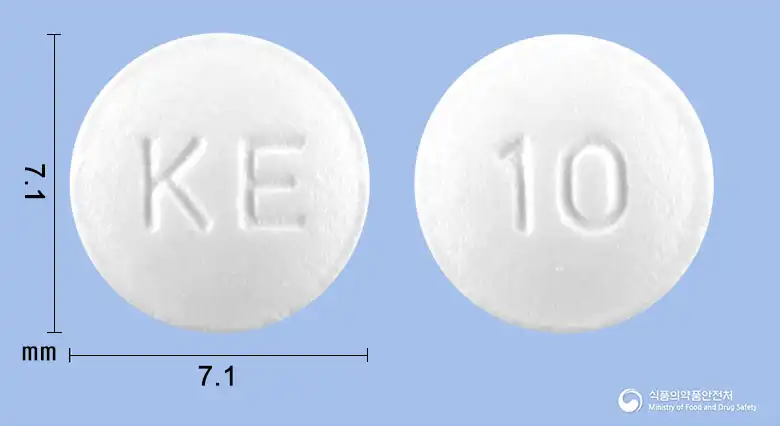
Betaxolol Hydrochloride 10mg
Tablet · Prescription medication
Bukwang Pharmaceutical Co., Ltd.
Betaxolol Hydrochloride 20mg
Tablet · Prescription medication
Jinyang Pharmaceutical Co., Ltd.
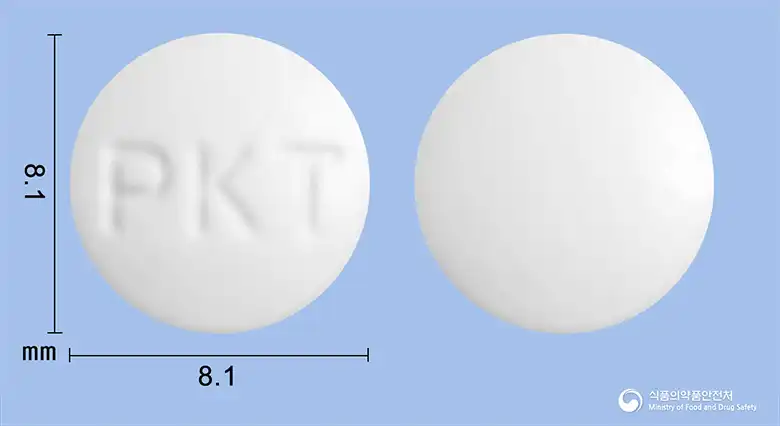
Betaxolol Hydrochloride 20mg
Tablet · Prescription medication
Korea Pavis Pharmaceutical Co., Ltd.
Betaxolol Hydrochloride 2.8mg
Suspension · Prescription medication
Novartis Korea Co., Ltd.
Even with the same ingredient, the dose and directions can differ by strength and dosage form. Talk to a doctor or pharmacist before switching from a medication you are already taking.
No questions yet.
For anything that needs medical judgment, consult a doctor or pharmacist.
This drug information is based on data provided by the Korea Ministry of Food and Drug Safety.
Consult a doctor or pharmacist for accurate dosage, administration, and usage instructions.