
 한국어
 English
 日本語
 中文(简体)
Dosage form image
Viewing nowClarithid Injection 500 mg (Clarithromycin)
Clarithromycin 500mg
Prescription medication
Il Sung IS Co., Ltd.
MFDS item code 199806478 · Notified 1998.06.16 · Insurance code 655403941
Treatment of upper and lower respiratory tract infections, skin and skin structure infections, and mycobacterial infections
This medication is effective against various bacteria and is used to treat lower respiratory tract infections such as bronchitis and pneumonia, upper respiratory tract infections such as pharyngitis, tonsillitis, and sinusitis, as well as skin and soft tissue infections. It is also effective against specific mycobacterial infections caused by Mycobacterium avium or Mycobacterium intracellulare. In other words, it helps treat various bacterial infections, including respiratory and skin-related infections, improving symptoms of infection in patients.
It is preferable to administer this medicine for 2 ∼ 5 days and then switch to an oral formulation. For adults, administer 500 mg (potency) per dose twice daily by intravenous infusion over at least 60 minutes. This medicine must not be given by bolus injection or intramuscular injection. In patients with renal impairment and a creatinine clearance of 30 mL/min or less, reduce the dose by half (the total treatment period should be within 14 days).
This medication should not be used in certain patients. For example, patients allergic to any component of this medication or those who have had hypersensitivity reactions to macrolide antibiotics should not receive it. Furthermore, it should not be administered to patients taking certain medications that may affect heart rate, those with severe liver dysfunction, or pregnant or breastfeeding women. This medication is metabolized and excreted through the liver and kidneys, so caution is required for patients with liver or kidney function impairment. Special care is needed for elderly patients, those with heart disease, or patients taking other antibiotics. While using this medication, various side effects such as allergic reactions, gastrointestinal problems, skin rashes, liver dysfunction, and kidney function deterioration may occur, so if any unusual symptoms manifest, patients should consult their doctor immediately. Additionally, this medication has a high potential for interactions with various other medications, so patients must inform healthcare professionals of any other medications they are taking. It is safest for pregnant or breastfeeding women not to use this medication, and if unavoidable, breastfeeding should be suspended. The safety and effectiveness of this medication in children, especially in those under 12 years of age, have not been sufficiently studied, so caution is needed. Older adults may require dose adjustments due to increased drug concentration from declining kidney function. During treatment with this medication, regular checks of liver and kidney function, as well as blood tests, are important to confirm any abnormalities. In cases of overdose, gastrointestinal disturbances or psychiatric symptoms may occur, so immediate medical attention should be sought. Lastly, this medication may cause dizziness or confusion when driving or operating machinery, so caution is advised.
Not everyone experiences these, and they can vary from person to person.
This medication should be stored in a tightly sealed container to prevent moisture or air exposure. It is important to maintain a storage temperature between 1 degree and 30 degrees Celsius. Proper storage will ensure the medication's effectiveness.
A vial containing a white to off-white freeze-dried powder
500mg/vial x 1 vial/box
Even with the same ingredient, strength, dosage form and how it is taken can differ.
Clarithromycin 500mg
Prescription medication
Il Sung IS Co., Ltd.
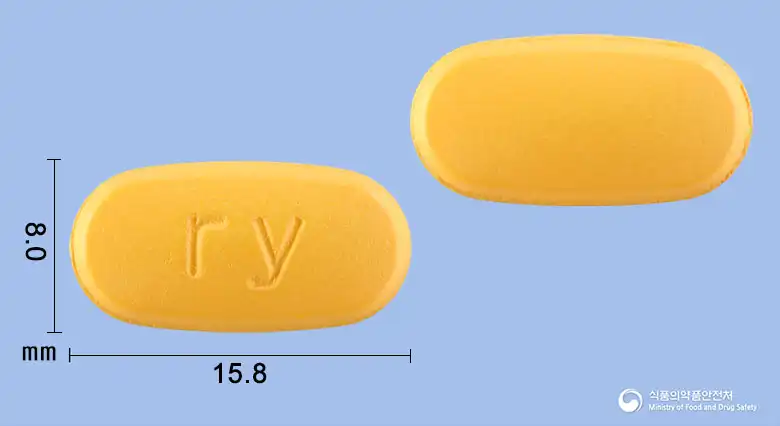
Clarithromycin 250mg
Tablet · Prescription medication
Iyeon Pharmaceutical Co., Ltd.
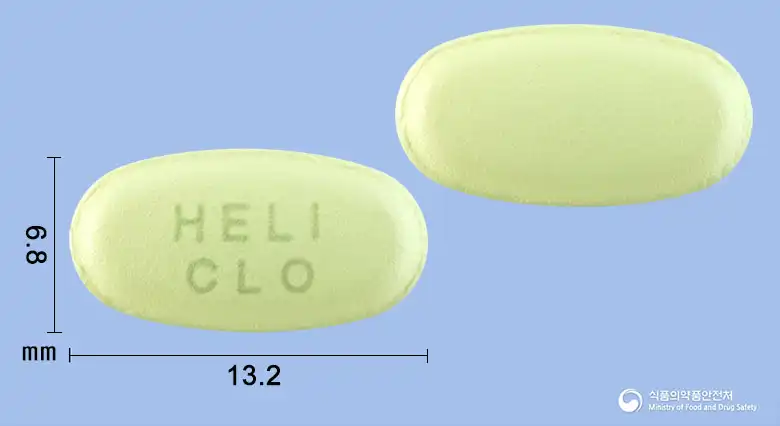
Clarithromycin 250mg
Tablet · Prescription medication
Jongkundang Co., Ltd.
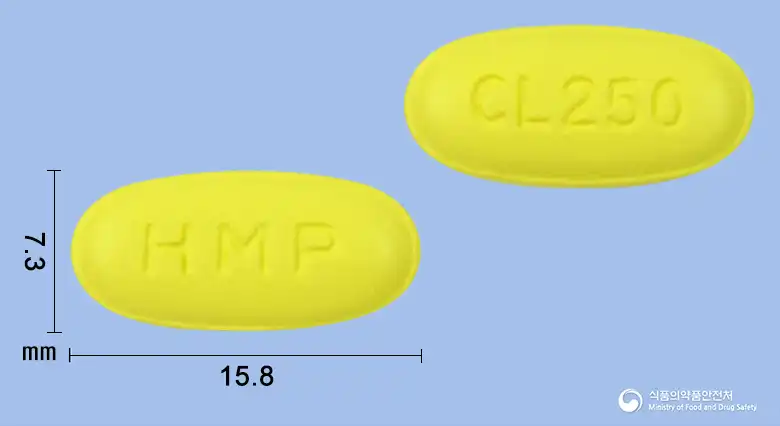
Clarithromycin 250mg
Tablet · Prescription medication
Hanmi Pharmaceutical Co., Ltd.

Clarithromycin 250mg
Tablet · Prescription medication
Boryung Co., Ltd.
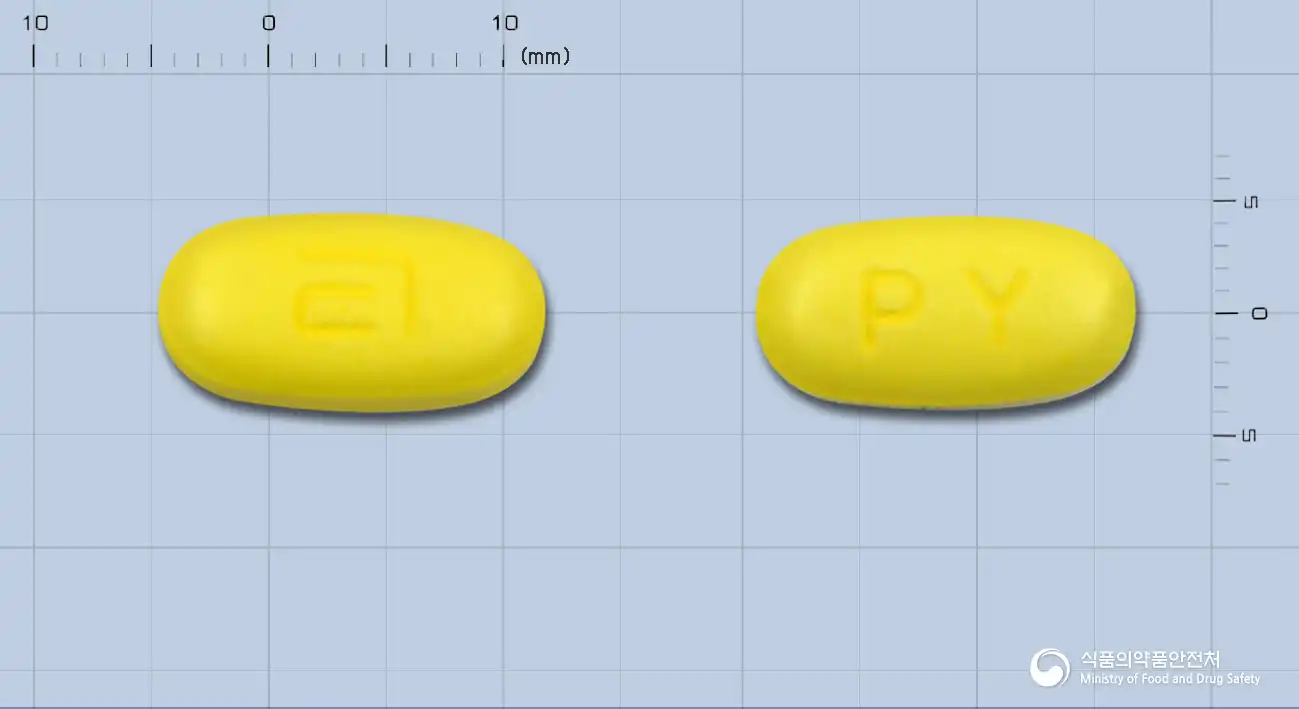
Clarithromycin 250mg
Tablet · Prescription medication
Kyungdong Pharmaceutical Co., Ltd.

Clarithromycin 250mg
Tablet · Prescription medication
Kunil Pharmaceutical Co., Ltd.
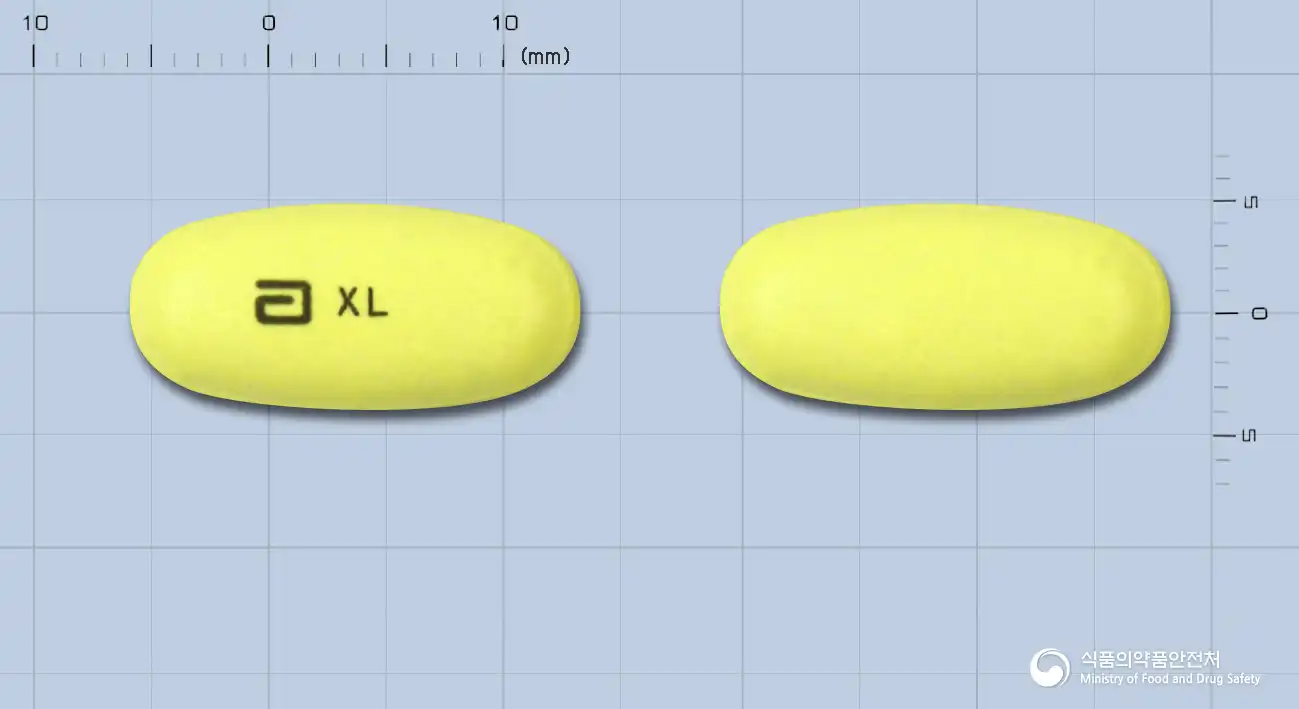
Clarithromycin 500mg
Tablet · Prescription medication
Abbott Korea Co., Ltd.
Even with the same ingredient, the dose and directions can differ by strength and dosage form. Talk to a doctor or pharmacist before switching from a medication you are already taking.
No questions yet.
For anything that needs medical judgment, consult a doctor or pharmacist.
This drug information is based on data provided by the Korea Ministry of Food and Drug Safety.
Consult a doctor or pharmacist for accurate dosage, administration, and usage instructions.