
 한국어
 English
 日本語
 中文(简体)
Dosage form image
Viewing nowMorphine Injection 0.5 mg/mL (Morphine Sulfate)
Morphine Sulfate Hydrate
Prescription medication
Hana Pharmaceutical Co., Ltd.
MFDS item code 199704615 · Approved 1997.02.04
This product's status changed to Expired on 2023.07.01. It may no longer be sold, so consult a doctor or pharmacist before taking it.
Relief of pain unresponsive to non-narcotic analgesics
This medication is used as a narcotic analgesic administered intravenously, epidurally, or intrathecally to alleviate pain that has not responded to non-narcotic analgesics. Especially when administered epidurally or intrathecally, it has the advantage of alleviating long-term pain without affecting motor, sensory, or sympathetic nerve function. Thus, it is useful for patients requiring effective pain control.
(Injection 0.5 mg/mL, 1 mg/mL) This medicine is administered intravenously, epidurally, or intrathecally. [Intravenous administration] Dose: The initial dose is 2∼10 mg per 70 kg of body weight. Administer with extreme caution in elderly patients. [Epidural administration] Adult dose: An initial dose of 5 mg injected into the lumbar region can provide satisfactory pain relief for up to 24 hours. If adequate pain relief does not occur within 1 hour, an additional 1∼2 mg may be administered cautiously at an appropriate interval to assess the effect. Do not administer more than 10 mg over 24 hours. When administered in the thoracic region, early and delayed respiratory depression increase markedly, even at doses of 1∼2 mg. For continuous infusion, the initial dose is 2∼4 mg over 24 hours. If adequate pain relief does not occur with the initial dose, an additional 1∼2 mg may be administered. Administer with caution in elderly patients. [Intrathecal administration] The usual intrathecal dose is 1/10 of the epidural dose. Adult dose: A single injection of 0.2∼1 mg can provide satisfactory pain relief for up to 24 hours (equivalent to 0.4∼2 mL of a 0.05 % preparation or 0.2∼1 mL of a 0.1 % preparation). Do not inject more than 2 mL of a 0.05 % preparation or 1 mL of a 0.1 % preparation intrathecally. Administer only in the lumbar region; repeated intrathecal administration is not recommended. To reduce the incidence of potential adverse reactions, naloxone may be administered by continuous intravenous infusion at 0.6 mg per hour after this medicine has been administered for 24 hours. Administer with extreme caution in elderly patients; a lower dose is usually sufficient. If pain recurs, consider administering morphine by another route because experience with repeated intrathecal administration is limited.
[Intravenous administration] There is no information on administration to patients under 18 years of age. [Epidural administration] There is no information on administration to children. [Intrathecal administration] There is no information on administration to children.
This medication can cause severe adverse reactions when administered epidurally or intrathecally; therefore, patients should be hospitalized and monitored in a facility capable of providing emergency care for at least 24 hours following the first administration. When using ampoule injections, caution must be exercised as glass fragments may mix in, especially when administered to children or the elderly. This medication may cause severe respiratory depression or coma when used in conjunction with central nervous system depressants such as narcotics, benzodiazepines, or alcohol; thus, it must be used very cautiously in combination, using the minimum effective dose and for the shortest duration possible. This medication should not be administered to certain patients, such as those with hypersensitivity to opiate drugs, patients with ongoing asthma attacks, or severe respiratory depression patients. Additionally, patients with infection at the injection site, bleeding tendencies, or those on anticoagulants should avoid epidural or intrathecal administration. Extra caution is necessary for elderly patients, frail patients, those with impaired hepatic or renal function, or patients with respiratory depression; dosage adjustment and monitoring are essential. This medication may cause drug dependence or tolerance with long-term use; thus, the duration and dosage must be strictly regulated, and it is necessary to taper off gradually to prevent withdrawal symptoms upon sudden discontinuation. As respiratory depression may occur, respiratory status should be carefully monitored after administration, and if needed, narcotic antagonists or respiratory support should be initiated immediately. This medication can cause various side effects, including constipation, nausea, vomiting, urinary retention, and itching, and appropriate management is necessary to prevent constipation. Women who are pregnant or breastfeeding should use this medication cautiously as it may affect the fetus or neonate, and breastfeeding is recommended to be discontinued. Safety for pediatric patients has not been established, so it should be used with greater caution in children. In case of overdose, severe respiratory depression, loss of consciousness, hypotension, etc. may occur, and immediate emergency treatment is required, monitoring the condition closely and administering narcotic antagonists if necessary. This medication may enhance the effects of other central nervous system depressants, making it potentially dangerous; therefore, those using it in combination should be closely monitored for dosage and patient condition. Before administration, verify that the injection solution is not discolored or has precipitates, and during intravenous administration, avoid rapid infusion and administer slowly.
Yawning, sneezing, tearing, sweating, nausea, vomiting, diarrhea, abdominal pain, pupil dilation, headache, insomnia, anxiety, hallucinations, seizures, tremors, pain in muscles and joints throughout the body, respiratory distress, palpitations, shortness of breath, slow breathing, irregular breathing, apnea, head injury, hypotension, shock, focal muscular contractions in the lower limbs, spasms, discomfort, anxiety, toxic psychosis, euphoria, confusion, headache, abdominal colic, hyperalgesia, sweating, constipation, biliary colic, dry mouth, urinary retention, sepsis, oliguria, itching, urticaria, local tissue irritation reaction, cough reflex suppression, decreased libido, menstrual irregularities, amenorrhea, temperature regulation disorders, bowel obstruction, unconsciousness, coma, skeletal muscle relaxation, cool skin, mydriasis, bradycardia, hypotension, apnea, circulatory collapse, cardiac arrest, aspiration pneumonia
Not everyone experiences these, and they can vary from person to person.
Store this medication in a tightly closed container that shields it from light, ideally at room temperature between 15 and 30 degrees Celsius. This storage method maintains the drug's efficacy and prevents deterioration.
A clear and colorless liquid in a brown transparent ampoule injection.
2 mL × 10, 50, 100 ampoules 10 mL × 1 ampoule
Even with the same ingredient, strength, dosage form and how it is taken can differ.
Morphine Sulfate Hydrate
Prescription medication
Hana Pharmaceutical Co., Ltd.
Morphine Sulfate Hydrate 1mg
Injections · Prescription medication
Myungmoon Pharmaceutical Co., Ltd.
Morphine Sulfate Hydrate 1mg
Injections · Prescription medication
Hana Pharmaceutical Co., Ltd.

Morphine Sulfate Hydrate 10mg
Tablet · Prescription medication
Hana Pharmaceutical Co., Ltd.
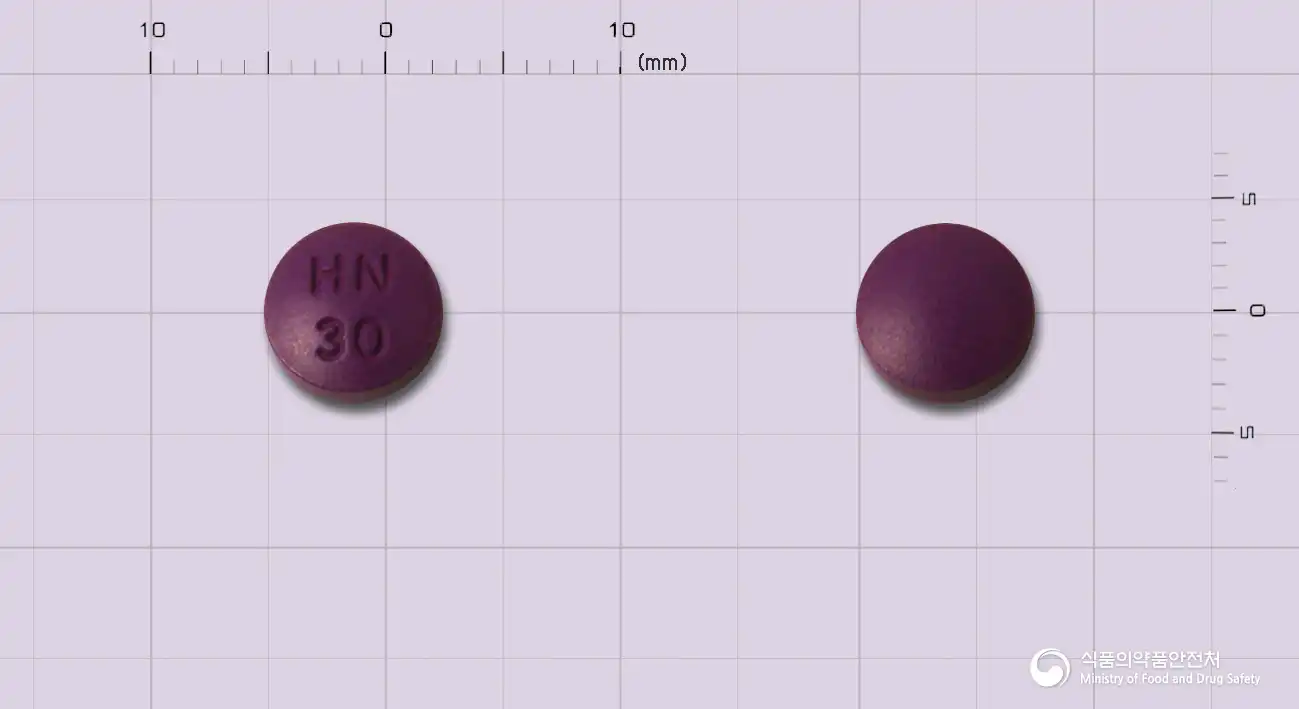
Morphine Sulfate Hydrate 30mg
Tablet · Prescription medication
Hana Pharmaceutical Co., Ltd.
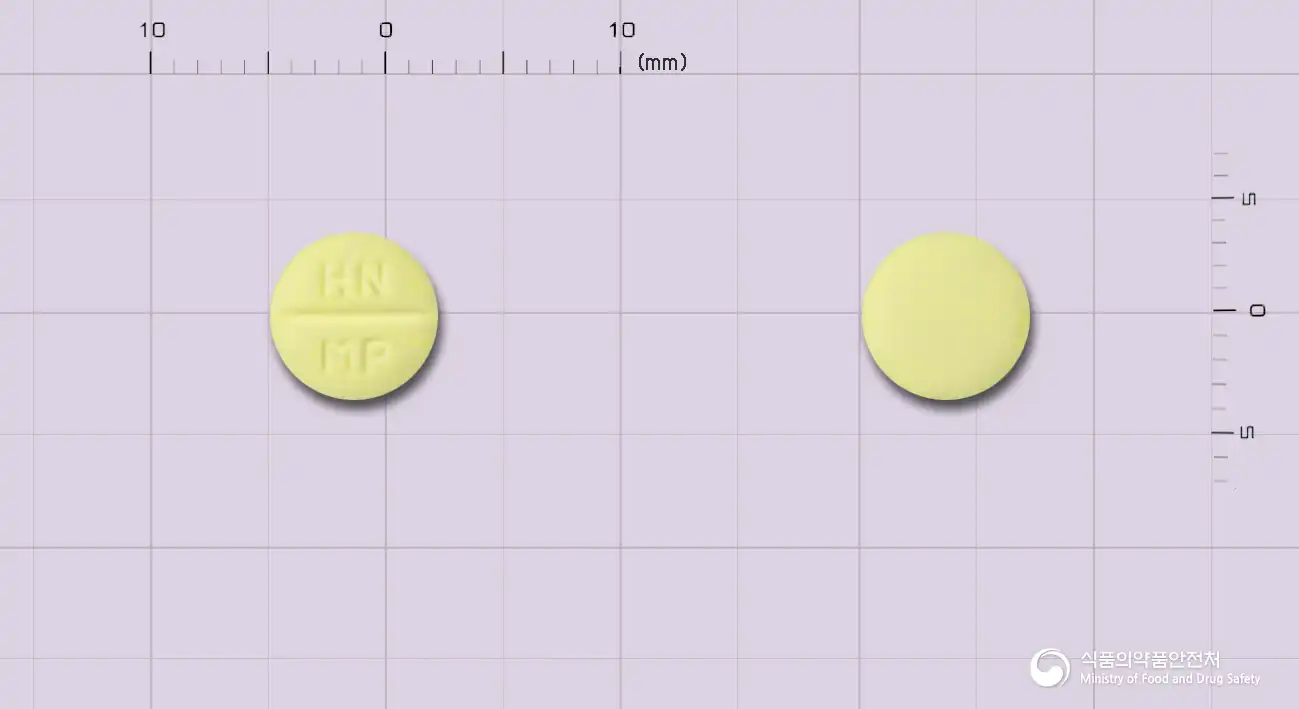
Morphine Sulfate Hydrate 15mg
Tablet · Prescription medication
Hana Pharmaceutical Co., Ltd.
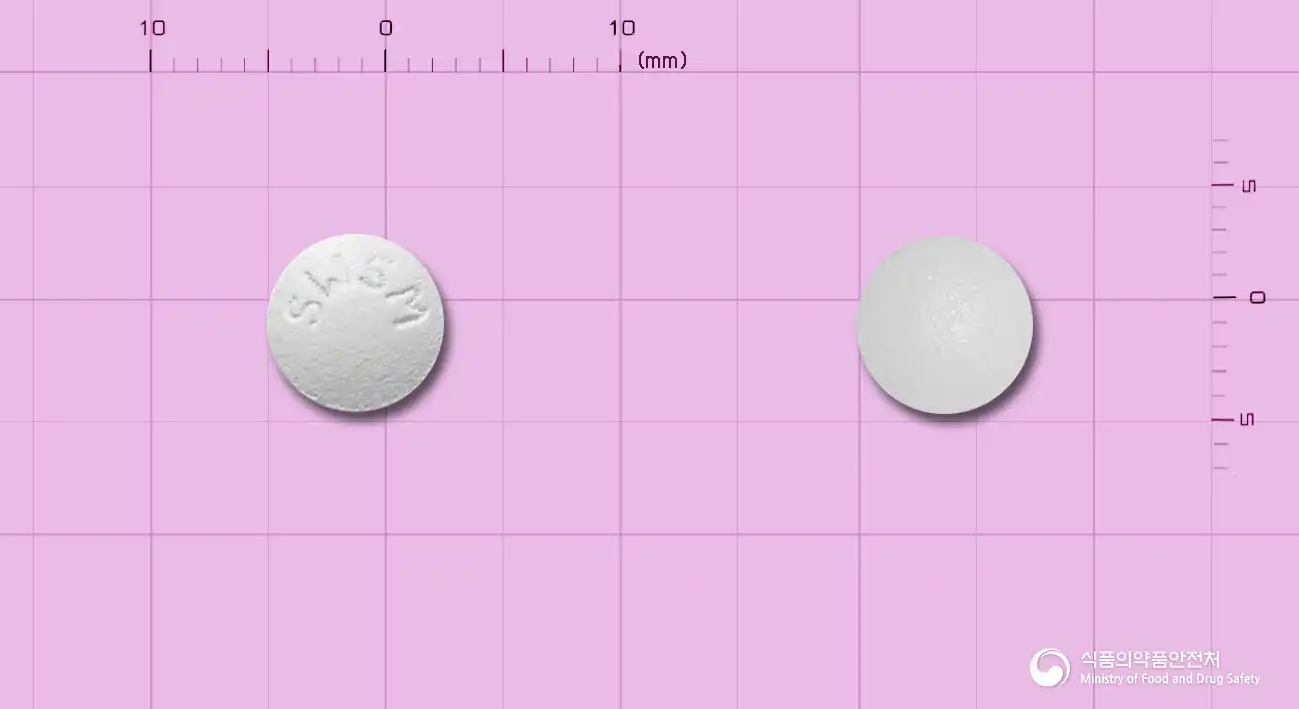
Morphine Sulfate Hydrate 15mg
Tablet · Prescription medication
Sungwon Adcock Pharmaceutical Co., Ltd.
Morphine Sulfate Hydrate 20mg
Injections · Prescription medication
(Ltd.) BC World Pharmaceutical
Even with the same ingredient, the dose and directions can differ by strength and dosage form. Talk to a doctor or pharmacist before switching from a medication you are already taking.
No questions yet.
For anything that needs medical judgment, consult a doctor or pharmacist.
This drug information is based on data provided by the Korea Ministry of Food and Drug Safety.
Consult a doctor or pharmacist for accurate dosage, administration, and usage instructions.