
 한국어
한국어 English
 日本語
日本語 中文(简体)
 Viewing now
Hanain Codeine Phosphate Tablets
Codeine Phosphate Hydrate 20mg
Tablet · Prescription medication
Hana Pharmaceutical Co., Ltd.
MFDS item code 199704612 · Approved 1997.01.06 · Insurance code 657802830
Cough suppression and relief of inflammatory acute pain in respiratory diseases (bronchitis, pneumonia, etc.)
This medication helps to relieve cough associated with various respiratory diseases such as bronchitis, pneumonia, pharyngitis, laryngitis, and bronchial asthma in adults aged 19 and older. It is also effective in pain relief. For children aged 13 to 18, it is used to reduce acute moderate pain caused by inflammation that is not relieved by acetaminophen or ibuprofen. This medication effectively improves cough and pain, alleviating the patient's symptoms.
As codeine phosphate hemihydrate, take 20 mg three times daily by mouth. This dosage can be given up to 4 times a day at minimum 6-hour intervals. The maximum daily dose should not exceed 240 mg. Adjust according to symptoms.
As codeine phosphate hemihydrate, the recommended daily dose is 30 to 60 mg, divided into doses every 6 hours. The recommended daily dose is based on weight (0.5 to 1 mg/kg). The maximum daily dose should not exceed 240 mg.
This medication is metabolized in the liver and converted to morphine, so responses may vary between individuals. In some patients, morphine may be rapidly formed, leading to serious side effects. If any symptoms such as slowed or shallow breathing, confusion, insomnia, pinpoint pupils, constipation, or loss of appetite occur while taking this medication, the patient should immediately discontinue use and consult a doctor. This medication should be avoided in obese patients under 18 years of age, patients with obstructive sleep apnea, and those with severe lung diseases. Taking it with other central nervous system depressants or alcohol can significantly increase the risk of severe sedation, respiratory depression, coma, and death. Therefore, great caution is required when taken with such drugs. Acute or severe respiratory depression, asthma attacks, severe liver impairment, heart failure due to chronic lung diseases, seizure disorders, acute alcohol intoxication, known allergies to this medication or opioids, ulcerative colitis, obstructive sleep apnea, patients under 18 years of age who have undergone tonsillectomy or adenoidectomy, children under 12 years of age, nursing mothers, ultra-rapid metabolizers of CYP2D6, those with severe central nervous system depression, increased intracranial pressure, organic intestinal obstruction, and patients taking MAO inhibitors, as well as pregnant women or those who might become pregnant, should avoid taking this medication. Patients with heart or respiratory problems, impaired liver or kidney functions, shock, metabolic acidosis, hypothyroidism, adrenal insufficiency, a history of drug dependence or alcohol addiction, the elderly, some children, urinary obstruction, seizure history, pancreatitis, gallbladder disease, or severe inflammatory bowel disease should use this medication with caution, closely monitoring for any side effects. This medication may lead to drug dependence, so caution is necessary for prolonged use, and abrupt discontinuation may lead to withdrawal symptoms, thus tapering is advised. If respiratory depression symptoms occur, immediate appropriate treatment should be provided, and if confusion or memory impairment appear, dosage may need to be reduced or discontinued. Drowsiness or dizziness may occur while taking this medication, so driving or operating dangerous machinery should be avoided. Special caution is warranted for ultra-rapid metabolizers of codeine as life-threatening respiratory depression may occur. Taking this medication with other central nervous system depressants, narcotic analgesics, or alcohol can increase CNS depressant effects, necessitating careful monitoring and dosage adjustment. Caution is also advised when used with coumarin anticoagulants, anticholinergics, and certain skeletal muscle relaxants. During pregnancy, this medication is not recommended as it can cross the placenta and affect the fetus. If used during labor, newborns may exhibit respiratory depression or withdrawal symptoms, requiring careful monitoring. Nursing women should discontinue breastfeeding as this medication can be secreted in breast milk and cause serious side effects in infants, especially if they are ultra-rapid metabolizers of codeine. This drug should not be used in children under 12 years of age or in children under 18 years with obstructive sleep apnea following tonsillectomy or adenoidectomy, nor is it recommended for cough treatment in children under 18. Elderly patients may be more prone to respiratory depression due to decreased bodily functions, so administration should start at a low dose and be monitored closely. In case of overdose, symptoms such as respiratory depression, loss of consciousness, bradycardia, or hypotension may occur, and immediate medical attention should be sought for emergency care, which may include narcotic antagonist administration and respiratory support. This medication should be kept out of the reach of children, and transferring it to another container should be avoided as it may negatively affect the quality of the medication. Finally, this medication is converted to morphine by the liver enzyme CYP2D6. The degree of activity of this enzyme may significantly alter efficacy and side effects, so dosing should be considered on an individual basis.
Not everyone experiences these, and they can vary from person to person.
Store this medication in a tightly sealed container to prevent air and moisture from entering. It is best to maintain a storage temperature between 1 to 30 degrees Celsius. This will help safely preserve the drug's effectiveness.
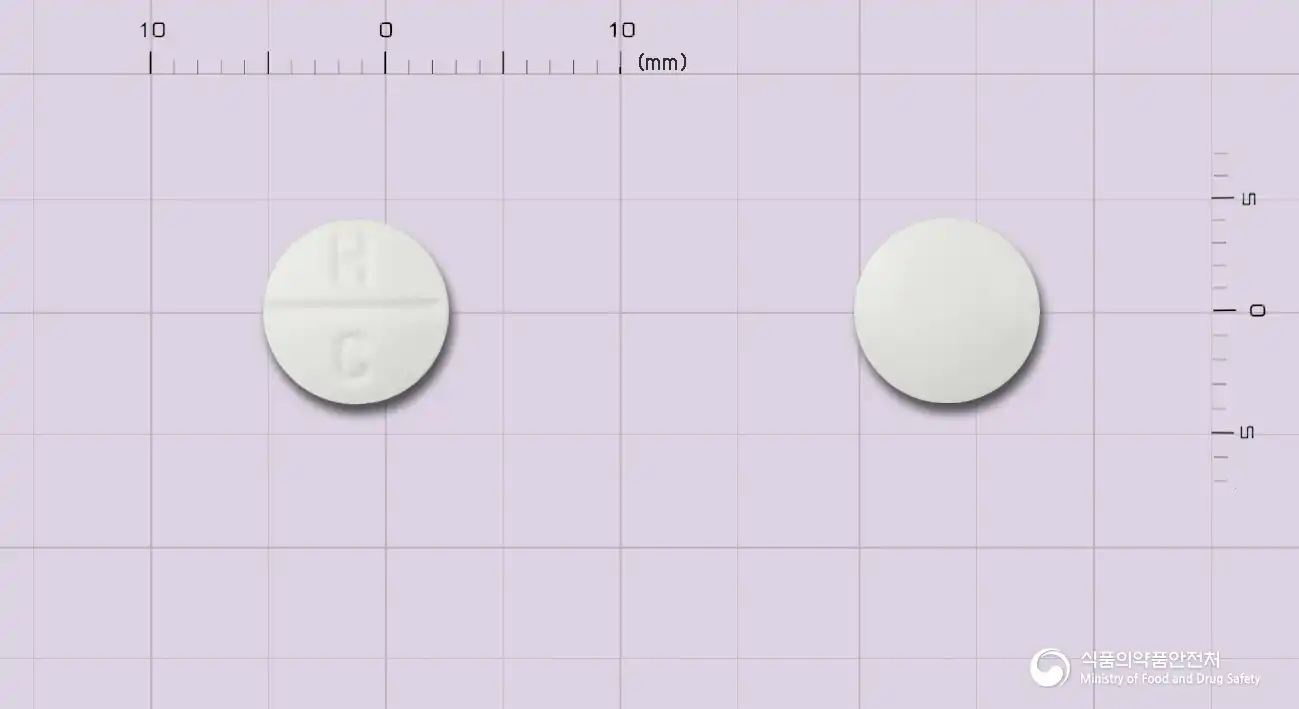
White tablets
100 tablets (10 tablets/PTP X 10)
Even with the same ingredient, strength, dosage form and how it is taken can differ.
Viewing nowCodeine Phosphate Hydrate 20mg
Tablet · Prescription medication
Hana Pharmaceutical Co., Ltd.
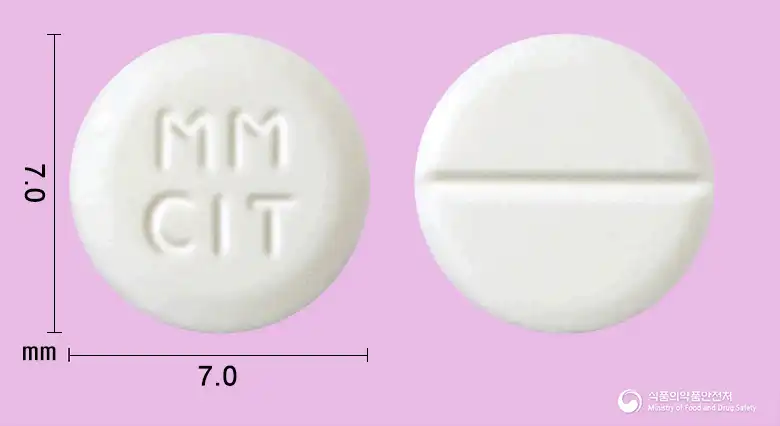
Codeine Phosphate Hydrate 20mg
Tablet · Prescription medication
Myungmoon Pharmaceutical Co., Ltd.
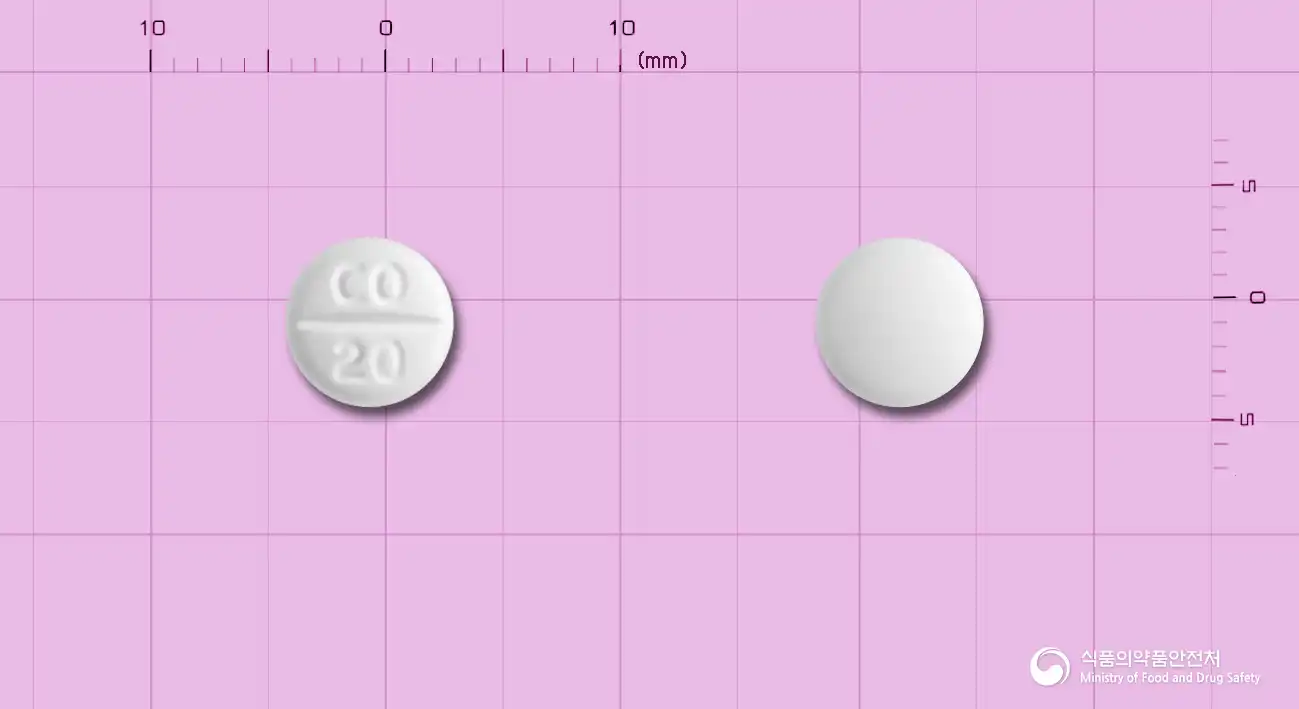
Codeine Phosphate Hydrate 20mg
Tablet · Prescription medication
BC World Pharma Co., Ltd.
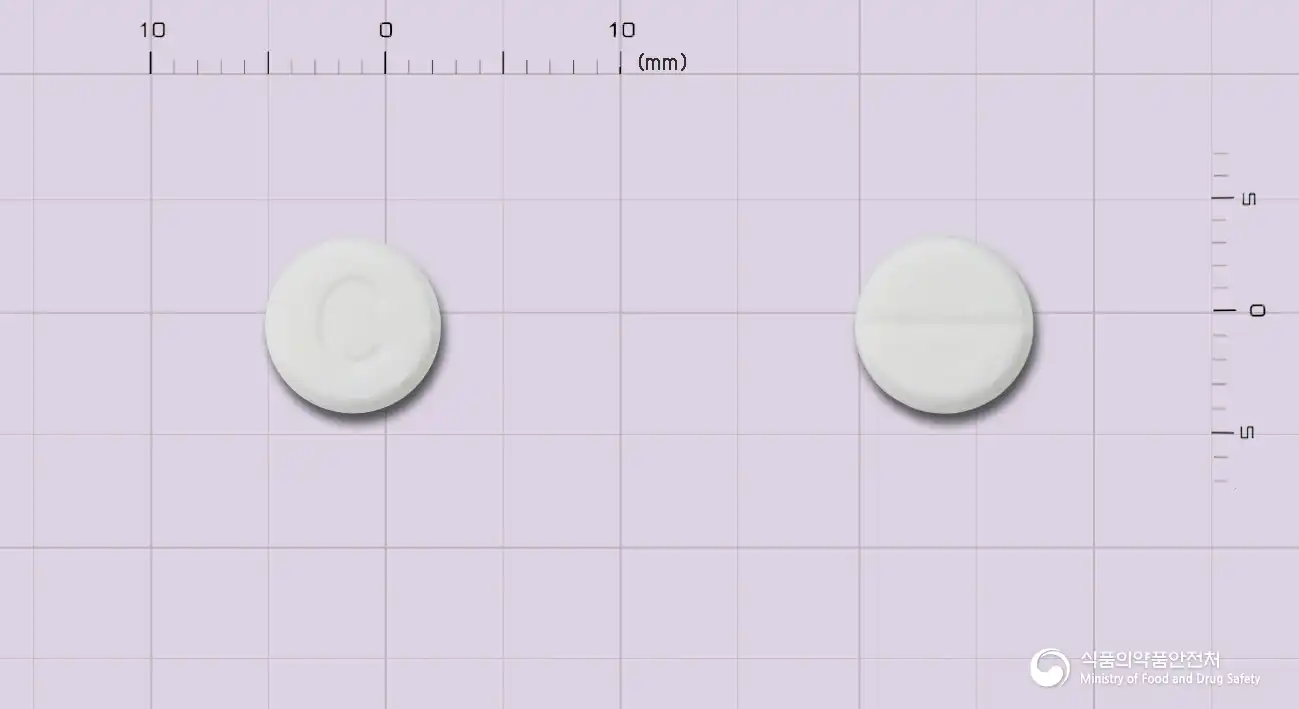
Codeine Phosphate Hydrate 20mg
Tablet · Prescription medication
Guju Pharmaceutical Co., Ltd.
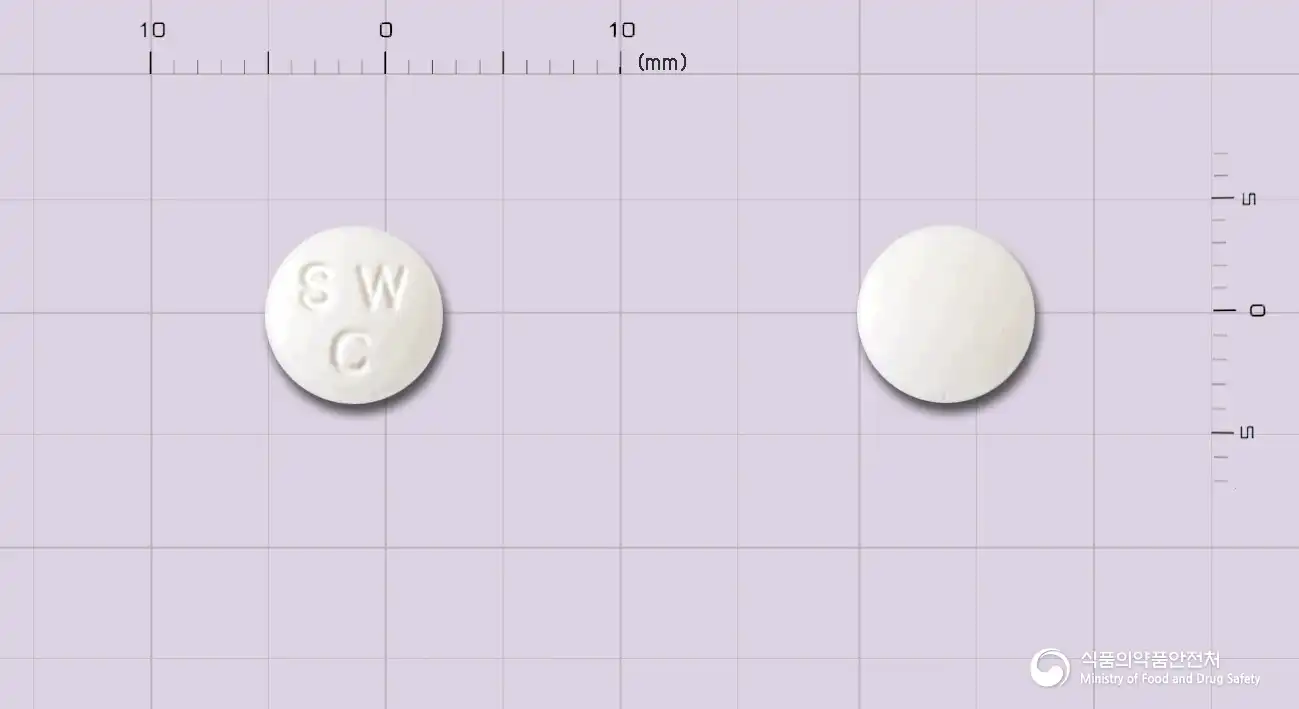
Codeine Phosphate Hydrate 20mg
Tablet · Prescription medication
Sungwon Adcock Pharmaceutical Co., Ltd.
Even with the same ingredient, the dose and directions can differ by strength and dosage form. Talk to a doctor or pharmacist before switching from a medication you are already taking.
No questions yet.
For anything that needs medical judgment, consult a doctor or pharmacist.
This drug information is based on data provided by the Korea Ministry of Food and Drug Safety.
Consult a doctor or pharmacist for accurate dosage, administration, and usage instructions.