
 한국어
한국어 English
 日本語
日本語 中文(简体)
 Viewing now
Eprosin Tablets (Ciprofloxacin Hydrochloride Hydrate)
Ciprofloxacin Hydrochloride Hydrate 291mg
Tablet · Prescription medication
Daehan New Pharm Co., Ltd.
MFDS item code 199703531 · Notified 1997.03.17 · Insurance code 669902830
Treatment of various bacterial infections including respiratory infections (excluding acute bronchitis) and urinary tract infections
This medication is effective against a variety of bacteria including Escherichia coli, Shigella, and Salmonella. It is used for respiratory infections excluding acute bronchitis and community-acquired pneumonia, as well as infections of the ear, nose, and throat, bacterial prostatitis, and urinary tract infections. It is also used to treat various infections such as gonococcal cervicitis and urethritis, gastrointestinal and biliary tract infections, skin and soft tissue infections, bone and joint infections, gynecological infections, and peritonitis. However, as a fluoroquinolone, it may have serious adverse reactions, and should only be used for mild infections when no other treatment options are available. This drug is effectively used in your infection treatment.
Typically for adults, ciprofloxacin is administered orally at a dose of 250 to 500 mg per dose, twice daily between meals. In cases of severe complicated infections, the dose may be increased to 750 mg per dose, twice daily. For acute infections, treatment usually lasts 5 to 10 days, and should be continued for at least 3 days after symptoms have resolved. In patients with renal impairment, dosage adjustments may be necessary based on creatinine clearance. - Creatinine clearance
This medication can cause tendonitis and tendon rupture, peripheral neuropathy, and central nervous system side effects. If severe adverse reactions are suspected, use should be stopped immediately, especially in patients with myasthenia gravis as symptoms may worsen with this medication. Additionally, this drug should be used restrictively only for certain bacterial infections and is safe only when other treatment methods are unavailable. Caution is needed for elderly patients, those with impaired kidney function, and patients taking corticosteroids, as they are at higher risk of tendon rupture. If tendon pain or inflammation occurs, rest and avoidance of physical activity is advised, and medication should be stopped immediately if symptoms appear. This medication can affect the central nervous system and may cause seizures, psychiatric symptoms, depression, and confusion, hence it should be cautiously administered to patients with epilepsy or neurological disorders. Furthermore, serious side effects such as severe membranous colitis, liver dysfunction, skin rashes, and photosensitivity may occur; if abnormal symptoms arise, consult a healthcare professional immediately. This medication has many drug interactions, particularly requiring caution when taken with antidiabetic drugs, anticoagulants, theophylline, and tizanidine. It should not be administered to pregnant or nursing women, growing children, and adolescents, and elderly patients may require dosage adjustments due to declining kidney function. In case of overdose, kidney function should be closely monitored, and necessary emergency care should be sought. Store away from direct sunlight and in a place inaccessible to children.
Not everyone experiences these, and they can vary from person to person.
This medication should be stored in a tightly closed container to protect it from air and moisture. It is important to maintain a storage temperature between 1 and 30 degrees Celsius.
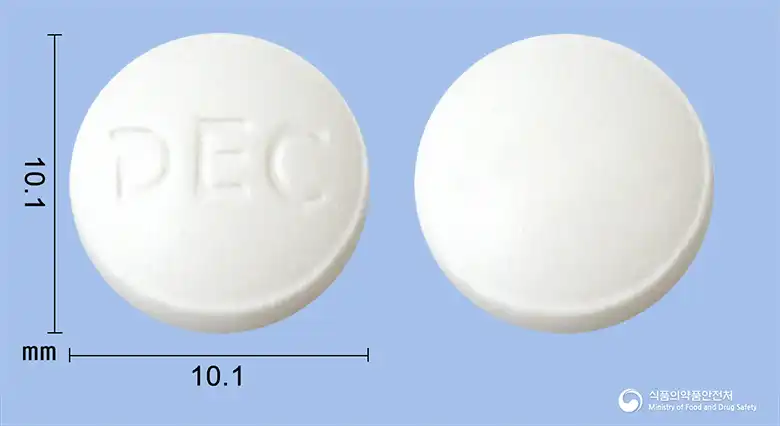
White, round film-coated tablet
30 tablets/bottle, 500 tablets/bottle
Even with the same ingredient, strength, dosage form and how it is taken can differ.
Viewing nowCiprofloxacin Hydrochloride Hydrate 291mg
Tablet · Prescription medication
Daehan New Pharm Co., Ltd.
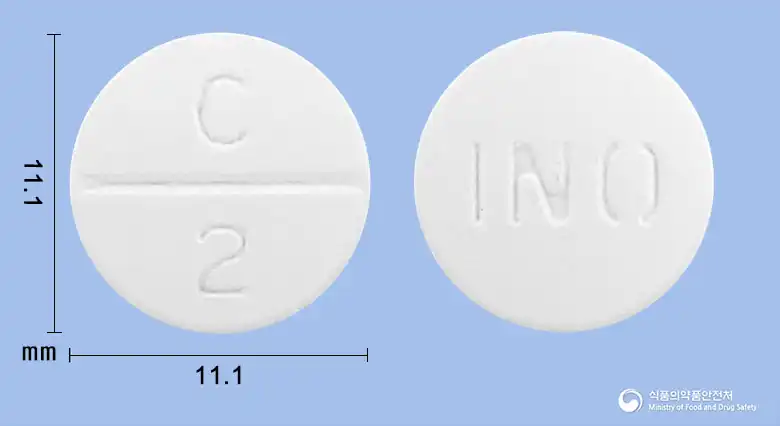
Ciprofloxacin Hydrochloride 291.5mg
Tablet · Prescription medication
HK inno.N Co., Ltd.
Ciprofloxacin Hydrochloride
Prescription medication
Dongkwang Pharmaceutical Co., Ltd.
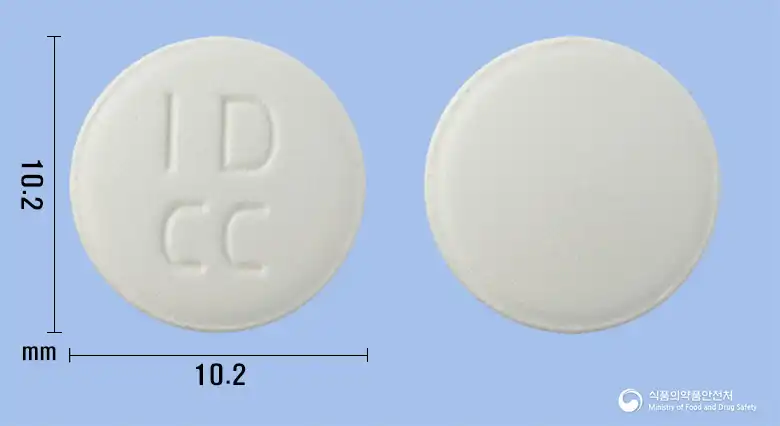
Ciprofloxacin Hydrochloride 291mg
Tablet · Prescription medication
Il Dong Pharmaceutical Co., Ltd.
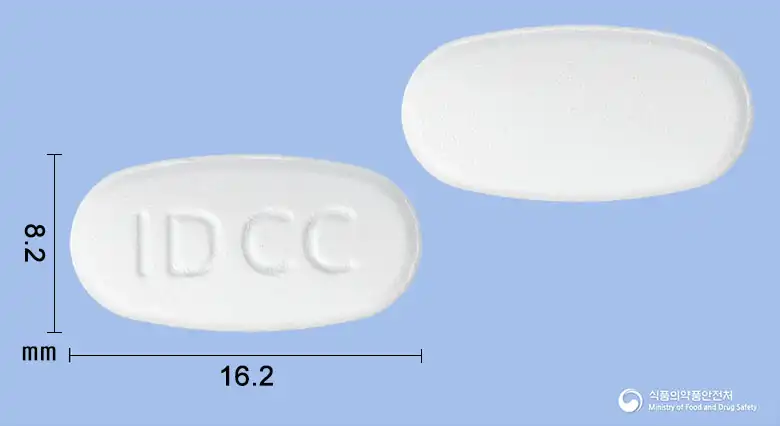
Ciprofloxacin Hydrochloride 582mg
Tablet · Prescription medication
Il Dong Pharmaceutical Co., Ltd.
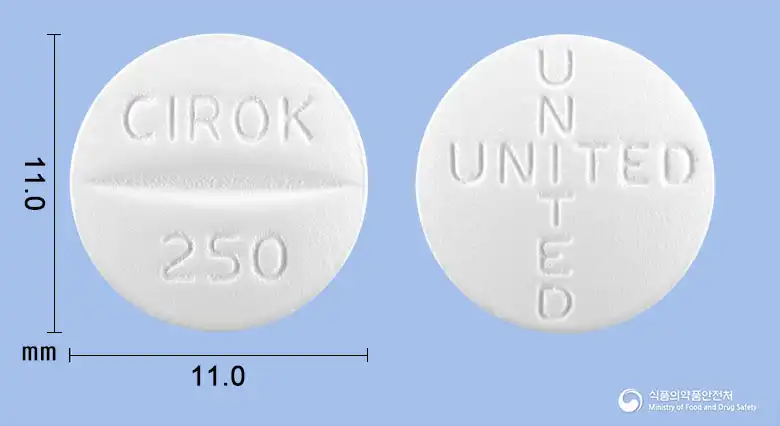
Ciprofloxacin Hydrochloride Hydrate 291mg
Tablet · Prescription medication
Korea United Pharm, Inc.
Ciprofloxacin Hydrochloride Hydrate 291mg
Tablet · Prescription medication
SK Chemicals Co., Ltd.
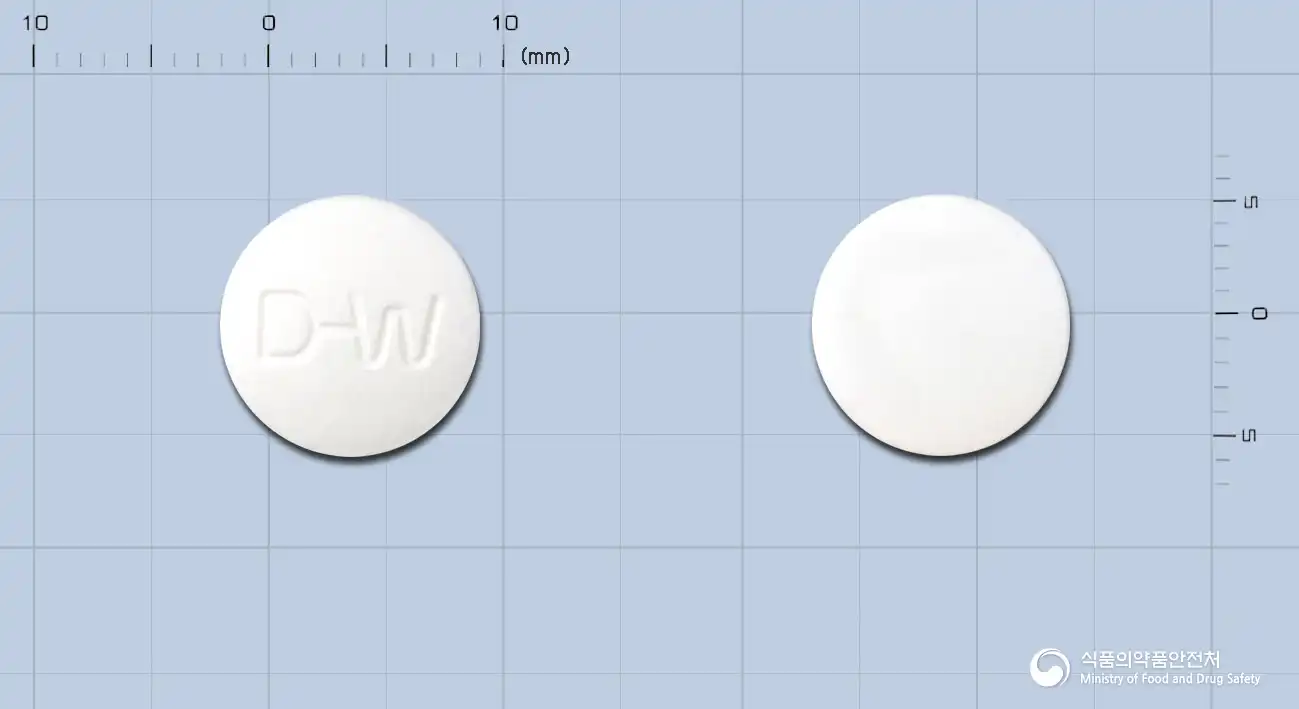
Ciprofloxacin Hydrochloride Hydrate 291mg
Tablet · Prescription medication
Donghwa Pharmaceutical Co., Ltd.
Even with the same ingredient, the dose and directions can differ by strength and dosage form. Talk to a doctor or pharmacist before switching from a medication you are already taking.
No questions yet.
For anything that needs medical judgment, consult a doctor or pharmacist.
This drug information is based on data provided by the Korea Ministry of Food and Drug Safety.
Consult a doctor or pharmacist for accurate dosage, administration, and usage instructions.