
 한국어
 English
 日本語
 中文(简体)
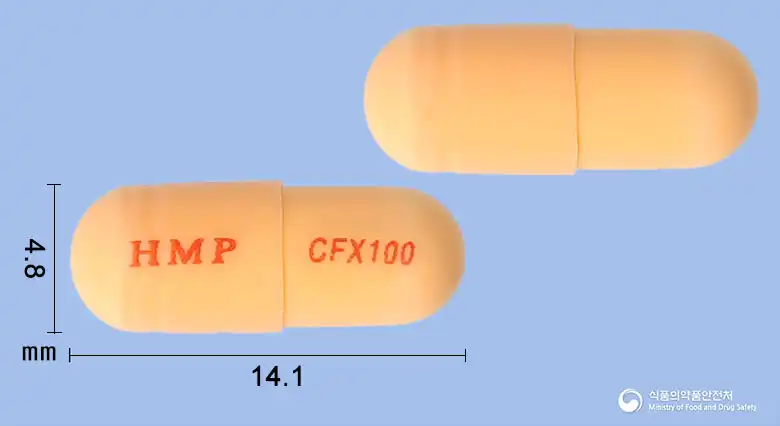 Viewing now
CEFIX Capsule 100 Milligrams (Cefixime Hydrate)
Cefixime Hydrate 100mg
Hard capsule · Prescription medication
Hanmi Pharmaceutical Co., Ltd.
MFDS item code 199702588 · Notified 1997.07.31 · Insurance code 643501260
Treatment of infections (e.g., pneumonia, otitis media, and scarlet fever), urinary tract infections, and biliary tract infections
This medication is effective against various types of bacteria and is used to treat respiratory infections such as bronchitis, bronchiectasis (during infection), secondary infections of chronic respiratory diseases, pneumonia, etc. It is also effective for urinary tract infections such as pyelonephritis, cystitis, gonococcal urethritis, and is helpful in treating cholecystitis and cholangitis. It is widely used for infectious diseases such as scarlet fever, otitis media, and sinusitis. This medication is used to treat various pathogens and improve infection symptoms.
(Capsules) Adults: Administer 50~100mg (potency) of cefixime orally twice daily. For severe infections or an insufficient response, administer 200mg (potency) per dose twice daily. Adjust the dose as appropriate according to age and symptoms.
(Capsules) Children weighing 30 Kg or more: Administer 50~100mg (potency) of cefixime orally twice daily. For severe infections or an insufficient response, administer 200mg (potency) per dose twice daily. (Powder) Children: Administer 1.5~3mg (potency) of cefixime per Kg of body weight per dose orally twice daily. For severe infections or an insufficient response, administer 6mg (potency) per Kg of body weight per dose twice daily.
This medication should not be administered to specific patients under any circumstances. For example, patients who have previously experienced serious allergic reactions or shock after taking this medication, patients allergic to cephalosporin antibiotics, and patients with lactose intolerance or certain genetic disorders should not take this medication. Caution is also needed in patients who may have had previous allergic reactions to this medication or similar antibiotics, patients allergic to penicillin antibiotics, individuals with a family history of or allergic constitution, patients with severely impaired kidney function, patients who have difficulty swallowing orally, and the elderly should be particularly careful when using this medication. Additionally, caution is required if the patient has an allergy to specific dyes included in this medication. This medication may rarely cause serious side effects, so symptoms should be closely monitored. For example, allergic reactions may present as difficulty breathing, rash, swelling, etc., and gastrointestinal problems may lead to abdominal pain or diarrhea, and rarely, severe colitis may occur. Reports have also noted symptoms such as liver dysfunction, decreased kidney function, blood abnormalities, and central nervous system disturbances, so if any abnormal symptoms appear, administration should be stopped immediately and medical attention sought. Antibiotics should only be used for the necessary duration to prevent antibiotic resistance, and patients' allergy history should be sufficiently verified before administration. Patients with impaired kidney function require dose adjustment, and caution is advised due to the risk of seizures. When used in conjunction with other medications, interactions may occur; therefore, especially when combined with warfarin, carbamazepine, or nephrotoxic agents, consultation with a specialist is necessary. Women who are pregnant or breastfeeding should consult their physician before taking this medication, as its safety has not been established, and it is advisable to avoid breastfeeding. Infants, newborns, and premature infants should avoid use as safety has not been confirmed. Elderly individuals have decreased physiological function and are more prone to side effects and should be closely monitored and have doses adjusted due to the risk of bleeding from vitamin K deficiency. This medication may affect certain clinical test results, so patients must inform the healthcare provider of this during testing. Lastly, this medication's suspension should not be stored for more than 2 weeks after manufacture, and the powder should not be left in milk or juice for long periods.
Not everyone experiences these, and they can vary from person to person.
This medication should be stored in a tightly sealed container to prevent exposure to air or moisture. Additionally, it should be stored at room temperature away from direct sunlight to maintain its effectiveness over a longer period.
Hard orange capsules containing a white to pale yellow crystalline powder
30 capsules/bottle, 100 capsules/bottle
Even with the same ingredient, strength, dosage form and how it is taken can differ.
Viewing nowCefixime Hydrate 100mg
Hard capsule · Prescription medication
Hanmi Pharmaceutical Co., Ltd.
Cefixime Hydrate 50mg
Prescription medication
Dong-A ST Co., Ltd.
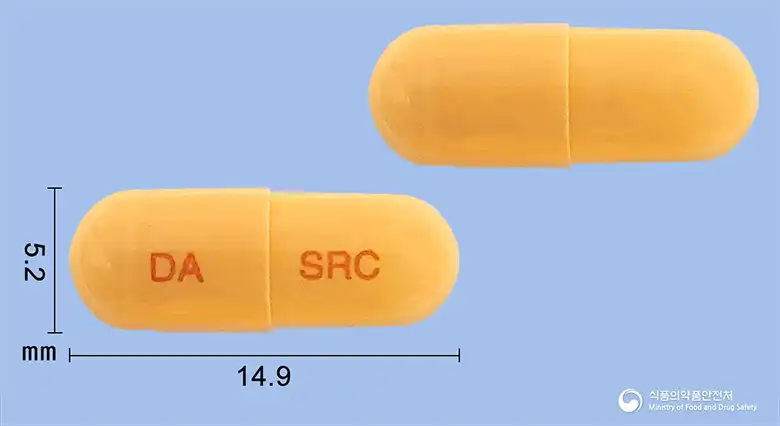
Cefixime Hydrate 100mg
Hard capsule · Prescription medication
Dong-A ST Co., Ltd.
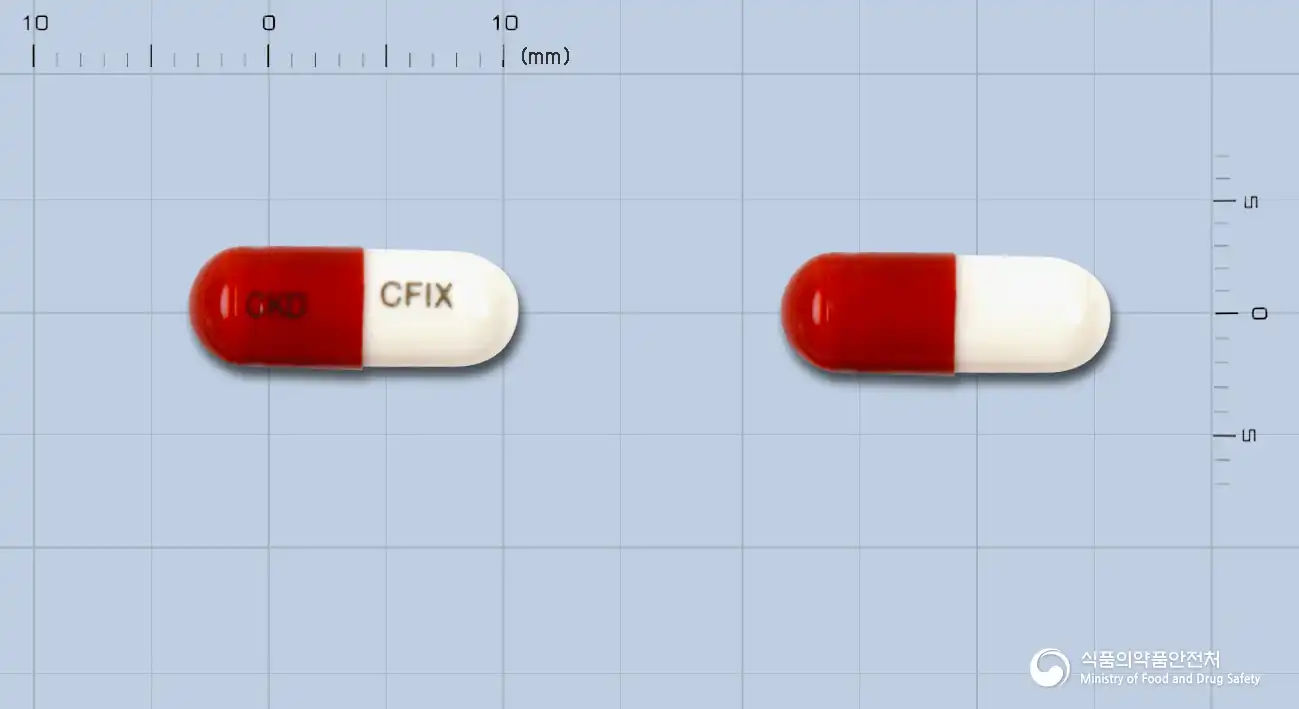
Cefixime Hydrate 100mg
Hard capsule · Prescription medication
Jongkundang Co., Ltd.
Cefixime Hydrate 50mg
Prescription medication
Hanmi Pharmaceutical Co., Ltd.
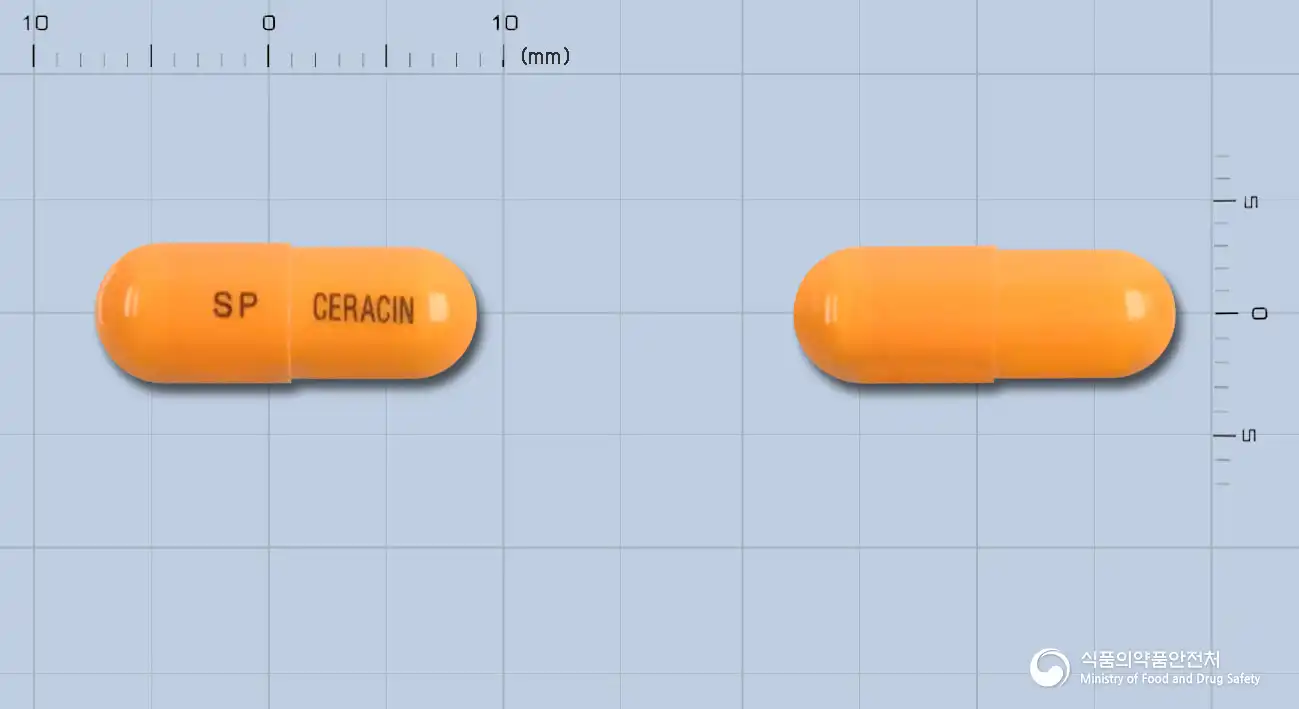
Cefixime Hydrate 100mg
Hard capsule · Prescription medication
Sinpoong Pharmaceutical Co., Ltd.
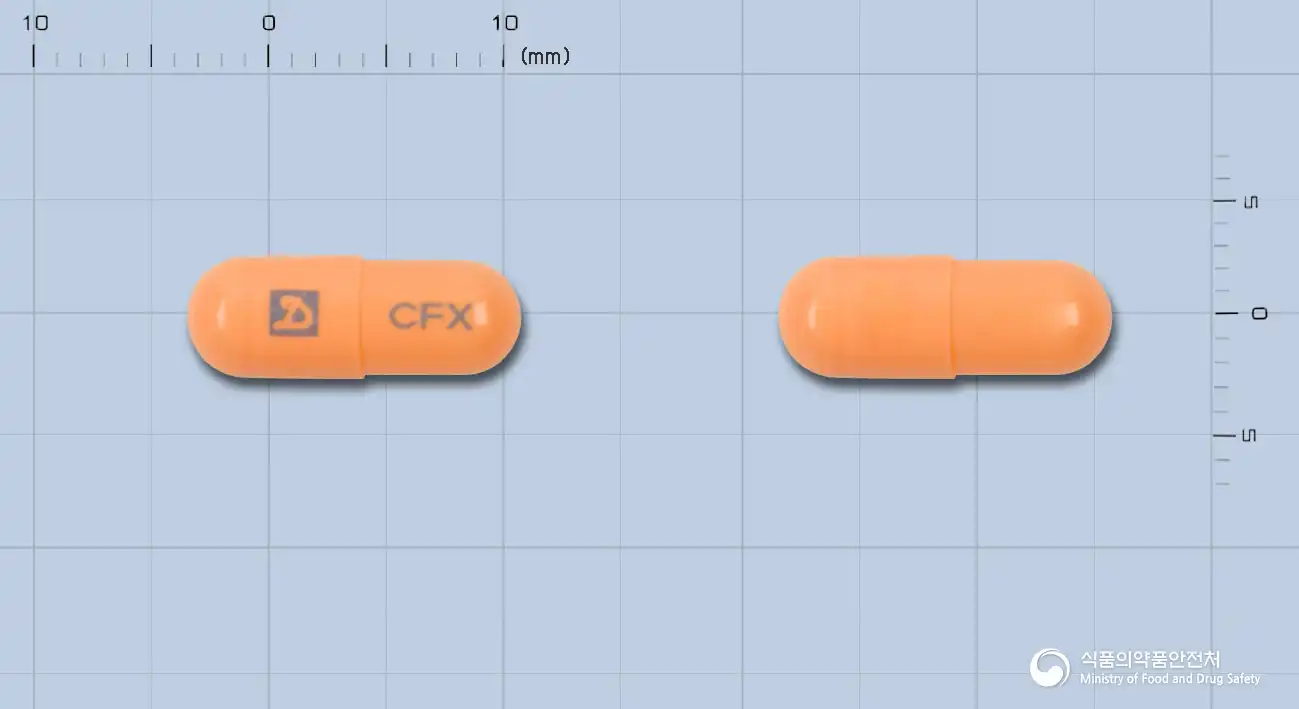
Cefixime Hydrate 100mg
Hard capsule · Prescription medication
Donggu Biopharmaceutical Co., Ltd.
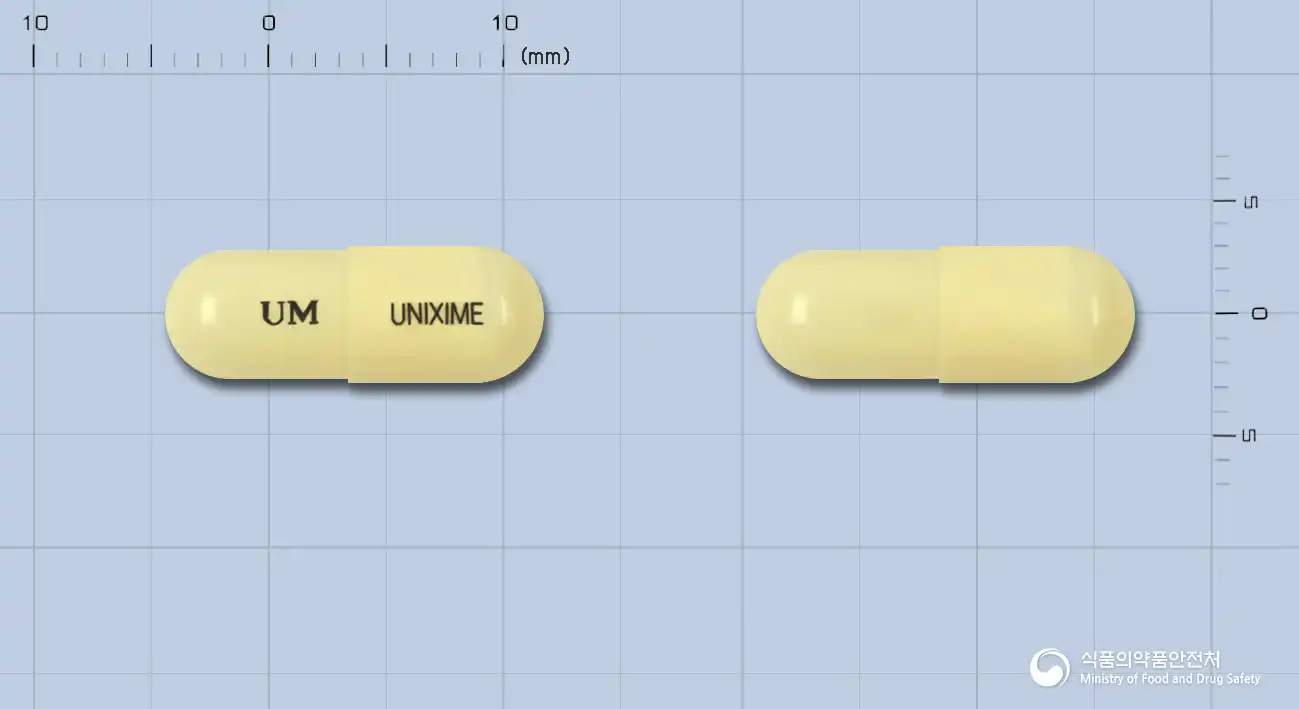
Cefixime Hydrate 100mg
Hard capsule · Prescription medication
Unimed Pharmaceutical Co., Ltd.
Even with the same ingredient, the dose and directions can differ by strength and dosage form. Talk to a doctor or pharmacist before switching from a medication you are already taking.
No questions yet.
For anything that needs medical judgment, consult a doctor or pharmacist.
This drug information is based on data provided by the Korea Ministry of Food and Drug Safety.
Consult a doctor or pharmacist for accurate dosage, administration, and usage instructions.