
 한국어
 English
 日本語
 中文(简体)
 Viewing now
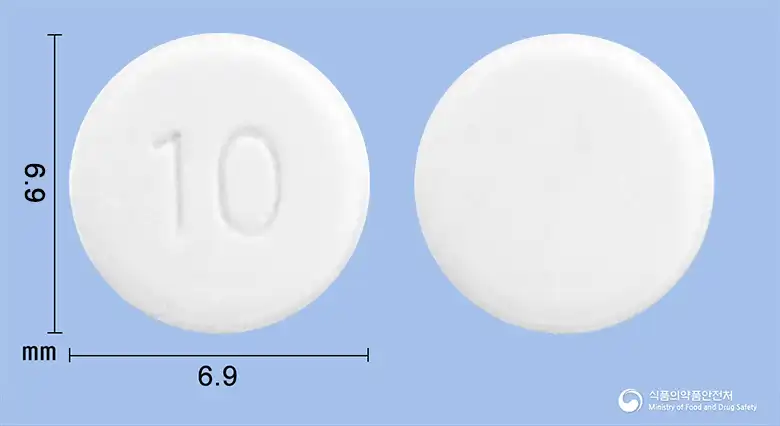
Baclofen 10mg Tablets
Baclofen 10mg
Tablet · Prescription medication
Hana Pharmaceutical Co., Ltd.
MFDS item code 199702412 · Notified 1997.05.27 · Insurance code 657800770
Relief of skeletal muscle spasticity (multiple sclerosis, etc.) and spasticity associated with cerebral and spinal cord disorders
This medication is primarily used to relieve spasticity of skeletal muscles caused by conditions such as multiple sclerosis or spinocerebellar degeneration. It is also effective for muscle spasticity symptoms caused by spinal diseases due to various reasons, including inflammatory, degenerative, and traumatic causes. For example, it is used in various spinal-related conditions such as spastic spinal paralysis, amyotrophic lateral sclerosis, syringomyelia, and transverse myelitis. It also aids in alleviating spasticity due to cerebral damage, particularly symptoms after cerebral palsy, cerebrovascular accidents, or muscle spasticity occurring in neoplastic and degenerative brain diseases. This medication can be used to relieve muscle spasticity caused by various central nervous system diseases.
Always start treatment with this medicine at a low dose and gradually increase it. The optimal dose should be individually determined for each patient at a level that reduces clonic spasms, flexor and extensor rigidity, and spasms while avoiding adverse effects as far as possible. Use with caution to prevent excessive muscle weakness and falls, particularly when muscle tone is needed to maintain balance while standing or moving and to preserve function. It is important to allow transient spasms that help maintain some degree of muscle tone and perform the habituation function. Take this medicine with meals and a small amount of water. For adults, the total daily dose should be administered orally in 3 divided doses. ○ Adults 1. Administer 5㎎ of baclofen orally 3 times daily, increasing each dose by 5㎎ 3 times daily at 3-day intervals until the optimal dose is determined. 2. In patients who are hypersensitive to this medicine, it is advisable to start with a lower dose (5-10㎎ daily) and increase it slowly. 3. The usual optimal dose is 30-80㎎ daily. Hospitalized patients may receive 100-120㎎ daily under close supervision.
For children, the total daily dose should be administered orally in 4 divided doses. ○ Children (12 months to 18 years) 1. Treatment is generally started at a very low dose (0.3 mg/kg daily in 2~4 divided doses). 2. The usual maintenance dose is 0.75~2mg/kg daily. 3. The maximum daily dose for children under 8 years of age is 40mg. 3. The maximum daily dose for children 8 years of age and older is 60mg. 4. Increase the dose carefully at intervals of approximately 1-2 weeks until it is appropriate for the individual patient's needs. If no clear therapeutic effect is observed within 6-8 weeks after reaching the maximum dose, reconsider whether to continue this medicine.
This medication should not be used in patients allergic to this medication or its components. Due to the presence of lactose, individuals with galactose intolerance, lactase deficiency, or glucose-galactose malabsorption should not take this medication. Patients with a history of psychiatric disorders, schizophrenia, bipolar disorder, confusion, or Parkinson's disease should use this medication very cautiously, and their conditions should be closely monitored. Individuals with a history of epilepsy need to be careful with this medication as it may provoke seizures, and they should continue appropriate anticonvulsant treatment while closely observing their condition. Patients with peptic ulcers or severe heart diseases, cardiovascular diseases, cerebrovascular diseases, or respiratory diseases need to be cautious as the muscle relaxant effects of this medication may worsen their conditions. Patients with impaired liver or kidney function may experience increased drug concentration, so they should start with a small dose cautiously, and especially for patients undergoing hemodialysis, very small doses should be used. Individuals with neurogenic disorders affecting urination may experience sudden urinary retention, so they should be careful. Children, especially those with epilepsy, should take this medication cautiously due to the risk of seizures. Initially or when rapidly increasing the dose, side effects such as drowsiness, sedation, and dizziness may commonly occur, but these symptoms usually decrease over time. Patients with mental disorders, cerebrovascular disorders, and elderly individuals may experience more severe side effects. This medication may cause drowsiness, so caution should be exercised while driving or operating hazardous machinery. Patients with liver problems or diabetes should have regular checks as this medication may affect liver function test results or blood sugar levels. Patients with impaired kidney function should be closely observed for signs of toxicity. During treatment with this medication, thoughts or actions of suicide may increase, hence both patients and caregivers must observe for any changes in mental state and report to medical personnel immediately if any anomalies are noticed. Taking this medication with other central nervous system acting drugs, opioids, or alcohol may potentiate sedative effects and severely suppress respiration; thus, care should be taken, especially for patients with respiratory or heart diseases. During pregnancy, there may be a risk to the fetus, so it should only be taken if absolutely necessary, and during breastfeeding, although a small amount may be excreted in breast milk, it generally does not have significant effects on the infant. Elderly patients should begin with low doses and closely monitor their condition as body functions may decline.
Not everyone experiences these, and they can vary from person to person.
This medication should be stored in a cool, dry place, away from direct sunlight. It is also important to keep it in a tightly closed container to prevent exposure to air or moisture.
White round tablets
30 tablets/bottle, 1000 tablets/bottle
Even with the same ingredient, strength, dosage form and how it is taken can differ.
Viewing nowBaclofen 10mg
Tablet · Prescription medication
Hana Pharmaceutical Co., Ltd.
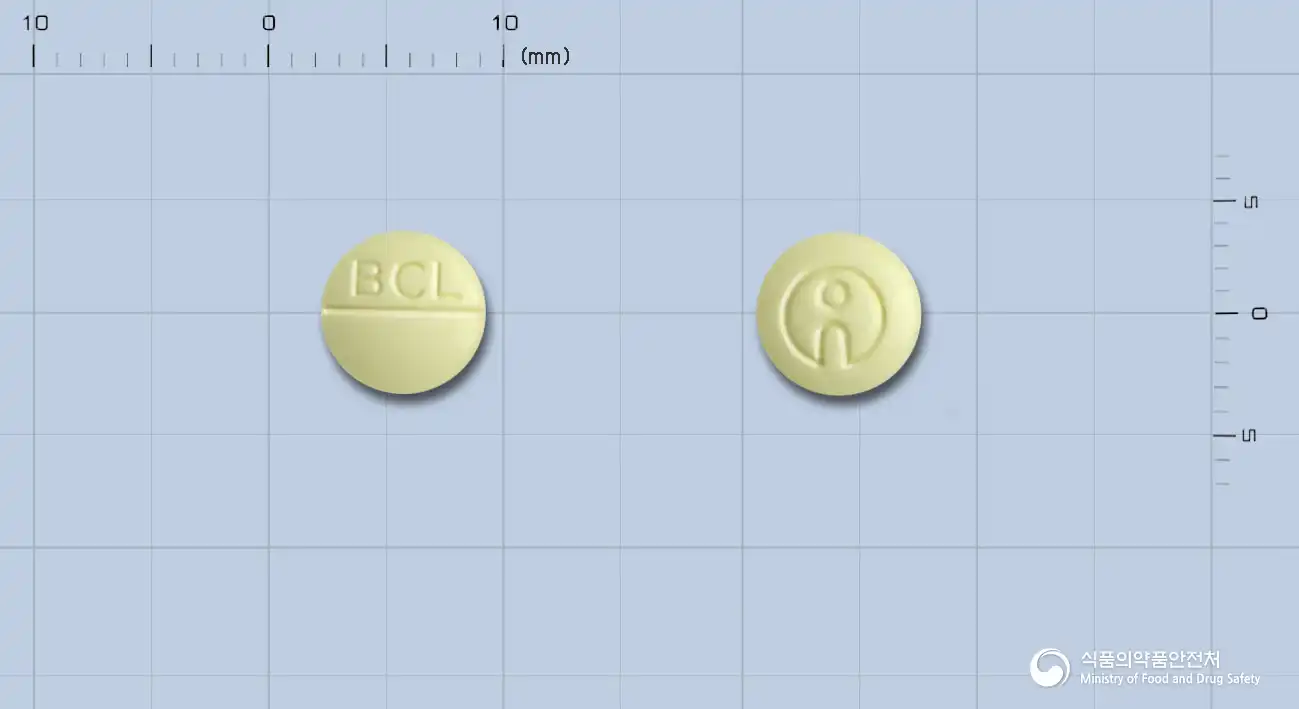
Baclofen 10mg
Tablet · Prescription medication
Yuyoung Pharmaceutical Co., Ltd.
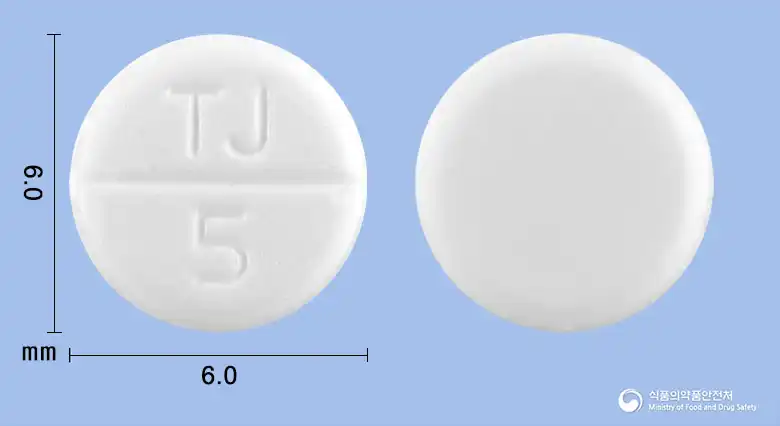
Baclofen 5mg
Tablet · Prescription medication
Taijun Pharmaceutical Co., Ltd.
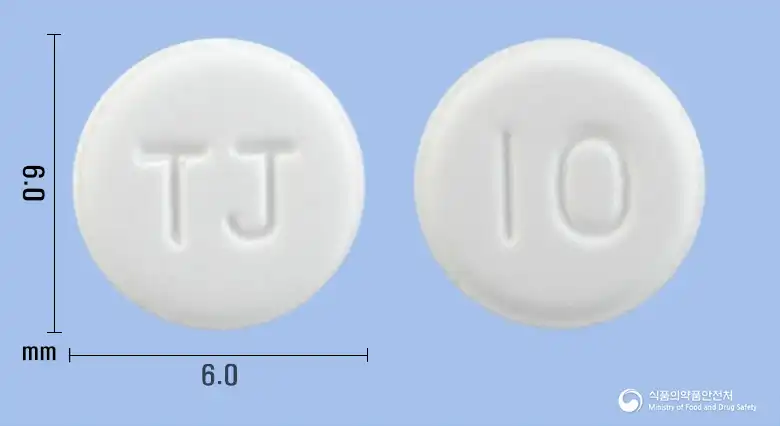
Baclofen 10mg
Tablet · Prescription medication
Taejun Pharmaceutical Co., Ltd.
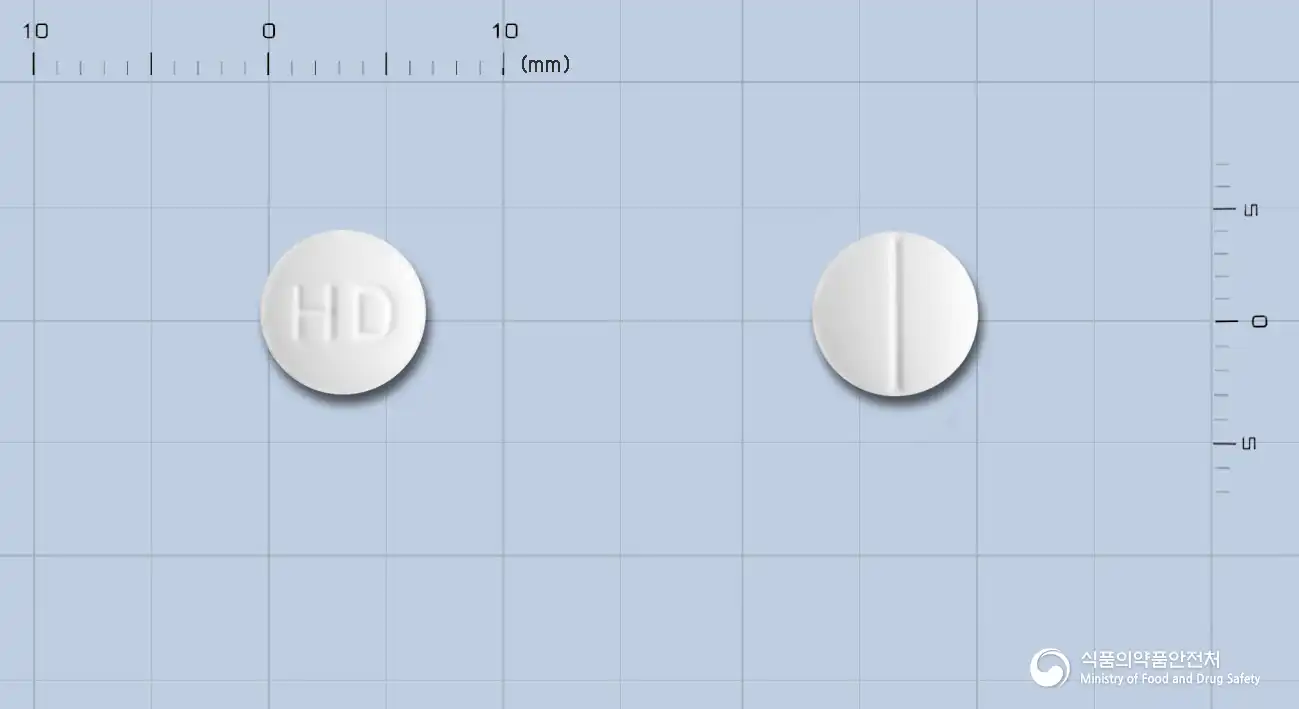
Baclofen 10mg
Tablet · Prescription medication
Handok Co., Ltd.
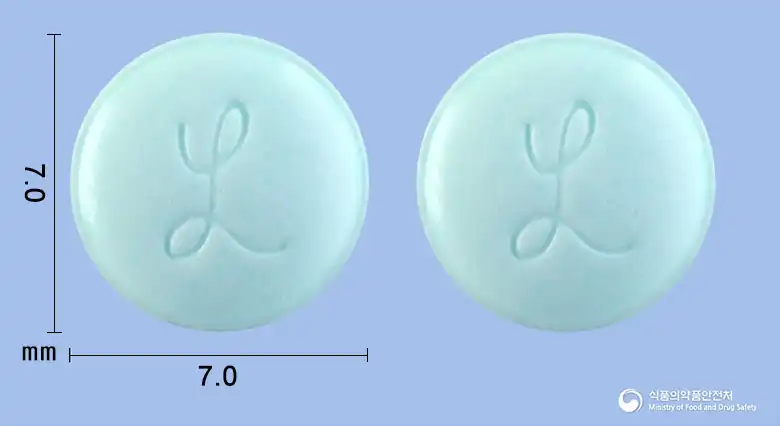
Baclofen 20mg
Tablet · Prescription medication
Korea United Pharmaceutical Co., Ltd.
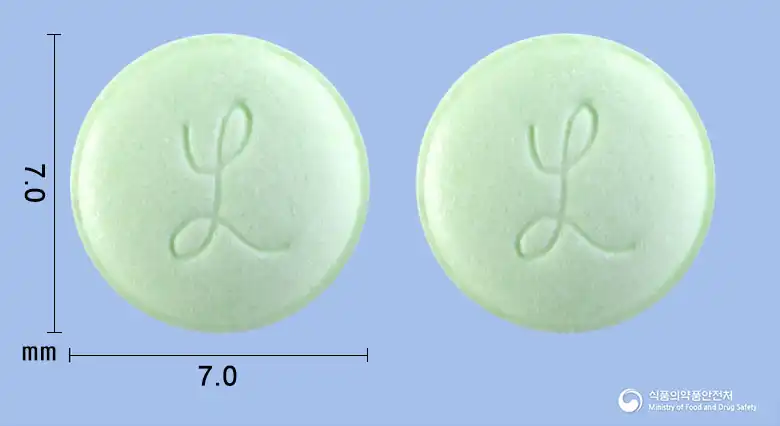
Baclofen 10mg
Tablet · Prescription medication
Korea United Pharmaceutical Co., Ltd.
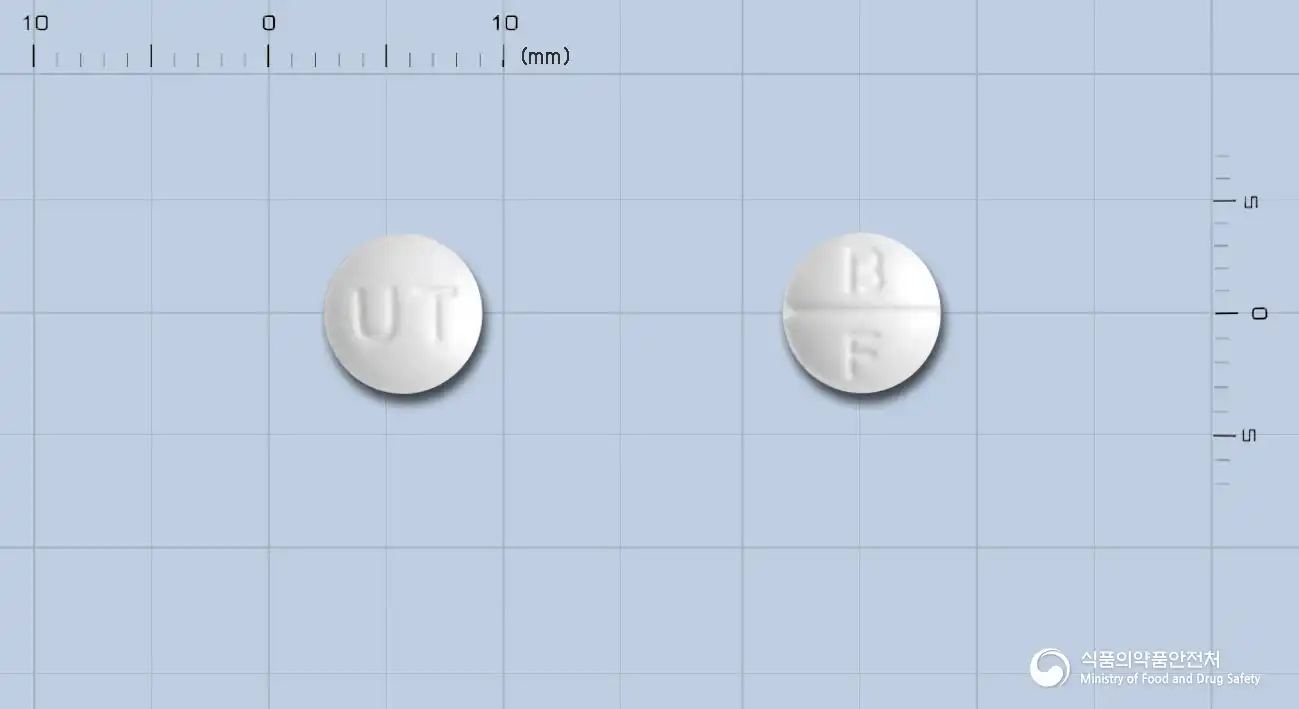
Baclofen 5mg
Tablet · Prescription medication
Korea United Pharmaceutical Co., Ltd.
Even with the same ingredient, the dose and directions can differ by strength and dosage form. Talk to a doctor or pharmacist before switching from a medication you are already taking.
No questions yet.
For anything that needs medical judgment, consult a doctor or pharmacist.
This drug information is based on data provided by the Korea Ministry of Food and Drug Safety.
Consult a doctor or pharmacist for accurate dosage, administration, and usage instructions.