
 한국어
 English
 日本語
 中文(简体)
Dosage form image
Viewing nowCombinationLactamox Syrup (Amoxicillin, Clavulanate Potassium)
Amoxicillin Hydrate 21.6248g · Dilute Potassium Clavulanate 5.4062g
Syrup · Prescription medication · Combination
Aprogen Pharmaceuticals, Co., Ltd.
MFDS item code 199701112 · Notified 1997.05.26
This product's status changed to Approval withdrawn on 2025.03.20. It may no longer be sold, so consult a doctor or pharmacist before taking it.
Treatment of respiratory and ear, nose, and throat infections; genitourinary infections; and skin, bone, and dental infections
This medication is effective against various bacterial infections. It is used for the treatment of respiratory infections such as acute and chronic bronchitis, pneumonia, empyema, and lung abscess, and also helps with tonsillitis, sinusitis, and otitis media. It is utilized for treating urinary tract infections like cystitis, urethritis, pyelonephritis, pelvic infections, and gonorrhea. It is effective for boils, abscesses, soft tissue infections, wound infections, and osteomyelitis, and is also used for treating dental infections. It provides effective treatment for a wide range of infectious diseases.
For mild to moderate infections like recurrent tonsillitis and infections of the upper and lower respiratory and urinary tracts, adults should take amoxicillin 20 mg and clavulanate potassium 5 mg for every kg of body weight per day, divided into three doses. For severe infections like otitis media, sinusitis, and lower respiratory infections such as bronchopneumonia and urinary tract infections, adults should take amoxicillin 40 mg and clavulanate potassium 10 mg for every kg of body weight per day, divided into three doses.
For mild to moderate infections, including upper respiratory tract infections such as recurrent tonsillitis, lower respiratory tract infections, urinary tract infections, and skin and soft tissue infections, the usual dose is amoxicillin/potassium clavulanate 20 mg/5 mg per kg of body weight per day, taken in 3 divided doses. For severe infections, including upper respiratory tract infections such as otitis media and sinusitis, lower respiratory tract infections such as bronchopneumonia, and urinary tract infections, the usual dose is amoxicillin/potassium clavulanate 40 mg/10 mg per kg of body weight per day, taken in 3 divided doses. There are insufficient clinical data on use of the 4:1 syrup in children under 2 months of age.
This medication, as a beta-lactam antibiotic, should not be administered to patients with hypersensitivity to penicillins and cephalosporins. Caution is required, especially in individuals with a history of severe allergic reactions such as anaphylaxis, Stevens-Johnson syndrome, or shock. Patients with infectious mononucleosis or lymphocytic leukemia may have an increased risk of rash and should be avoided. Patients who previously experienced liver dysfunction or jaundice due to this medication or penicillin should not use it due to the risk of recurrence. This medication contains lactose and should not be given to patients with hereditary lactose intolerance. Patients with impaired liver or kidney function may require dosage adjustments and careful administration due to a prolonged retention of the drug in the body, increasing the risk of side effects. Patients who are allergic or elderly or malnourished should also use it with caution. Gastrointestinal symptoms may include diarrhea, abdominal pain, vomiting, etc., and if severe colitis occurs, administration should be halted immediately. Liver function abnormalities may occur, especially regular liver function tests are needed during prolonged use. Rarely, skin rashes, hives, and severe skin reactions may occur, so if these symptoms appear, stop using the medication and consult a physician. Blood abnormalities such as leukopenia and thrombocytopenia may occur, so if there are abnormal symptoms, testing is needed. Central nervous system side effects such as anxiety, drowsiness, and seizures have been reported rarely, and potential kidney damage should be monitored regularly. This medication can affect the balance of intestinal bacteria, leading to other infections. It is important to report any symptoms immediately. A tendency to bleed due to vitamin K deficiency may occur, so caution is required if bleeding symptoms appear. It should be avoided during pregnancy, especially in the first 3 months, and breastfeeding may cause side effects to the baby, so if any abnormal signs appear, use should be discontinued. Safety has not been established in premature infants or newborns, so caution is advised. Elderly patients should have their dosage and administration intervals adjusted closely monitored due to the higher risk of side effects associated with bodily function decline. This medication may affect certain test results, so be sure to inform healthcare providers of its use during testing. In the case of overdose, gastrointestinal symptoms, kidney damage, and allergic reactions may occur, and immediate treatment is necessary. Store in a dry place below 25 degrees Celsius, and the suspension must be refrigerated and used within 7 days. This medication should only be used for the necessary duration to prevent the development of resistant bacteria, and if hypersensitivity reactions occur, it should be ceased immediately and medical personnel should be consulted.
Not everyone experiences these, and they can vary from person to person.
This medication is enclosed in a sealed container to prevent moisture. It must be stored in a cool, dry place below 25 degrees Celsius to maintain its efficacy.
A syrup preparation that dissolves in use as a whitish powder with a peculiar smell
50, 500 mL/bottle
Even with the same ingredient, strength, dosage form and how it is taken can differ.
Amoxicillin Hydrate 21.6248g · Dilute Potassium Clavulanate 5.4062g
Syrup · Prescription medication · Combination
Aprogen Pharmaceuticals, Co., Ltd.
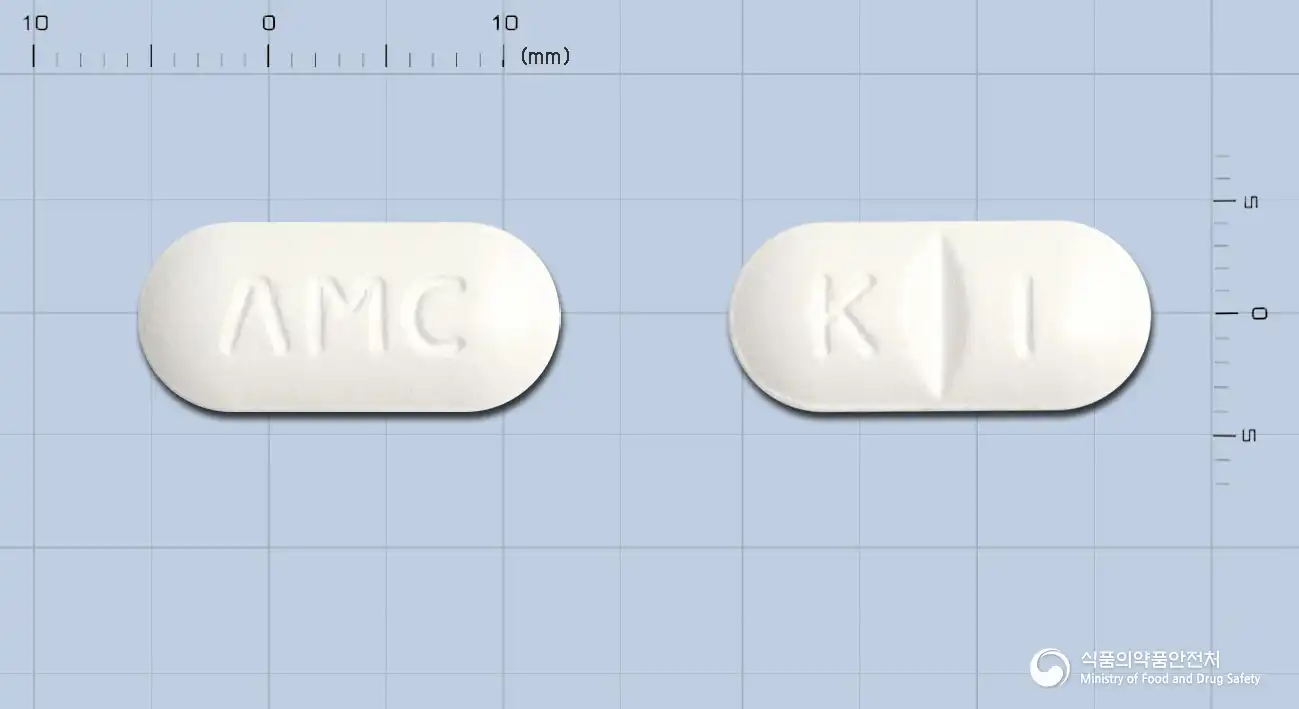 Combination
Amoxicillin Hydrate 500mg · Dilute Potassium Clavulanate 215.52mg
Tablet · Prescription medication · Combination
Geonil Pharmaceutical Co., Ltd.
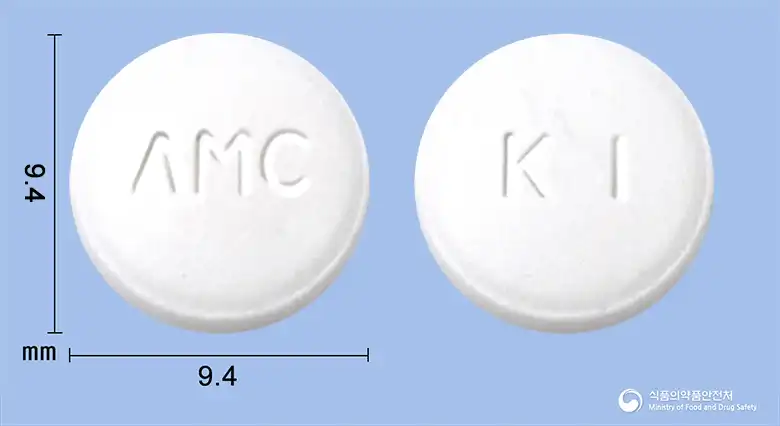 Combination
Amoxicillin Hydrate 125mg · Dilute Potassium Clavulanate 107.76mg
Tablet · Prescription medication · Combination
Geonil Pharmaceutical Co., Ltd.
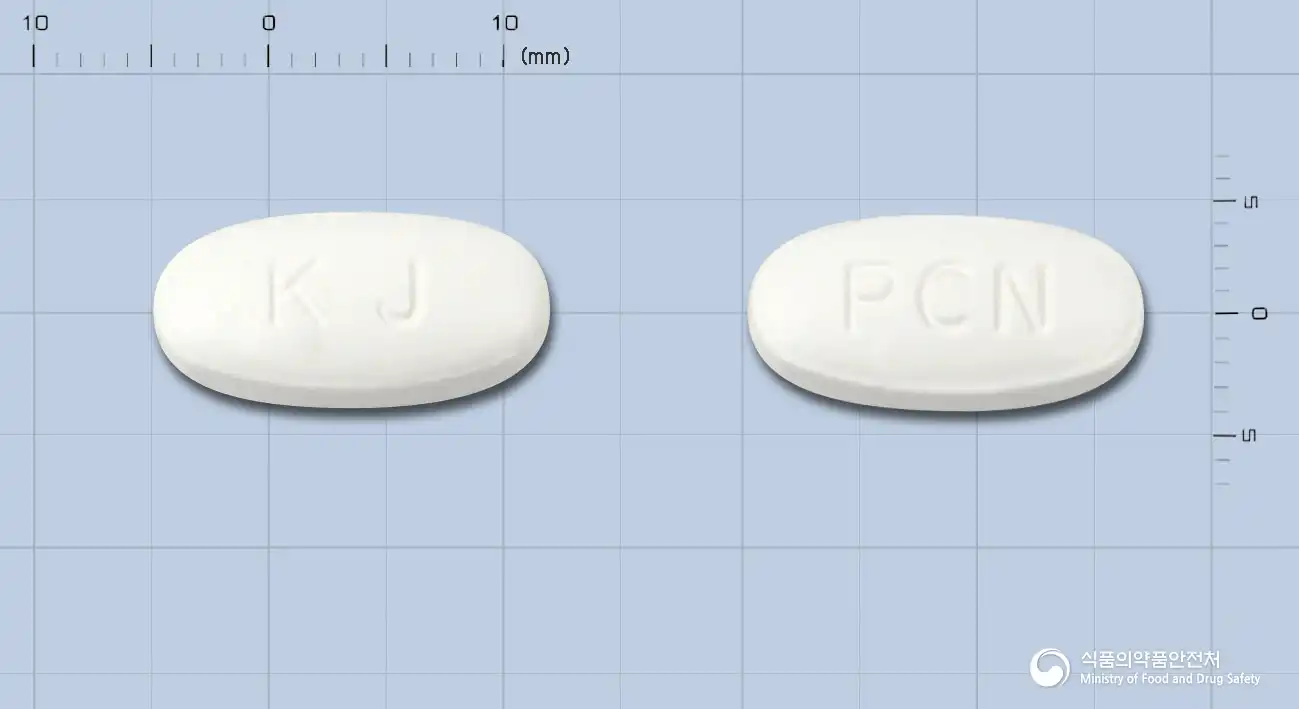 Combination
Amoxicillin Hydrate 250mg · Dilute Potassium Clavulanate 212.73mg
Tablet · Prescription medication · Combination
International Pharmaceutical Co., Ltd.
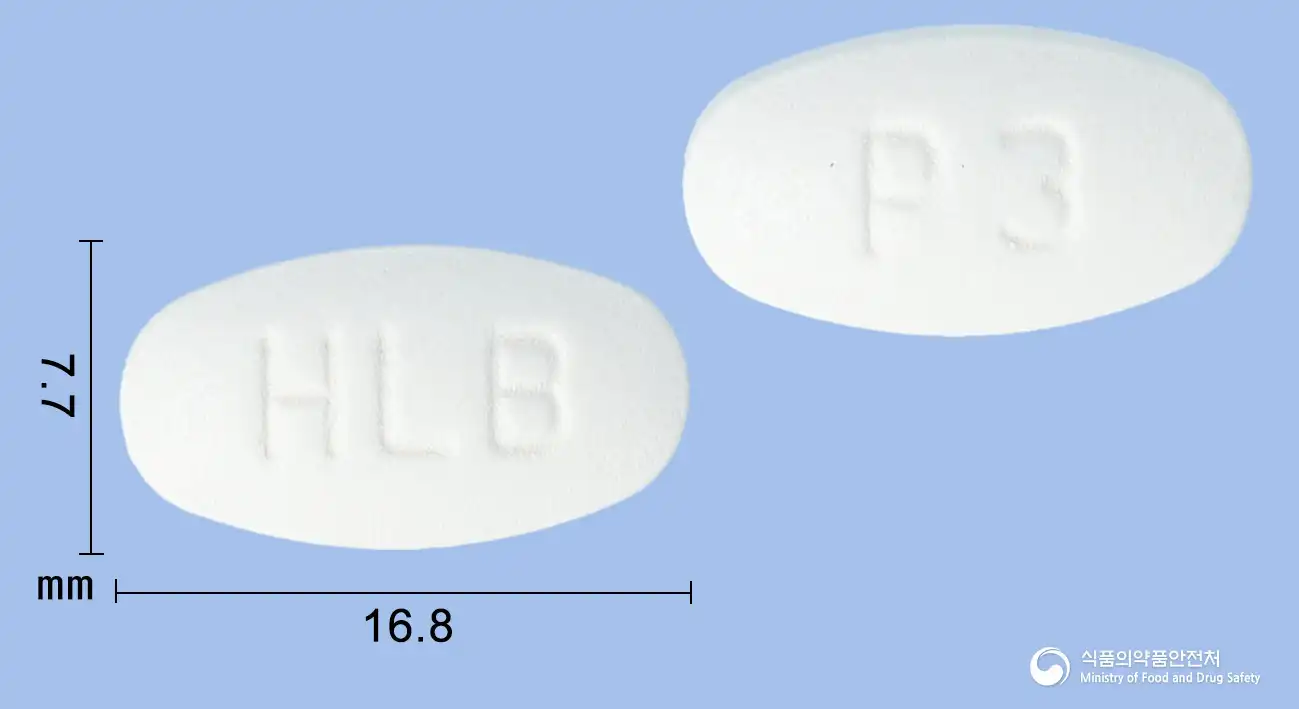 Combination
Amoxicillin Hydrate 250mg · Dilute Potassium Clavulanate 215.52mg
Tablet · Prescription medication · Combination
HLB Pharmaceutical Co., Ltd.
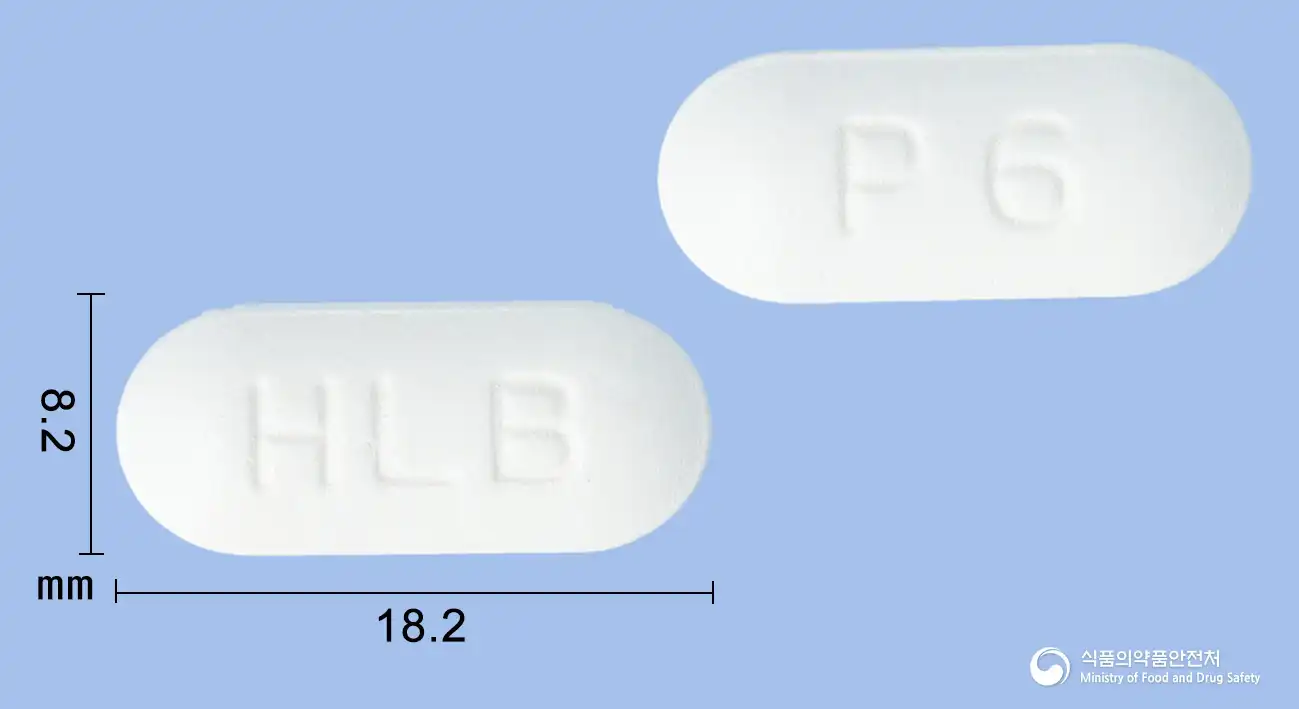 Combination
Amoxicillin Hydrate 500mg · Dilute Potassium Clavulanate 215.52mg
Tablet · Prescription medication · Combination
HLB Pharmaceuticals Co., Ltd.
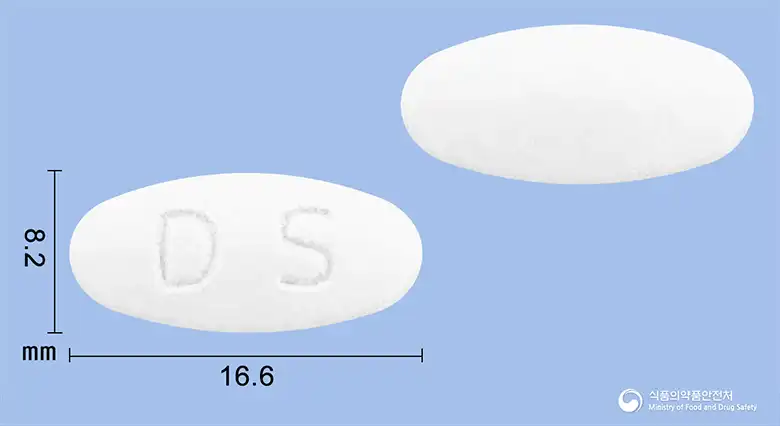 Combination
Amoxicillin Hydrate 250mg · Dilute Potassium Clavulanate 215.52mg
Tablet · Prescription medication · Combination
Dong Sung Pharmaceutical Co., Ltd.
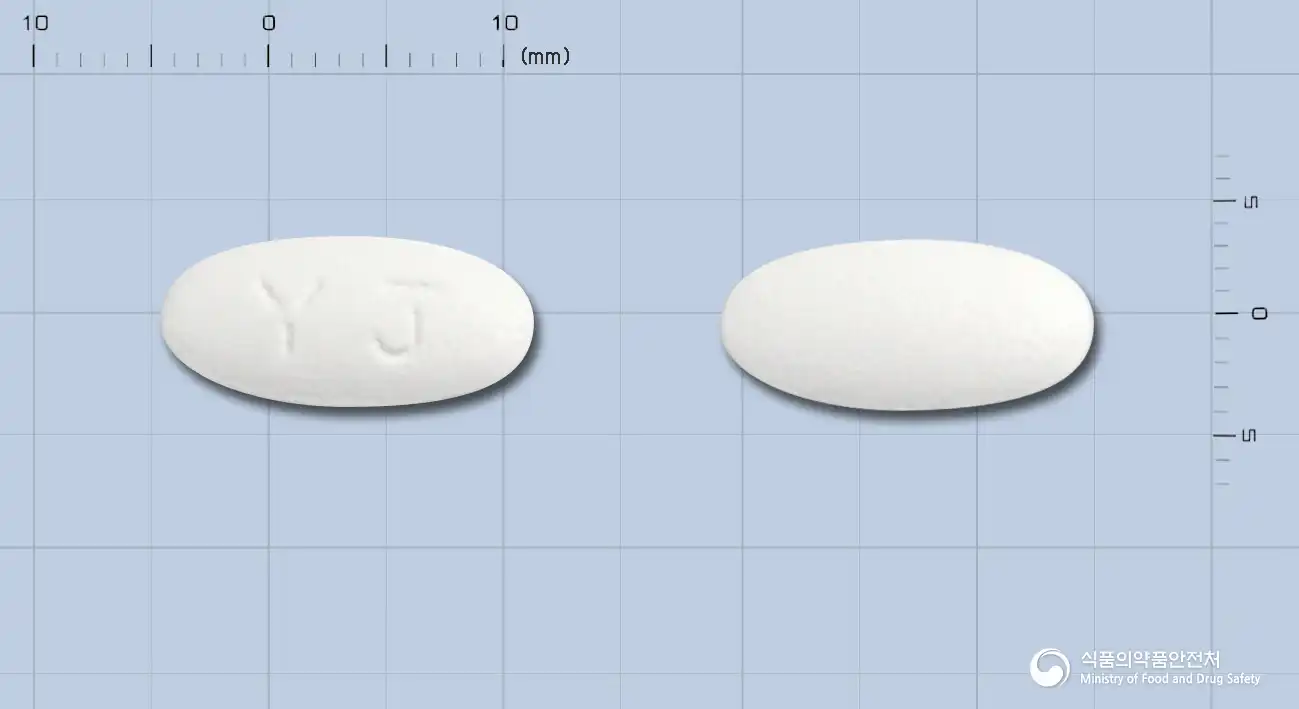 Combination
Amoxicillin Hydrate 250mg · Dilute Potassium Clavulanate 212.73mg
Tablet · Prescription medication · Combination
Youngjin Pharmaceutical Co., Ltd.
Even with the same ingredient, the dose and directions can differ by strength and dosage form. Talk to a doctor or pharmacist before switching from a medication you are already taking.
No questions yet.
For anything that needs medical judgment, consult a doctor or pharmacist.
This drug information is based on data provided by the Korea Ministry of Food and Drug Safety.
Consult a doctor or pharmacist for accurate dosage, administration, and usage instructions.