
 한국어
한국어 English
 日本語
日本語 中文(简体)
Dosage form image
Viewing nowBacrax Injection 500 mg (Acyclovir)
Acyclovir 500mg
Prescription medication
Aprogen Pharmaceuticals Co., Ltd.
MFDS item code 199700476 · Notified 1997.03.03 · Insurance code 645203971
Treatment of genital herpes and shingles (acute pain) and treatment of chickenpox, as well as preventive effects against viral infections
This medication is available in various forms and is primarily used for the treatment of viral infections. It is effective in treating and preventing infections caused by the herpes simplex virus that affect the skin and mucous membranes, particularly aiding in both primary and recurrent genital herpes. It is also used to treat infections caused by the varicella-zoster virus, effective in alleviating acute pain. It is used in the treatment of chickenpox in children over the age of 2, and is utilized for severe viral infections in both immunocompetent patients and those with compromised immune function. This drug aids not only in herpes simplex and varicella-zoster virus infections but also in the treatment of herpes simplex encephalitis. Therefore, it is widely used in the treatment of viral infections.
○ Adults 1. Treatment of herpes simplex virus infections - Administer 200 mg five times daily at 4-hour intervals for 5 days. - In cases of severe primary infection, treatment may be extended. - For severely immunocompromised patients or those with gastrointestinal absorption disorders, the dose may be increased to 400 mg per dose or given intravenously. 2. Prevention of herpes simplex infections in immunocompetent patients - Administer 200 mg four times daily every 6 hours,...
○ Children 1. Treatment of herpes simplex infections and prevention of herpes simplex infections in immunocompromised patients - Age 2 and above: equivalent to adult dosage. - Under 2 years: 1/2 the adult dosage. - For immunocompetent patients,...
This medication should not be used by patients who have had an allergic reaction to this medication or its components. Patients with impaired kidney function, compromised liver function, young children, and the elderly should use this medication with extra caution. When using this medication, severe allergic reactions or shock may occur rarely, so if symptoms such as low blood pressure, shortness of breath, or chest tightness appear, usage should be stopped immediately and healthcare professionals should be informed. Skin reactions such as rashes, hives, or severe dermatitis may occur, so use should be discontinued and medical advice sought if these symptoms appear. Neurological symptoms such as confusion, drowsiness, seizures, or hallucinations may manifest, especially in patients with poor kidney function or the elderly, and these symptoms may occur more frequently. It may put a strain on the kidneys, potentially resulting in urination abnormalities or increased kidney function values, thus regular check-ups are necessary. Liver function abnormalities or jaundice symptoms may occur, requiring careful monitoring of liver health. Gastrointestinal symptoms, including abdominal pain, nausea, vomiting, or constipation, may manifest, and if symptoms are severe, use should be discontinued. Adequate hydration is important when using this medication, especially when using high doses to prevent dehydration and reduce kidney toxicity by drinking plenty of water. Women who are pregnant or may become pregnant should carefully consider the risks and benefits of using this medication, and breastfeeding should be discontinued because this medication may be passed into breast milk. This medication may interact with other drugs, so patients taking other medications must inform their doctor or pharmacist. In case of overdose, neurological symptoms and kidney damage may occur, so if overdose is suspected, immediate medical attention is required, and treatments such as hemodialysis may be necessary. This medication is most effective when used as early as possible after symptom onset, and if symptoms do not improve or worsen during the treatment period, alternative treatment options should be considered.
Hives, severe swelling (edema), chest tightness, difficulty breathing, cold sweat, pallor, anaphylactic shock, anaphylactic-like reactions, severe allergic reactions, severe rash with high fever, blisters, skin peeling, pain of oral/ocular mucosa, Stevens-Johnson syndrome, toxic epidermal necrolysis (Lyell syndrome), shortness of breath, asthma attacks, respiratory issues accompanied by coughing and fever, yellowing of skin or eyes (jaundice)
Not everyone experiences these, and they can vary from person to person.
This medication should be stored in an airtight container to prevent exposure to air and should be kept at a temperature below 25 degrees Celsius. This storage method helps maintain the medication's efficacy for a longer period.
A vial containing a white powder
10 vials/case
Even with the same ingredient, strength, dosage form and how it is taken can differ.
Acyclovir 500mg
Prescription medication
Aprogen Pharmaceuticals Co., Ltd.
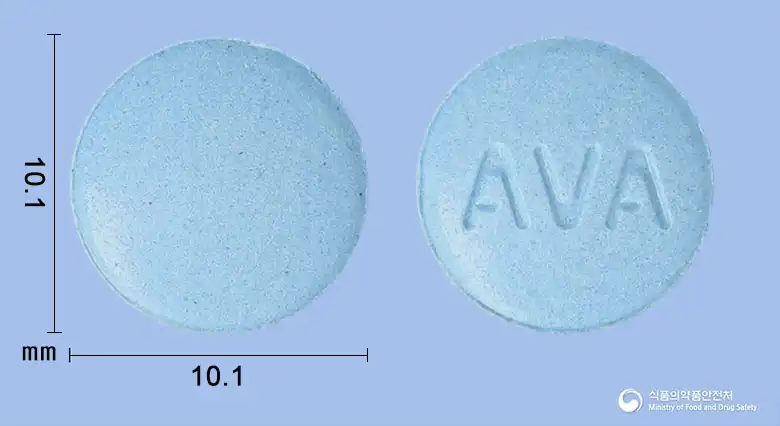
Acyclovir 200mg
Tablet · Prescription medication
Kyung dong Pharm Co., Ltd.

Acyclovir 200mg
Tablet · Prescription medication
SK Chemicals Co., Ltd.
Acyclovir
Prescription medication
Baskan Biopharmaceutical Co., Ltd.
Acyclovir 50mg
Cream · OTC medication
Dongkwang Pharmaceutical Co., Ltd.
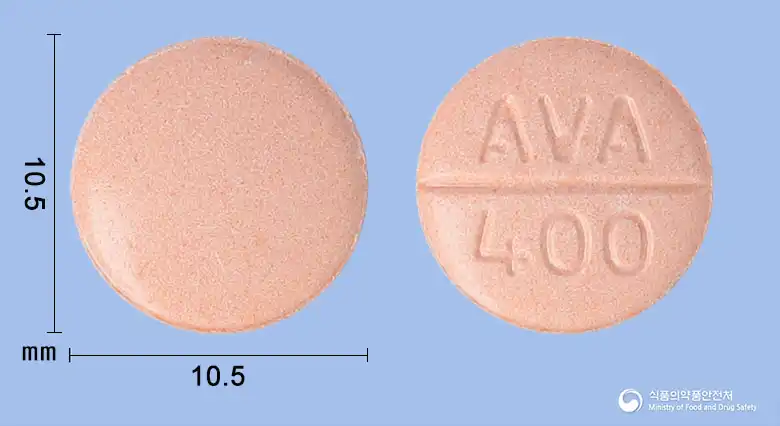
Acyclovir 400mg
Tablet · Prescription medication
Kyung dong Pharm Co., Ltd.
Acyclovir 50mg
Cream · OTC medication
Kyungdong Pharmaceutical Co., Ltd.
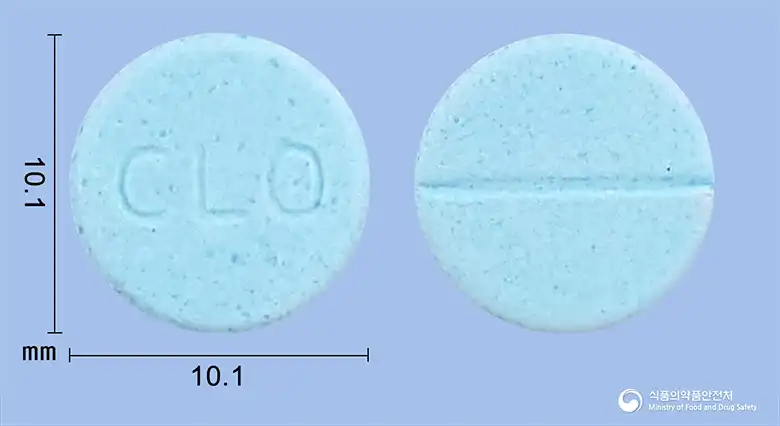
Acyclovir 200mg
Tablet · Prescription medication
Vivozon Pharmaceutical Co., Ltd.
Even with the same ingredient, the dose and directions can differ by strength and dosage form. Talk to a doctor or pharmacist before switching from a medication you are already taking.
No questions yet.
For anything that needs medical judgment, consult a doctor or pharmacist.
This drug information is based on data provided by the Korea Ministry of Food and Drug Safety.
Consult a doctor or pharmacist for accurate dosage, administration, and usage instructions.