
 한국어
 English
 日本語
 中文(简体)
 Viewing now
Posef Capsule (Cefixime Trihydrate)
Cefixime Hydrate 100mg
Hard capsule · Prescription medication
Jongkundang Co., Ltd.
MFDS item code 199700160 · Notified 1997.07.31 · Insurance code 643304030
Treatment of respiratory and otorhinolaryngological infections, scarlet fever, urinary tract infections, and biliary tract infections
This medication is effective against various harmful bacteria such as Streptococcus, Streptococcus pneumoniae, Neisseria gonorrhoeae, and Escherichia coli. It is primarily used for the treatment of bronchitis, pneumonia, and secondary infections of chronic respiratory diseases, and is also effective for pyelonephritis, cystitis, and gonococcal urethritis. Additionally, it is used for the treatment of cholecystitis, cholangitis, scarlet fever, otitis media, and sinusitis. This medication is aimed at treating various infectious diseases to aid in infection prevention and symptom improvement.
(Capsules) Administer 50~100mg (potency) of cefixime orally twice daily per dose. For severe cases or an inadequate response, administer 200mg (potency) per dose twice daily. Adjust the dose as appropriate according to age and symptoms.
(Capsules) Children weighing 30 Kg or more: Administer 50~100mg (potency) of cefixime orally twice daily. For severe infections or an inadequate response, administer 200mg (potency) twice daily. (Powder) Children: Administer 1.5~3mg (potency) of cefixime per Kg of body weight orally twice daily. For severe infections or an inadequate response, administer 6mg (potency) per Kg of body weight twice daily.
This medication should not be administered to certain patients. For instance, individuals who have experienced severe allergic reactions or shock due to this medication, patients with allergies to cephalosporin antibiotics, and those with genetic lactose metabolism disorders should not use it. Moreover, caution should be exercised in patients with a history of hypersensitivity to this medication or similar antibiotics, patients with allergies to penicillin antibiotics, asthma, or allergic tendencies, patients with severely impaired kidney function, those who have difficulty swallowing, and the elderly. When using this medication, severe allergic reactions or shock, rashes, hives, and difficulty breathing can occasionally occur; hence, if such symptoms appear, use should be immediately discontinued, and appropriate treatment should be sought. Gastrointestinal side effects may include diarrhea, abdominal pain, and vomiting; in severe cases, serious conditions like pseudomembranous colitis can occur, so if severe abdominal pain or diarrhea is experienced, medical personnel should be informed immediately. Respiratory issues, though rare, may include pneumonia or inflammation of the lungs, so symptoms like cough or difficulty breathing should be closely monitored. Blood-related side effects such as leukopenia, anemia, and thrombocytopenia may occur, and if any odd symptoms arise, administration should be halted. Additionally, liver dysfunction or kidney impairment may occur, necessitating regular check-ups; any abnormalities found should be immediately discussed with medical staff. This medication may induce vitamin K deficiency, increasing the risk of bleeding, so special attention should be paid, especially in the elderly or patients in poor general health. This medication can interact with other drugs; therefore, care is needed when used alongside warfarin, carbamazepine, and aminoglycoside antibiotics, due to possible nephrotoxic risks. Women who are pregnant or may become pregnant should use this medication only when the benefits outweigh the risks, as its safety has not been established; during the treatment period, it is advisable to avoid breastfeeding. It is preferable not to use this medication in newborns, premature infants, and infants under 6 months, as safety has not been confirmed. Elderly individuals may experience side effects more easily due to decreased bodily functions, so dosage adjustments and intervals should be carefully determined and patient conditions should be closely observed. This medication may affect test results, potentially leading to false-positive reactions in urine or blood tests, so care is necessary in interpreting test results. Lastly, to prevent the development of resistant bacteria, this medication should only be used for the minimum period necessary, and the suspension form should not be stored for more than 2 weeks after preparation.
Not everyone experiences these, and they can vary from person to person.
This medication should be stored in a tightly sealed container to prevent air or moisture from entering and should be kept at room temperature, avoiding direct sunlight. By storing it under proper temperature and conditions, the effectiveness of the medication can be maintained for a longer duration.
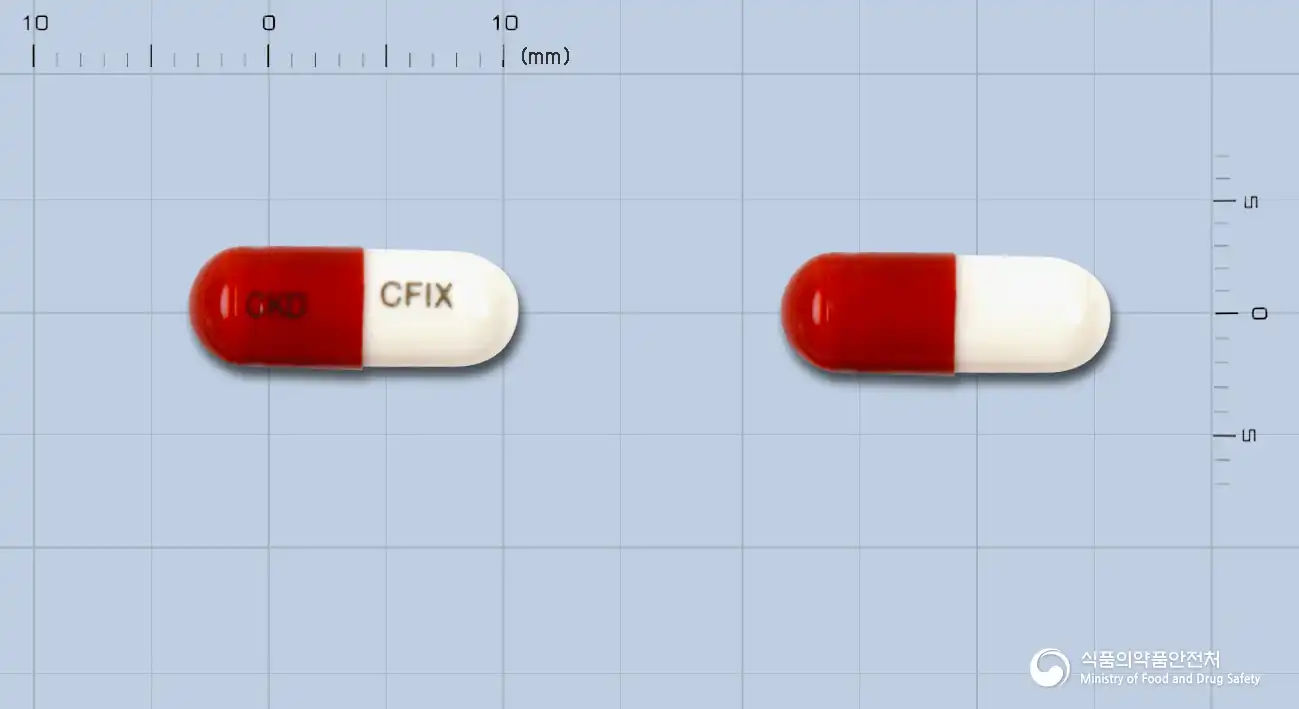
This medication is a capsule containing a white to light yellow crystalline powder with a red upper part and a white lower part.
Bottle - 30 capsules/bottle, Bottle - 100 capsules/bottle
Even with the same ingredient, strength, dosage form and how it is taken can differ.
Viewing nowCefixime Hydrate 100mg
Hard capsule · Prescription medication
Jongkundang Co., Ltd.
Cefixime Hydrate 50mg
Prescription medication
Dong-A ST Co., Ltd.
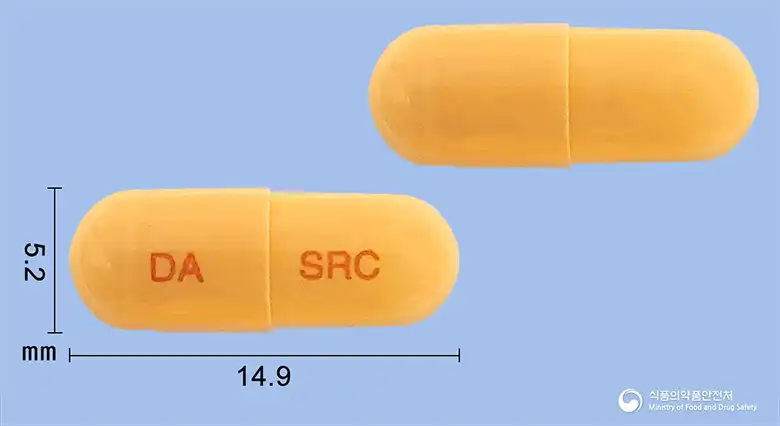
Cefixime Hydrate 100mg
Hard capsule · Prescription medication
Dong-A ST Co., Ltd.
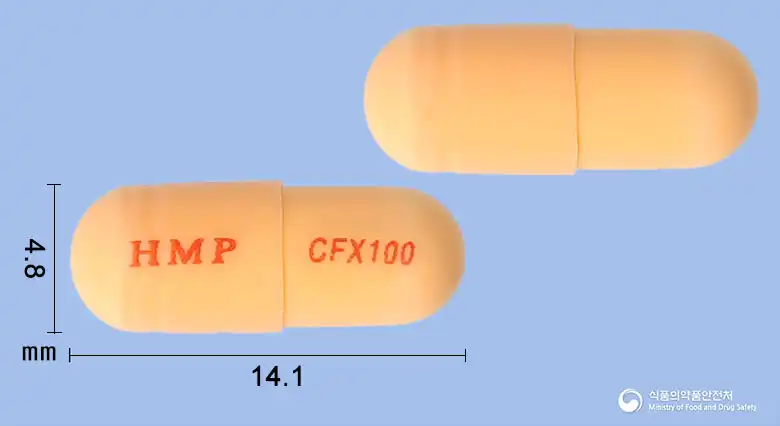
Cefixime Hydrate 100mg
Hard capsule · Prescription medication
Hanmi Pharmaceutical Co., Ltd.
Cefixime Hydrate 50mg
Prescription medication
Hanmi Pharmaceutical Co., Ltd.
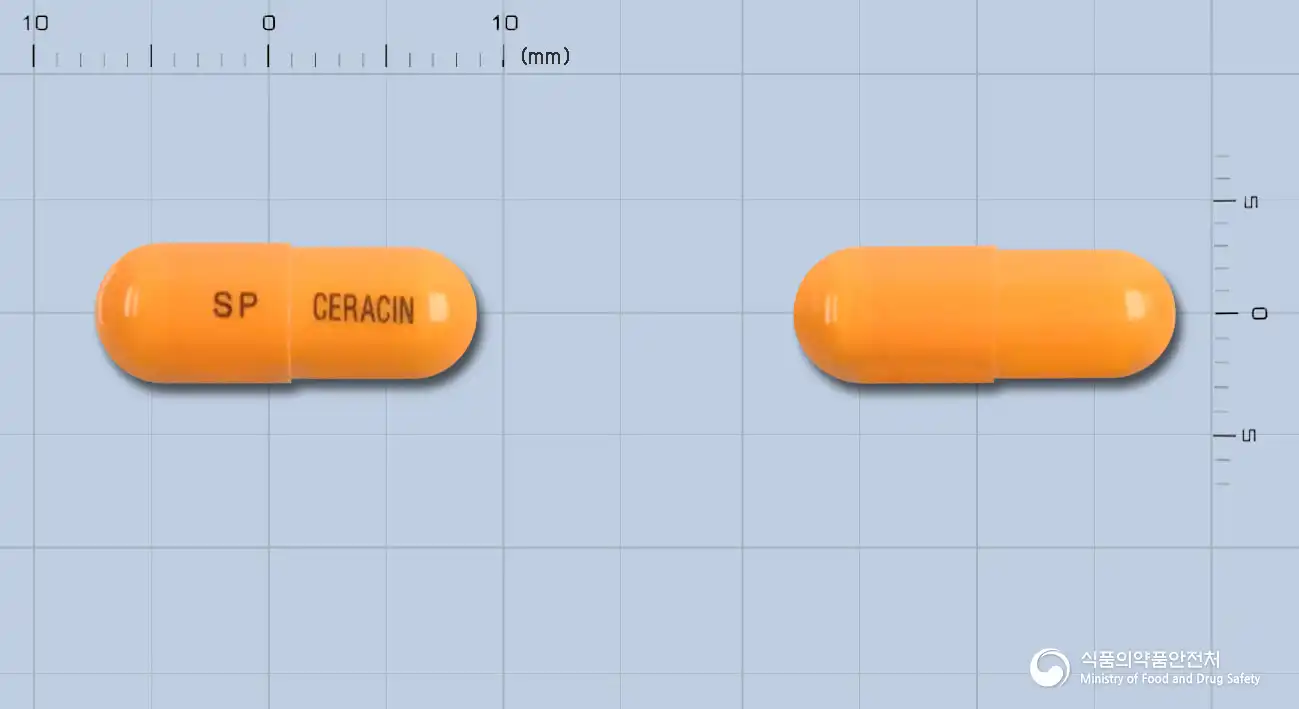
Cefixime Hydrate 100mg
Hard capsule · Prescription medication
Sinpoong Pharmaceutical Co., Ltd.
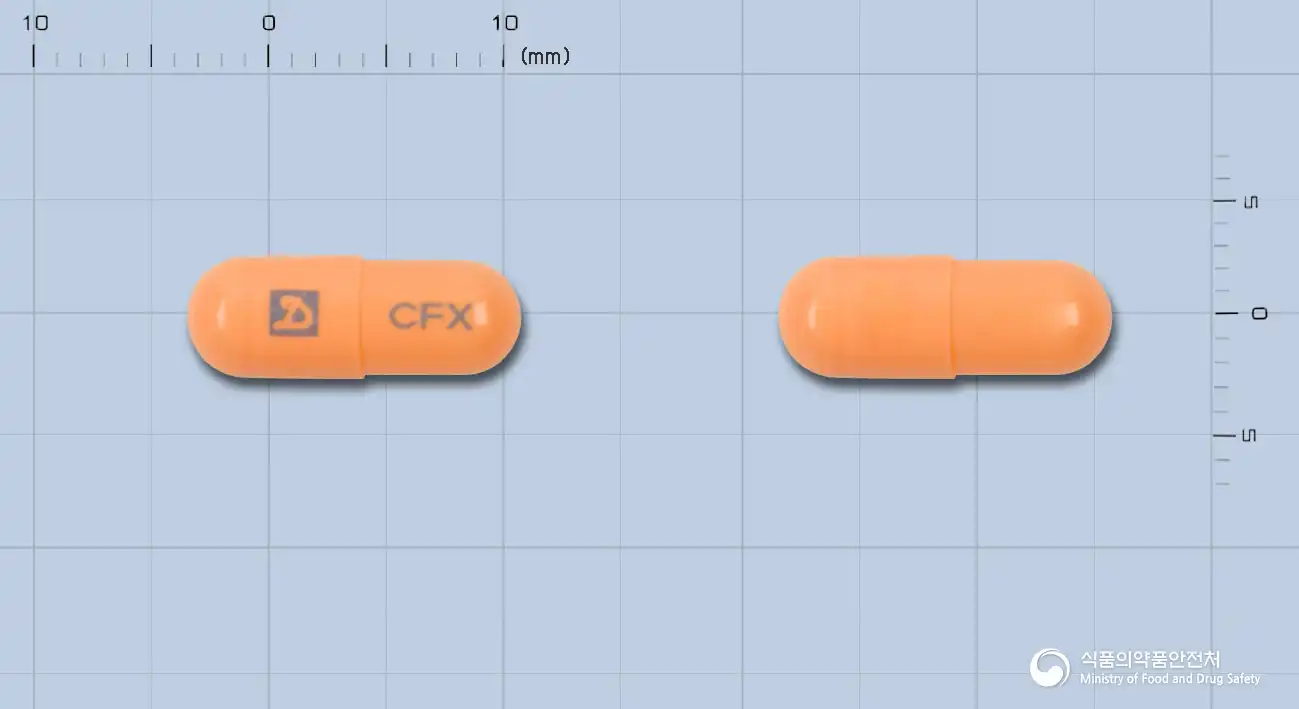
Cefixime Hydrate 100mg
Hard capsule · Prescription medication
Donggu Biopharmaceutical Co., Ltd.
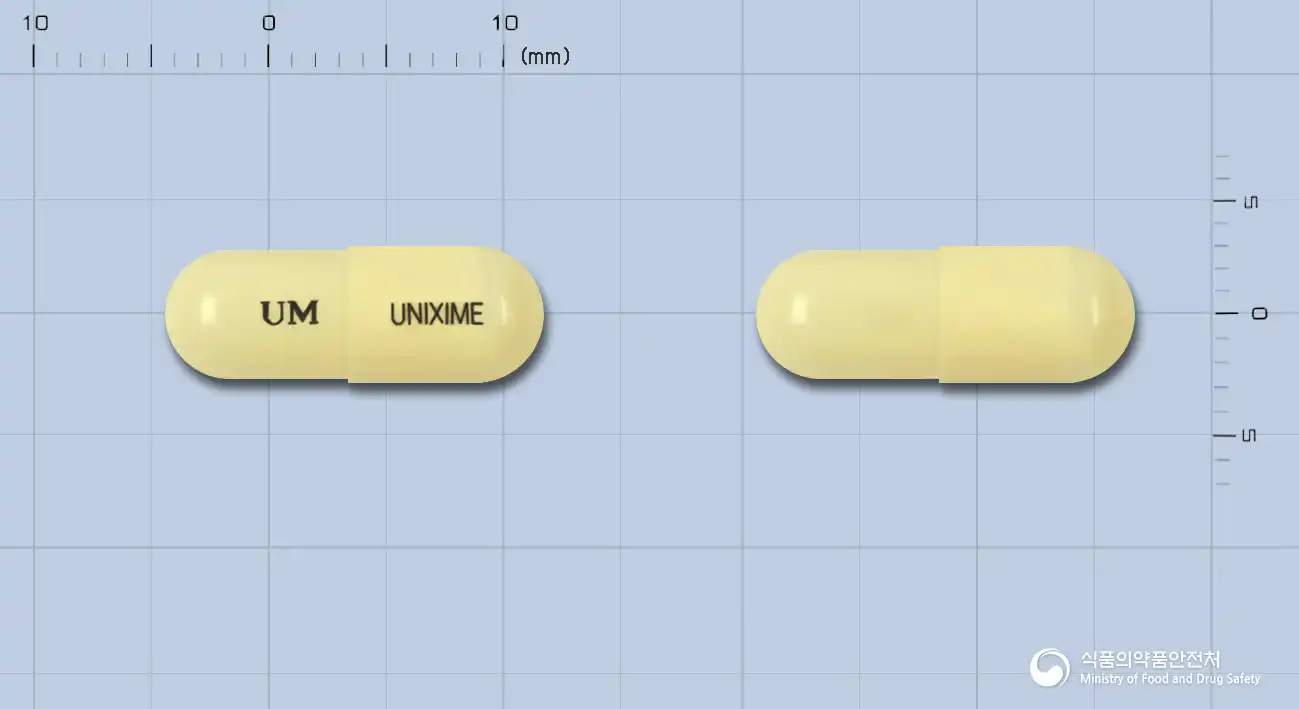
Cefixime Hydrate 100mg
Hard capsule · Prescription medication
Unimed Pharmaceutical Co., Ltd.
Even with the same ingredient, the dose and directions can differ by strength and dosage form. Talk to a doctor or pharmacist before switching from a medication you are already taking.
No questions yet.
For anything that needs medical judgment, consult a doctor or pharmacist.
This drug information is based on data provided by the Korea Ministry of Food and Drug Safety.
Consult a doctor or pharmacist for accurate dosage, administration, and usage instructions.