
 한국어
 English
 日本語
 中文(简体)
Dosage form image
Viewing nowSandimmun Neoral Oral Solution (Cyclosporine)
Cyclosporine 10g
Prescription medication
Novartis Korea Co., Ltd.
MFDS item code 199604696 · Notified 1996.10.12 · Insurance code 653600532
Prevention and treatment of transplant (organ and bone marrow) rejection and graft-versus-host disease; relief of nephrotic syndrome
This medication helps prevent rejection reactions in organ transplant patients who have received various organ transplants such as kidneys, liver, heart, and complex lung or pancreas transplants. It is also used to treat rejection reactions in patients already taking other immunosuppressants. For bone marrow transplant patients, this medication is effective for preventing graft rejection reactions and for preventing and treating graft-versus-host disease (GVHD). It can also be used in patients with nephrotic syndrome who are steroid-dependent or resistant and have some preserved kidney function to induce and maintain symptom relief. This medication can be utilized to prevent and treat rejection reactions in various transplant situations and improve symptoms of nephrotic syndrome.
1. Organ transplantation 1) Initial dose: 10 ∼ 15 mg/kg body weight/day, administered in 2 divided doses, starting 12 hours before surgery. 2) Maintenance dose: The same as the initial dose for 1 ∼ 2 weeks after surgery, then gradually reduced to 2 ∼ 6 mg/kg body weight/day in 2 divided doses. Reduce the dose according to blood levels. The total daily dose of this drug must always be administered in 2 divided doses. 3) Concomitant therapy: A lower dose (e.g., initial oral dose: 3 ∼ 6 mg/kg body weight/day in 2 divided doses) may be used with concomitant corticosteroid therapy or triple or quadruple immunosuppressive therapy. 2. Bone marrow transplantation 1) The first dose should be administered one day before surgery, preferably by intravenous injection (see Dosage and Administration for the injectable product). 2) Administer 12.5 ~ 15mg/kg body weight/day in 2 divided doses on the day before surgery. As a maintenance dose, administer approximately 12.5mg/kg body weight/day for 3 ~ 6 months (preferably 6 months) after transplantation before reducing the dose to 0 (zero) by 1 year after transplantation. 3) Patients with malabsorptive gastrointestinal disorders may require higher oral doses or intravenous administration. The total daily dose of this drug must be divided into 2 doses. 4) GVHD may occur after discontinuation of this drug, but generally responds well to re-administration. Use a low dose for the treatment of chronic, mild GVHD. 3. Nephrotic syndrome 1) To induce remission, adults are recommended to receive 5 mg/kg/day in 2 divided doses. However, in patients with renal function below the threshold, the initial dose should not exceed 2.5 mg/kg/day (peak serum creatinine: adults >200 μmol/L). 2) In patients who do not respond adequately to this drug (primarily those with steroid resistance), use it in combination with low-dose oral steroids. Discontinue this drug if no improvement is seen after 3 months. 3) Adjust the dose individually according to safety (primarily serum creatinine) and efficacy (proteinuria). 4) However, do not exceed 5mg/kg/ day in adults, and gradually reduce the dose to the minimum effective maintenance dose. 4. Switching from conventional oral cyclosporine to the microemulsion formulation 1) Because exposure may increase when switching from conventional oral cyclosporine to this drug, observe the following: Initially, administer this drug at the same dose as the conventional formulation. Monitor total blood trough concentrations for the first 4 ~ 7 days after switching, and clinical safety parameters such as serum creatinine and blood pressure for the first 2 months after switching. Adjust the dose accordingly if blood concentrations are outside the therapeutic range or if any safety parameter is abnormal. 2) Switching from one conventional oral cyclosporine product to another should be done under a physician's supervision and requires caution. Monitor after switching to the new product to ensure that blood cyclosporine concentrations return to their previous levels. 5. Precautions for administration 1) The total daily dose of this drug must always be administered in 2 divided doses. ☉ Safety information -Renal function monitoring This drug may cause renal impairment. A reliable blood creatinine level must be confirmed before treatment, based on at least 2 measurements. Measure blood creatinine and blood pressure weekly for the first 4 weeks and monthly thereafter; measure more frequently if the dose is increased. If the blood creatinine level during treatment with this drug exceeds 30% above baseline, reduce the dose of this drug by 25 ~ 50%. If the creatinine level exceeds 20 ~ 30% above baseline, repeat measurements to rule out a transient non-renal increase. If blood pressure is significantly above baseline, initiate appropriate antihypertensive therapy; if it does not normalize, reduce the dose of this drug or discontinue treatment. In patients with abnormal renal function at baseline, use an initial dose of 2.5mg/kg and monitor carefully. Do not administer this drug to adult patients with serum creatinine >200μmol/L. Since nephrotic syndrome itself involves renal dysfunction, changes in renal function caused by this drug may be difficult to detect. This is also why there are few reports of changes in renal structure caused by this drug. Therefore, renal biopsy should be considered in patients with steroid-dependent minimal change nephropathy who have received this drug for more than 1 year. - Patients with severe hepatic impairment require close monitoring of serum creatinine and dose adjustment if necessary.
3. Nephrotic syndrome 1) To induce remission, a total daily dose of 6 mg/kg in children is recommended, divided into 2 doses. However, in patients with renal function below the threshold, the initial dose should not exceed 2.5 mg/kg/day (peak serum creatinine: children >140 μmol/L). 4) However, the dose in children should not exceed 6mg/kg/day. Gradually reduce the dose to the minimum effective maintenance dose. Do not administer this drug to children with serum creatinine >140μmol/L. No problems have been reported in children aged 1 year or older receiving the standard dose, but there is very little experience with use of this drug in infants. Some pediatric studies have shown that children require more of this drug than adults and tolerate higher doses per kg of body weight better.
This medication should not be administered to patients with specific diseases. For example, it is unsafe to use in patients with kidney disease, psoriasis, atopic dermatitis, rheumatoid arthritis, uveitis, or some conditions in aplastic anemia patients. Likewise, patients with more than 50% kidney dysfunction, increased uric acid or hyperkalemia, patients under 18 years of age with rheumatoid arthritis, and pregnant or breastfeeding women should also avoid this medication. It is advised to refrain from using this medication simultaneously with certain drugs. Elderly patients and infants should be more cautious when using this medication, and the possibility of adverse reactions should be closely observed. This medication can cause various adverse reactions including kidney dysfunction, tremors, hirsutism, hypertension, gastrointestinal symptoms, etc. Adverse reactions usually appear depending on the dose, and reducing the dose may ameliorate severe symptoms. In transplant patients, adverse reactions may occur more frequently and can be more severe. Due to immunosuppressive effects, there may be an increased risk of infections, which can include viral, bacterial, fungal, and parasitic infections. Additionally, there is an increased risk of malignancy or lymphoma, so caution is warranted with long-term use. This medication can affect several organs, including blood, liver, kidneys, nervous system, skin, and musculoskeletal system; hence regular examinations are necessary. During treatment, blood pressure, blood lipids, and kidney and liver function should be consistently monitored, and dose adjustments should be made as needed. There are many drug interactions, so consult a doctor or pharmacist if there are any concomitant medications. Particular caution is required with medicines that may increase nephrotoxicity or affect the serum concentration of this medication. Pregnant or breastfeeding women should not use this medication and should also avoid it if planning for pregnancy. In case of overdose, kidney dysfunction may occur, so immediate medical attention is necessary for proper treatment. Store this medication out of reach of children and keep it in a sealed container at the designated temperature; after opening, it should be used within 2 months. Caution is needed when driving or operating machinery; activities should be restricted in case of unusual symptoms.
Kidney disorder, tremor, hirsutism, hypertension, diarrhea, loss of appetite, nausea, vomiting, anaphylactoid reactions, infection, leukopenia, anemia, thrombocytopenia, tubular dysplastic hemolytic anemia, hemolytic uremic syndrome, hyperlipidemia, hyperglycemia, hyperuricemia, hyperkalemia, hypomagnesemia, migraine, headache, recurrent seizures, sensory disturbances, convulsions, confusion, disorientation, reduced responsiveness, anxiety, insomnia, visual impairment, cortical visual loss, coma, incomplete paralysis, cerebellar ataxia, multifocal neuropathy, optic disc edema, optic nerve head swelling, flushing, upper abdominal discomfort, gingival hyperplasia, abdominal pain, peptic ulcer, pancreatitis, hepatotoxicity, abnormal liver function, hirsutism, acne, rash, allergic rash, muscle spasm, myalgia, muscle weakness, myopathy, menstrual disorders, gynecomastia, fatigue, fever, edema, weight gain, lymphoma, nasal bleeding, lymphadenopathy, blood coagulation disorders, gingivitis, toothache, gastritis, hiccups, gastric ulcer, bloating, rectal bleeding, stomatitis, gum bleeding, glossitis, salivary gland enlargement, dry mouth, dysphagia, esophagitis, gastroenteritis, abdominal distension, upper gastrointestinal bleeding, constipation, colitis, myocardial infarction, chest pain, heart failure, peripheral ischemia, cholestasis, hepatitis, liver failure, jaundice, elevated serum creatinine, elevated serum BUN, pyelonephritis, dysuria, frequent urination, polyuria, hematuria, elevated NPN, urethral infection, acute pancreatitis, hair loss, skin ulcer, abnormal pigmentation, angioedema, dermatitis, dry skin, eczema, nail disease, urticaria, hair breakage, keratosis, itching, paresthesia, generalized convulsion, delirium, drowsiness, somnolence, dizziness, paresthesia, anxiety, depression, decreased libido, increased libido, difficulty concentrating, neuroesthesia, brain disease, visual and motor dysfunction, partial loss of consciousness, reversible posterior leukoencephalopathy syndrome, hypertensive encephalopathy, loss of sense of direction, motor paralysis, insomnia, polyneuropathy, headache, ataxia, affective incontinence, extrapyramidal symptoms, altered consciousness, fluid overload, fever, pneumonia, sepsis, abscess, soft tissue infection, folliculitis, cytomegalovirus infection, wound and skin infections, renal abscess, moniliasis, tonsillitis, urinary tract infection, herpes simplex, herpes zoster, thrombotic microangiopathy, thrombotic thrombocytopenic purpura, visual impairment, hearing loss, tinnitus, cataract, conjunctivitis, eye pain, taste distortion, vestibular dysfunction, sinusitis, bronchitis, cough, dyspnea, pharyngitis, rhinitis, upper respiratory tract infection, bronchospasm, arthralgia, rigidity, fracture, bursitis, leg pain, muscle disorders, malaise, weakness, flushing, influenza-like syndrome, increased sweating, facial flushing, agitation, burning sensation in hands and feet, vaginal discharge, uterine bleeding, breast pain, diabetes, hypoglycemia, increased triglycerides, increased cholesterol, fluid retention, gout, dysmenorrhea, amenorrhea, muscle cramps, bleeding, malignant tumors, lymphoproliferative disease, brain disease, abnormalities in visual and motor functions, impaired perception, rhabdomyolysis, weakness, elevated creatine kinase, elevated serum myoglobin, cholestasis, jaundice, hepatitis, liver failure, melena, albuminuria, vaginal bleeding, pancytopenia, granulocytopenia, agranulocytosis, disseminated intravascular coagulation
Not everyone experiences these, and they can vary from person to person.
This medication may be sensitive to air or moisture, so it should be stored in a tightly sealed container. The storage temperature should be maintained between 15 to 30 degrees Celsius to prolong the effectiveness of the medication.
This medication is a clear liquid that is light yellow to light brown with a slight oil or alcohol odor, microemulsified oral solution.
50 milliliters/bottle
Even with the same ingredient, strength, dosage form and how it is taken can differ.
Cyclosporine 10g
Prescription medication
Novartis Korea Co., Ltd.
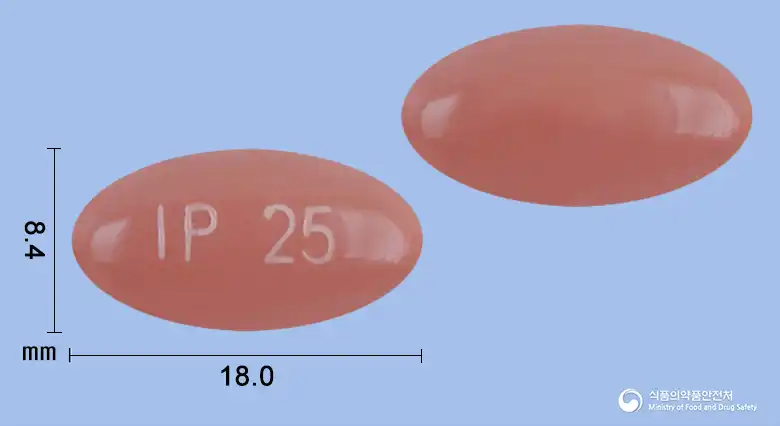
Cyclosporine 25mg
Soft capsule · Prescription medication
Hanmi Pharmaceutical Co., Ltd.
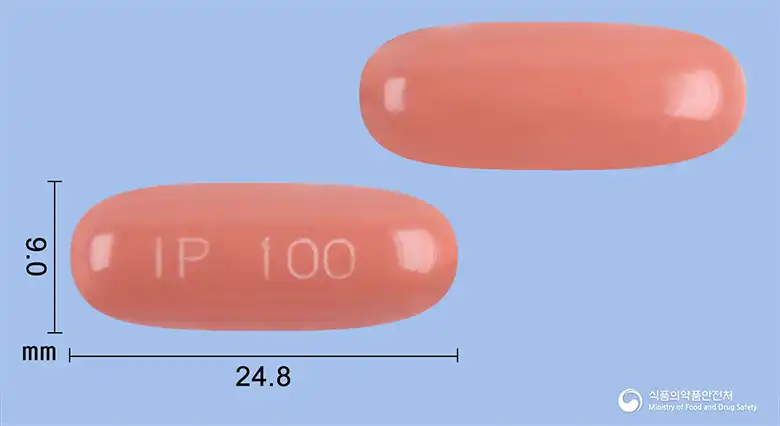
Cyclosporine 100mg
Soft capsule · Prescription medication
Hanmi Pharmaceutical Co., Ltd.
Cyclosporine 250mg
Injections · Prescription medication
Jongkundang Co., Ltd.
Cyclosporine 250mg
Injections · Prescription medication
Novartis Korea Co., Ltd.
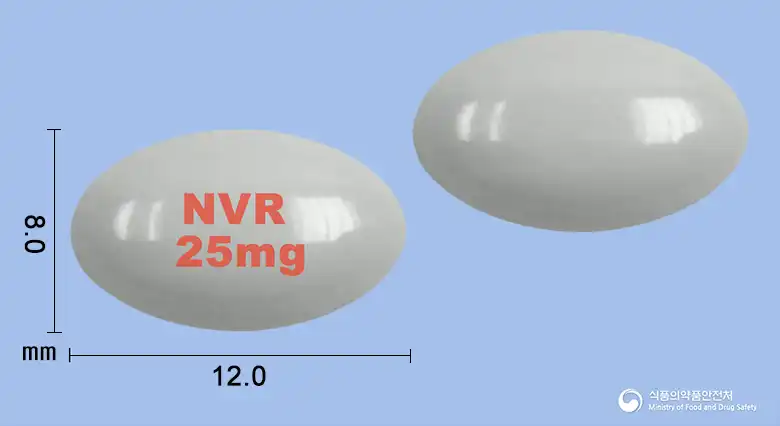
Cyclosporine 25mg
Soft capsule · Prescription medication
Novartis Korea Ltd.
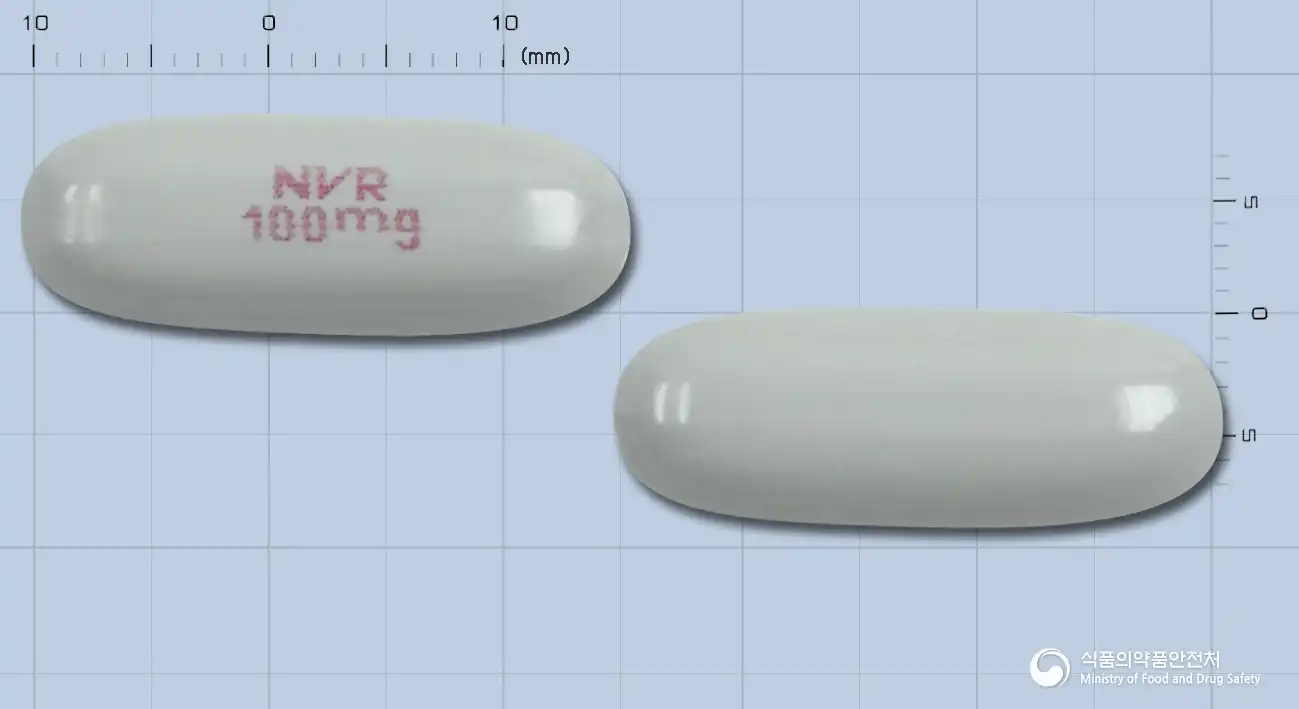
Cyclosporine 100mg
Soft capsule · Prescription medication
Novartis Korea Ltd.
Cyclosporine 0.5mg
Solution · Prescription medication
AbbVie Korea Co., Ltd.
Even with the same ingredient, the dose and directions can differ by strength and dosage form. Talk to a doctor or pharmacist before switching from a medication you are already taking.
No questions yet.
For anything that needs medical judgment, consult a doctor or pharmacist.
This drug information is based on data provided by the Korea Ministry of Food and Drug Safety.
Consult a doctor or pharmacist for accurate dosage, administration, and usage instructions.