
 한국어
 English
 日本語
 中文(简体)
 Viewing now
Ciprotan Tablet 500 mg (Ciprofloxacin Hydrochloride Hydrate)
Ciprofloxacin Hydrochloride Hydrate 582mg
Tablet · Prescription medication
Korea Nelson Pharmaceutical Co., Ltd.
MFDS item code 199602022 · Notified 1996.10.04 · Insurance code 656700980
Treatment of genitourinary, respiratory, ear, nose and throat, and other infections (skin, intestinal, eye, etc.)
This medication is used to treat various infections caused by different bacteria. It is effective for respiratory infections, excluding acute bronchitis, and for the treatment of community-acquired pneumonia. It is also used for infections of the ears, nose, and throat; bacterial prostatitis; urinary tract infections; gonococcal cervicitis and urethritis; and gastrointestinal infections. It aids in the treatment of bacterial infections in various areas, including skin, soft tissues, bones, joints, and gynecological infections, as well as peritonitis. However, it is generally recommended to use this medication only when no other treatment options are available for certain conditions. Overall, this medicine is very useful for treating various bacterial infections.
○ Adults usually take 250 ~ 500 mg of ciprofloxacin per dose, 2 times daily by mouth between meals. For severe complicated infections, the dose may be increased to 750 mg per dose, 2 times daily. Acute infections are usually treated for 5 ~ 10 days; continue treatment for at least 3 days after symptoms resolve. ○ Patients with renal impairment 1) Creatinine clearance > 50 mL/min: Administer the usual dose 2) 30 ~ 50 mL/mn: Administer 250 ~ 500 mg per dose, 2 times daily 3) 5 ~ 29 mL/min: Administer 250 ~ 500 mg every 18 hours 4) Patients receiving hemodialysis or peritoneal dialysis: Administer 250 ~ 500 mg per dose, once daily after dialysis 5) If only serum creatinine is known, creatinine clearance can be calculated using the following formula: Men: {weight (kg) × (140-age)}/ {72 × serum creatinine (mg/dL)} Women: 0.85 × the value calculated for men 6) For severe infections, the dose per administration may be increased to 750 mg even in patients with severe renal impairment; however, monitor the patient's condition carefully after administration. Adjust the dose as appropriate according to symptoms.
This medication can cause serious side effects such as tendinitis and tendon rupture, so if such symptoms occur, you should stop taking the medication immediately. This medication may worsen the symptoms in patients with myasthenia gravis, so it should not be used in patients with this medical history. It is safe not to use this medication in pregnant women, nursing mothers, and children and adolescents under 18 years of age. During the use of this medication, care should be taken to avoid strong sunlight or ultraviolet exposure, and if a rash or itching occurs, the use of the medication should be discontinued. It may affect the central nervous system, causing symptoms such as dizziness or seizures, so caution is advised. Since it can affect blood sugar control, diabetic patients should regularly check their blood sugar levels. There are many interactions with other medications, so if you are currently taking any other medications, you must inform your doctor or pharmacist. This medication should be used with particular caution in elderly patients with poor kidney function, and dosage adjustments may be necessary. If tendon pain, swelling, or muscle weakness occurs during use, you should consult an expert immediately. Overdose can impose a burden on the kidneys, so be sure to adhere strictly to the prescribed dosage and frequency. This medication should be stored out of reach of children and kept in a cool place away from direct sunlight.
Tendinitis, tendon rupture, peripheral neuropathy, central nervous system effects, exacerbation of myasthenia gravis, fungal superinfection, antibiotic-associated colitis, eosinophilia, thrombophlebitis, leukopenia, anemia, neutropenia, leukocytosis, thrombocytopenia, thrombocytosis, erythrocytopenia, hemoglobin decrease, decrease in hematocrit, granulocytopenia, leukolysis, hemolytic anemia, agranulocytosis, pancytopenia, bone marrow suppression, increase in INR value, syndrome of inappropriate antidiuretic hormone secretion, allergic reactions, allergic edema, angioedema, anaphylactic reaction, anaphylactic shock, serum sickness-like reaction, decreased appetite, reduced food intake, increased serum alkaline phosphatase, hyperglycemia, hypoglycemia, increased lipase, abnormal prothrombin levels, increased amylase, psychomotor hyperactivity, anxiety, confusion, disorientation, emotional lability, abnormal dreams, depression, hallucinations, psychotic reactions, toxic psychosis, headache, dizziness, sleep disorders, taste disorders, insomnia, sensory abnormalities, decreased sensation, loss of taste, tremors, convulsions, vertigo, mental confusion, seizures, drowsiness, migraine, coordination difficulties, olfactory disorders, anosmia, sensory hyperreactivity, increased intracranial pressure, ataxia, peripheral neuropathy, polyneuropathy, visual disturbances, color vision defects, diplopia, tinnitus, hearing loss, transient hearing loss, auditory damage, tachycardia, vasodilation, hypotension, syncope, vasculitis, QT prolongation, ventricular tachycardia, Torsades de Pointes, dyspnea, laryngeal edema, nausea, diarrhea, anorexia, gastric discomfort, vomiting, gastrointestinal and abdominal pain, abdominal bloating, indigestion, colitis with blood in stool, stomatitis, oral candidiasis, gastrointestinal candidiasis, pancreatitis, abnormal liver function tests, increased bilirubin, liver dysfunction, jaundice, hepatitis, cholestatic jaundice, liver necrosis, rash, itching, urticaria, photosensitivity, vesicles, petechiae, erythema multiforme, fixed drug eruption, acute generalized exanthematous pustulosis, arthralgia, musculoskeletal pain, myalgia, arthritis, increased muscle tone and spasms, joint swelling, muscular weakness, partial or complete tendon rupture, renal dysfunction, increased serum creatinine, acute renal failure, hematuria, crystalluria, interstitial nephritis, vulvovaginal candidiasis, unidentifiable pain, discomfort, fever, asthenia, edema, sweating, gait abnormalities, maculopapular rash, purpura, injection site rash, injection site itching, injection site urticaria, shock, myalgia, weakness, increased creatine kinase, elevated serum and urinary myoglobin, rhabdomyolysis, cough, abnormal chest X-ray findings, eosinophilia, interstitial pneumonia, visual impairment, aortic aneurysm, aortic dissection, valvular regurgitation, valvular insufficiency
Not everyone experiences these, and they can vary from person to person.
This medication should be stored in a sealed container to prevent air or moisture from entering. This way, the efficacy of the medication can be maintained for a longer period and deterioration can be prevented.
White oblong film-coated tablet
500 tablets/bottle, 100 tablets/bottle, 30 tablets/bottle
Even with the same ingredient, strength, dosage form and how it is taken can differ.
Viewing nowCiprofloxacin Hydrochloride Hydrate 582mg
Tablet · Prescription medication
Korea Nelson Pharmaceutical Co., Ltd.
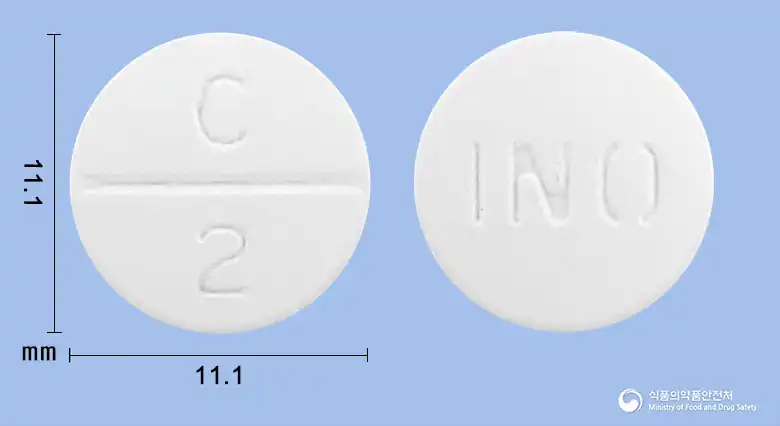
Ciprofloxacin Hydrochloride 291.5mg
Tablet · Prescription medication
HK inno.N Co., Ltd.
Ciprofloxacin Hydrochloride
Prescription medication
Dongkwang Pharmaceutical Co., Ltd.

Ciprofloxacin Hydrochloride 291mg
Tablet · Prescription medication
Il Dong Pharmaceutical Co., Ltd.

Ciprofloxacin Hydrochloride 582mg
Tablet · Prescription medication
Il Dong Pharmaceutical Co., Ltd.

Ciprofloxacin Hydrochloride Hydrate 291mg
Tablet · Prescription medication
Korea United Pharm, Inc.
Ciprofloxacin Hydrochloride Hydrate 291mg
Tablet · Prescription medication
SK Chemicals Co., Ltd.

Ciprofloxacin Hydrochloride Hydrate 291mg
Tablet · Prescription medication
Donghwa Pharmaceutical Co., Ltd.
Even with the same ingredient, the dose and directions can differ by strength and dosage form. Talk to a doctor or pharmacist before switching from a medication you are already taking.
No questions yet.
For anything that needs medical judgment, consult a doctor or pharmacist.
This drug information is based on data provided by the Korea Ministry of Food and Drug Safety.
Consult a doctor or pharmacist for accurate dosage, administration, and usage instructions.