
 한국어
 English
 日本語
 中文(简体)
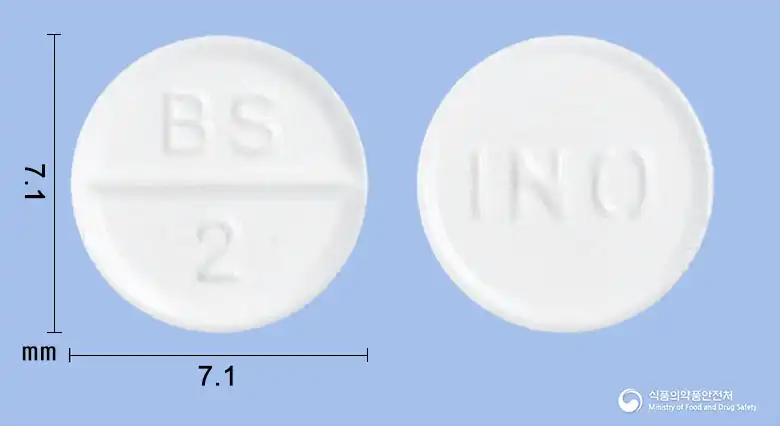 Viewing now
Baysun Tablet 0.2 mg (Boglibose)
Voglibose 0.2mg
Tablet · Prescription medication
HK inno.N Co., Ltd.
MFDS item code 199501072 · Approved 1995.11.17 · Insurance code 640000520
Improvement of postprandial hyperglycemia in diabetes mellitus
This medication is used for patients with diabetes who do not achieve sufficient improvement in postprandial hyperglycemia despite dietary management and exercise therapy. It is also used to effectively manage postprandial hyperglycemia in patients who struggle to control their blood sugar levels despite treatment with oral hypoglycemic agents or insulin. It helps stabilize blood sugar fluctuations and improves diabetes management.
Since efficacy and tolerability vary from patient to patient, the physician must determine the dose according to the patient's condition. The usual dosage is as follows. Adults are generally administered 0.2mg of voglibose per dose orally 3 times daily before each meal. If the effect is inadequate, the dose per administration may be increased to 0.3mg while carefully monitoring the patient's progress.
This medication should not be administered to patients with severe ketoacidosis, diabetic coma, or pre-coma conditions, as these patients require fluid and insulin therapy. It should also not be given to patients with severe infections, before and after surgery, or those with severe trauma; insulin therapy is necessary in these cases. Patients with a history of hypersensitivity to the components of this medication should also not be treated with it. Chronic gastrointestinal disease patients with digestion and absorption disorders should be administered this medication cautiously, and attention is required, as the patient's condition may worsen. Patients who may increase intestinal gas leading to worsened symptoms, such as those with history of open abdominal surgery, bowel obstruction, Roemheld syndrome, severe hernias, colon stricture, or ulcers should be treated with caution as well. Patients with severely impaired liver or kidney function may have altered metabolic function affecting blood sugar control, so caution is necessary. Older adults may have decreased physiological function, so treatment should begin at low doses while monitoring progress with caution. Patients taking other hypoglycemic agents may experience a risk of hypoglycemia, so treatment should start at low doses, and close observation for hypoglycemic symptoms is necessary. Since this medication delays the digestion and absorption of disaccharides, if hypoglycemic symptoms occur, glucose should be administered instead of sugar, and in severe cases, intravenous infusion or glucagon injections may be required. Symptoms such as abdominal bloating or increased flatulence may occur, and serious symptoms such as bowel obstruction may arise from increased intestinal gas, so treatment should be discontinued if these symptoms appear. Liver dysfunction, acute hepatitis, or jaundice symptoms may occur, so liver function should be monitored periodically, and treatment should be stopped if abnormalities are detected. In patients with severe liver cirrhosis, constipation may worsen hyperammonemia and lead to altered consciousness; therefore, bowel habits should be closely monitored. Gastrointestinal side effects may include diarrhea, abdominal pain, nausea, vomiting, and loss of appetite, and hypersensitive reactions such as skin rash, itching, and photosensitivity may also occur. Increases in liver enzyme levels, headaches, dizziness, drowsiness, anemia, and thrombocytopenia have been reported, so patients should consult their physician if any abnormal symptoms appear. It is only for use in patients diagnosed with diabetes, and treatment should be considered when blood sugar control is difficult through dietary management and exercise therapy alone. During treatment with this medication, regular blood sugar checks should be performed to closely monitor treatment effects and side effects. Women who are pregnant or may become pregnant should only be treated if the therapeutic benefit outweighs the risks, as the safety of this medication has not been established. Women who are breastfeeding should ideally avoid this medication. The safety of this medication in children has not been established, and there is no clinical experience in this age group. This medication may interact with other drugs, particularly those that enhance or weaken its hypoglycemic effect, so caution is needed when taking them together. Patients should have a thorough understanding of hypoglycemic symptoms and countermeasures during treatment, and should take immediate and appropriate action if hypoglycemia is suspected.
Not everyone experiences these, and they can vary from person to person.
This medication should be stored in a tightly closed container to protect it from air and moisture, and it is safe to store it at room temperature between 1°C and 30°C. Proper storage helps maintain the medication's effectiveness and prevents deterioration.
White to yellowish-white tablets
90 tablets/PTP (10 tablets/PTP x 9), 300 tablets/bottle
Even with the same ingredient, strength, dosage form and how it is taken can differ.
Viewing nowVoglibose 0.2mg
Tablet · Prescription medication
HK inno.N Co., Ltd.
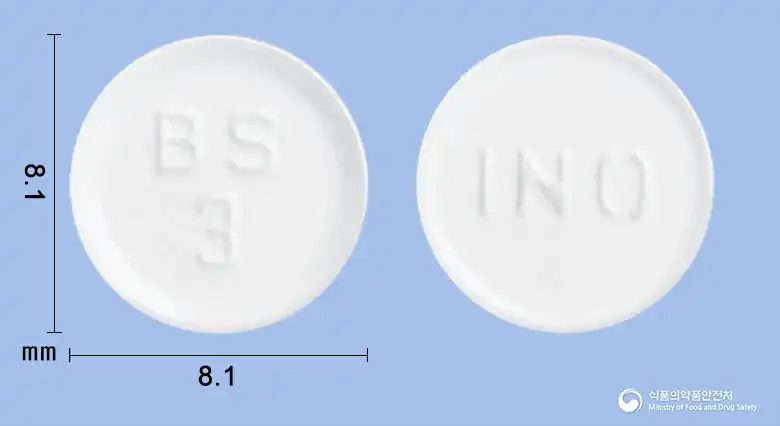
Voglibose 0.3mg
Tablet · Prescription medication
HK inno.N Co., Ltd.
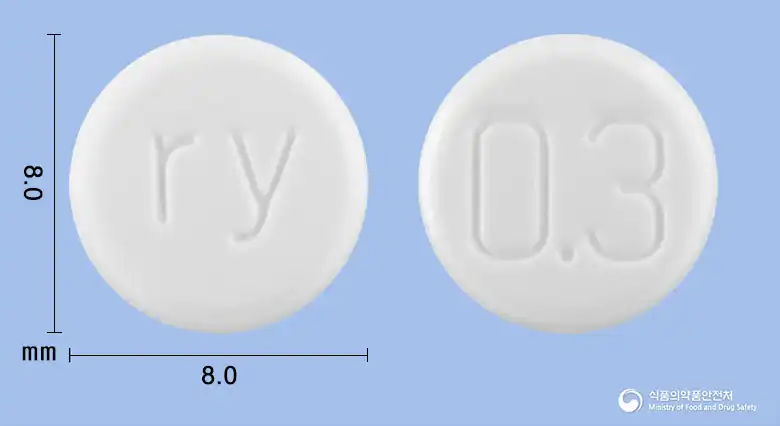
Voglibose 0.3mg
Tablet · Prescription medication
IYON Pharmaceutical Co., Ltd.
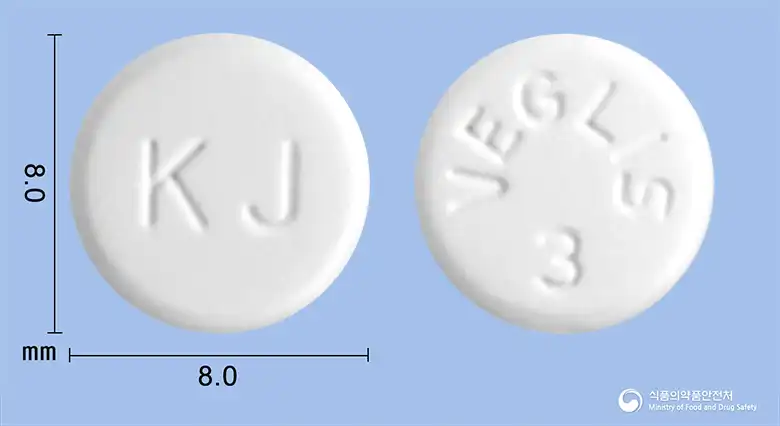
Voglibose 0.3mg
Tablet · Prescription medication
Kukje Pharmaceutical Co., Ltd.
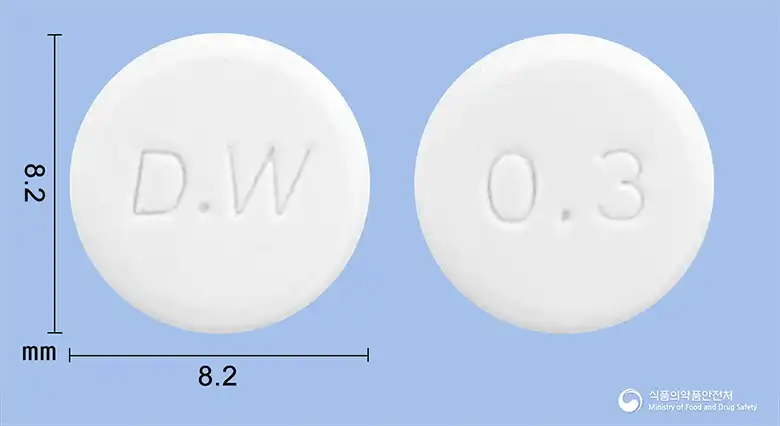
Voglibose 0.3mg
Tablet · Prescription medication
Daewong Pharmaceutical Co., Ltd.
Voglibose
Prescription medication
Daehwa Pharmaceutical Co., Ltd.
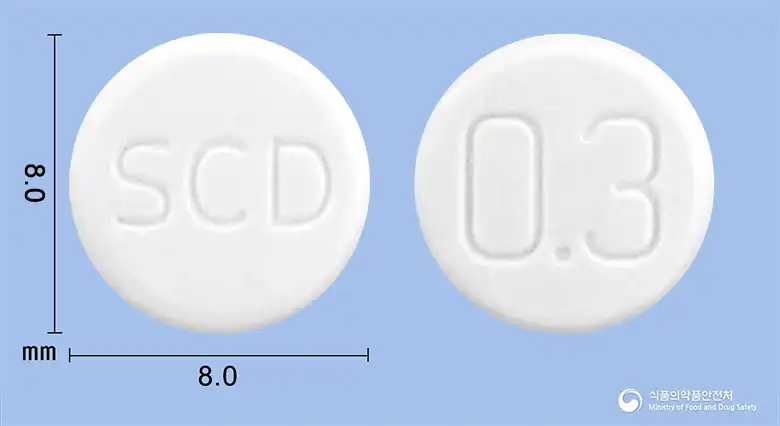
Voglibose 0.3mg
Tablet · Prescription medication
SamchunDang Pharmaceutical Co., Ltd.
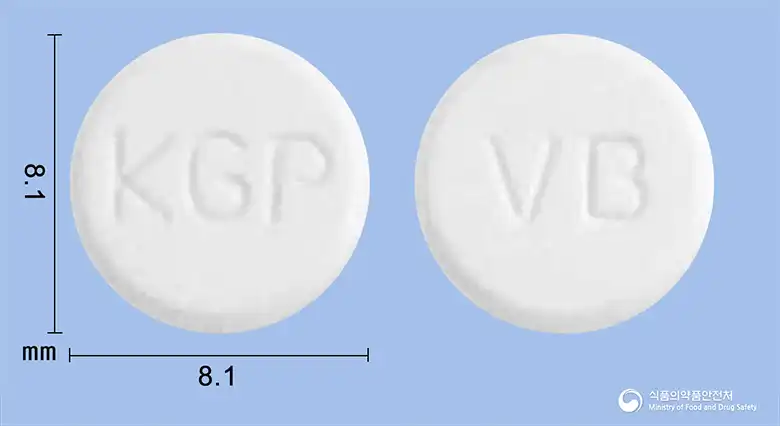
Voglibose 0.3mg
Tablet · Prescription medication
Kips Biopharma Co., Ltd.
Even with the same ingredient, the dose and directions can differ by strength and dosage form. Talk to a doctor or pharmacist before switching from a medication you are already taking.
No questions yet.
For anything that needs medical judgment, consult a doctor or pharmacist.
This drug information is based on data provided by the Korea Ministry of Food and Drug Safety.
Consult a doctor or pharmacist for accurate dosage, administration, and usage instructions.