
 한국어
 English
 日本語
 中文(简体)
Dosage form image
Viewing nowStomol Injection 1 mg/mL (Morphine Sulfate Hydrate)
Morphine Sulfate Hydrate 1mg
Injections · Prescription medication
Myungmoon Pharmaceutical Co., Ltd.
MFDS item code 199403304 · Approved 1994.11.04 · Insurance code 649803881,649803891
Relief of pain that does not respond to non-opioid analgesics
This injection is available in doses of 0.5 mg/mL and 1 mg/mL and is administered intravenously, epidurally, or intrathecally as a narcotic analgesic. It is used to relieve pain that is ineffective with non-narcotic analgesics. Administration via epidural or intrathecal routes provides long-term pain relief while maintaining motor, sensory, and sympathetic functions, significantly reducing patient discomfort. This medication is particularly useful for controlling complex and severe pain and contributes to the safe management of pain. Therefore, this medication is used as an effective treatment for severe pain relief.
This drug is administered intravenously, epidurally, or intrathecally. [Intravenous administration] The initial dose is 2∼10 mg per 70 kg of body weight. Administer to elderly patients with extreme caution. [Epidural administration] An initial dose of 5 mg injected into the lumbar region may provide satisfactory pain relief for up to 24 hours. If adequate pain relief does not occur within 1 hour, an additional 1∼2 mg may be administered cautiously at an appropriate interval to allow assessment of the effect. Do not administer more than 10 mg over 24 hours. When administered into the thoracic region, the early and delayed onset of respiratory depression increases markedly, even at doses of 1∼2 mg. For continuous infusion, the initial dose is 2∼4 mg over 24 hours. If adequate pain relief is not achieved with the initial dose, an additional 1∼2 mg may be administered. Administer to elderly patients with caution. [Intrathecal administration] The usual intrathecal dose is 1/10 of the epidural dose. A single injection of 0.2∼1 mg may provide satisfactory pain relief for up to 24 hours (equivalent to 0.4∼2 mL of the 0.05 % formulation or 0.2∼1 mL of the 0.1 % formulation). Do not inject more than 2 mL of the 0.05 % formulation or 1 mL of the 0.1 % formulation intrathecally. Administer only into the lumbar region; repeated intrathecal administration is not recommended. To reduce the incidence of potential adverse reactions, naloxone may be administered by intravenous infusion at 0.6 mg per hour after this drug has been administered for 24 hours. Administer to elderly patients with extreme caution; a lower dose is usually sufficient. If pain recurs, consider administering morphine by another route because experience with repeated intrathecal administration is limited.
There is no information on administration to patients under 18 years of age. There is no information on administration to children. There is no information on administration to children.
Severe side effects may occur when this medication is administered epidurally or intrathecally; therefore, the patient must be admitted to a hospital capable of emergency care for at least 24 hours following the first administration to monitor their condition. When using the ampoule injection, care must be taken to cut it carefully to avoid glass fragments. Special caution is especially required when using it in children or the elderly. Simultaneous use with narcotics, benzodiazepines, or alcohol may lead to serious side effects such as respiratory depression or coma, so it should only be administered in minimal doses for a short period when absolutely necessary, and the patient should be closely monitored. This medication should not be administered to certain patients, for instance, intravenous administration is prohibited for those with allergies to opiate drugs, patients experiencing ongoing asthma attacks, and those with severe respiratory depression. Additionally, patients with infections at the injection site or those taking anticoagulants, as well as patients prone to bleeding, should avoid epidural or intrathecal administration. Elderly or frail patients, those with head injuries, and patients with liver or kidney function impairment should be administered this drug cautiously, as there is an increased risk of respiratory depression or convulsions. This medication can lead to drug dependence with prolonged use, and withdrawal symptoms can arise after discontinuation, so it is important to taper the dosage gradually. Immediate appropriate emergency treatment must be sought if respiratory depression symptoms appear, and rapid administration should be avoided. This drug can cause a variety of side effects, including constipation, nausea, vomiting, skin itching, urinary retention, among others, thus it is crucial to communicate and manage these symptoms effectively with the patient. Women who are pregnant or nursing should carefully consider the risks and benefits of administering this medication, and especially during labor, preparations should be made to prevent respiratory depression in the newborn. Safety in pediatric patients has not been established, so it is advisable to avoid use in this population. Elderly patients are at higher risk of respiratory depression, so treatment should begin at a low dose and be administered cautiously. In cases of overdose, symptoms such as respiratory depression, decreased consciousness, and heart issues may occur; immediate emergency treatment should be sought, and naloxone and respiratory support may be required if necessary. Before administration, verify the injection solution for discoloration or precipitation, and when administering intravenously, do so slowly to prevent side effects such as chest wall rigidity. This medication may interact with various other drugs, so when used in combination with other central nervous system depressants or narcotic analgesics, dosage adjustments and patient monitoring are required.
yawning, sneezing, excess tearing, sweating, nausea, vomiting, diarrhea, abdominal pain, pupillary dilation, headache, insomnia, anxiety, hallucinations, seizures, tremors, muscle and joint pain throughout the body, breathlessness, palpitations, difficulty breathing, slow breathing, irregular breathing, apnea, head injury, increased intracranial pressure, low blood pressure, shock, lower limb muscle spasms, cramps, discomfort, anxiety, toxic psychosis, dissociative euphoria, confusion, headache, colicky pain, hypersensitivity to pain, sweating, constipation, biliary colic, dry mouth, pancreatitis, spasm of the Oddi sphincter, urinary retention, sepsis, oliguria, itching, acute generalized pustular rash, urticaria, localized tissue irritation response, central sleep apnea syndrome, cough reflex suppression, decreased libido, menstrual irregularities, amenorrhea, thermoregulation disorder, intestinal obstruction, unresponsiveness, coma, skeletal muscle relaxation, cold skin, miosis, bradycardia, hypotension, apnea, cardiovascular collapse, cardiac arrest, death, aspiration pneumonia, severe hypotension, bradycardia, asystole, chest wall rigidity
Not everyone experiences these, and they can vary from person to person.
This medication is sensitive to light and should be stored in a container that does not allow light to enter. Additionally, it is important to store the medication at a cool temperature between 15 and 30 degrees Celsius to maintain its effectiveness.
A brown transparent ampoule injection containing a colorless transparent liquid
1 ampoule (5 mL) x 10
Even with the same ingredient, strength, dosage form and how it is taken can differ.
Morphine Sulfate Hydrate 1mg
Injections · Prescription medication
Myungmoon Pharmaceutical Co., Ltd.
Morphine Sulfate Hydrate
Prescription medication
Hana Pharmaceutical Co., Ltd.
Morphine Sulfate Hydrate 1mg
Injections · Prescription medication
Hana Pharmaceutical Co., Ltd.

Morphine Sulfate Hydrate 10mg
Tablet · Prescription medication
Hana Pharmaceutical Co., Ltd.
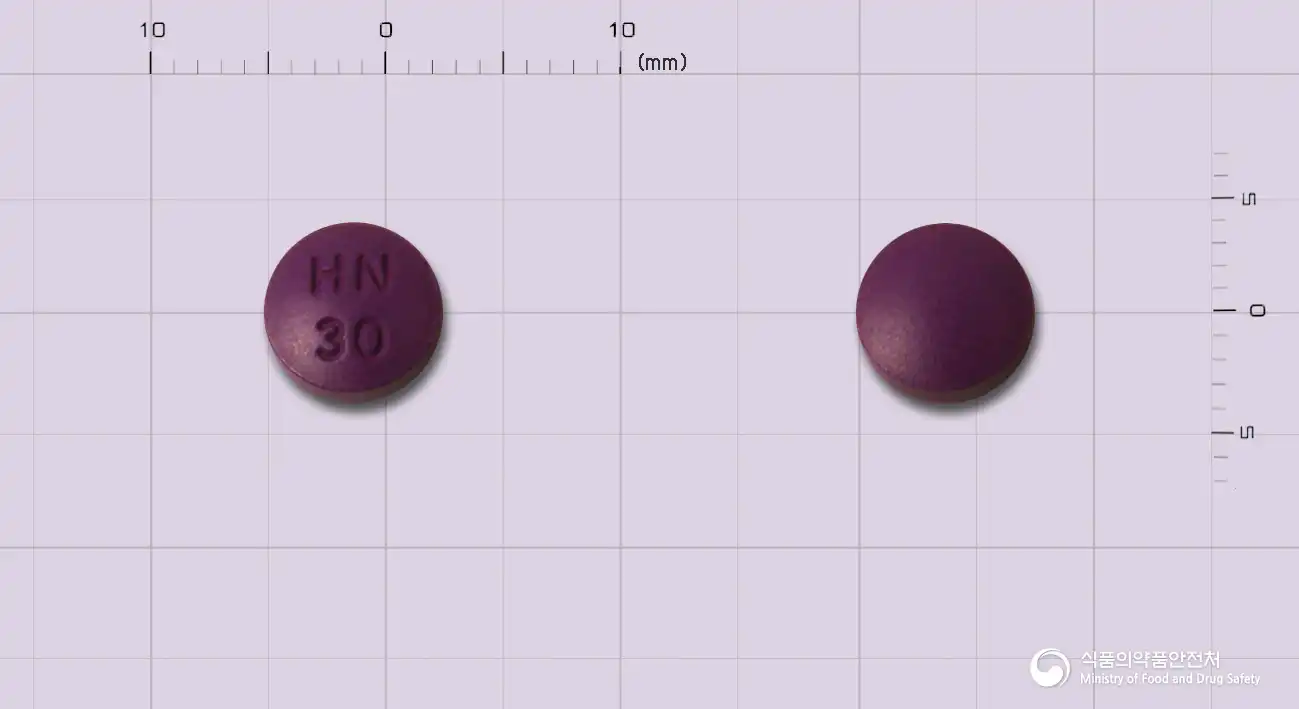
Morphine Sulfate Hydrate 30mg
Tablet · Prescription medication
Hana Pharmaceutical Co., Ltd.
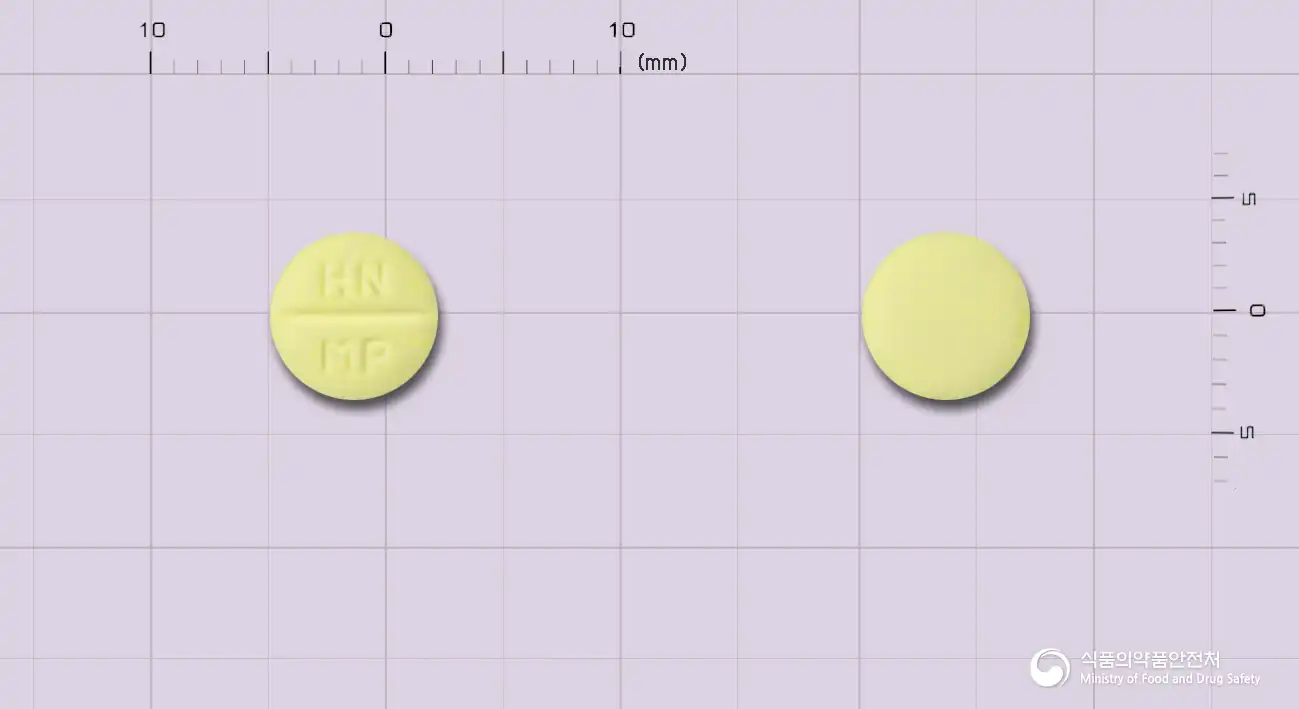
Morphine Sulfate Hydrate 15mg
Tablet · Prescription medication
Hana Pharmaceutical Co., Ltd.
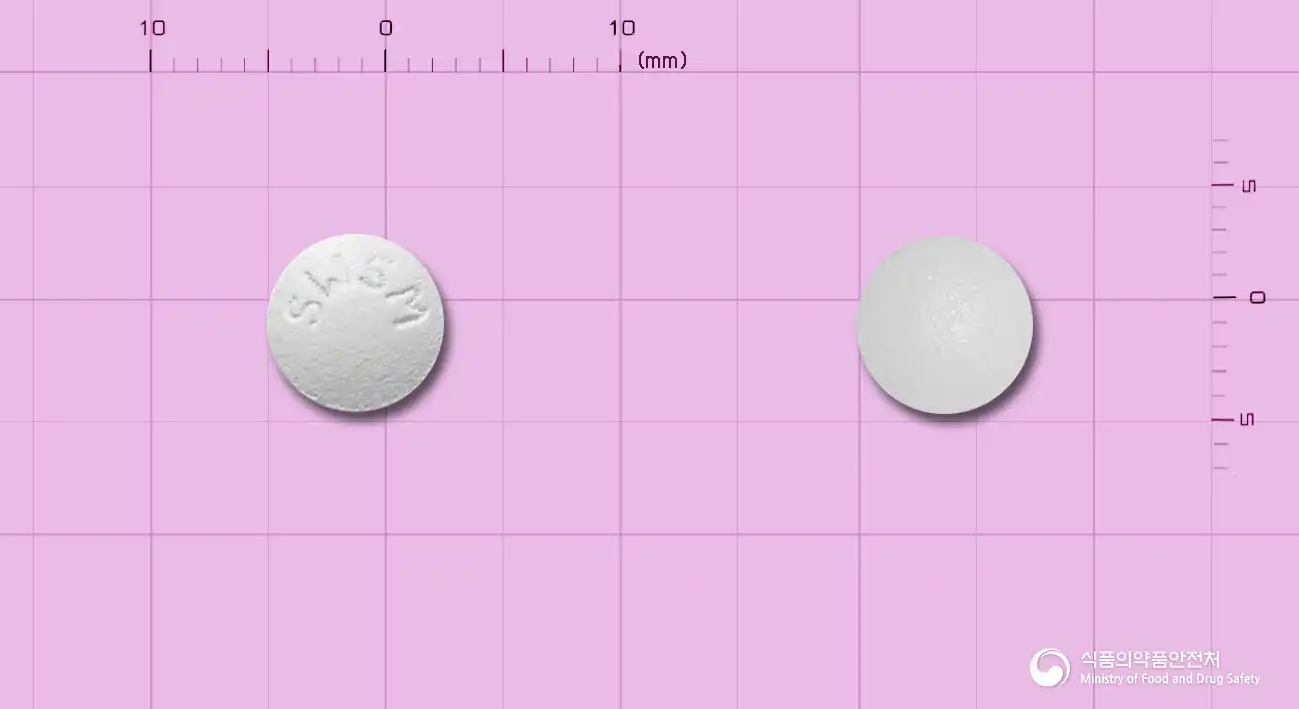
Morphine Sulfate Hydrate 15mg
Tablet · Prescription medication
Sungwon Adcock Pharmaceutical Co., Ltd.
Morphine Sulfate Hydrate 20mg
Injections · Prescription medication
(Ltd.) BC World Pharmaceutical
Even with the same ingredient, the dose and directions can differ by strength and dosage form. Talk to a doctor or pharmacist before switching from a medication you are already taking.
No questions yet.
For anything that needs medical judgment, consult a doctor or pharmacist.
This drug information is based on data provided by the Korea Ministry of Food and Drug Safety.
Consult a doctor or pharmacist for accurate dosage, administration, and usage instructions.