
 한국어
 English
 日本語
 中文(简体)
Dosage form image
Viewing nowMinirin Injection (Desmopressin Acetate)
Desmopressin Acetate 4μg
Prescription medication
Korea Ferring Pharmaceutical Co., Ltd.
MFDS item code 199403266 · Notified 1994.12.05 · Insurance code 652500141
Relief of symptoms of diabetes insipidus (polyuria and polydipsia); measurement of renal concentrating capacity; prevention of bleeding before surgery
This medication is used for central diabetes insipidus or polyuria occurring after brain damage or pituitary surgery, and it is also effective in preventing preoperative bleeding in patients with hemophilia A and von Willebrand disease (Type I). It also aids in measuring kidney concentrating ability for related diagnoses. This drug is used to improve and treat these diseases and conditions.
1) Central diabetes insipidus, transient polyuria due to brain injury or pituitary surgery, and polydipsia: The dose of this medicine should be adjusted according to each patient's response. Response is assessed based on sleep duration and fluid turnover. The usual adult dose is 2.0㎍(0.5mL)-4.0㎍(1mL) of desmopressin acetate per day, administered intravenously in 2 divided doses. The morning and evening doses should be adjusted individually to match the diurnal rhythm of fluid turnover. For patients receiving this ingredient intranasally who have poor nasal absorption or require surgery and therefore need to receive it by injection, the dose of the injection solution required to achieve the same antidiuretic effect is approximately 1/10 of the intranasal dose. For parenteral formulations, visually inspect for discoloration and particulate matter before administration. 2) Hemophilia A and von Willebrand disease (Type I): Administer 0.3-0.4㎍/kg of body weight of this medicine to adults, diluted with normal saline injection (adults weighing 10kg or more: dilute with 50mL), by slow intravenous injection over 15-30 minutes. Monitor blood pressure and pulse during administration. When this medicine is given before surgery, administer it 30 minutes before the start of surgery. Whether to repeat the dose or use another hemostatic blood product should be determined based on the patient's condition as well as the response in clinical trials. Since a marked decrease in response may occur with repeated administration, take this into consideration if doses are given more frequently than every 48 hours. 3) Measurement of renal concentrating ability: Administer 4㎍(1mL) of this medicine to adults by subcutaneous or intramuscular injection.
1) In children 12 years of age and older, administer 2.0㎍(0.5mL)-4.0㎍(1mL) per day of desmopressin acetate intravenously in 2 divided doses. 2) In children weighing 10kg or more, dilute 0.3-0.4㎍ per kg of body weight of this drug in normal saline injection (50mL) and administer by slow intravenous injection over 15-30 minutes. 2) In children weighing 10kg or less, dilute 0.3-0.4㎍ per kg of body weight of this drug in normal saline injection (10mL) and administer by slow intravenous injection over 15-30 minutes. 3) In children 1 year of age and older, administer 1-2㎍(0.25-0.5mL) of this drug by subcutaneous or intramuscular injection. 3) In infants under 1 year of age, administer 0.4㎍(0.1mL) by subcutaneous or intramuscular injection.
This medication may have glass fragments when using the ampoules, so care must be taken especially when administering to children or the elderly. Children and the elderly may experience hyponatremia or water intoxication due to this drug, so it is important to limit fluid intake to a degree that relieves thirst. It should not be administered to patients with hypersensitivity to this drug or those with certain diseases such as specific hemophilia patients, heart failure, or unstable angina. Patients with high blood pressure, pregnancy-induced hypertension, or pituitary dysfunction should use this drug with caution. The most common side effect of this drug is hyponatremia, which can manifest as headache, nausea, vomiting, muscle cramping, dizziness, and coma. Rarely, severe allergic reactions such as anaphylaxis may occur, so any abnormal symptoms should be reported immediately to medical personnel. During treatment with this drug, blood pressure, weight, and serum sodium levels should be checked regularly to prevent fluid retention and electrolyte imbalance. Fluid intake should be restricted for 1 hour before administration and for 8 hours after administration, and restrictions may need to be stricter if kidney function is impaired. This drug may interact with other medications, so caution is necessary when used in conjunction with medications that have a risk of causing hyponatremia. Pregnant or breastfeeding women should carefully consider the potential effects on the fetus or newborn when using this drug, and it is recommended to stop breastfeeding while using it. It is advisable not to administer this drug to children, especially infants under 3 months or children under 12 years old. In cases of overdose, symptoms of fluid retention and hyponatremia may appear, and dosage adjustments should be made according to symptoms, along with restrictions on fluid intake and diuretic treatment if necessary. During use of this drug, regular observations of urine volume, weight, plasma osmolality, etc., should be conducted to ensure safe treatment.
Not everyone experiences these, and they can vary from person to person.
This drug should be stored at refrigerator temperatures between 2 and 8 degrees Celsius to maintain freshness and preserve efficacy. It is important to avoid areas that are too cold or too warm and to keep it safely in the refrigerator.
Colorless, transparent liquid in a colorless, transparent glass vial
1 milliliter x 10 ampoules/box
Even with the same ingredient, strength, dosage form and how it is taken can differ.
Desmopressin Acetate 4μg
Prescription medication
Korea Ferring Pharmaceutical Co., Ltd.
Desmopressin Acetate 10mg
Prescription medication
Korea Ferring Pharmaceuticals Co., Ltd.
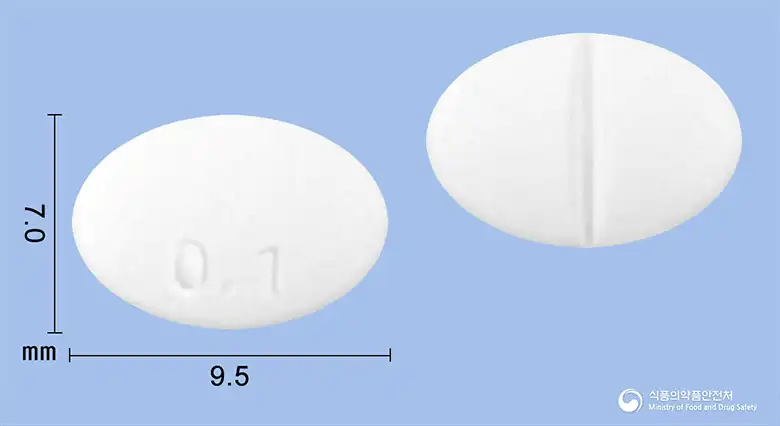
Desmopressin Acetate 0.1mg
Tablet · Prescription medication
Korea Ferring Pharmaceuticals Co., Ltd.
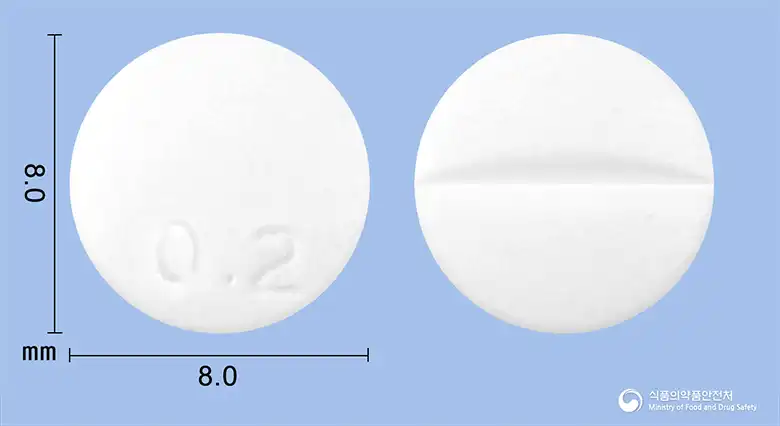
Desmopressin Acetate 0.2mg
Tablet · Prescription medication
Korea Ferring Pharmaceuticals Co., Ltd.
Desmopressin Acetate
Prescription medication
Korea Ferring Pharmaceuticals Co., Ltd.
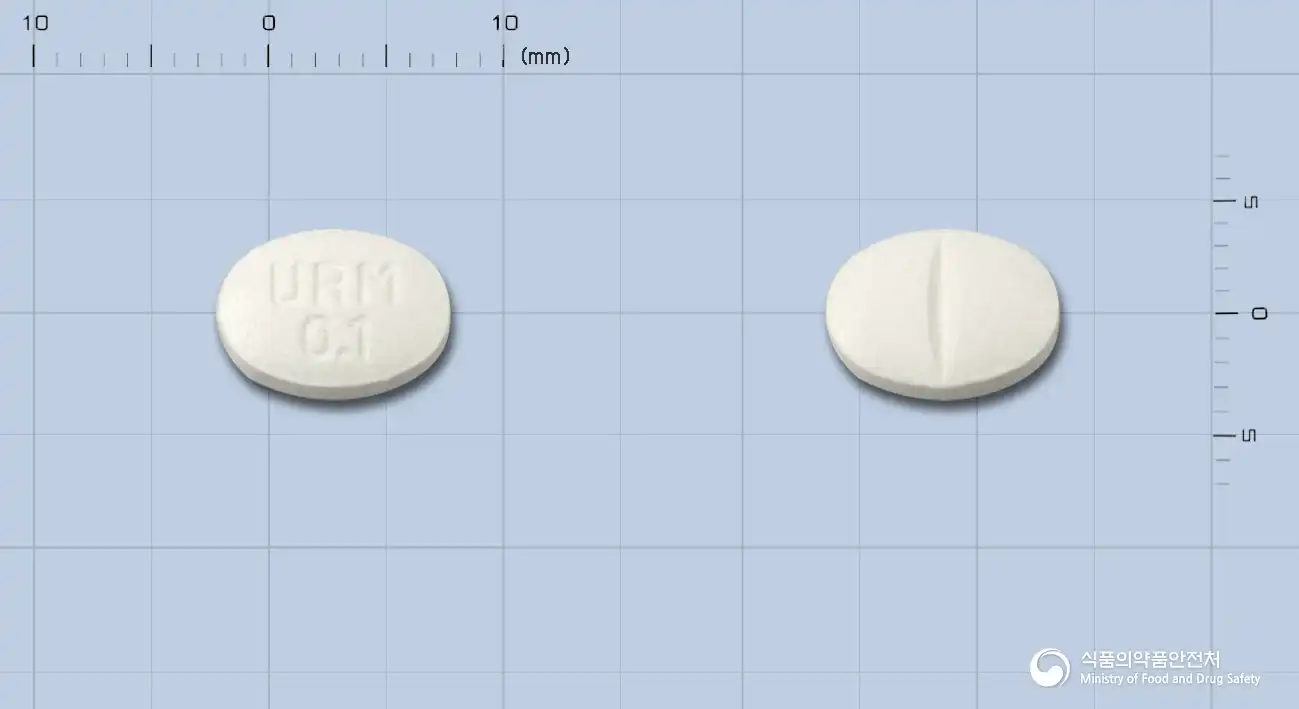
Desmopressin Acetate 0.1mg
Tablet · Prescription medication
Hyundai Pharmaceutical Co., Ltd.
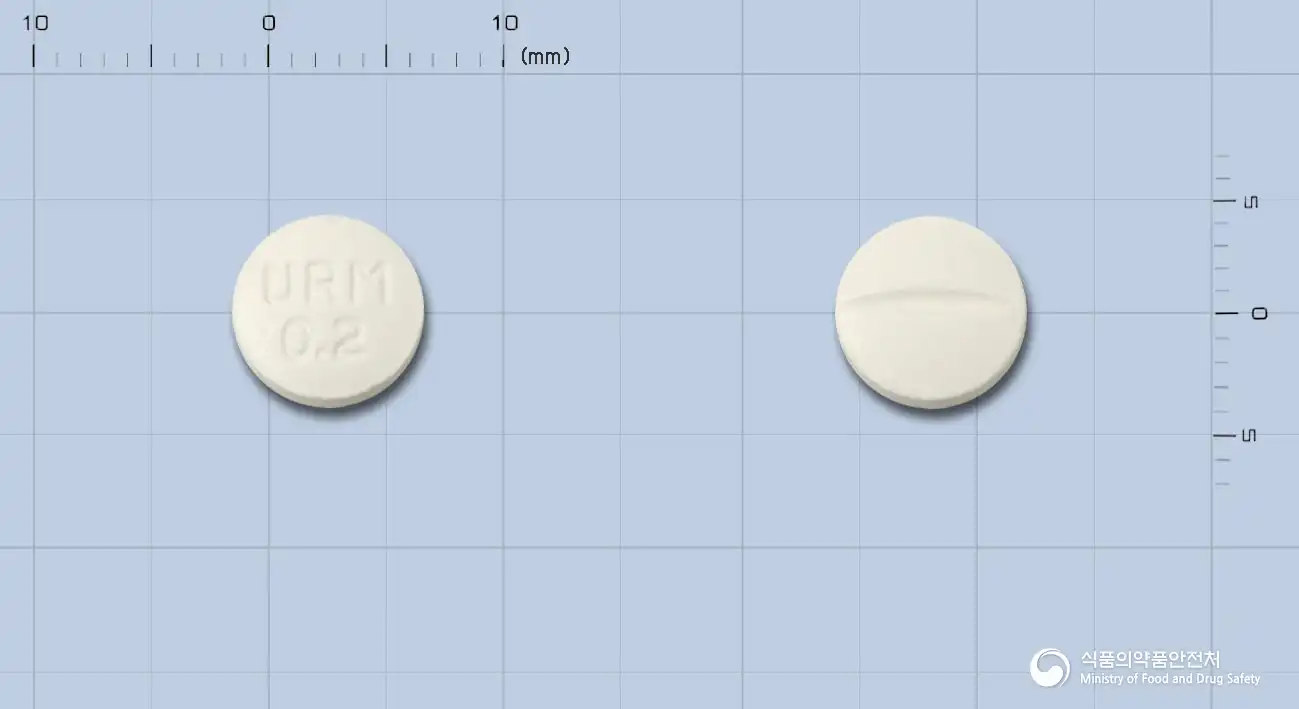
Desmopressin Acetate 0.2mg
Tablet · Prescription medication
Hyundai Pharmaceutical Co., Ltd.
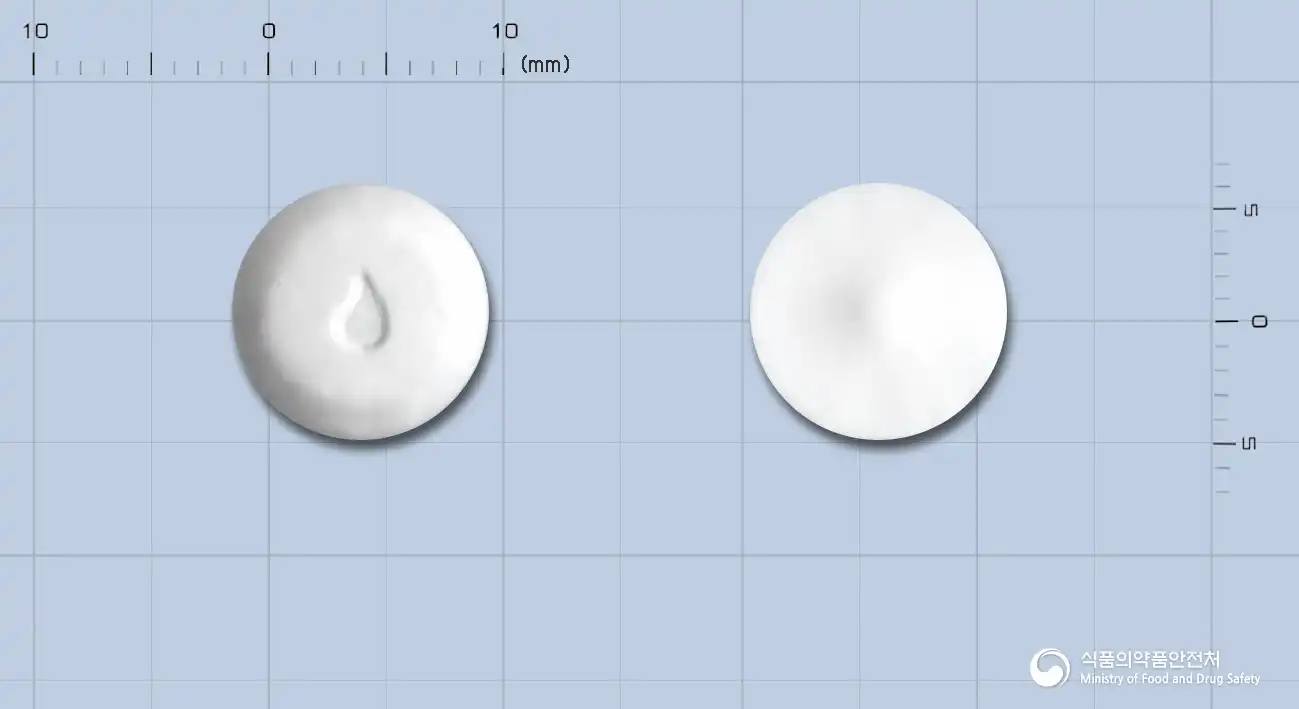
Desmopressin Acetate 0.068mg
Sublingual Tablet · Prescription medication
Korea Ferring Pharmaceuticals Co., Ltd.
Even with the same ingredient, the dose and directions can differ by strength and dosage form. Talk to a doctor or pharmacist before switching from a medication you are already taking.
No questions yet.
For anything that needs medical judgment, consult a doctor or pharmacist.
This drug information is based on data provided by the Korea Ministry of Food and Drug Safety.
Consult a doctor or pharmacist for accurate dosage, administration, and usage instructions.