
 한국어
 English
 日本語
 中文(简体)
Dosage form image
Viewing nowBanana Dry Syrup 50 mg (potency)/5 mL (Cefpodoxime Proxetil)
Cefpodoxime Proxetil 5000mg
Prescription medication
HK inno.N Co., Ltd.
MFDS item code 199400094 · Notified 1994.06.15 · Insurance code 640000471,640000472
Treatment of respiratory and ear, nose, and throat infections, skin infections and scarlet fever, and urinary tract infections
This medication is an antibiotic effective against various bacterial infections, acting on several types of bacteria including Staphylococcus, Streptococcus, Pneumococcus, Neisseria gonorrhoeae, and Escherichia coli. It is primarily used for skin and soft tissue infections such as folliculitis, boils, and carbuncles, and is also suitable for treating respiratory infections such as mastitis, pharyngitis, acute bronchitis, and pneumonia. Furthermore, it is effective for urinary tract infections such as pyelonephritis and cystitis, as well as infections around the ears and nose including otitis media and sinusitis. Additionally, it is utilized for the treatment of infectious diseases in various locations such as perianal abscess, Bartholin's gland inflammation, and periodontal tissue inflammation. It is important to take this medication exactly as directed by a physician to improve symptoms and treat infections through consistent treatment.
(Tablets) ○ Adults: Administer 100mg (potency) of cefpodoxime orally twice daily after meals. If the infection is severe or the effect is considered insufficient, administer 200mg (potency) per dose orally twice daily after meals. Adjust the dose appropriately according to age, symptoms, etc.
(Dry syrup) ○ Infants and children: Administer 3mg (potency) of cefpodoxime per kg of body weight per dose, 2~3 times daily, after reconstitution as a suspension for oral administration. ○ Infants and children: For severe cases or cases in which the effect is considered insufficient, administer 4.5mg (potency) per kg of body weight per dose orally 3 times daily. Adjust the dose appropriately according to age, symptoms, etc.
This medicine contains the artificial sweetener aspartame, which is broken down into phenylalanine in the body and should not be used by patients with the genetic disorder phenylketonuria. The daily intake of aspartame should be restricted to below the recommended amount by WHO, and for a 60 kg adult, care should be taken not to exceed a maximum of 2.4 g per day. This medicine should not be administered to patients who have previously experienced severe allergic reactions or shock from this medicine. Additionally, this medicine contains lactose and should not be administered to patients with galactose intolerance, lactose deficiency, or glucose-galactose malabsorption. Patients with allergies to this medication or cephalosporin antibiotics should not receive it in principle, but it may be used with caution when absolutely necessary. Patients with a history of allergic reactions to penicillin antibiotics or those with allergic tendencies such as asthma, rashes, or urticaria should also use this medication cautiously. Patients with severely impaired kidney function may have prolonged exposure to this medication, requiring dose adjustment and monitoring. Patients who have difficulty swallowing or elderly patients, and those in poor overall condition may develop symptoms of vitamin K deficiency, so their condition must be closely monitored. This medication can cause severe allergic reactions such as shock and anaphylaxis; if symptoms occur, administration should be ceased immediately. If hypersensitivity reactions such as rash, urticaria, itching, fever, or gastrointestinal symptoms such as abdominal pain and diarrhea occur, administration should be stopped, and appropriate treatment should be received. If respiratory distress, coughing, or pneumonia symptoms occur, administration should be stopped immediately and treatment is necessary. Blood tests may show leukopenia or thrombocytopenia, so routine testing is required during prolonged administration. This medication can affect the nervous system; in cases of impaired kidney function, seizures or behavioral abnormalities may occur, so caution is advised. Severe skin reactions may rarely occur; therefore, skin conditions should be monitored closely, and if any abnormalities appear, use should be discontinued immediately. It may affect liver and kidney function, so regular check-ups are necessary, and administration should be stopped if any abnormal symptoms occur. The normal intestinal flora may be disrupted, leading to the development of stomatitis or candidiasis, so symptoms should be carefully monitored. Symptoms of deficiency in vitamin K and B vitamins may rarely occur; thus, nutritional status should be monitored and managed. Symptoms such as headaches, swelling, and fatigue may rarely occur, hence monitoring is necessary. To prevent the development of resistant bacteria, it is advisable to conduct appropriate sensitivity testing and administer the drug for the minimum required duration. To prevent allergic reactions, it is recommended to conduct a medical history interview and skin response tests before administration. Dizziness may occur when taking this medication; caution is advised when driving or operating machinery. If administered for more than 10 days, blood tests should be done to check the leukocyte count. Especially in patients with impaired kidney function, care is necessary as failure to adjust the dosage could lead to seizures, which should be monitored, and administration must be stopped immediately if they occur. Serious skin adverse reactions have been reported, so patients should be informed about the symptoms in advance, and skin conditions should be closely monitored. This medicine used together with diuretics or aminoglycoside antibiotics may burden the kidneys, so it should be used with caution. Coadministration with probenecid may delay the excretion of this medication, resulting in elevated blood concentration; thus, caution is required. Antacids or H2 antagonists may hinder the absorption of this medicine, so care should be taken when they are used together. Safety during pregnancy has not been established; therefore, for women who may become pregnant, the need for this medication should be decided cautiously, and nursing mothers should discontinue breastfeeding if taking this medication. Safety in neonates, premature infants, and infants under 2 months of age has not been established, so caution is needed in their use. Elderly patients are more likely to experience adverse reactions due to reduced body function, and there is a risk of bleeding from vitamin K deficiency; therefore, their condition should be closely monitored during administration. This medication can lead to false positive results in certain clinical tests, so caution is required in interpreting test results. The syrup form of this medication should be stored refrigerated after preparation and used within 2 weeks; it should be shaken well before use.
shock
Not everyone experiences these, and they can vary from person to person.
This medicine should be stored in a tightly closed container to protect it from air and moisture. It should be kept away from direct sunlight, at room temperature, meaning not too hot or too cold.
This medicine is a yellow-orange granule.
200, 500 ml
Even with the same ingredient, strength, dosage form and how it is taken can differ.
Cefpodoxime Proxetil 5000mg
Prescription medication
HK inno.N Co., Ltd.

Cefpodoxime Proxetil 100mg
Tablet · Prescription medication
HK inno.N Co., Ltd.
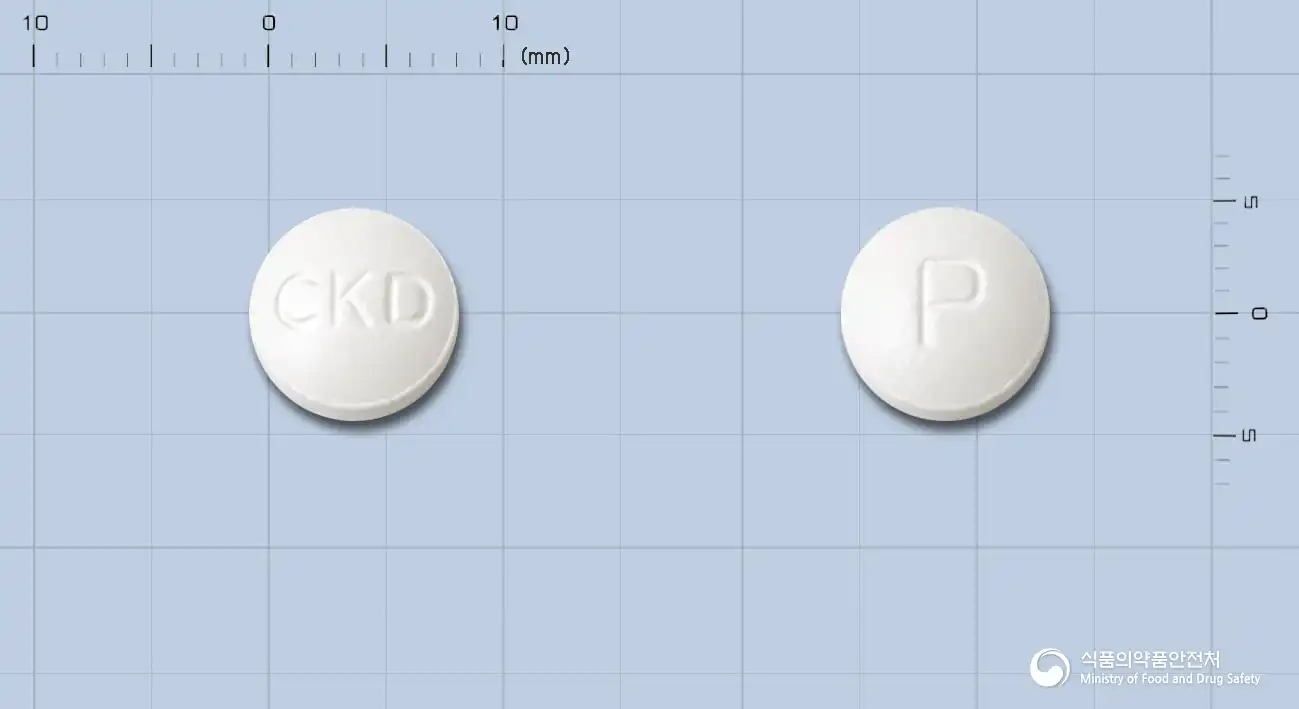
Cefpodoxime Proxetil 100mg
Tablet · Prescription medication
Jongkundang Co., Ltd.

Cefpodoxime Proxetil 100mg
Tablet · Prescription medication
Youngjin Pharmaceutical Co., Ltd.

Cefpodoxime Proxetil 130mg
Tablet · Prescription medication
Hanmi Pharmaceutical Co., Ltd.
Cefpodoxime Proxetil 5000mg
Prescription medication
Jongkundang Co., Ltd.
Cefpodoxime Proxetil
Prescription medication
SK Chemicals Co., Ltd.
Cefpodoxime Proxetil 5000mg
Prescription medication
Geonil Pharmaceutical Co., Ltd.
Even with the same ingredient, the dose and directions can differ by strength and dosage form. Talk to a doctor or pharmacist before switching from a medication you are already taking.
No questions yet.
For anything that needs medical judgment, consult a doctor or pharmacist.
This drug information is based on data provided by the Korea Ministry of Food and Drug Safety.
Consult a doctor or pharmacist for accurate dosage, administration, and usage instructions.