
 한국어
 English
 日本語
 中文(简体)
Summary
- Main use
- Treatment of tuberculosis (including pulmonary tuberculosis)
- Who takes it
- Adults · Children
- Adult dose
- Adults: Administer 0.5~1 g of protionamide orally per day in 1~3 divided doses. As a rule, administer concomitantly with other antituberculosis medicines. Adjust the dose as appropriate according to age and symptoms.
- Child dose
- Children: Administer 10 mg/kg of this medicine orally per day in 1~3 divided doses.
Ingredients
- Manufacturer
- Kujoo Pharmaceutical Co., Ltd.
Efficacy & effects
Treatment of tuberculosis (including pulmonary tuberculosis)
- Pulmonary tuberculosis
- other forms of tuberculosis
View approved original textHide original text
This medication is effective against Mycobacterium tuberculosis and is used in the treatment of pulmonary tuberculosis and other forms of tuberculosis.
How to take
Adult dose
Adults: Administer 0.5~1 g of protionamide orally per day in 1~3 divided doses. As a rule, administer concomitantly with other antituberculosis medicines. Adjust the dose as appropriate according to age and symptoms.
Child dose
Children: Administer 10 mg/kg of this medicine orally per day in 1~3 divided doses.
Precautions
This medication should not be used by patients who are allergic to this medication or any of its components. Patients with very poor liver function, those with psychiatric disorders, or patients with epilepsy should not take this medication. Caution should be exercised when prescribing this medication to patients with slightly impaired liver function or suspected kidney issues, and dosing intervals may need to be adjusted. Elderly patients, those with alcohol addiction, or patients with gastric ulcers or acute inflammation should also use this medication cautiously. It is advisable for women who are pregnant, potentially pregnant, or breastfeeding to avoid using this medication. This medication contains the dye Yellow No. 4, so individuals allergic or sensitive to this component should be cautious. Regular liver function tests should be performed as this medication may cause liver issues; if abnormalities occur, discontinuation is advised. If allergic symptoms such as skin rashes, phototoxic reactions, thrombocytopenia, or purpura occur, medication must be stopped immediately. Gastrointestinal symptoms may include reduced appetite, discomfort, nausea, vomiting, chest pain, diarrhea, dry mouth, and oral inflammation. Neuropsychiatric symptoms may include headaches, anxiety, dizziness, depression, agitation, hair loss, insomnia, drowsiness, and visual disturbances. Other reported side effects include hypothyroidism, menstrual irregularities, hypoglycemia, acne, and bone marrow infiltration. Regular ophthalmic examinations are necessary before and during treatment to monitor eye health. When used in combination with other antitubercular agents, liver function may become compromised, so liver function tests should be frequently performed. Caution is required when taken with isoniazid, cycloserine, or alcohol as it may affect the central nervous system. When taken with insulin or hypoglycemic agents, there is a risk of hypoglycemia, so blood sugar control is important. Taking this medication with isoniazid or barbiturates may delay its breakdown. Caution should be maintained when taking isoniazid together, as it increases the risk of nerve damage. Taking this medication during pregnancy may pose a risk of fetal deformities; therefore, women who are pregnant or may become pregnant should not take it. This medication can be transmitted through breast milk, so breastfeeding women should avoid it, or if necessary to take it, should discontinue breastfeeding. Elderly patients may experience side effects such as liver dysfunction more readily, so they should use this medication with caution and monitor their condition closely. In animal studies, long-term high-dose use showed reports of thyroid cancer occurrence, so long-term high-dose use should be avoided.
Side effects
- Hepatitis
- jaundice
- elevated AST/ALT
- rash
- photosensitivity reactions
- thrombocytopenia
- purpura
- loss of appetite
- abdominal discomfort
- nausea
Show 33 moreCollapse
- vomiting
- chest pain
- diarrhea
- abdominal pain
- dry mouth
- excessive salivation
- metallic taste
- stomatitis
- weight loss
- headache
- anxiety
- dizziness
- depression
- agitation
- peripheral paresthesia
- erectile dysfunction
- gynecomastia
- alopecia
- insomnia
- drowsiness
- restlessness
- orthostatic hypotension
- peripheral neuropathy
- optic neuritis
- diplopia
- blurred vision
- pellagra
- seizures
- hypothyroidism
- menstrual irregularities
- hypoglycemia
- acne
- bone marrow infiltration
Not everyone experiences these, and they can vary from person to person.
Storage
This medication should be stored in a tightly sealed container to prevent air and moisture from entering. This helps maintain the medication's effectiveness and prevent degradation.
Appearance and packaging
Appearance
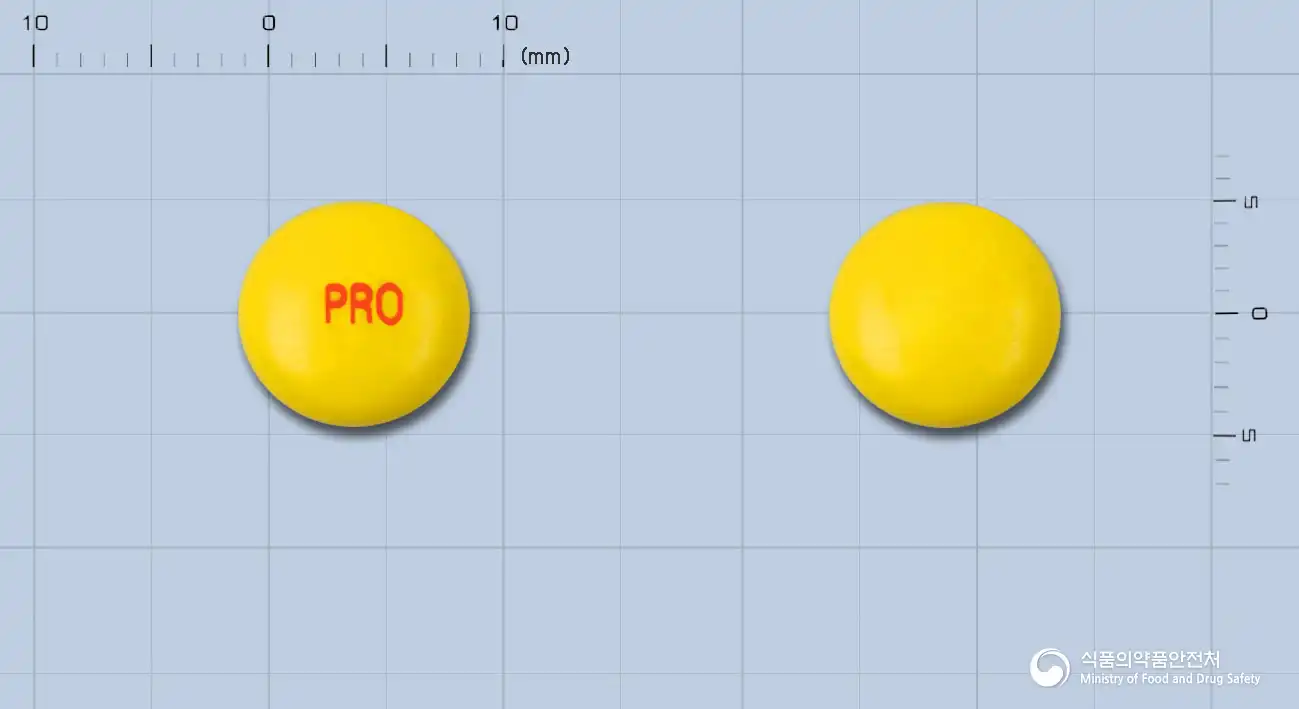
Yellow round sugar-coated tablet
Package unit
100 tablets/bottle, 312 tablets/bottle
Questions about this medicine
No questions yet.
For anything that needs medical judgment, consult a doctor or pharmacist.