
 한국어
 English
 日本語
 中文(简体)
 Viewing now
Cheil Cilazapril Tablet 2.5 mg (Cilazapril Hydrate)
Cilazapril Hydrate 2.61mg
Tablet · Prescription medication
Cheil Pharmaceutical Co., Ltd.
MFDS item code 199300654 · Notified 1993.10.07 · Insurance code 645401380
Treatment of hypertension (essential hypertension and renal hypertension)
Essential hypertension and renovascular hypertension are representative types of hypertension, primarily used to control blood pressure and prevent cardiovascular diseases.
This medicine should be administered once daily at the same time of day. As food intake does not significantly affect its absorption, it may be administered before or during a meal. Measure blood pressure after 4 weeks of treatment and adjust the dose if necessary. 1. Essential hypertension Adults: The usual dose is 2.5 ∼ 5 mg of cilazapril anhydrous orally once daily. For the first 2 days, a dose of 1 ∼ 1.25 mg once daily is recommended. The dose should be adjusted individually according to the blood pressure response. If blood pressure is not controlled with 5 mg daily, this medicine may be administered with a small dose of a non-potassium-sparing diuretic. In most cases, an adequate therapeutic effect is not achieved until 2 ∼ 4 weeks after starting treatment. 2. Renal hypertension Adults: Because the blood pressure-lowering effect of ACE inhibitors may be more pronounced in patients with renal hypertension than in patients with essential hypertension, treatment should be started at a dose of 0.5 mg once daily or less, and the maintenance dose should be determined individually. 3. Special dosage and administration 1) Hypertensive patients taking diuretics Patients taking diuretics should be treated with caution when starting therapy, as they are often volume-depleted or prone to hypotension due to ACE inhibition. If possible, discontinue all diuretics 2 ∼ 3 days before administering this medicine. If discontinuation is not possible because of the patient's condition, start treatment with a dose of 0.5 mg once daily, and monitor blood pressure closely after the first dose until it stabilizes. The maintenance dose should be adjusted according to each patient's response. 2) Patients with renal impairment The following dosage and administration are recommended. Creatinine clearance (mL/min) > 40: Initial dose 1 mg once daily, maximum dose 2.5~5 mg once daily Creatinine clearance (mL/min) 10 ∼ 40: Initial dose 0.5 mg once daily, maximum dose 2.5 mg once daily Creatinine clearance (mL/min) < 10: Not recommended Patients requiring hemodialysis should take this medicine on days when dialysis is not performed, and the dose should be adjusted according to the blood pressure response. 3) Elderly patients Start treatment with a dose of 0.5 mg ~ 1 mg once daily or less, depending on the patient's volume status and general condition. The maintenance dose should be adjusted according to the individual response. 4) Patients with cirrhosis In patients with cirrhosis (without ascites), the dose of this medicine should not exceed 0.5 mg daily. Since severe hypotension may occur when treating hypertension in these patients, prescribe with extreme caution and monitor blood pressure carefully.
This medication can cause serious harm to the fetus during pregnancy, so if pregnancy is confirmed, it should be discontinued immediately. Patients allergic to this drug or its components, or with a history of angioedema, should not use this medication. Women who are pregnant or might become pregnant, as well as nursing mothers, should not use this medication. Patients undergoing certain blood component collection procedures or hemodialysis may be at risk if they take this medication, so its use should be avoided. Patients with liver cirrhosis or children, adolescents, and those with certain kidney diseases should be cautious when using this medication. When starting, blood pressure can drop sharply, so treatment should begin with a low dose, monitoring the patient's condition closely. This medication may cause side effects such as dry cough, dizziness, fatigue, headache, and rash; severe cases require immediate medical attention. Regular blood tests to monitor kidney function and serum potassium levels are important. Caution is needed when combining with other antihypertensive agents or potassium-sparing diuretics, as the risk of side effects may increase. Dosage adjustment may be necessary before and after surgery, as the risk of blood pressure reduction increases when used with anesthetics. Dizziness or drowsiness may occur when driving or operating machinery, so caution is advised. Safety for use in children and adolescents has not been established, and elderly patients should start with a low dose and be administered with caution. In case of overdose, severe hypotension or shock may occur, thus strict adherence to the dosage is required. Store out of reach of children and do not transfer to another container.
Not everyone experiences these, and they can vary from person to person.
This medication should be stored in a tightly closed container to prevent exposure to air or moisture. The appropriate storage temperature is a cool place between 1 to 25 degrees Celsius. Proper storage will maintain the medication's efficacy and ensure safe use.
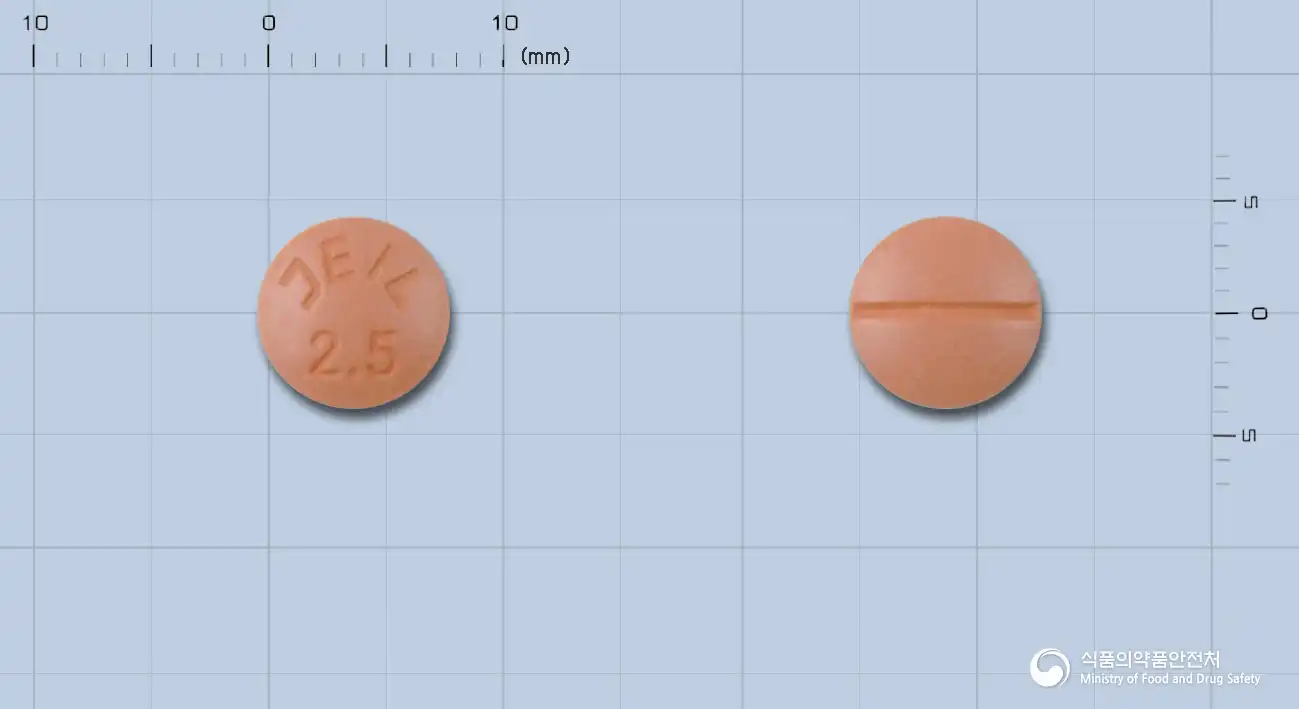
Pink round film-coated tablets
30 tablets (10 tablets/PTPX3), 500 tablets/bottle
Even with the same ingredient, strength, dosage form and how it is taken can differ.
Viewing nowCilazapril Hydrate 2.61mg
Tablet · Prescription medication
Cheil Pharmaceutical Co., Ltd.
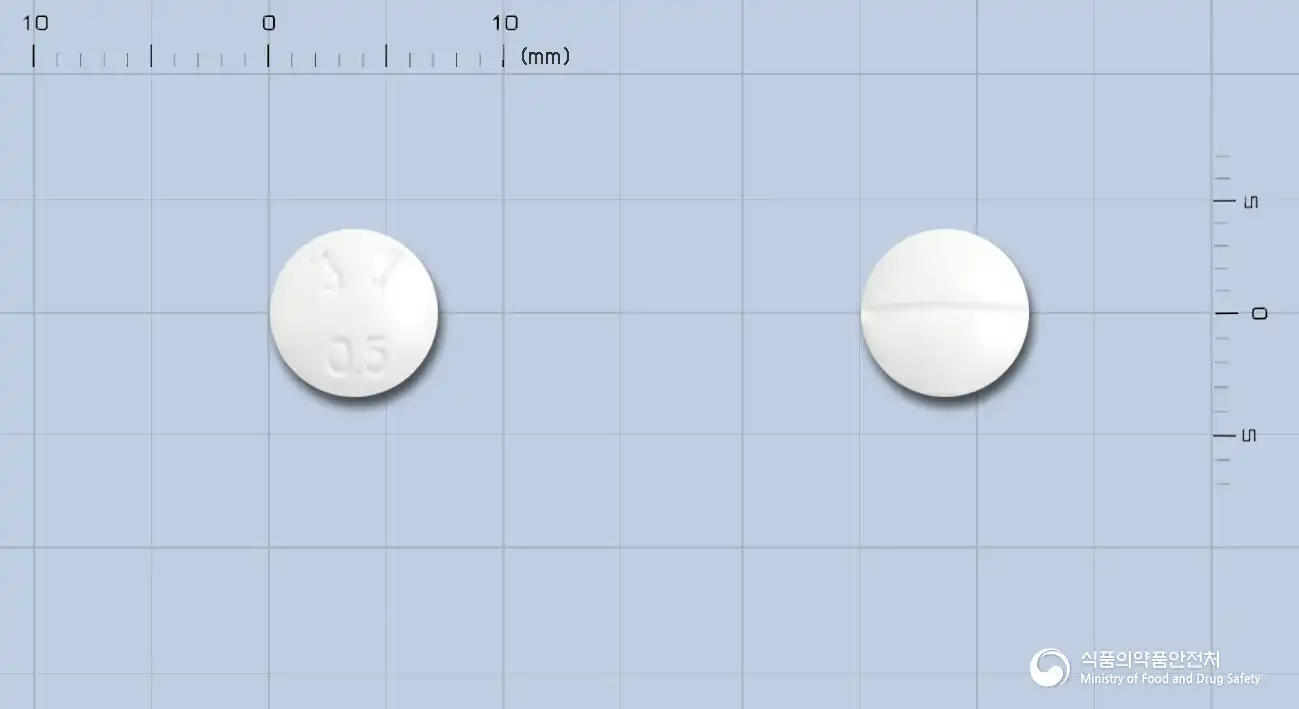
Cilazapril Hydrate 0.522mg
Tablet · Prescription medication
Cheil Pharmaceutical Co., Ltd.

Cilazapril Hydrate 1.044mg
Tablet · Prescription medication
Cheil Pharmaceutical Co., Ltd.
Even with the same ingredient, the dose and directions can differ by strength and dosage form. Talk to a doctor or pharmacist before switching from a medication you are already taking.
No questions yet.
For anything that needs medical judgment, consult a doctor or pharmacist.
This drug information is based on data provided by the Korea Ministry of Food and Drug Safety.
Consult a doctor or pharmacist for accurate dosage, administration, and usage instructions.